


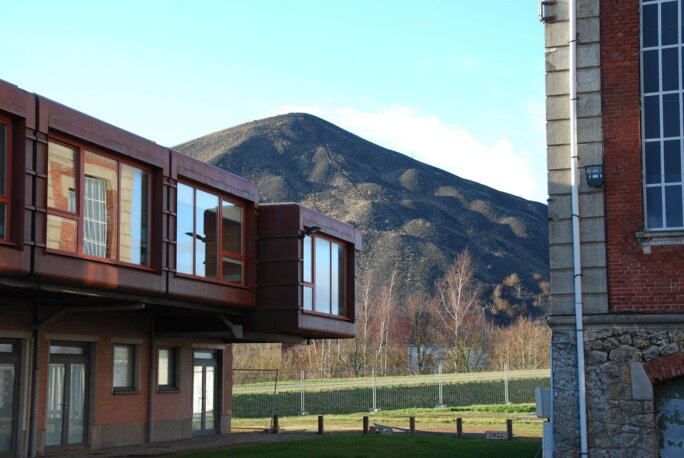
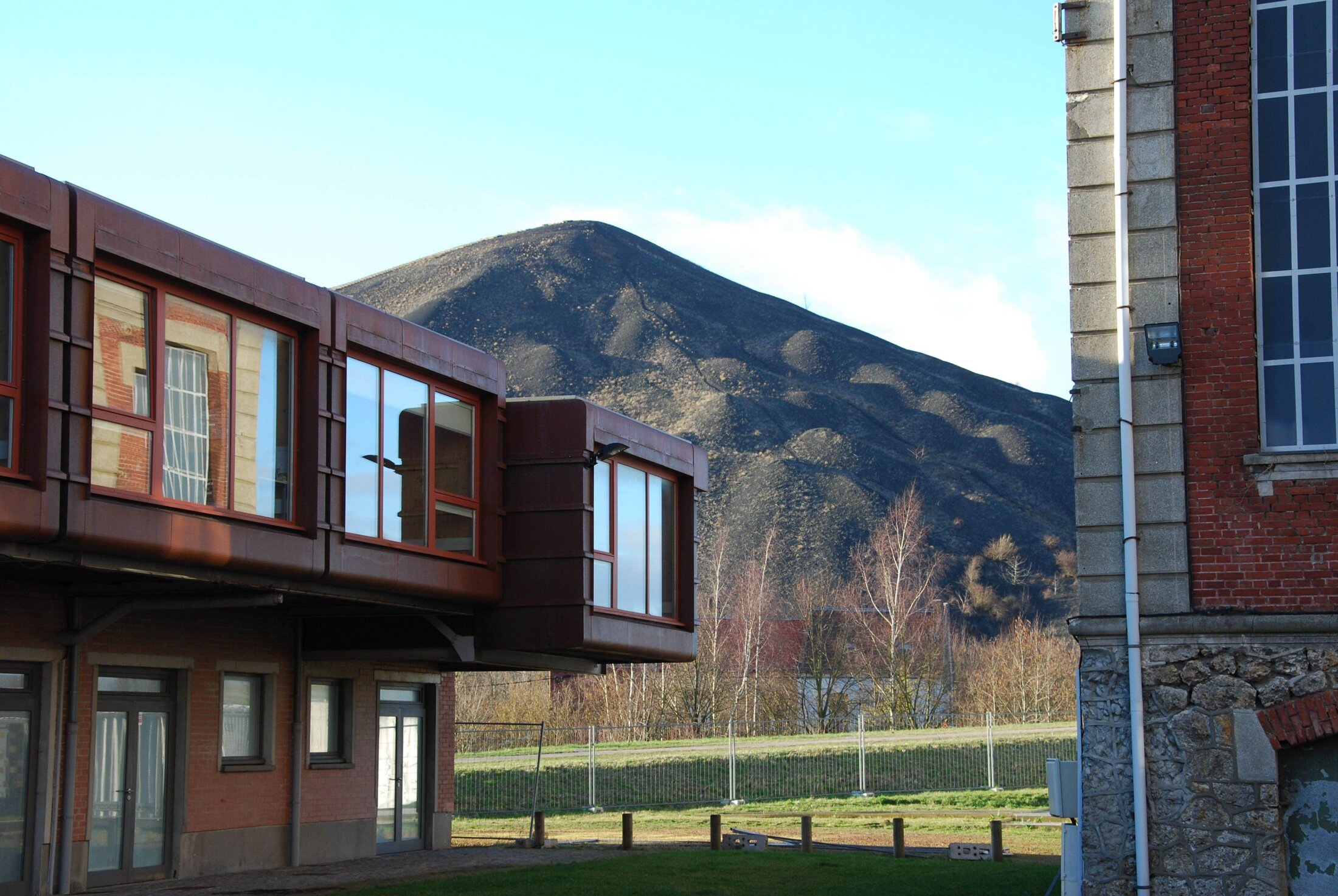
Loos-en-Gohelle sits in the far north-east pocket of the Nord-Pas-de-Calais département (equivalent to a county), close to the border with Belgium. Two huge slag heaps, one of them the largest in Europe, tower above it, the heritage of centuries of mining activity that ceased in the region in 1990, and which has seen little industrial relay.
The giant heaps aside, there is at first glance little to distinguish this small town of 7,000 inhabitants from others in a once-thriving and now struggling industrial region. Like so many, the town hall stands proud on the main square, teenagers buzz around on scooters and the local bus trundles through almost every hour. A memorial to French soldiers who died in fighting during WW1 and the nearby British Cemetery are a reminder of the carnage of the Great War in northern France, and notably the 1915 Battle of Loos.
Enlargement : Illustration 1
But a closer look reveals signs of something new and different happening here. Firstly, there are the Quick Response (QR) code terminals that dot the streets. Connecting with one offers an 'Augmented Reality' presentation of the town, revealing its programme of ecological conversion. There are dozens of ecodesign buildings, including one of the very first bank branches that qualifies for France’s High Environmental Quality standard (Haute Qualité Environnementale). Rain water is collected for use on the town’s green spaces and for toilets. Since 2010, only solvent-free paint is used on the town’s buildings and streets, and chemical products for plant control are banned from use on roads and other surfaces.
Electric heating is prohibited in public buildings and in all new constructions of social-housing schemes. The local home for the elderly is part-heated by solar energy, while the roof of the town church is covered with solar cells. From afar, the church roof looks as if it is covered with slate, while close up one can read a screen that presents in real time the number of watts produced and the saving in kilos of CO2.
One of the town’s neighbourhood’s was constructed in 1950 by the Castors self-build cooperative, a national movement that groups several associations, where a project to improve the thermal efficiency of the buildings has succeeded in reducing the heating costs of a home in a social-housing unit to just 197 euros per year.
The former railway track used by the mining pit has been transformed into a biological corridor to help the spread of plant life on either side of the nearby A21 motorway. The public lighting of the town functions to the rhythm of an astronomical clock.

Enlargement : Illustration 2
The problem for town councils engaged in policies of ecological conversion like that in Loos-en-Gohelle is that the end product is often little visible to the eye and flatter the pride of local inhabitants less than the building of a grand sports stadium, a museum or a modern shopping centre. That problem is all the more acute as the town gears up for municipal elections this month.
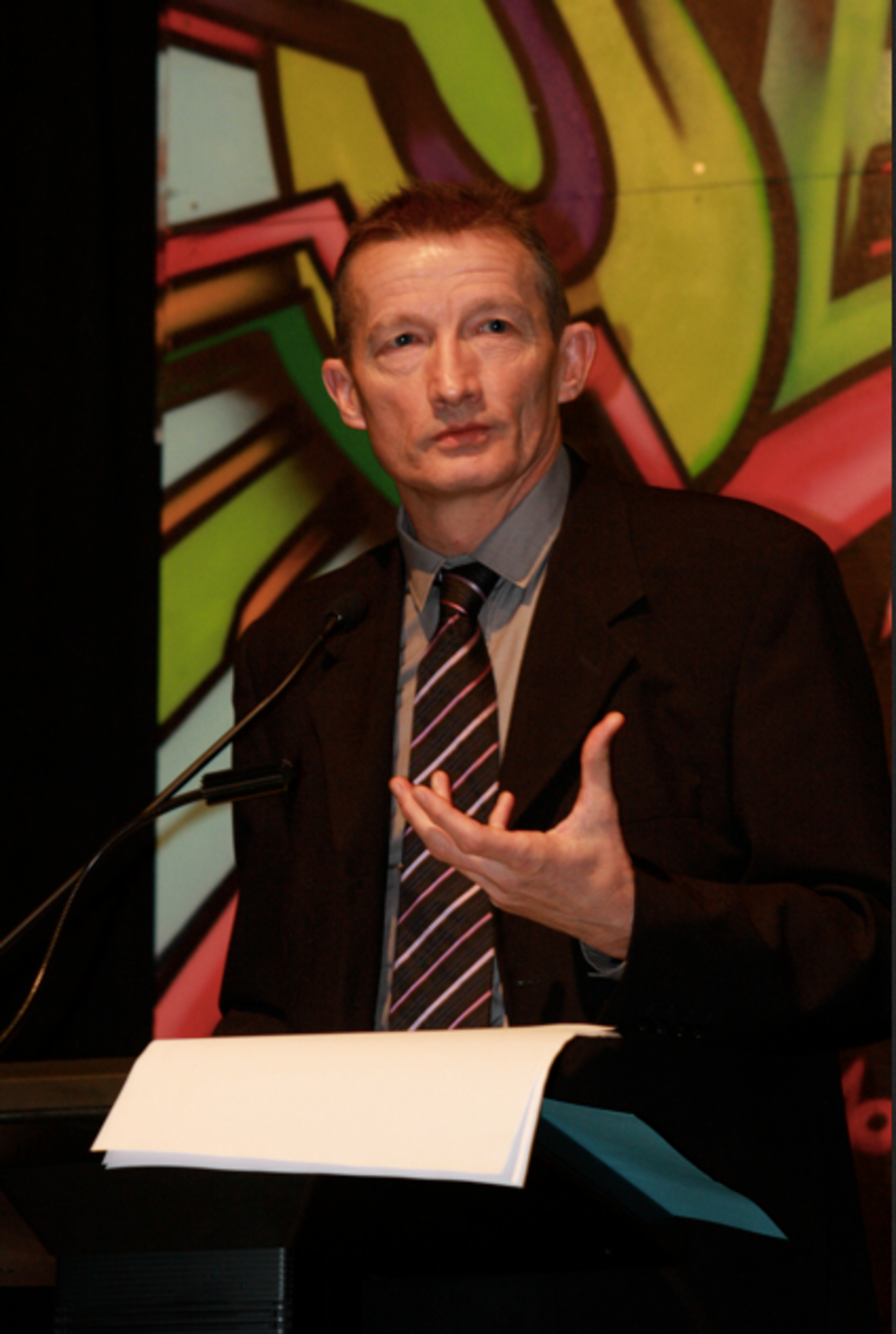
Jean-François Caron, 56, has been mayor of Loos-en-Gohelle since 2001. A member of France's principal Green party, EELV, he also sits on the Nord-Pas-de-Calais regional council. To give a more tangible social sense to technical projects of eco-renovation, alternative management of green spaces and energy savings, he goes to the polls with an upbeat slogan, borrowed from the US social and economic theorist Jeremy Rifkin: ‘The Third Industrial Revolution’.
“The old model of development is dead,” says Caron. “My job as an elected representative is [that of] transition.” Asked what his objective is, he begins by answering “to show a new model for development is possible” before he stops and smiles and admits that that sounds a tad “megalomaniacal.” He starts again: “The hyper-development model has shown its very grave limits, the exhaustion of natural resources and the creation of incredible inequalities. This model doesn’t make people happy. They are more and more isolated and individualist. The consumer society has created an addiction. I can work on this new model of development at a regional level.”
'A mayor of transition is no longer god'
Loos-en-Gohelle has an unemployment rate of 13%, which is about two percentage points above the national average for mainland France. Half of the town’s population have so little resources that they are exempt from paying income tax, and 40% of this category are aged less than 30 years. The town’s yearly budget is 7 million euros. Caron insists Loos-en-Gohelle is not “a laboratory town with guinea pigs” but rather “an ecosystem, developed on a common consciousness of what can be achieved to hand back hope, to retake one’s destiny into hand.”
Enlargement : Illustration 3
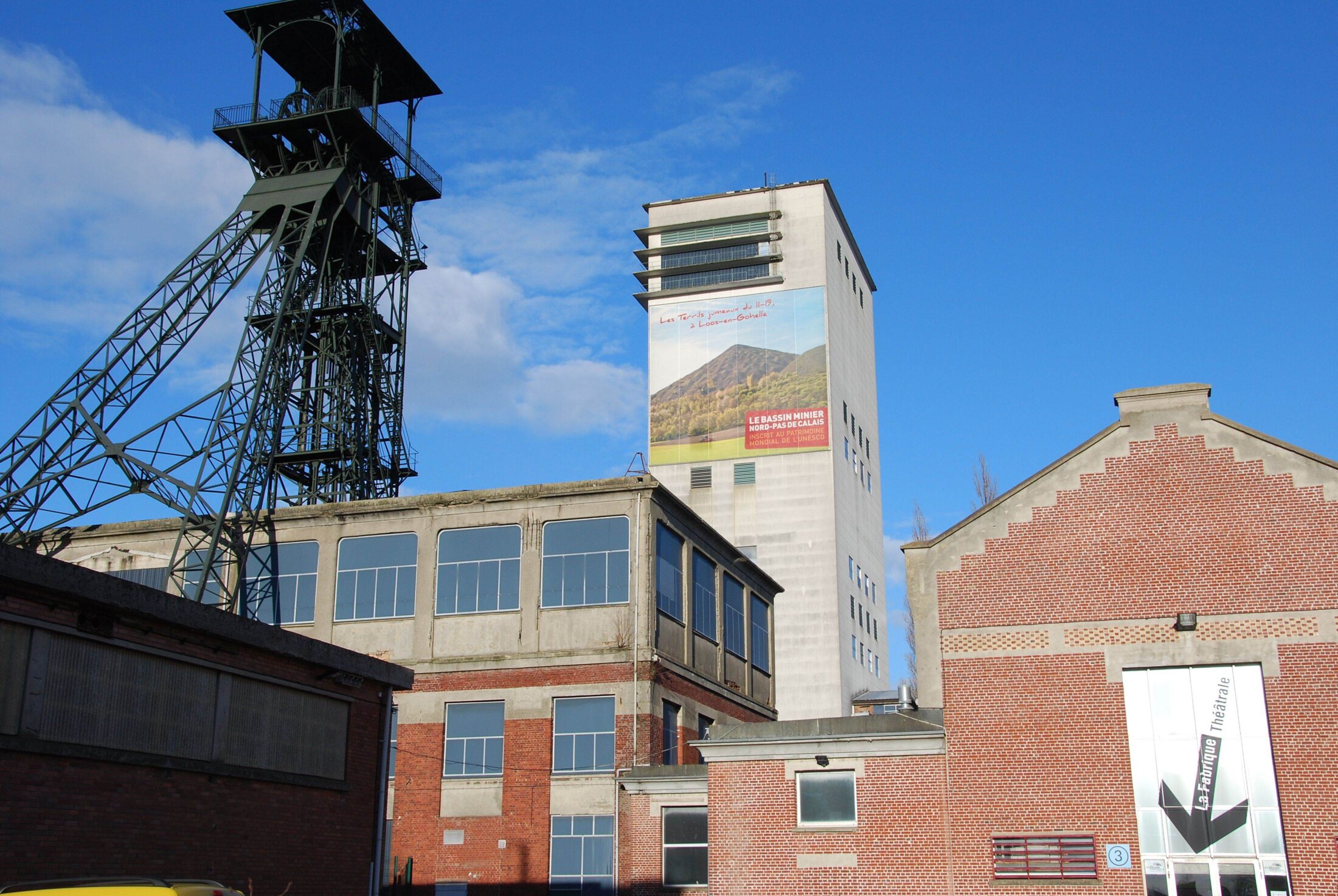
In 2012, the local mines were collectively made a UNESCO World Heritage site. The paths around and up the slag heaps of Loos-en-Gohelle attract regular groups of tourists, most of who have come to the region principally to visit the Louvre museum’s annex in nearby Lens. Caron is planning an English version of the digital guides to the town, and hopes to have Jeremy Rifkin take part by presenting his master plan for the Nord-Pas-de-Calais. “Rifkin has a million faults, but he has a vision,” says Caron. “Even if it’s a false one, it gets a territory moving.”
Enlargement : Illustration 4

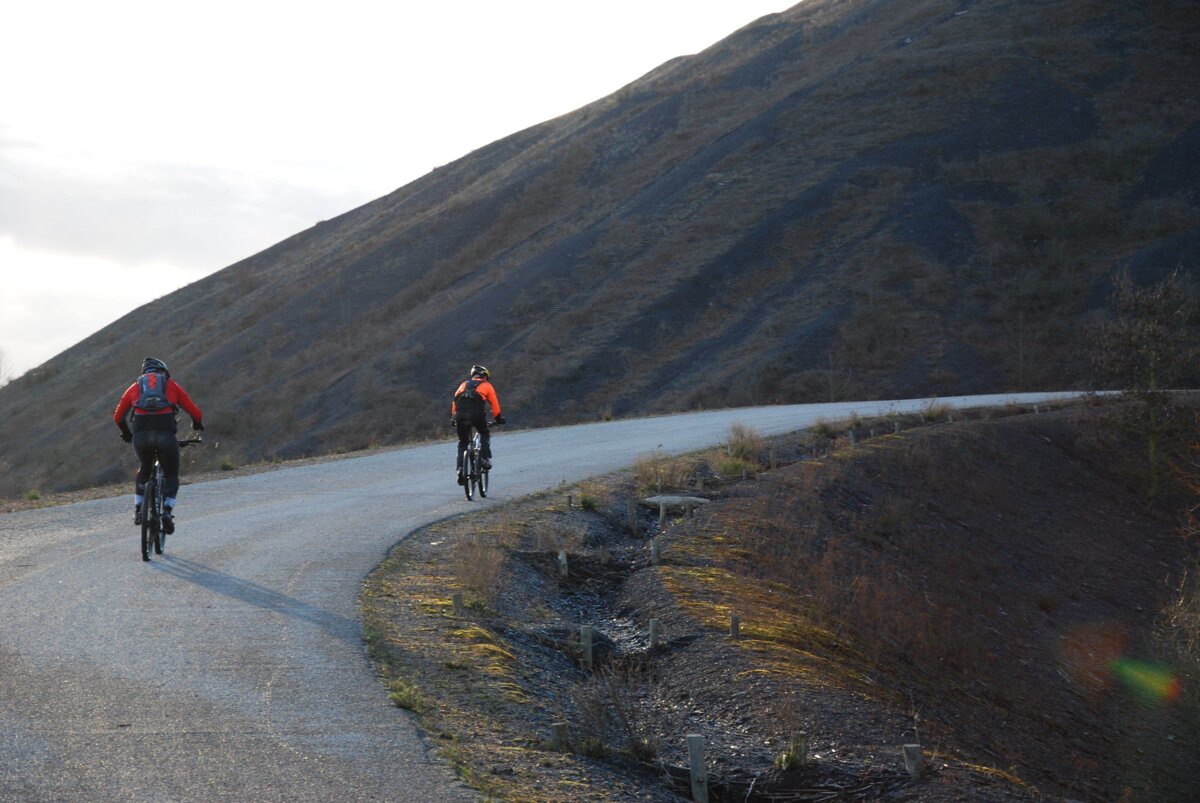
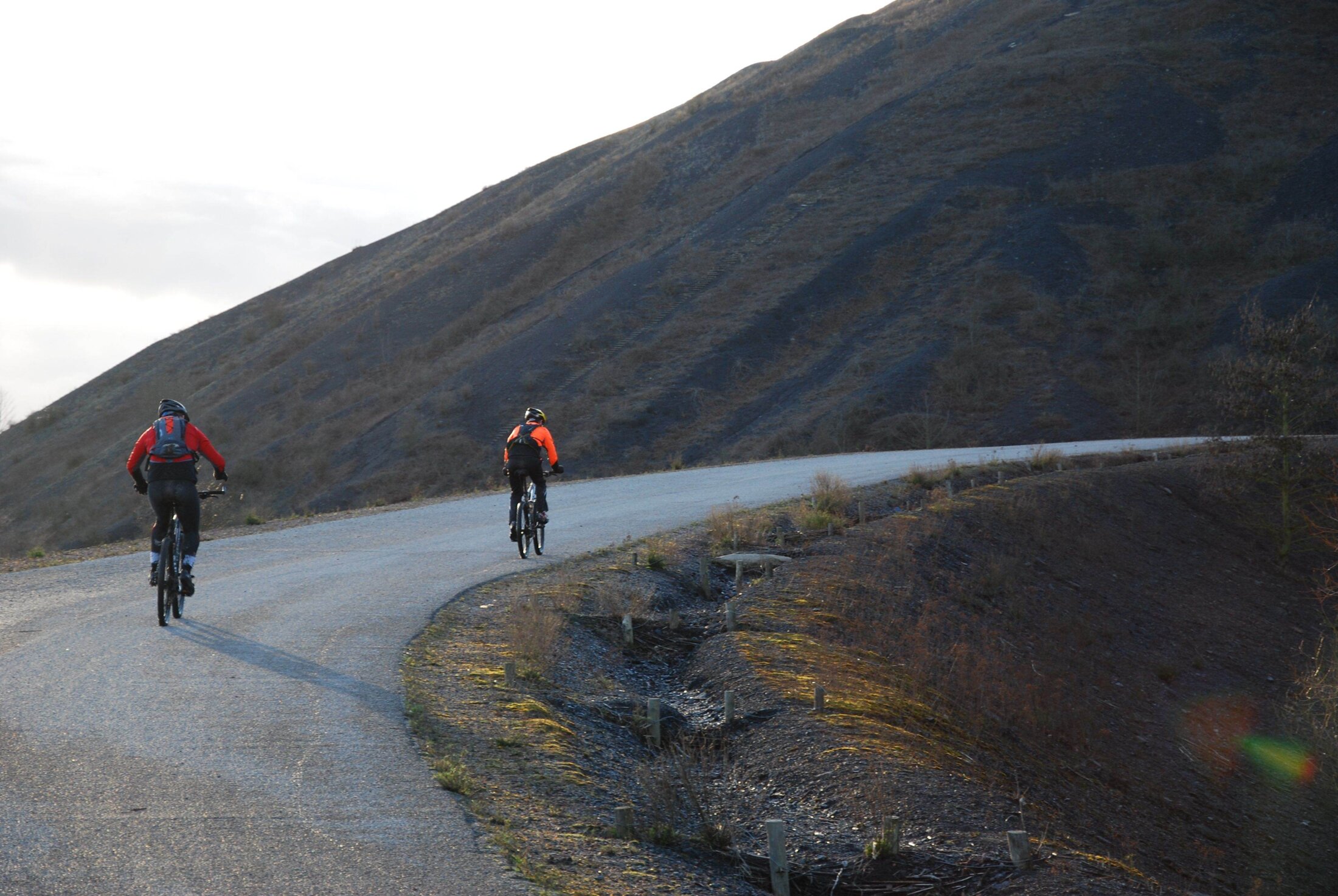
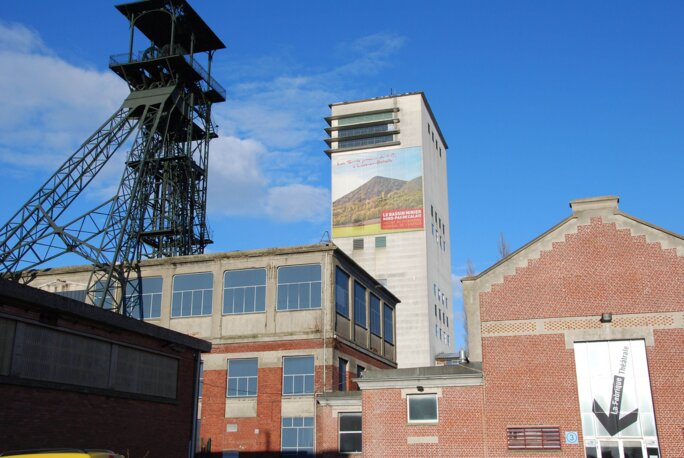
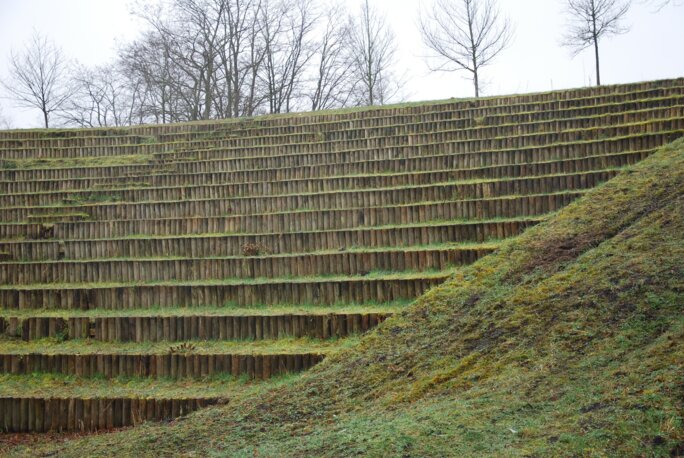
In the space of almost 25 years, since the last mining activity closed down in 1990, the slag heaps, made up of the waste rock extracted during the mining process, have become green havens of biodiversity where a multitude of plants have developed. Locals walk there as if almost in hilly nature, while cyclists use them to exercise climbing runs. The mine shaft buildings have been reconverted into an ‘eco-pole’ focussing on sustainable development, with a research centre for climate studies, an ‘eco renovation’ terraced theatre, and serve as the base for an association dedicated to assisting companies working in the environmental sector.
Jean-François Caron sees his overall project almost as an act of disobedience to the dominant system in place. “The state is not up to meeting the challenge,” he insists. “It doesn’t stop things, but it doesn’t bring an impetus. I strongly criticise Sarkozy and Hollande for not introducing a paradigm change. Why is the VAT lowered for the restaurant trade and not for renewable energies? Why aren’t workforce taxes lowered in favour of raising those on pollution? France spends 70 billion euros every year on gas, oil, coal and uranium. If a quarter of that bill was invested in the renovation of buildings you would diminish the cost to people by creating jobs that cannot be relocated [abroad]. The state falls short, very short, of what it could do.”
Caron has also marked a split from the region’s dominant Socialist Party, whose bastion is the nearby city of Lille – and which is slowly crumbling against a backdrop of corruption and fraud investigations involving the party’s regional federation.
Because of its large number of industrial sites, the Nord-Pas-de-Calais département has a higher output of CO2 emissions than the national average. It’s regional council has for several years led a programme to contain activities contributing to climate change, and in 1992 was the first in France to elect an ecologist, Marie-Christine Blandin, as its president.
Caron argues that to lead a project of transition changes the role of a mayor. “Before, he was the decider, now he must be the chair of a debate,” he says. “He’s no longer god. The condition for change is the involvement of citizens. But it is not what is often called participative democracy, which is a trap if it is limited to gathering people in a hall and asking them what they think. The role of the elected representative is to organize the process of empowering citizens.”
'Loos-en-Gohelle is a stem cell'
But despite all the efforts, the progress of this reconversion programme is slow and step-by-step. The town hall estimates that currently, 80% of housing has a low energy performance. The first significant project of eco-renovation of housing has just been launched with the aim of economising 40%-45% of energy consumption in 69 households over the next three years. The organizers are looking for five volunteer households to begin the process.
Enlargement : Illustration 5
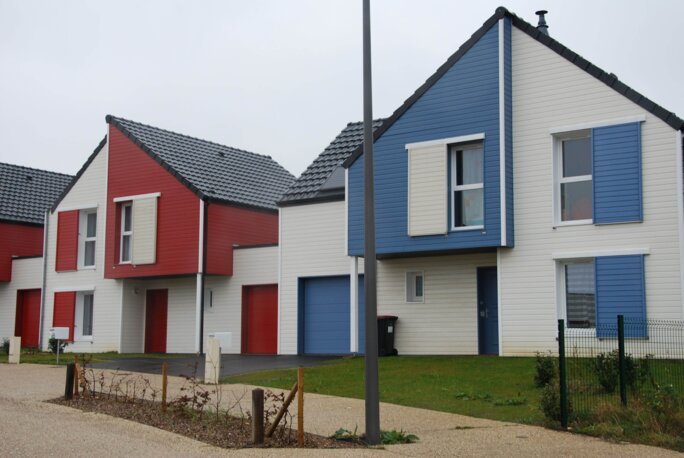
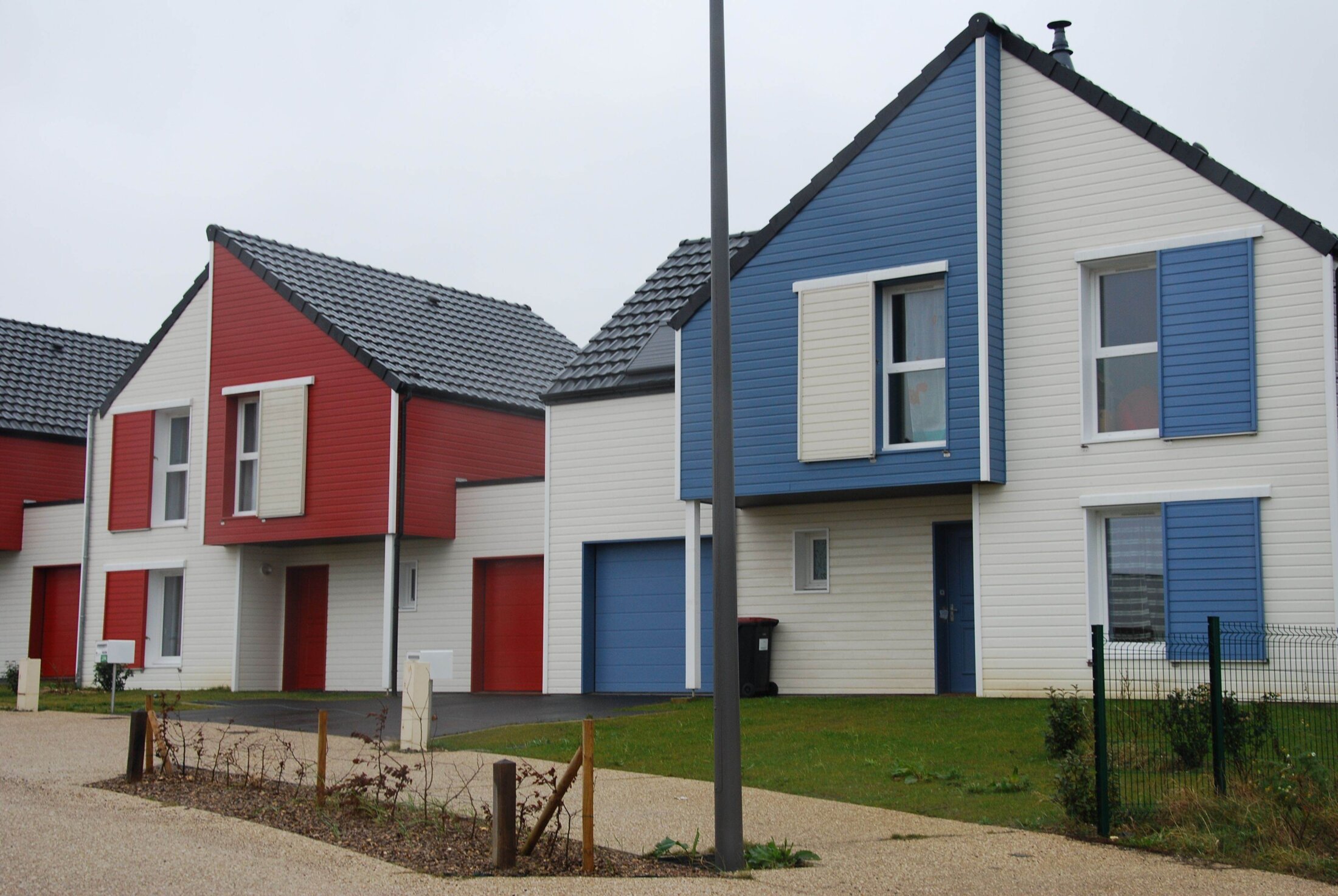
In 2009, six eco-designed homes were built to house families dependent upon the help of social services. But the organization managing the lodgings has met with difficulties in filling them because of their design characteristics: for example, the huge windows are too big for curtains, and cannot be opened, while the walls cannot be drilled or nailed so as to preserve the thermal isolation.
Enlargement : Illustration 6
Meanwhile, economic decline and unemployment in the region has stolen the future of whole families. There is a strong chance that during the forthcoming municipal elections the despair of many will translate into significant absenteeism and gains for the far-right. Adam Prominski, Caron’s principle secretary, foresees the possibility that a third of the local wider urban council’s seats could go to the Front National, in which case “we’ll find ourselves faced with a real opposition.” The wider council, representing an agglomeration that includes the nearby towns of Lens and Lieven, has responsibility for key issues including economic development, and housing grants - as well as the Loos-en-Gohelle eco-pole.
Prominski, a geographer and urbanist by training, and who is due to step down from his post at the town hall, believes that Caron made the mistake of isolating himself by not developing alliances with other political figures in the surrounding towns. Caron was elected mayor in 2008 with 82% of the vote. But when he stood as a candidate in parliamentary elections he drew just 6.9% of the vote cast in the wider local constituency. “The springboard for significant change is not centred in Loos,” Prominski says. “A larger network of towns must be put in place.”
Caron, naturally, disagrees: “If we were in 1950, I’d say it’s not possible to spread [influence]. But we’re in a society of knowledge, we’re in an open system, not in the USSR. Loos-en-Gohelle is a stem cell. I share what happens here with thousands of deciders. Our experience spreads out. We create a balance of power.”
-------------------------
English version by Graham Tearse