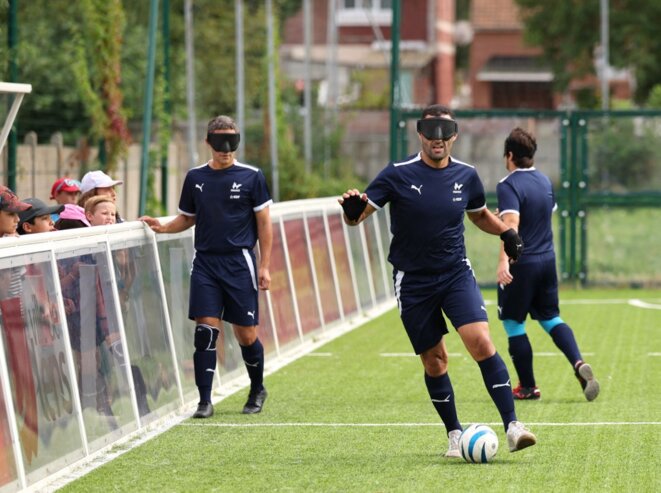
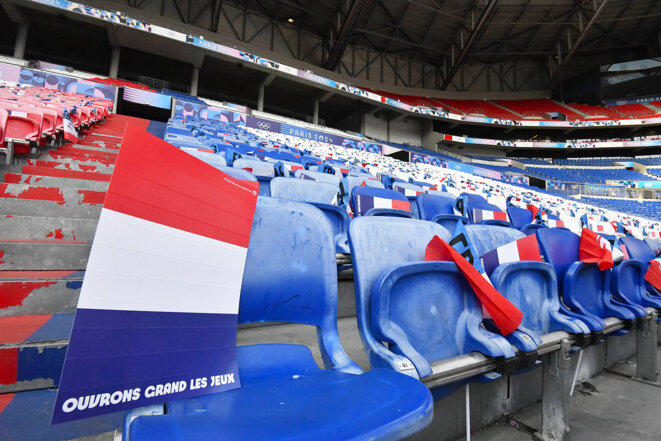
The Paralympic Games opened in Paris to great fanfare on Wednesday evening, ahead of ten days of a total 549 events in which more than 4,000 athletes will be competing. France is fielding a squad of 239 Paralympians, and while they are receiving better support than previously, many of the athletes are still being held back by a lack of resources. Cécile Hautefeuille and Faïza Zerouala report on the major disparities that remain for French Paralympians compared with able-bodied athletes.
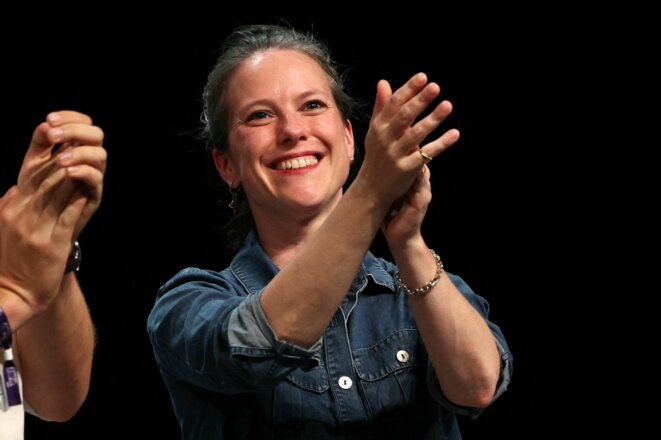
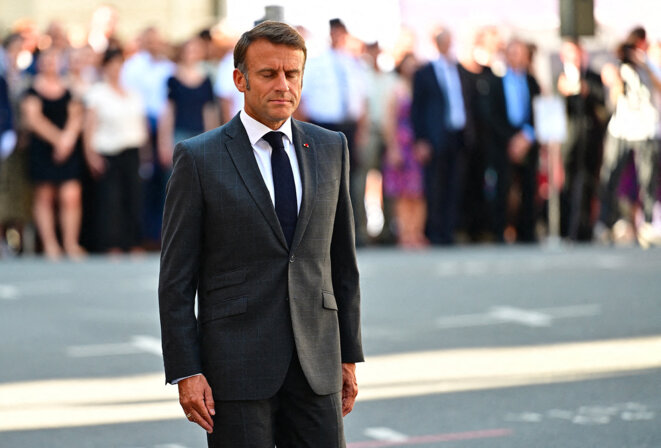
President Emmanuel Macron is due to announce the name of France's new prime minister in the coming days. So far he had declined to nominate a candidate from the leftwing Nouveau Front Populaire (NFP) alliance, which became the biggest group in the National Assembly after July's parliamentary elections, largely because it includes the radical-left La France Insoumise (LFI) party in its ranks. Now, in a bold political gambit, LFI boss Jean-Luc Mélenchon has opened the door to supporting a NFP government without his own party's members taking part as ministers. Meanwhile three of the four main parties in the Nouveau Front Populaire held their summer conferences at the weekend. While differences in form and substance were expressed, the battle to form a government and the looming threat of the far-right are encouraging them to maintain a common strategy. And they warned of a turbulent political autumn ahead if their hopes of forming a government with their proposed candidate, Lucie Castets, as prime minister are dashed. Mathieu Dejean, Fabien Escalona, Névil Gagnepain and Clément Le Foll report.
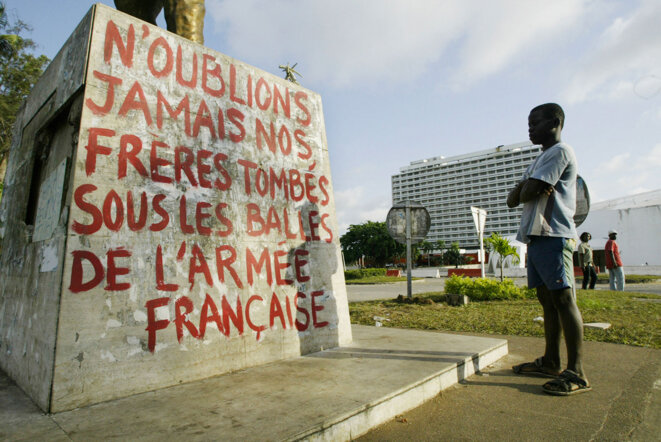
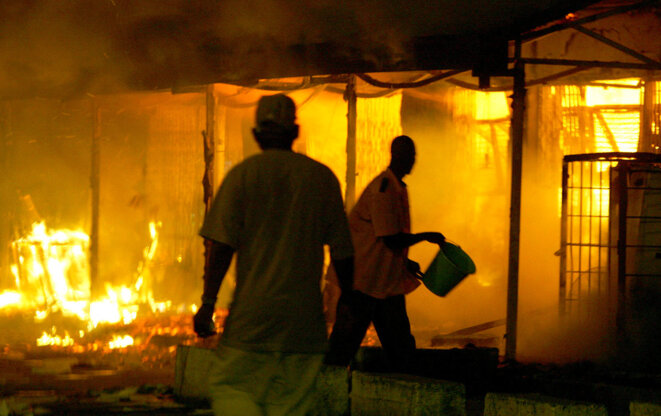
In November 2004 a bloody intervention by the French military in former colony Ivory Coast cost the lives of a number of citizens and left many more injured. Twenty years later, these casualties of the shootings have still not received compensation. Attacking what they call “crimes against humanity” the victims continue to call on the French authorities to acknowledge its responsibilities and pay damages. In this concluding article of a four-part series, Fanny Pigeaud reports on the aftermath of these grim events in Ivory Coast which, in addition to their human toll, damaged France's reputation across Africa.
Despite being cleared to work by an administrative investigation in February, a technician at Roissy-Charles-de-Gaulle airport near Paris had his security clearance revoked during the Olympics on security grounds. The Paris police authority cited alleged links to an Islamist “environment”. Following an urgent appeal, the administrative court at Montreuil in the capital's eastern suburbs has just issued an injunction suspending the ban. Clément Le Foll reports.
Obesity is a global issue and despite its reputation for high quality produce and cuisine France is no exception. The proportion of French people who are obese has risen from 8.5% to around 18% in under 30 years. But is obesity hereditary or is a person's social status the cause – or both? Studies show that children of obese individuals are at significant risk of becoming obese themselves. Genetics, social environment, and junk food habits: specialists are increasingly understanding a problem that now affects nearly 10 million people in France. Mediapart's health correspondent Rozenn Le Saint reports.
Two decades ago the French army repeatedly opened fire on civilians in France's former West African colony Ivory Coast. According to the authorities in the capital Abidjan this resulted in the death of 90 people; it was “around 20” according to Paris. Whatever the true figure, this type of event had not occurred since the colonial era. But was the episode an attempted coup d'état, or was it “merely” the result of catastrophic political and military mismanagement? In this report – part of a wider series on the events of November 2004 - Fanny Pigeaud examines how one of the most troubled and bloody chapters in contemporary Franco-Ivorian relations began.
Critics say the French president is continuing to behave as if his political camp had not been defeated in last month's parliamentary elections and is still refusing to appoint the Left's candidate, Lucie Castets, as the country's new prime minister. As Macron's supporters battle to remain centre stage of the political scene, members of the Nouvelle Front Populaire, the leftwing alliance which has the largest number of MPs in the National Assembly, attack what they see as a denial of democracy on the part of the French head of state. Youmni Kezzouf reports.
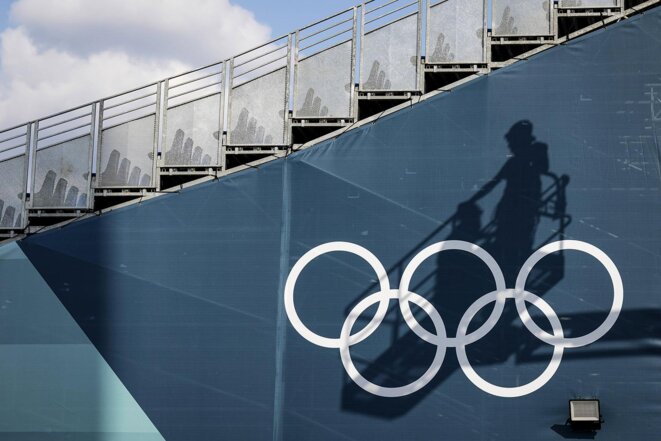
On Sunday evening the closing ceremony at the Stade de France brought the curtain down on the Paris Olympics, an event which has been widely praised both in France and abroad. President Emmanuel Macon claimed it showed the “true face of France”. However, in an interview with Mediapart, Sandrine Lemaire, the co-curator of a major Paris exhibition on Olympic history, places this “magical interlude” of the Paris Games in the context of the long history of the Olympiads, and against a backdrop of geopolitical conflicts, nationalism, and sporting achievements. Interview by François Bougon.
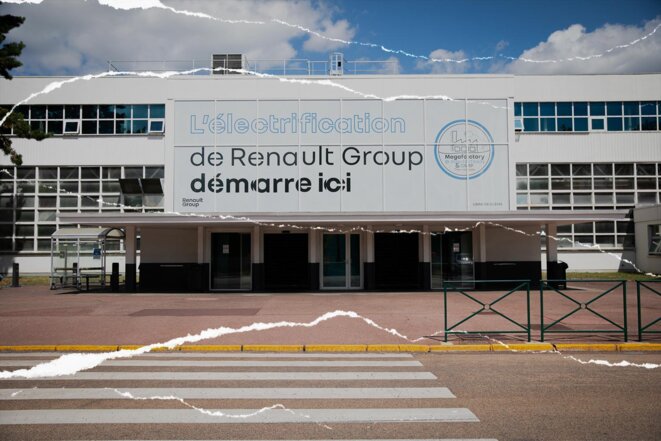
The Renault factory at Cléon in north-west France specialises in engines and engine components. However, it has been revealed that the engine for the upcoming electric Twingo car – a vehicle on which the giant manufacturer is pinning great hopes - is to be produced in China. Trade unions representing workers at the French factory are concerned that the recent decline in workforce numbers will become even worse as the group offshores ever more of its production. Manuel Sanson reports.
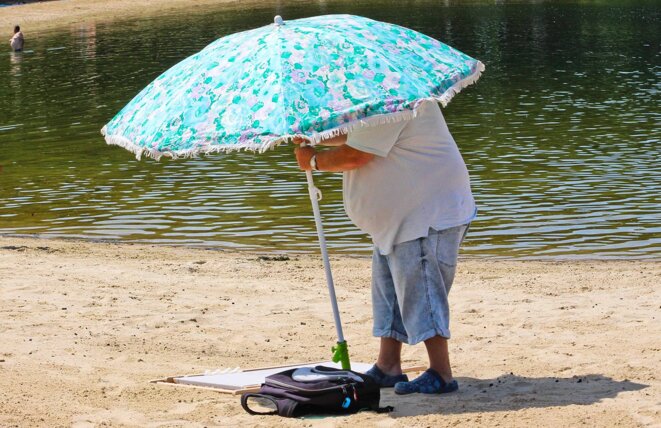
Across Europe, temperatures have been soaring over recent days, and in France large swathes of the country were placed on heatwave alert at the weekend ahead of peaks of 38°C in many parts. For the scientific community, the recurrent heatwaves affecting France are characteristic of intensifying climate change and, as Mickaël Correia and Manuel Magrez report, the daunting prospects are highlighted by the incapacity of counter measures to keep pace with the mounting meteorological havoc.