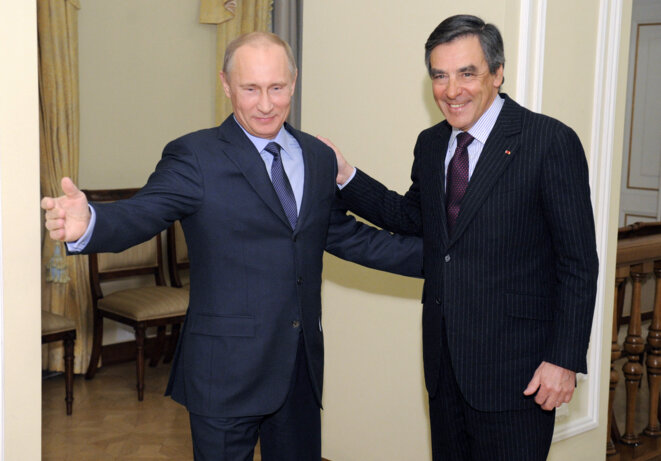
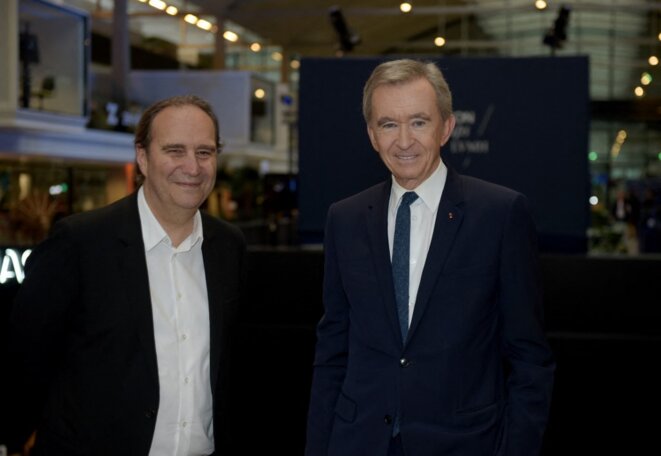
For years, Russia led a vast campaign to promote its standing and influence in western Europe, and particularly in France, where the Kremlin’s soft-power strategy had notably, and successfully, targeted political and business circles. In this interview with Mediapart, Marlène Laruelle, director of the Institute for European, Russian and Eurasian Studies at the George Washington University, details the history and reach of Russia’s drive to gain influence in France, and which was “destroyed in a matter of days, and for several years to come” following its invasion of Ukraine.
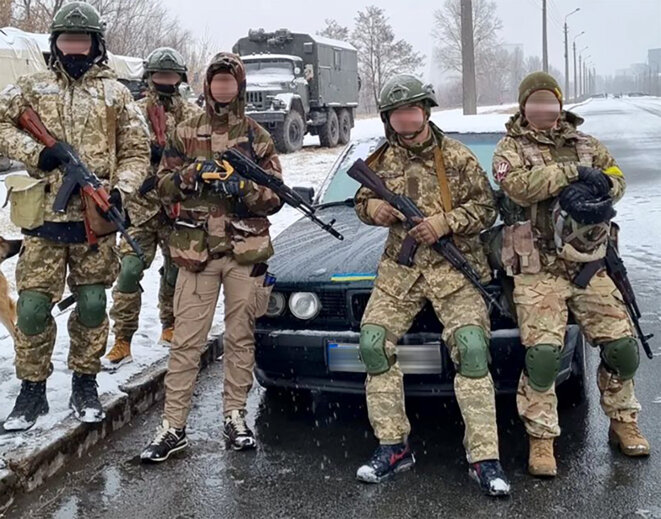
The Russian invasion has caused a stir inside the French Foreign Legion which has around 700 Ukrainians in its ranks. There have been media rumours of desertions by soldiers who want to go and fight in Ukraine, and the commanding officer has gone public with an appeal for troops to honour their oath to the Legion. Mediapart has meanwhile identified several former legionnaires who are already on the front line and has spoken to one there who claims there are 'a hundred' current and former legionnaire already in Ukraine. Sébastien Bourdon reports.
The invasion of Ukraine is now forcing the world to face up to the unprecedented threat posed by Russian imperialism. In this op-ed article, Mediapart’s publishing editor Edwy Plenel argues that what is needed is a surge of international solidarity to defend and help the Ukrainian people who are resisting that aggression.
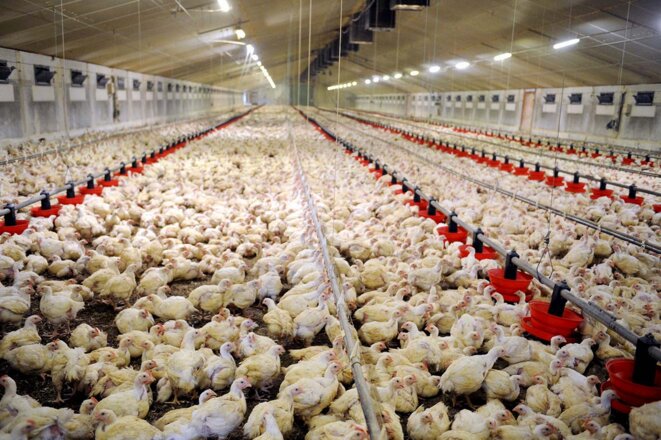
After it was taken over by Dutch group Plukon in 2017, French poultry giant Duc began a massive development of its industrial production of chickens. This involved halting its production of organic and certified chickens, a major extension of its slaughterhouse at its HQ in northern Burgundy, and the future construction of 80 giant broiler houses in the neighbouring countryside. The expansion, which mirrors industrial poultry production practices elsewhere in France and Europe, has raised concerns locally over its environmental impact, and in a number of villages opponents speak of a climate of intimidation. Amélie Poinssot reports.
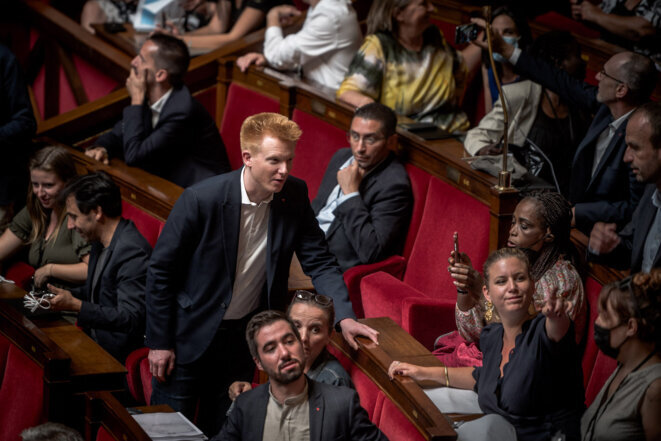
French MPs gathered earlier this week to debate a censure motion against the new government tabled by the NUPES leftwing coalition. The motion was defeated, but the rowdy parliamentary session soon centred on the “Uber Files” revelations of how Emmanuel Macron, when economy and finance minister, secretly championed the US company’s project to set up business in France. As Pauline Graulle reports, the Left are determined to hold the French president to account over what one MP called “a state scandal”, and are pushing for a parliamentary committee of inquiry into the affair.
According to a study by environmental campaign group Greenpeace and Oxfam France, France's 63 billionaires alone have a carbon footprint that is equivalent to that of half the French population. This enormous disparity between the climatic impact of the mega-rich and ordinary households shows that it is impossible to have ecological transition in society without also having social justice, reports Mickaël Correia.
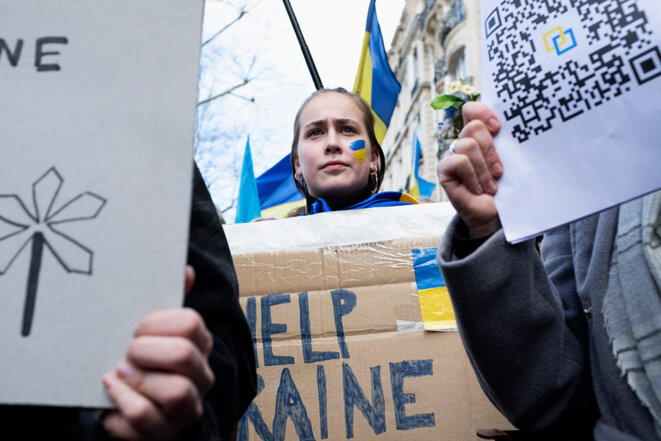
For the Ukrainian community in France the news of Russia's invasion of their country sparked fears for families back home and concern over the spectre of a European war, while also prompting a desire to show solidarity. Four young Ukrainian and Russian woman from Toulouse, a city in south-west France which is twinned with Kyiv, told Mediapart of their reaction to the dramatic and tragic events of Thursday February 24th. Emmanuel Riondé reports.
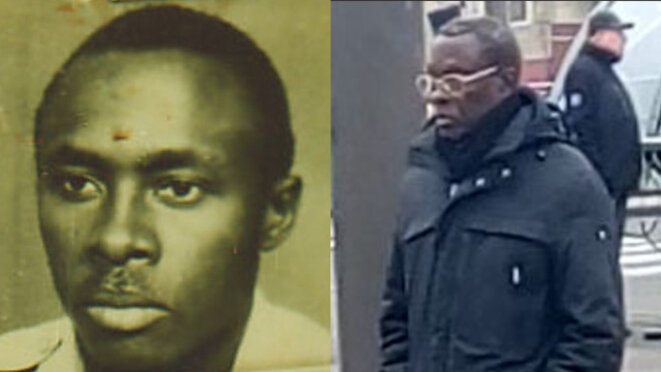
Aloys Ntiwiragabo, the former head of Rwanda’s military intelligence under the country’s extremist Hutu regime, accused of being a ringleader in the 1994 genocide that is estimated to have exterminated up to one million mostly Tutsi people in the African state, continues to reside in France despite a request by Rwanda for his extradition and the rejection of his asylum application. The case of Ntiwiragabo, suspected of “crimes against humanity”, is a further demonstration of the unofficial haven that perpetrators of the Rwandan genocide have found in France. Theo Englebert reports.
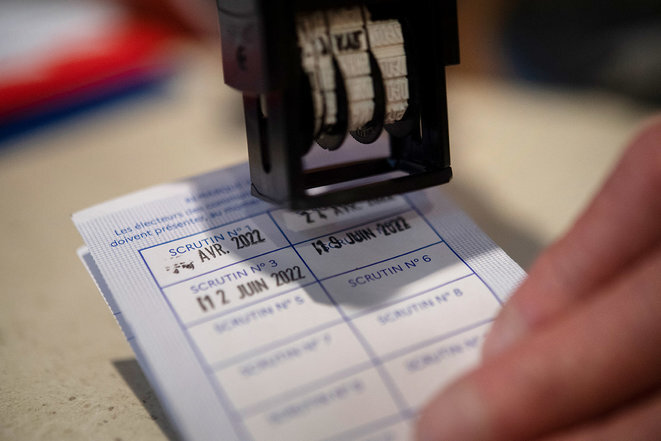
The outcome of France's legislative elections on Sunday shows the extent to which the country's political map has been redrawn in recent years. There are now three main blocs and groups of voters; Emmanuel Macron's centre-right, the Left and the far-right. But the composition of the new National Assembly, in which Macron's coalition has the single largest bloc of MPs but lacks an overall majority, raises as many questions as answers about the political future. Fabien Escalona assesses the uncertainties that lie ahead.
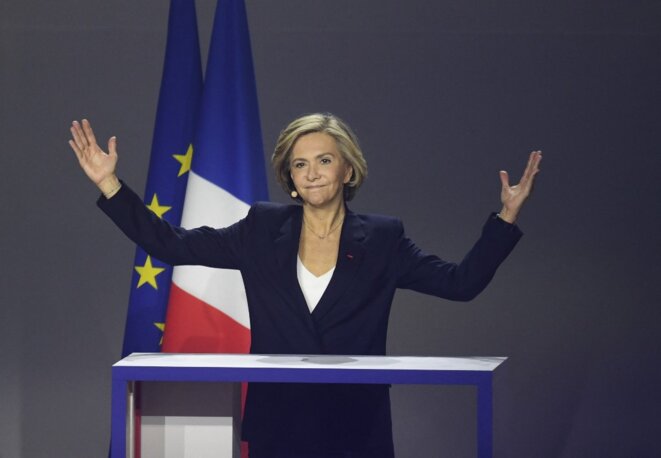
Valérie Pécresse, the presidential election candidate for the conservative Les Républicains party, on Sunday held what was billed as a key speech to re-boot her struggling campaign, dogged by defections, infighting, and the pull exerted on her electorate by the two far-right candidates with whom she lies neck-and-neck in opinion polls. Her speech, however, has only added to her woes, after it was slammed on Monday by party officials for borrowing far-right rhetoric, and dismissed by media commentators as a lacklustre performance. Ilyes Ramdani, who was at the meeting, reports.