


It is a dispute which is causing some turbulence in an institution which is not used to controversies and the settling of internal scores. The Alliance Française network, which has been a key player in promoting French culture and language abroad for more than 130 years, and which reports directly to the French Foreign Ministry, is going through the most acute crisis in its long history.
The attack came initially from network members in Latin America. In a letter dated June 10th, six presidents of Alliance organisations based in the region, including Mexico, Peru and Colombia, laid into the Paris-based Foundation which oversees the network, accusing it of wanting to “impose values and practices contrary to the movement's values in a unilateral and authoritarian way without prior consultation”. Some of the words used to describe the Paris Foundation are “amateurism” and “ineffectualness”. They signify a deeper underlying existential malaise which has surfaced in other internal emails. One of these, signed by the director-general of the Alliance in Buenos Aires, insisted that the Alliances had to remain just that, namely “free associations of free men”, in line with the philosophy behind their creation in July 1883.
Enlargement : Illustration 1
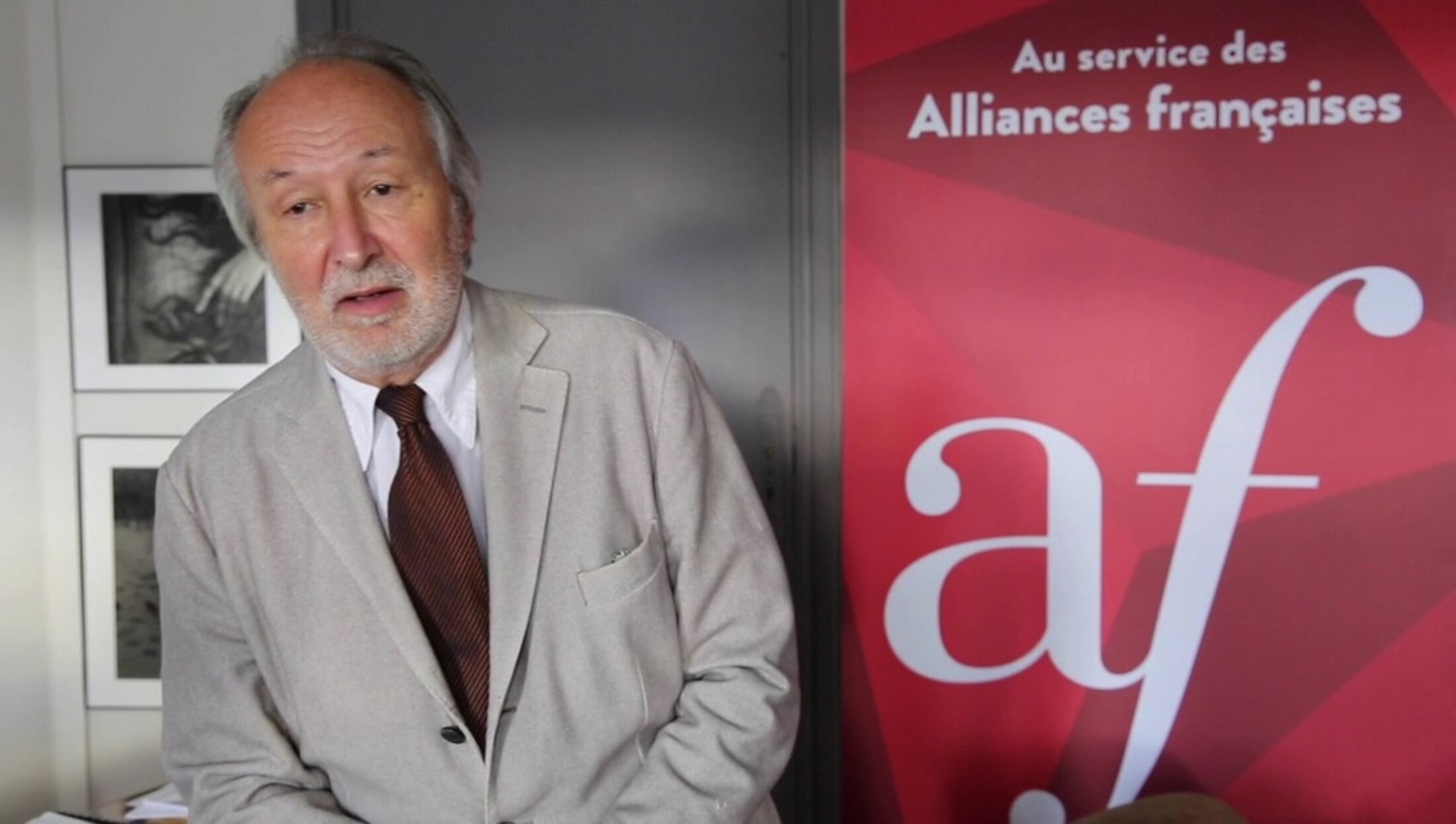
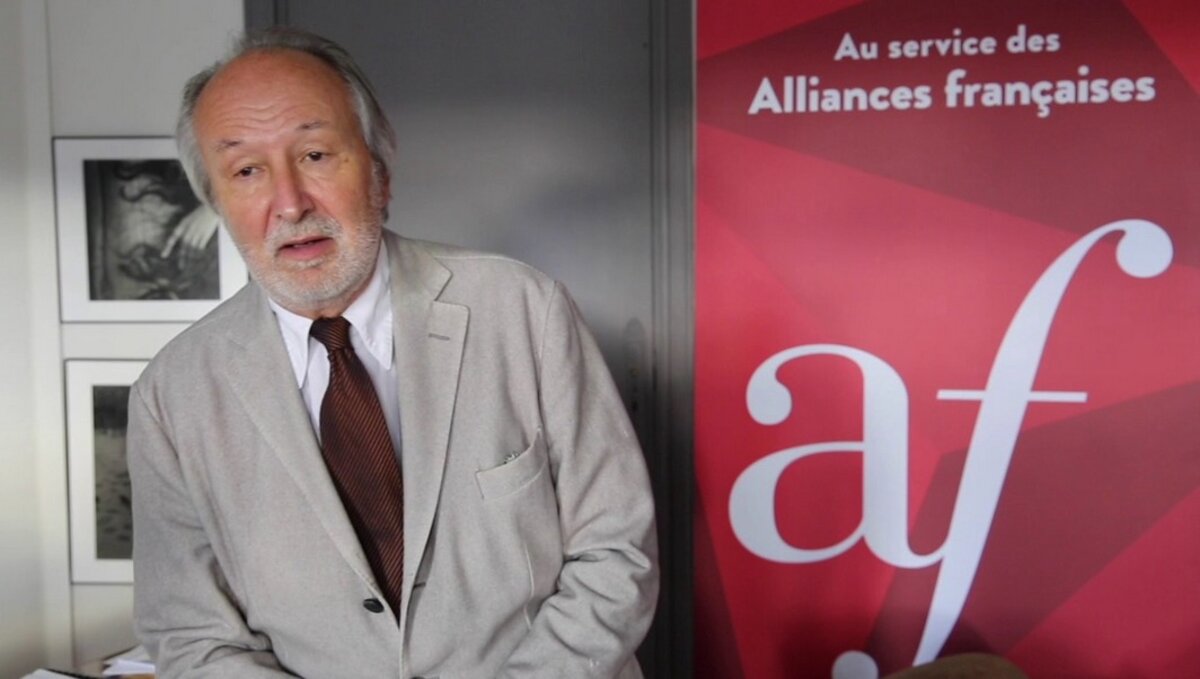
The current rebellion targets management at the Alliance Française Foundation in Paris and in particular its president Jérôme Clément who is behind a reform programme called 'Alliance 2020'. (See him interviewed here in French in November 2016.) “Things have to move on, we're no longer in the 19th century,” he says. “There are always some awkward customers, some people who are against, but six presidents out of eight hundred, that's not a huge number even so,” he said.
One of the proposed reforms that has caused particular controversy is the plan to ask for a financial contribution from the Alliance branches overseas to help fund the foundation in Paris. “All that they're interested in is how to pay the wages in Paris and that's not frankly the priority issue,” says Marie-Monique Steckel, presidential of the powerful Alliance Française branch in New York. “There's a lack of financial transparency in the Paris foundation which doesn't inspire confidence, you can't asked for a contribution without having transparency,” she says.
Jérôme Clément accepts that the issue is more complex than they had foreseen. A working group has now been set up whose next meeting is in January 2018 and he says the financial contribution will “perhaps” only come into force in 2019. But he says there is no question of abandoning the plan, and says this financial measure will lead to a better coordination of the network thanks to the creation of a digital platform plus common websites.
“I perhaps didn't understand the complexity of this network straight away, you have to find the right balance between the desire to move forward quickly and the need to slow down when it's necessary,” admits Jérôme Clément, who was previously president of the cultural television station France Arte. According to his critics, however, the former TV man has not adapted to his new environment. “He came from the world of television and he was used to working with many more resources than at a language association,” says a former executive at the foundation. A member of the old management team says: “He arrived in 2014 with the desire to do something new – something new for him.” In fact, Clément carried out a major reshuffle of the management team in the space of a year, believing that the former team “wasn't fit for purpose at all” and that the clearing out “should have been done a long time ago”.
But his words and methods have shocked critics. There is now mounting criticism against the renovation work being carried out at the Paris headquarters, the management offices and at the theatre that the foundation runs. “They were disgusting,” says Jérôme Clément about the old buildings. “The fire safety regulations weren't even respected, so while the work was being done I thought it was the time to modernise the premises.”
“Today the foundation is expensive but serves no purpose,” says Jean-Jacques Augier, president of the Alliance Française for Paris and the Paris region and Clément's fiercest opponent. The two now only communicate via lawyers against a backdrop of legal disputes over finances and property. “The foundation is a parasite that lives off its heritage and which spends when there is absolutely no interest in it for the network,” says Augier.
In his view even the idea of asking for a contribution from the Alliance Française networks around the world is indefensible. “It's the absolute limit!” says Augier. “The non-productive are accusing the productive of not paying them enough.” As for the foundation's role, Jean-Jacques Augier says: “It would have been better if it hadn't existed.”
When she is asked about the purpose of the Paris-based foundation, Marie-Monique Steckel gives an embarrassed smile. “I don't know,” she says. “What is certain is that Jérôme Clément has a very good network, a very good strike force, but to do what?” she asks. The New York president says she would be ready to contribute financially “if there was a business plan. But there isn't”. There is, she insists, no plan of any sort that allows the Alliance networks to know what it is the foundation intends to do with the money it wants from them.
Jérôme Clément says he is committed to continuing and increased dialogue. “We've never done enough of this in this area,” he says. But he insists that they can't afford to “stand still” and suggests his political contacts will come to his help. “The new government supports me completely, I don't have any concerns about that,” Clément says. The former Arte boss had won the support of the then foreign minister Laurent Fabius to become president of the Alliance Française back in 2014. Clément also has contacts on the Right, having brought former prime minister and current mayor of Bordeaux Alain Juppé onto the governing board.
On the Left, however, things are a little more difficult for the Alliance Française boss. Paris deputy mayor Bruno Julliard, who is in charge of cultural issues at City Hall, has bad memories of Clément whom he met when the latter was president of the board of directors at the Châtelet Theatre in Paris. It was clear the two men did not see eye to eye and at the time Julliard suggested that there had been a breakdown in “trust” between the pair. Today Julliard says of Clément: “He has endless self-esteem, he can even come across as quite scornful.”
Can Jérôme Clément survive now that he has come under fire as the head of the Alliance Française? Or will his head roll too, as part of the process of what Clément's old ally Laurent Fabius has described as a “coconut shy”, referring to the way so many veteran politicians and public figures were toppled as Emmanuel Macron swept to the Elysée? His opponents certainly hope so. “If I'm beaten I'll do something else,” says Clément, 72, who describes himself as “tenacious” and as a “volunteer” with no personal ambitions, who is convinced that his resolution and his reforms will bear fruit in the end. “They need to be better understood,” he says of his plans, claiming that for the time being he has the support of both his board and the Foreign Ministry.
-----------------------------------------------------------------------------
- The French version of this article can be found here.
English version by Michael Streeter