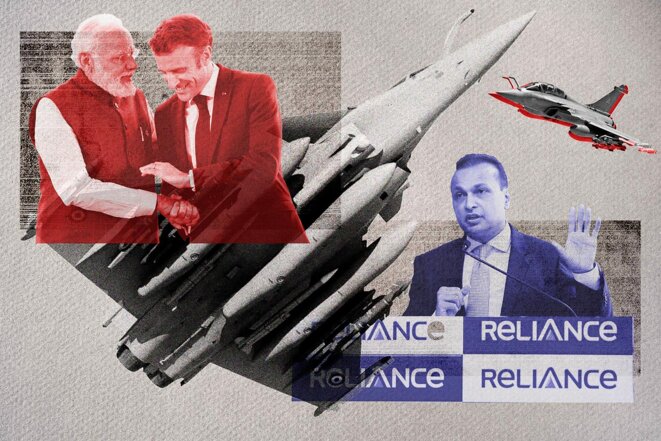
France’s 7.8-billion-euro sale to India in 2016 of 36 Dassault-built Rafale fighter jets, the subject of an ongoing French judicial investigation, is mired by suspected corruption involving politicians and industrialists. As Indian Prime Minister Narendra Modi, who signed the deal, prepares to attend France’s Bastille Day celebrations as guest of honour, documents obtained by Mediapart reveal how Modi’s billionaire friend, Anil Ambani, boss of the Indian conglomerate Reliance Group, which was handed a lucrative contract as a condition of the Rafale sale, directly solicited the intervention of then economy minister Emmanuel Macron and finance minister Michel Sapin in a bid to escape a 151-million-euro tax claim against his French subsidiary. The tax adjustment was finally cut down to 6.6 million euros. Yann Philippin reports.
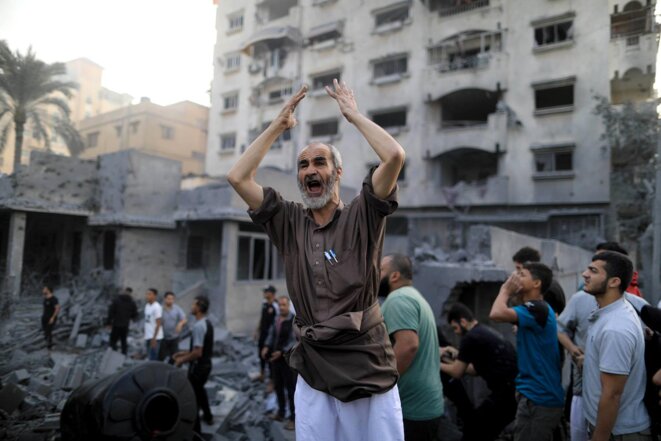
The Israeli-Palestinian conflict presents a moral issue of universal importance, that of the equality of rights, says Mediapart publishing editor Edwy Plenel in this op-ed article. In parallel to Israel’s international legitimacy is a denial of the rights of Palestinians. Alarmed spectators, we discover the horror of the Hamas terrorist attack and the killing of Israeli civilians, and follow the slaughter, under the bombs of the Israeli military, of Palestinian civilians in Gaza. All these human lives have the same value, the same cost, he writes, and we cannot accept this escalade of terror in which the crimes of one camp supposedly justify the crimes of another.
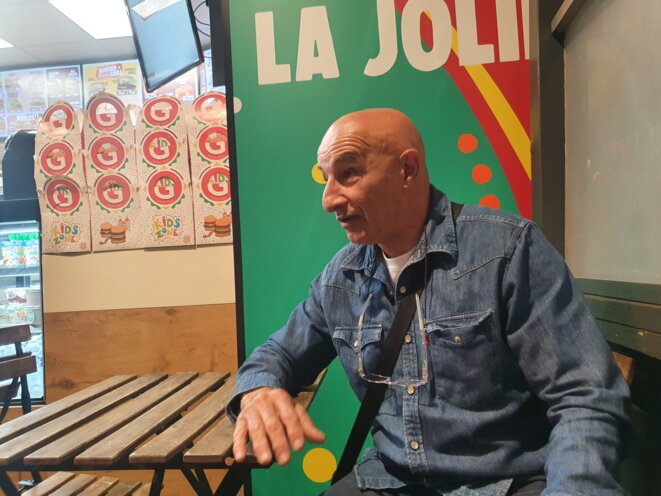
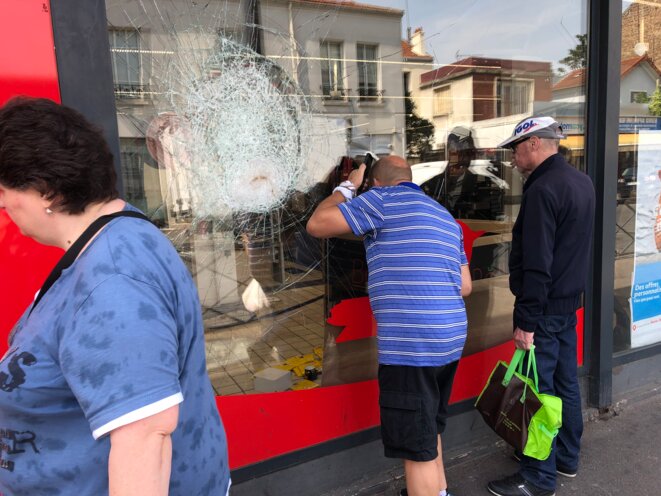
In the town of Mantes-la-Jolie, north-west of Paris, public buildings and shops have been burnt or burgled in the unrest that has followed the death last week of 17-year-old Nahel at Nanterre. Mediapart visited the worst-affected neighbourhood there, the vast high-rise housing estate of Le Val Fourré, and found that local residents both condemned and understood the actions of local youths. For all of them have their own stories about a lack of civility and of violence by the police over recent decades, often based on close personal experience. Caroline Coq-Chodorge and Célia Mebroukine report from the town.
The unrest that has broken out after the fatal shooting of 17-year-old Nahel by a police officer is affecting many towns and cities across France. Mediapart visited the town of Montreuil in the eastern suburbs of Paris to speak to local people about the impact of those violent disturbances. Dozens of shops and businesses have been looted there, especially in the town centre. The events have drawn mixed reactions from local residents in a left-leaning town known for its multicultural mix. Mathilde Goanec reports.
The angry reaction in many disadvantaged districts of France after the shooting of 17-year-old Nahel has once again put police violence back on the political agenda. Lacking any viable response to the unrest, however, the government is simply switching between showing compassion for the teenager and his family, and displaying toughness in the face of disorder. Ilyes Ramdani examines the French government's reaction to the shooting and its aftermath.
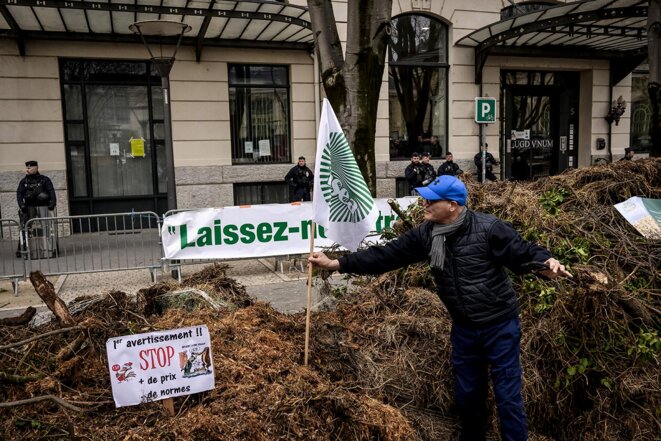
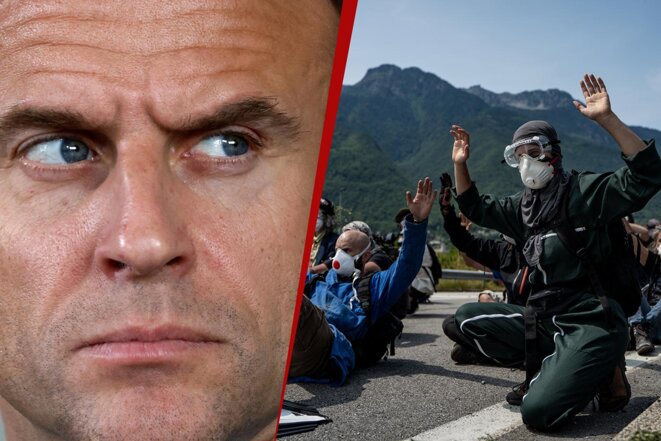
Last week the French government dissolved the environmental protest group Les Soulèvements de la Terre (SLT), which had been prominent in demonstrations against the construction of large irrigation reservoirs in the west of the country. The main farming union, the FNSEA, had been one of the loudest voices calling for this environmental group to be shut down. Now the same powerful farmers' lobby group is pointing the finger at a rival farming union, the Confédération Paysanne, which it says has taken part in SLT protests. Karl Laske looks at the role of the FNSEA and its own history of disruptive actions.
One of France’s oldest existing French press titles, the satirical and investigative weekly Le Canard enchaîné built a reputation as a fearless, irreverent and anti-establishment journal which has recurrently shaken the country’s political class. But it has now turned to the government to validate the disputed dismissal of one of its investigative journalists, following his revelations of a scandal within the weekly itself. Fabrice Arfi, Yunnes Abzouz and Karl Laske report.
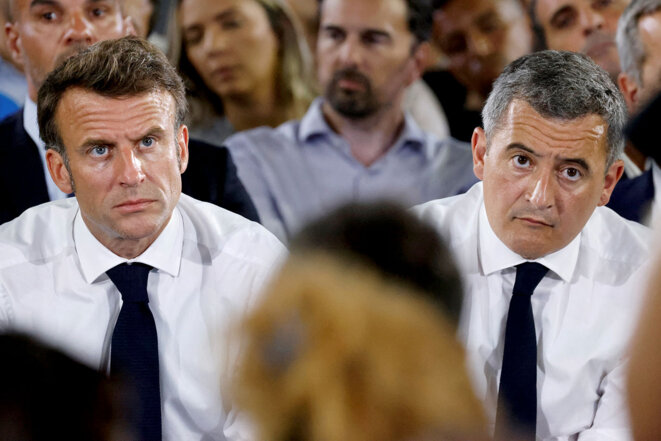
Having imposed his pension reform against the French people's wishes, France's president is now in the throes of an authoritarian dash to pursue policies that favour owners of capital. As a result, argues Romaric Godin in this op-ed article, from now on what the president wants is what the country gets – whether it likes it or not.
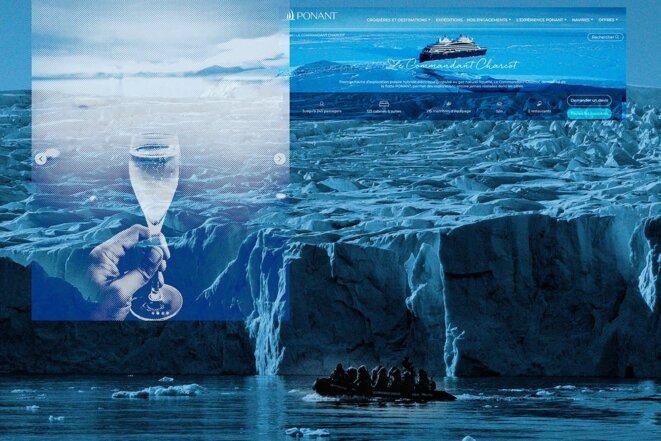
French luxury cruise ship firm Compagnie du Ponant, owned by billionaire François Pinault, operates five-star voyages to Antarctica, notably on its state-of-the-art, ice-breaking liner, Le Commandant Charcot. The cruises are advertised as environmentally responsible, with onboard conferences by naturalists to educate the passengers on the habitat of the Earth’s last virgin continent. In fact, the boats, registered in a French tax-friendly overseas territory, are highly polluting, and the increasingly popular tourist traffic to the Antarctic region is contributing to the alarming rate of melting of its ice sheet. Mickaël Correia reports.
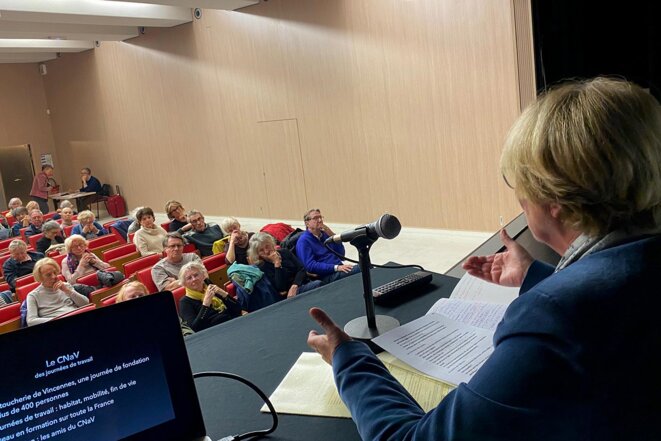
The French government is preparing draft legislation to give the medical profession greater legal powers to help with a patient’s will to die, with the possible introduction of assisted suicide which, like euthanasia, is currently prohibited in France. But the reform faces many obstacles, notably opposition from some sectors of the medical profession and religious leaders. The issue is of prime concern for an association campaigning for the rights of the elderly, the CNaV, whose mostly women members include current and former healthcare professionals. In this report by Sarah Boucault, they voice their different views, including how obtaining the right to die echoes their previous combat for access to abortion.