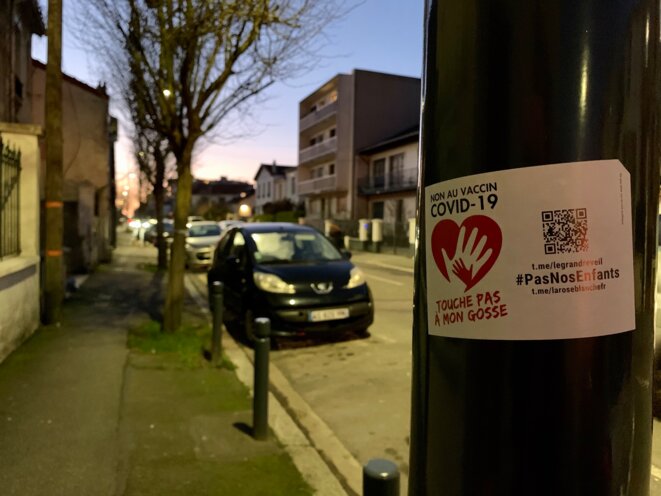
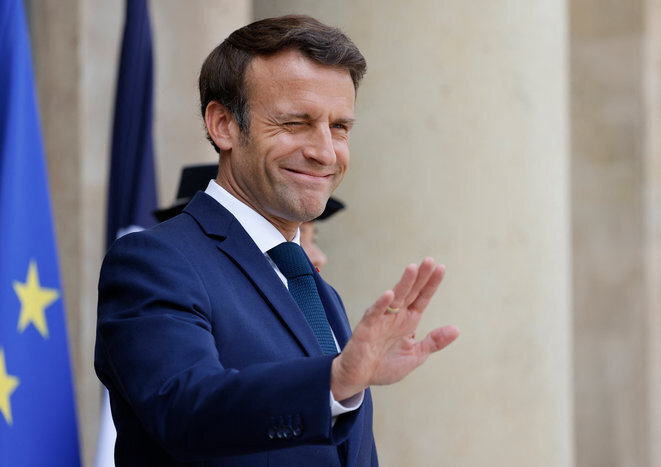
Less than a week ago President Emmanuel Macron caused controversy when he said he wanted to “piss off” the unvaccinated in France, whom he described as “irresponsible” and “no longer citizens” in his eyes. As Mediapart has found out, these comments shocked people who have not – yet – made the decision to get vaccinated against Covid. Divided between those who have doubts about the vaccine, others who are afraid, or some who simply feel that it is their duty to defend public liberties, the unvaccinated say they feel misunderstood and are unhappy about being stigmatised. Nejma Brahim reports.
In an interview with daily newspaper Le Parisien French president Emmanuel Macron cheerfully admitted that he wanted to “piss off” those who had chosen not to get vaccinated against Covid-19 as much as possible. The comment has made headlines around the world. But less remarked upon was his extraordinary description of anyone unvaccinated as an “irresponsible person who is no longer a citizen”. In saying this, says Mediapart's political correspondent Ellen Salvi, the head of state – the guarantor of law in the French Republic – has committed a moral, institutional and political error. In this op-ed article she argues that Emmanuel Macron is adding hysteria to the debate, dividing society and giving fresh impetus to the very people he is claiming to be combating.
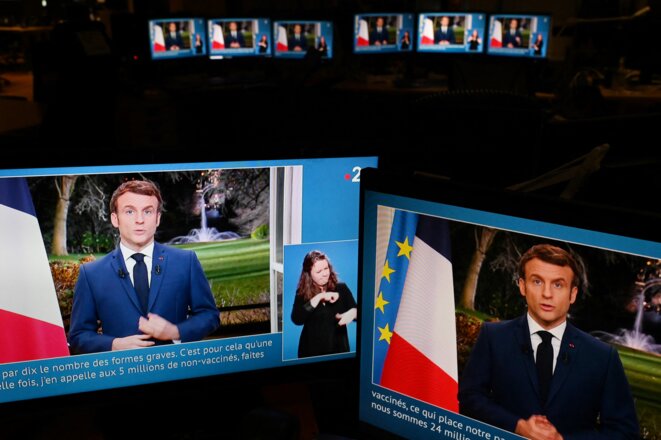
On Friday evening Emmanuel Macron delivered the final New Year's presidential broadcast to the nation of his five-year term of office. Ahead of April's presidential elections – for which Macron has yet to officially declare himself as a candidate – the incumbent gave a rapid overview of what he sees as his achievements in office. Despite the Covid pandemic, President Macron sought to describe a political landscape that embraced both “optimism” and “tolerance” - an assessment, says Ellen Salvi, that stands in stark contrast to the reality of his presidency. Political opponents immediately accused the president of being “out of touch”.
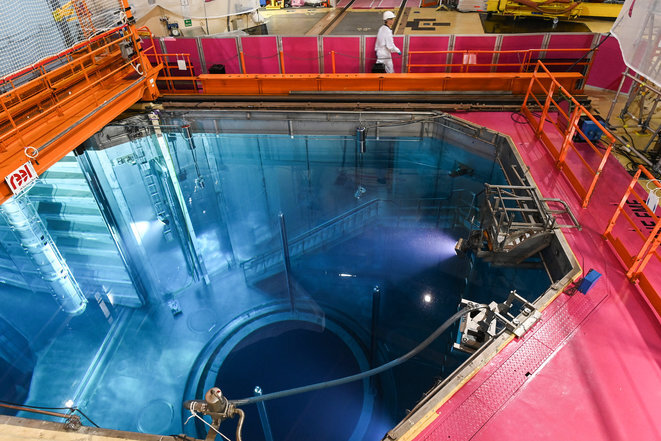
A massive leak of tritium, a radioactive isotope of hydrogen, occurred earlier this month at the Tricastin nuclear power plant, one of the oldest in France, when subsequent radiation levels recorded in groundwater below it reached 28,900 becquerels per litre. Both the plant’s operator, EDF, and the French nuclear safety watchdog, the ASN, insist that the spill has been contained. But, as Jade Lindgaard reports, despite that claim it appears inevitable that that the radioactive effluent will pollute the local environment.
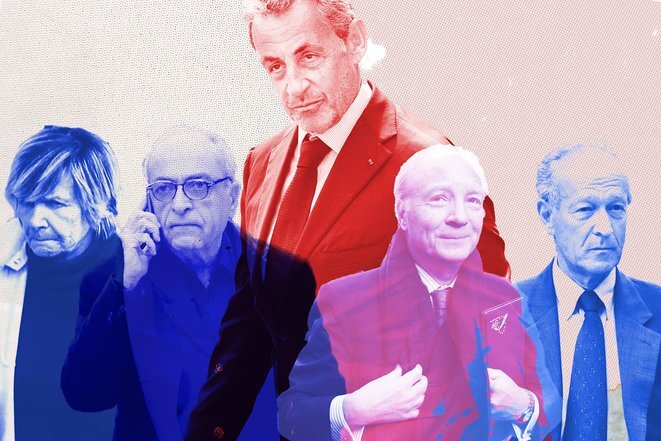
An ongoing French judicial investigation into “witness tampering” centres on a secret operation in late 2020 to successfully convince a key witness in the probe into suspected Libyan funding of Nicola Sarkozy’s 2007 presidential election campaign, business intermediary Ziad Takieddine, to publicly retract his statements detailing the illicit funding. Mediapart has gained access to emerging evidence in the witness tampering case, and which throws further light on the links between members of the disparate group behind the operation and the former president’s entourage. Karl Laske and Fabrice Arfi report.
The nine-month trial in Paris of 20 individuals accused of variously perpetrating or assisting the November 13th 2015 terrorist attacks by the so-called Islamic State group in the French capital, in which 130 people died and more than 400 were wounded, opened in September. Throughout the trial, Mediapart is publishing the first-hand reactions of seven victims, who either survived the attacks or who lost loved ones, as the hearings unfold. Here, Georges Salines, whose daughter died in the shooting massacre of 90 people at the Bataclan music hall, and Christophe Naudin, who lost a close friend in the same attack which he himself survived, give their views of what emerged from the cross-examination this month of the families of the gunmen.
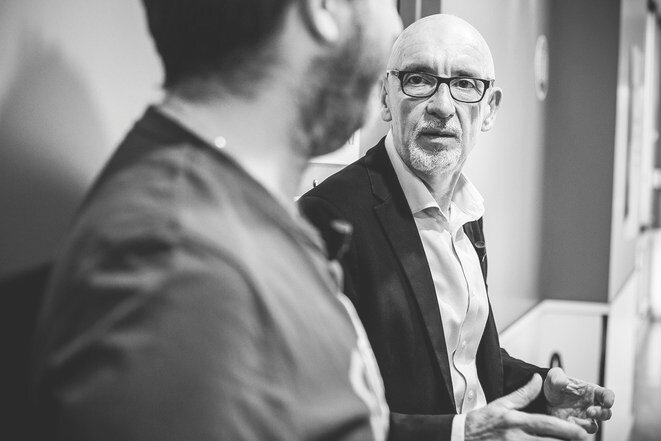
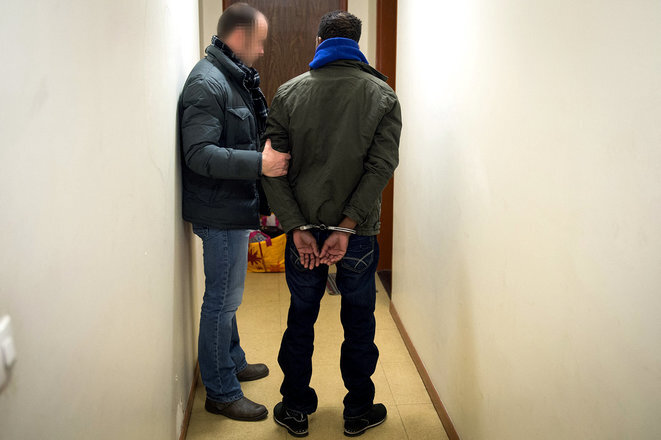
On November 24th, at least 27 people died when their inflatable dinghy sank in the Channel as they attempted a clandestine crossing to the UK from France. Behind the crossings are highly organised criminal gangs which make vast profits from the migrant trafficking, even ordering container loads of small boats from China. They are the target of a dedicated French police agency called the OCRIEST, which is investigating last month’s tragedy. In this interview with Mediapart, its director, Xavier Delrieu, details how the gangs operate and the methods employed to dismantle them.
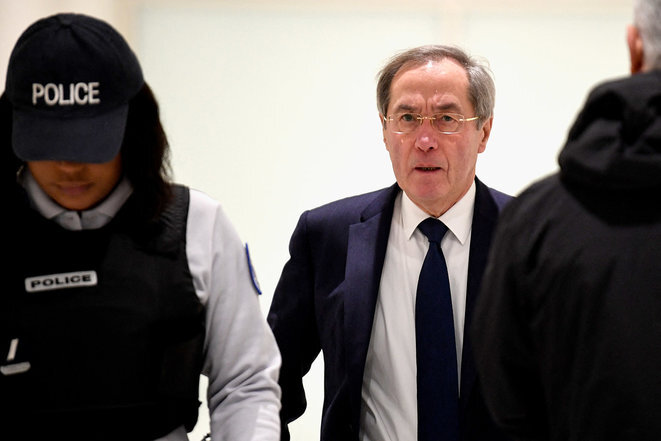
Claude Guéant, once Nicolas Sarkozy’s right-hand man, a former French police chief who remained faithful throughout the scandals that have since engulfed the former French president, was on Monday jailed in the Santé prison in Paris. Fabrice Arfi and Michel Deléan report on the fall of a man nicknamed ‘The Cardinal’, whose loyalty was rewarded with posts that elevated him to secretary general of the presidential office, the Élysée Palace, and subsequently as Sarkozy’s hardline law-and-order interior minister, who is implicated in numerous corruption scandals and who, in the eyes of investigating magistrates, has yet to tell the full truth of what he knows about his former boss.
As far as his party and some commentators are concerned, Emmanuel Macron sent a “signal to the Left” this week by appointing Élisabeth Borne as France's new prime minister. It is a sleight of hand that would be laughable if it did not also highlight how the head of state is continuing his attempts to deconstruct the French political arena, argues Mediapart political reporter Ellen Salvi in this opinion article.
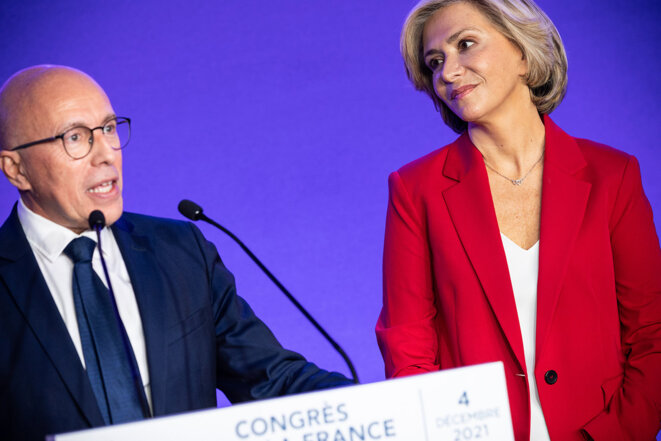
Valérie Pécresse's victory in becoming the presidential candidate for the right-wing Les Républicains for the 2022 election has been greeted with an opinion poll suggesting she can defeat incumbent President Emmanuel Macron. However, the president of the Paris region is faced with a political quandary: how does she retain support from those who backed her nearest challenger for the candidacy, right-winger Éric Ciotti, who are attracted by the far right, without repelling the “moderate” right-wing voters who currently support Macron? As Ilyes Ramdani reports, it is the first key strategic challenge of her campaign - and perhaps the most crucial one.