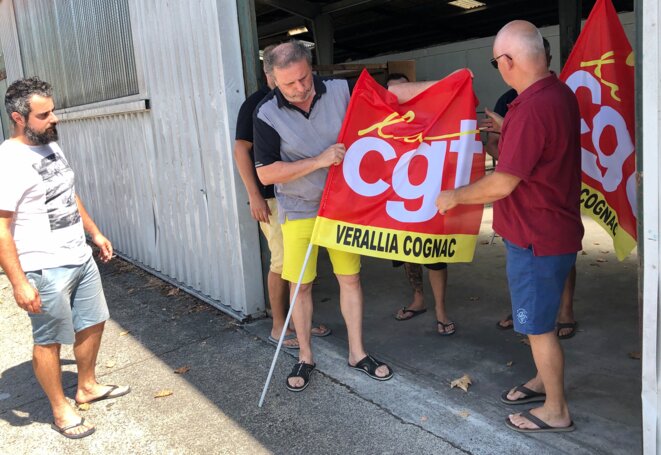
The global glass packaging firm Verallia produces two-thirds of new wine bottles in France and despite the impact of the Covid-19 pandemic it recently announced pre-tax earnings of 299 million euros for the first half of the year and paid out 100 million euros in dividends, most in the form of shares. Yet the company, which is owned by a New York-based private equity firm, has also announced a restructuring plan in France which will see the closure of one of its furnaces and the loss of more than a hundred jobs. Manuel Jardinaud reports on the mood of the company's workers in Cognac in south-west France as they fight to save their jobs.
As France sizzles this weekend under an extreme heatwave, data shows that July this year saw the lowest rainfall in the country since that of 1959, and the scorched land is witnessing a severe drought that is now threatening the future of many farmers. In face of what has become a recurrent problem over recent years, some agronomists are calling for urgent and radical changes to conventional agricultural practices. Amélie Poinssot reports.
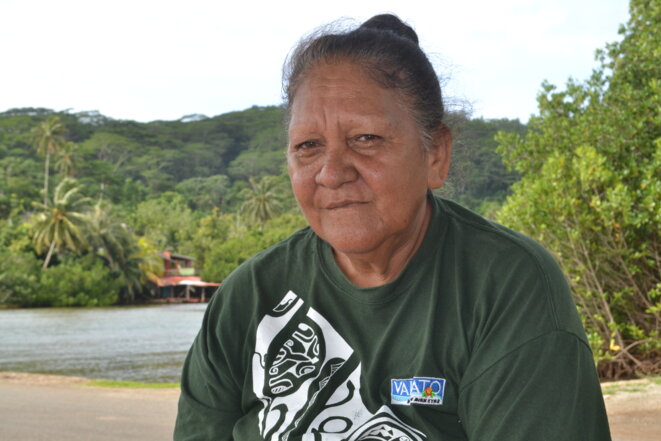
Over a period of three decades beginning in 1966, France detonated 193 nuclear bombs in atmospheric and undergound tests in its overseas territory of French Polynesia in the South Pacific. The vast fallout from the explosions caused tens of thousands of cancers among the local population according to victims’ associations, although the true, and possibly much larger, toll remains unknown. Meanwhile, the French and local authorities continue to dismiss evidence of the transmission of illnesses to the children of those directly exposed to the nuclear tests. Julien Sartre reports from French Polynesia.
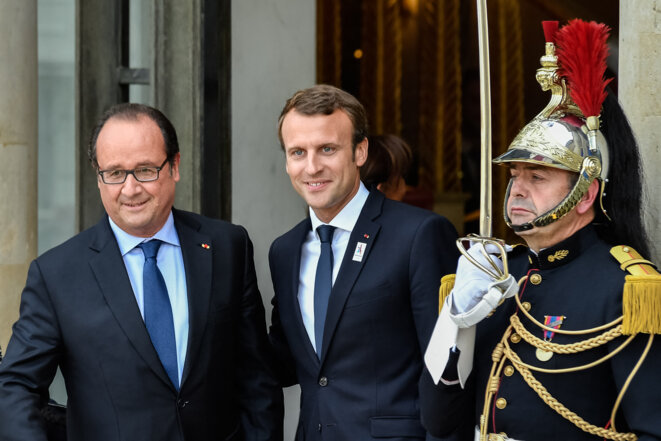
In this second of a three-part series of investigations into the controversial sale by France to India of 36 Rafale fighter aircraft, Mediapart details how the then head of the French public prosecution services’ financial crimes branch, Éliane Houlette, shelved investigations into evidence of corruption behind the deal, despite the contrary opinion of her colleagues. France’s current president, Emmanuel Macron, and his predecessor, François Hollande, are cited in the allegations levelled in the case. Houlette has since justified her decision as preserving “the interests of France, the workings of institutions”. Yann Philippin reports.