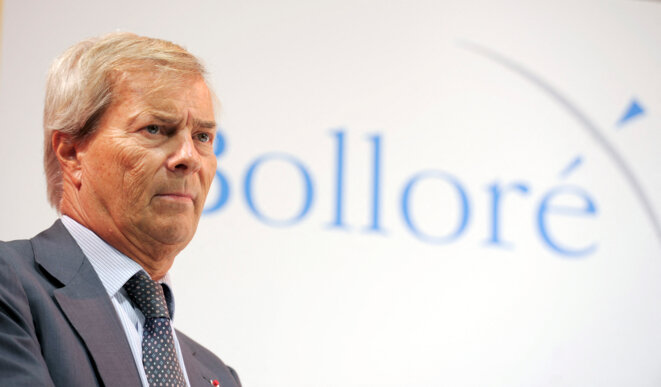
The businessman had negotiated a deal with the French financial prosecution unit, the Parquet National Financier, under the terms of which he would have only received a fine of 375,000 euros over a corruption case in West Africa. But on Friday February 26th a court in Paris rejected the plea bargain agreement, ruling that it was too favourable to Vincent Bolloré, whose group has a string of economic interests in African countries. Fabrice Arfi and Yann Philippin report.
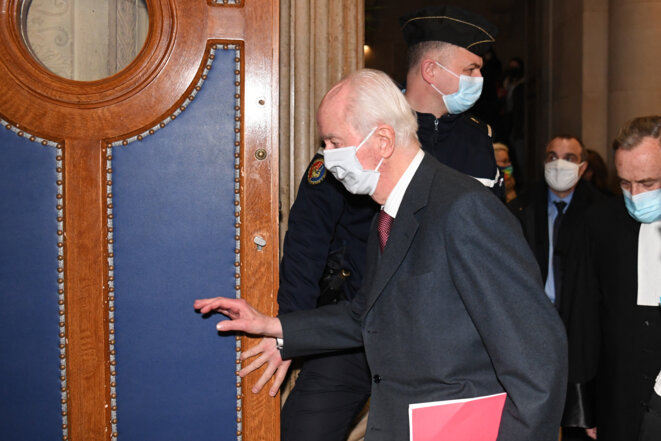
On Thursday March 4th 2021 the Cour de Justice de la République (CJR) – which tries cases of alleged ministerial misconduct – cleared former French prime minister Édouard Balladur of any wrongdoing in the long-running Karachi affair. At the same time it found Balladur's former defence minister François Léotard guilty of complicity in the misuse of assets and handed him a two-year suspended prison sentence. The verdicts were much more lenient than those for ministerial aides in the earlier criminal trial involving the same affair. Karl Laske wonders how long the hybrid CJR court, most of whose 'judges' are politicians, can survive.
Michèle 'Mimi' Marchand, a powerful figure in the French gossip press and an influential PR fixer to politicians, has already been placed under investigation over the retraction of evidence by businessman Ziad Takieddine, a key witness in the probe into Libyan funding of Nicolas Sarkozy's 2007 election campaign. Now Marchand, 74, the boss of paparazzi agency Bestimage, has been placed under investigation in relation to a second case, involving allegations of police leaks. It concerns the publication of photos of the arrest of a man over a sex tape affair that ended the hopes of former government spokesperson Benjamin Griveaux of becoming mayor of Paris for Emmanuel Macron's party. Marchand, who denies any wrongdoing, is also being investigated for alleged “extortion” against well-known French television presenter Karine Le Marchand. Fabrice Arfi and Antton Rouget report.
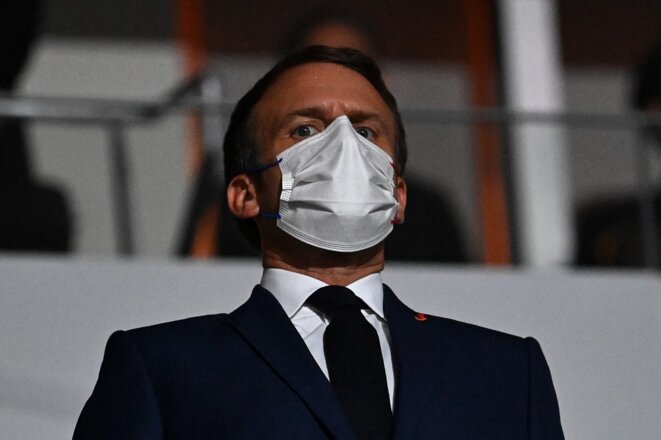
The scale of protests across France this summer against the policies being deployed to tackle the Covid-19 pandemic is the price being paid by the head of state for his authoritarian, lying and irresponsible presidency, says Mediapart’s publishing editor Edwy Plenel in this op-ed article. Never, he argues, has the issue of democracy been so relevant - and so urgent.
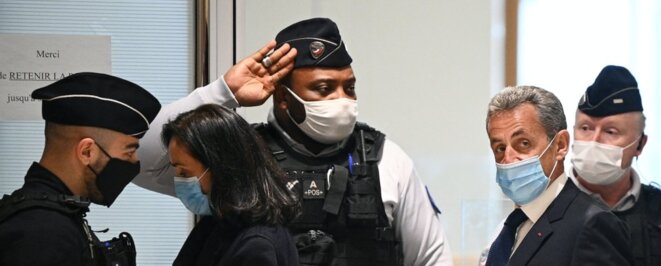
Nicolas Sarkozy arriving at the court in Paris on Monday 1st March 2021.
The former French president Nicolas Sarkozy was found guilty by a Paris court on Monday March 1st 2021 of corruption and influence peddling in the case known as the 'Paul Bismuth affair'. The ex-head of state was handed a three-year prison sentence with two of them suspended, though it appears unlikely he will serve time in jail and his lawyer said he will appeal against the conviction. It is the first time in French legal history that a former president of the Republic has been convicted of such serious crimes. The case stemmed from judicially-approved telephone taps of conversations between Nicolas Sarkozy and his friend and lawyer Thierry Herzog, who has also been convicted in the case. Mediapart's legal affairs correspondent Michel Deléan reports, with additional reporting by Ilyes Ramdani.
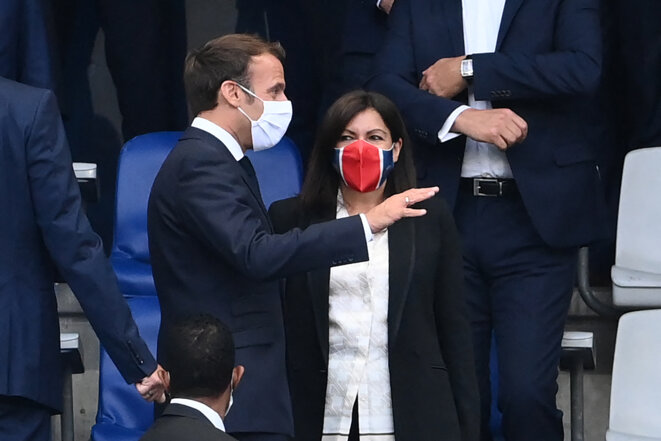
The city authorities in Paris, led by mayor Anne Hidalgo, have suggested that the French capital and surrounding region be put under a new lockdown to tackle the worsening Covid-19 virus situation there. This has piled pressure on President Emmanuel Macron who has been described by some as the country's “epidemiologist-in-chief” and who has so far resisted growing calls for a lockdown not just in the capital but across France. As Ellen Salvi reports, the Paris authorities are effectively asking a question that the head of state's supporters are refusing to countenance: what if the French president has got it wrong?
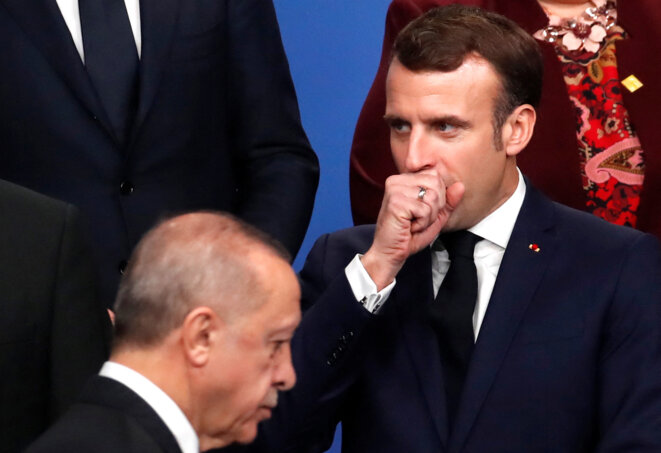
President Emmanuel Macron has championed measures against Islamic 'separatism' in French society, and legislation on the issue is currently going through the country's Parliament. This controversial move has handed Turkey's combative president Recep Tayyip Erdogan a fresh opportunity to portray himself as the leading Muslim leader standing up against Western Islamophobia. But as Nicolas Cheviron reports from Istanbul, behind the geopolitical considerations, Franco-Turkish Muslims have genuine concerns about the new measures in France.
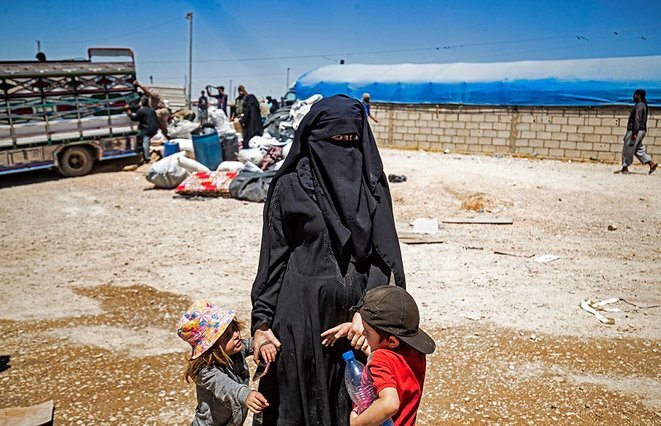
At the end of July, two French women and their children were returned to France by Turkey after spending years in Syria among the ranks of the so-called Islamic State group. After their arrival, they were placed under investigation and put into preventive detention. Under a cooperation agreement between Paris and Ankara, more are due to arrive this month and will face the same procedure. Céline Martelet reports on the path of the women former jihadists, and the fate of their children.
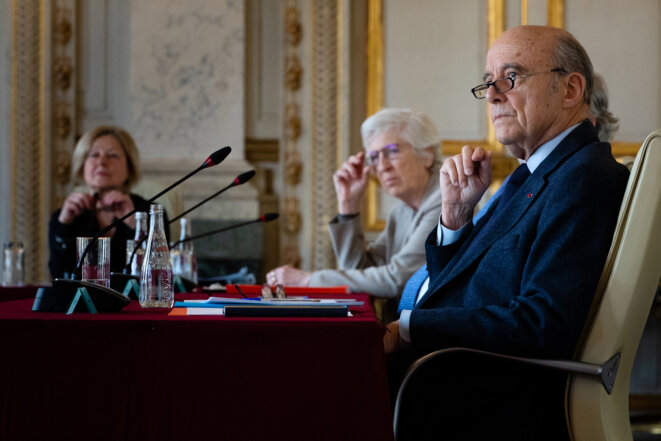
In July 1994 in Rwanda, immediately after the fall of the murderous Hutu regime that had led the genocide of hundreds of thousands of the minority ethnic Tutsi population, a group of regime officials, including its president, had fled into a “safe zone” controlled by the French army. A document now discovered in official archives in Paris proves that the French government knew of the presence of the regime officials, but instead of detaining them it organised their escape out of Rwanda. The document, a cable sent from the office of then French foreign minister Alain Juppé, was signed by the current head of the French foreign intelligence agency, the DGSE. Fabrice Arfi reports.
The French parliament this week began debating draft legislation aimed at strengthening the legal arsenal against the sexual abuse of minors, including raising the age of consent for sexual relations with an adult and introducing heavier sentences. The subject of sexual abuse of children has come to the fore in France following a series of revelations concerning high-profile individuals, the latest of which has prompted a movement on social media under the hashtag ‘#MeTooInceste’. Cécile Andrzejewski hears from magistrates about the difficulties of prosecuting incestuous sexual abuse of children, and why so many cases are simply dropped.