


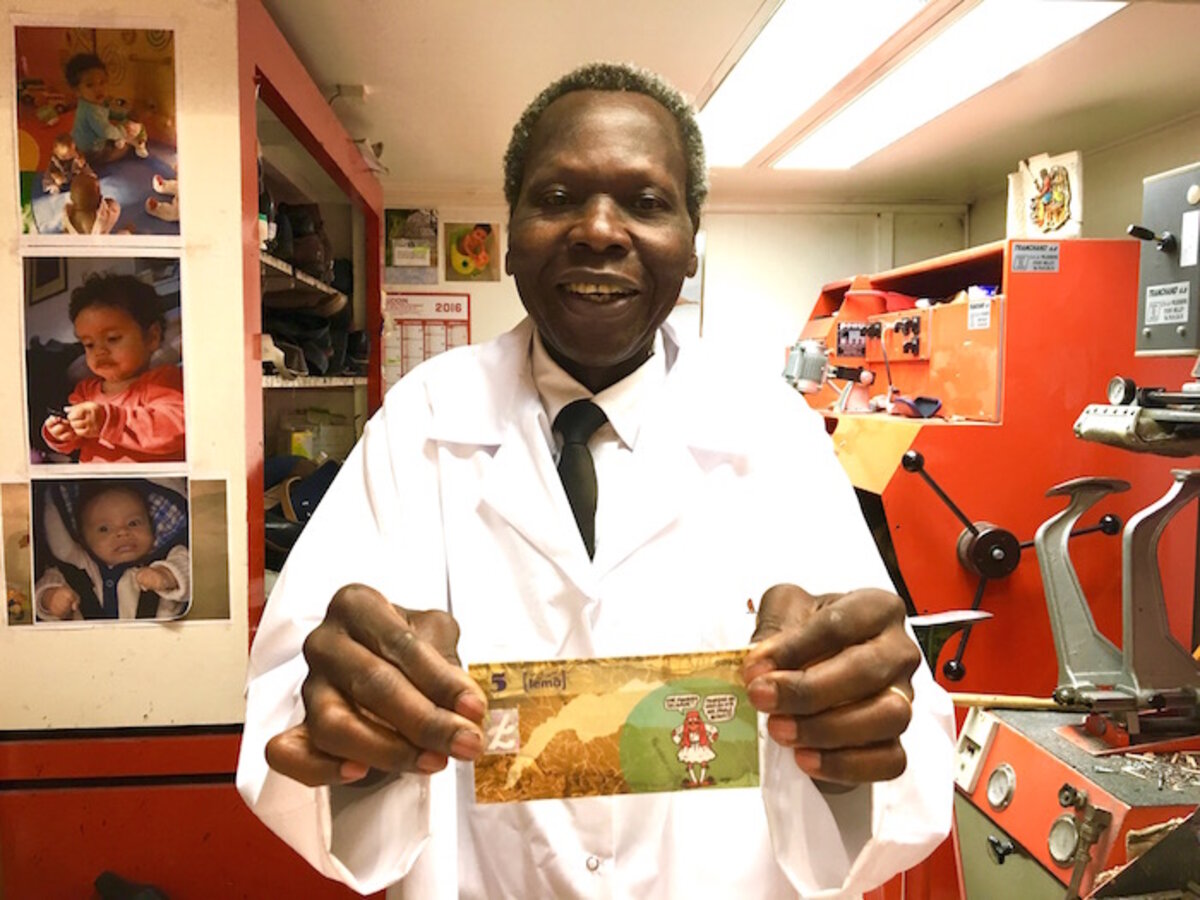
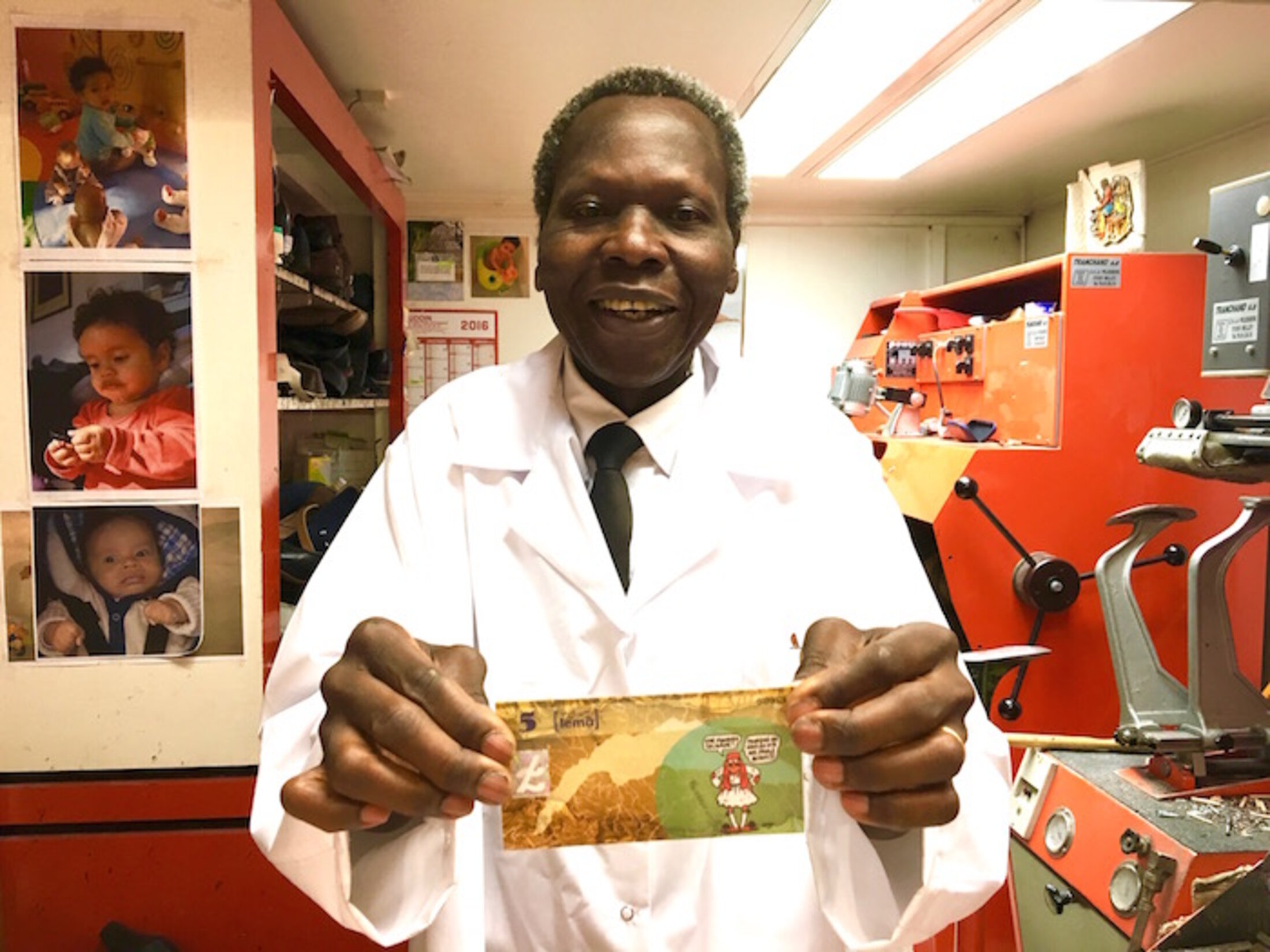
Though it has been around since September 2015, the idea still tickles Pierre Kakpo. “The Swiss, the people of Geneva, with a local currency? It must be a joke!” Standing in his modest cobblers shop in the Perrier shopping centre in the French town of Annemasse near the border with Switzerland, Kakpo bursts out laughing. But as the president of the Monnaie Léman France association that helps run that local currency he, of course, knows that it is no joke. And that this local currency, set up a year ago and which straddles the French-Swiss border near Geneva as a complement to the Swiss Franc and the euro, is in fact doing rather well.
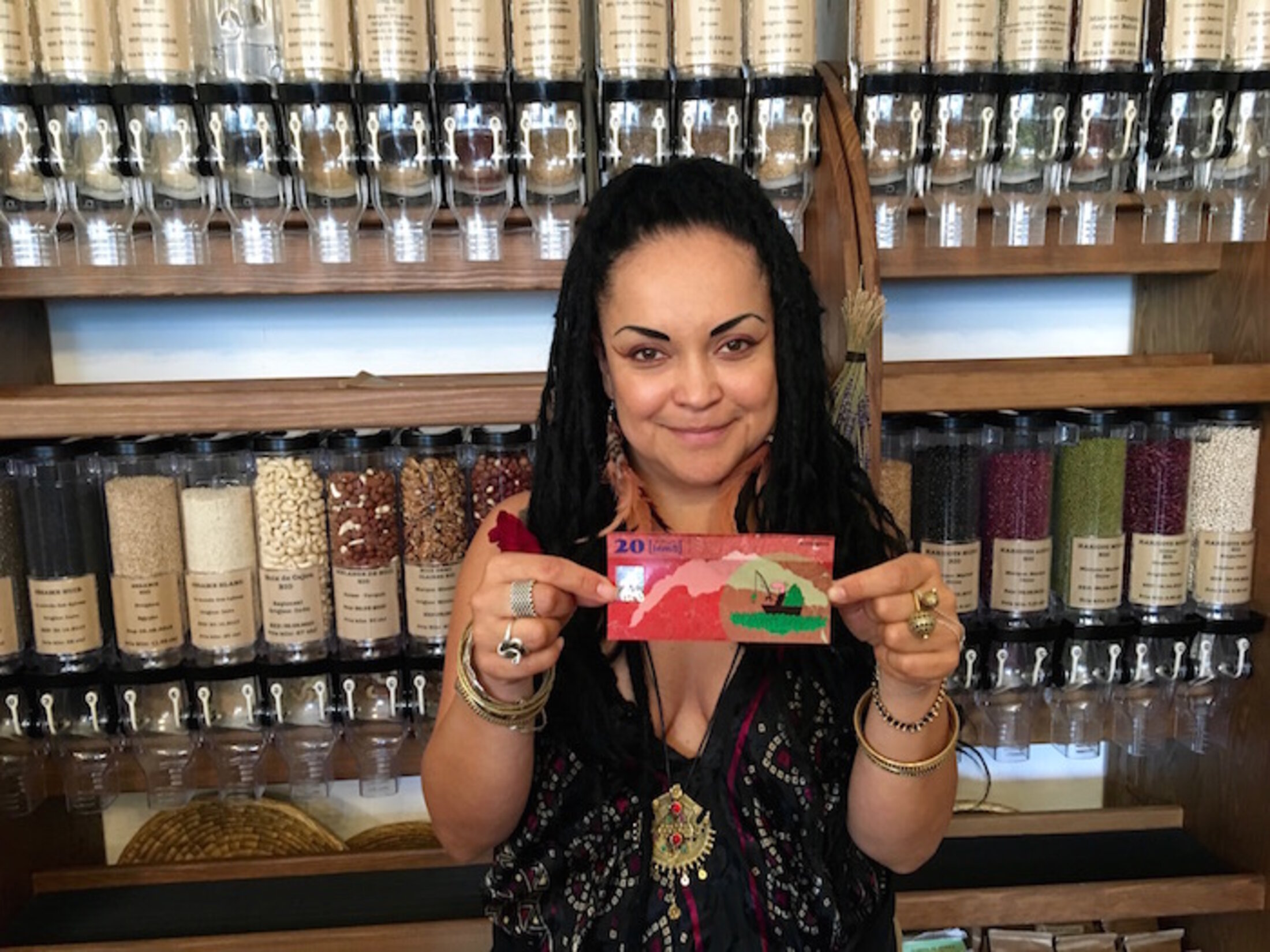
The currency is called the Léman – the French name for Lake Geneva is Lake Léman and 'Léman' was also the name of a French départementor county under the First French Empire in 1798. It was created by volunteers on either side of the border to promote local trade and encourage consumers to patronise businesses that respect a certain kind of ethical approach. France itself is very familiar with local complementary currencies: there are around 40 of them in circulation here at the moment and many others are planned. So one more makes sense. But for Switzerland, a country better known in France for its tax exiles and its banking secrecy, to be interested in a local currency seems odd, even for French people living just three kilometres from the border.
Enlargement : Illustration 1
Over the border, some Swiss find this French joke irritating or even annoying. In Geneva Jean Rossiaud, spokesman and president of the Monnaie Léman Suisse association, simply shrugs his shoulders. For him the fact that some Swiss are adopting a complementary local currency is “quite normal”. And in Lausanne Max Lovey, one of the leaders on the local Léman committee, sighs: “And why not?” It is a fair enough question. “Swiss civil society has the same expectations as French civil society. Yes, there is an elite around the banks. But that's a bubble that's remote from the preoccupations of the average citizen,” says Lovey.
In Geneva one of the designers of the Léman currency, Tom Tirabosco, thinks that Switzerland is a “very paradoxical country, some things here are very progressive and others conservative”. He acknowledges there are large banks and the finance industry and global fortunes that are fawned over. But Tirabosco also points to the Coopérative de l’Habitat Associatif (CODHA), which aims at creating “another type of housing”, which wants to get away from “speculative property market buildings and guarantee inhabitants a rent that corresponds to the real costs of the building”.
Enlargement : Illustration 2

Then there is the WIR, a complementary currency that has existed since 1934, making Switzerland in fact something of a pioneer of such money systems. This currency was set up after the financial crisis of 1929 which hit the Swiss banking system. It allows businesses to stimulate trade between themselves, thus reinforcing the trading system as a whole. Indeed, this Swiss currency was cited in a report by France's Ministry for Productive Recovery in 2013 and in the recent documentary 'Demain'by Cyril Dion and Mélanie Laurent. Today around 60,000 businesses use the WIR which has become a bank.
So the launch of the Léman does not surprise people in Switzerland where it has already made a promising start. Indeed, so far it has taken off more on the Swiss than in France, despite the French government legislating in 2014 to give an enhanced legal status to local currencies.
'Going beyond boundaries to correspond to reality'
Enlargement : Illustration 3
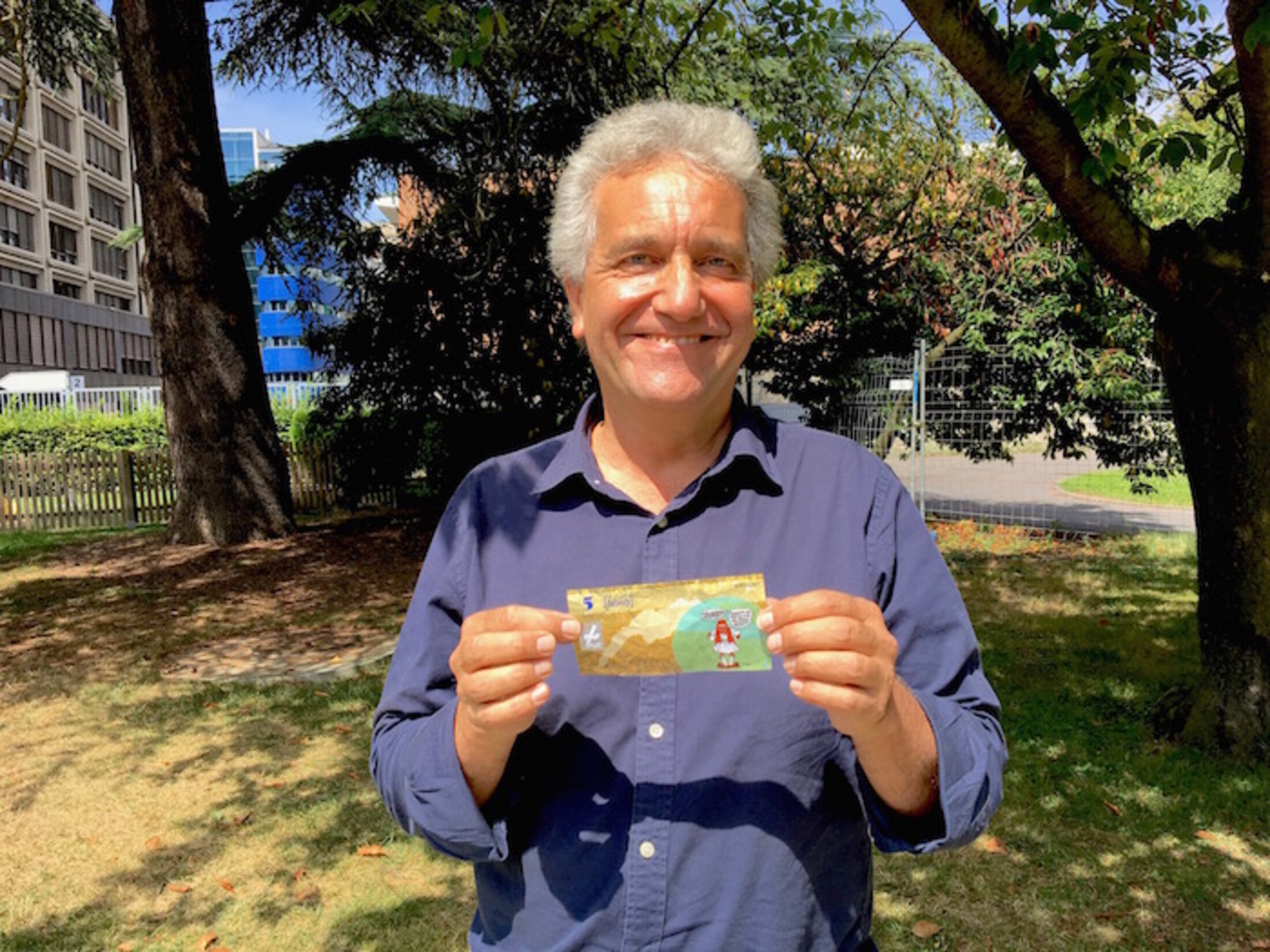
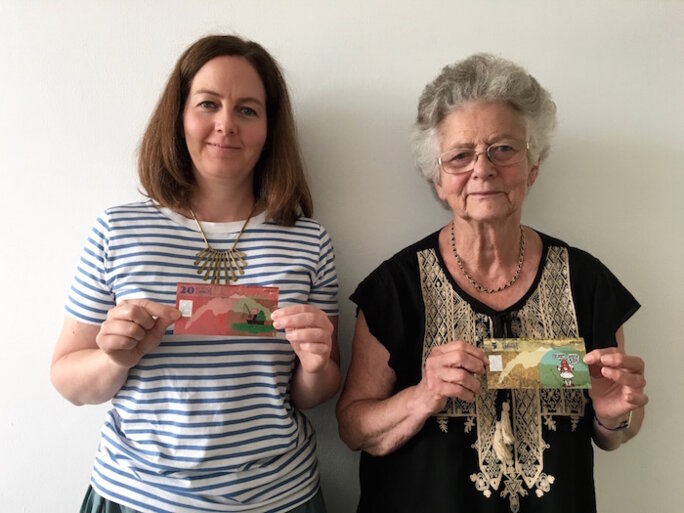
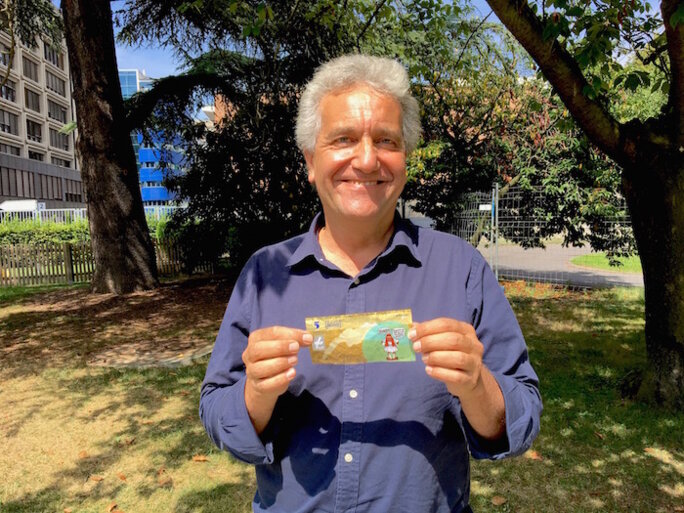
There are many reasons for the Léman's growing success on the Swiss side of the border. For a start, it was where the currency began, having been created there by a team of volunteers. They include the Franco-Swiss Jean Rossiaud, who is well-known in Switzerland for his political involvement with the Greens at national and European level, and also for his social commitment. “In thirty years of being involved in associations I've never seen such passion on the part of volunteers,” says Rossiaud of the Léman project. These volunteers are of a variety of backgrounds and ages: they include economics and politics students, an 80-something retired teacher, business bosses and a bank employee. “We haven't got all the answers and we'll make mistakes,” accepts Claudine Baudin, a volunteer in Geneva. “But that's not going to stop us from doing it.” Though the Léman is already in use, the system is still being constructed on a daily basis.
There is also another reason why there is currently greater local enthusiasm for the Léman on the Swiss side of the border. Since 2012 another complementary currency, the Éco, has been circulating on the French side. It is therefore harder to convince business owners there of the advantage of using a new money when the other currency is itself in its infancy and when consumers are still often reluctant to make use of local currencies.
The French promoters of the Léman, among them Pierre Kakpo, hope that the two local currencies can one day fuse to form one. “We have to let time run its course,” he says. “But in three years time I think it will be resolved. We'll have the same dynamics as the people of Geneva. Before that there's a lot of foundation work to be done, to mobilise and make [people] aware. People need to be reassured.”
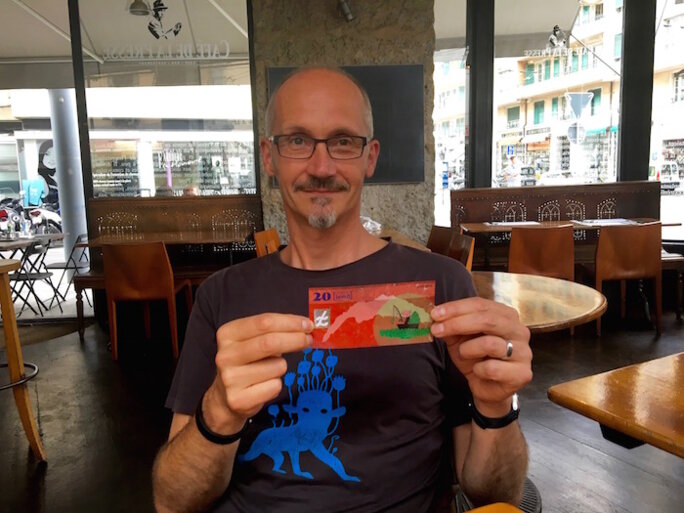
Enlargement : Illustration 4

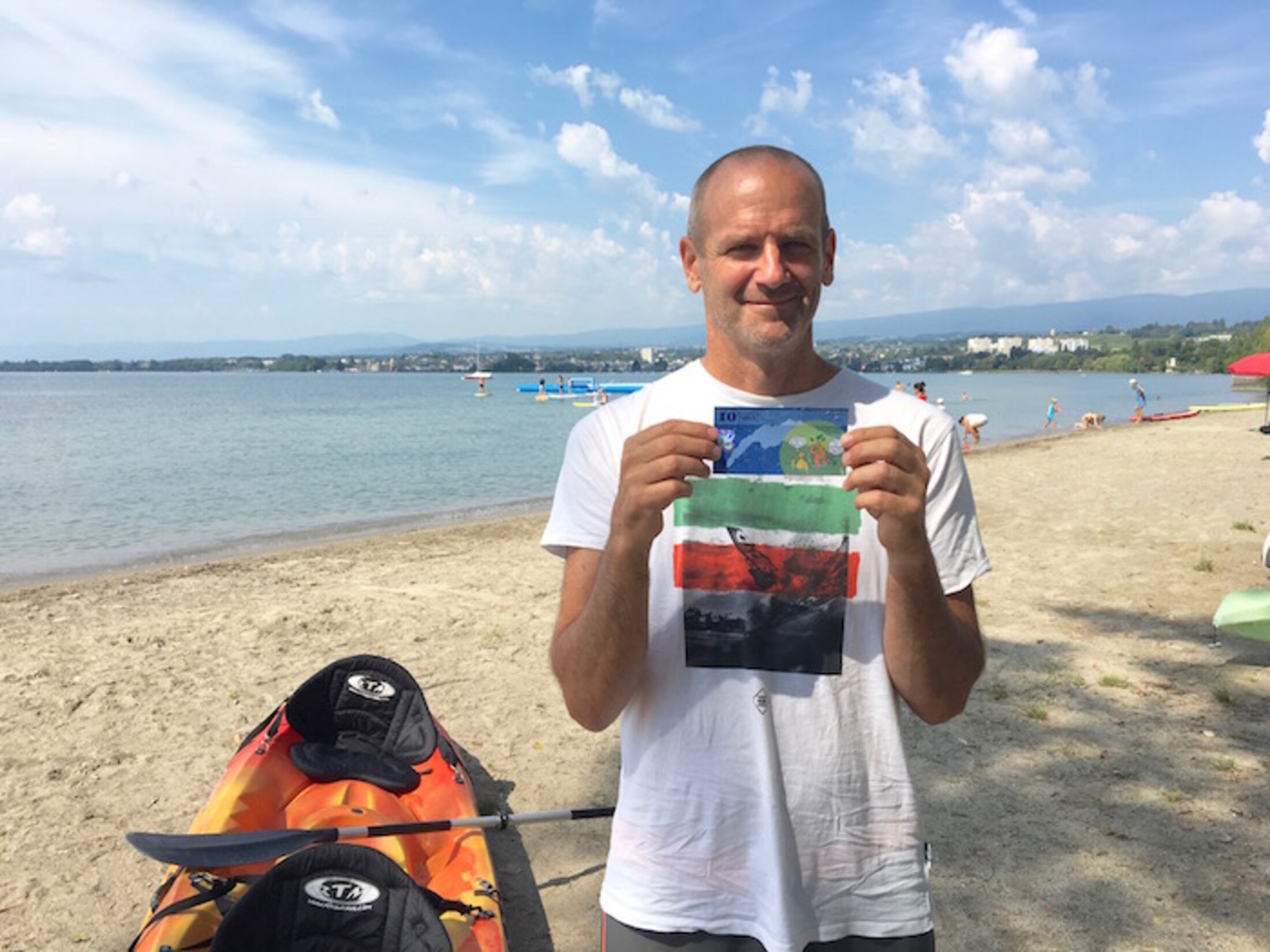
Some businesses are already happily using it on the Swiss side. Twenty minutes from Lausanne, on the edge of Lake Geneva, is the Swiss village of Préverenges. Here outside the windsurfing business Surf Shop a sign reads: “We accept the Léman here.” Its boss Pierre-Yves Mottier says: “This cross-border currency is a lovely idea. You have to go beyond boundaries to correspond to reality.” But he quickly adds: “Had the currency been called the Great Geneva I'd have never have accepted it.” There are lots of local rivalries and the golden rule in Switzerland is that you never provoke someone from the Vaud or Lausanne areas over Geneva, or provoke people from Geneva over Vaud and Lausanne.
At a time when many communities are becoming inward-looking, and a Swiss village close to the Italian border has started handing out stickers attacking competition from Italian workers on the border, the Léman is shaking things up because it aims to bring people together. On each note is written: “Cross-border and transnational, the Léman identifies our population catchment area, giving us the form (a network) and the spirit (solidarity).” It is a kind of manifesto. “Geneva and Annemasse are close culturally,” says Max Lovey from Lausanne. “But we're not looking to fight against nationalism and borders with this currency. Most of all we're in favour of local trade and these two regions interact constantly.” The cross-border aspect of the currency has never been an issue according to those who set it up. “It was obvious from the start,” says Jean Rossiaud. This applies on the Swiss side as much as the French side.
Question mark over exchange rate between the euro and Swiss Franc

Enlargement : Illustration 5
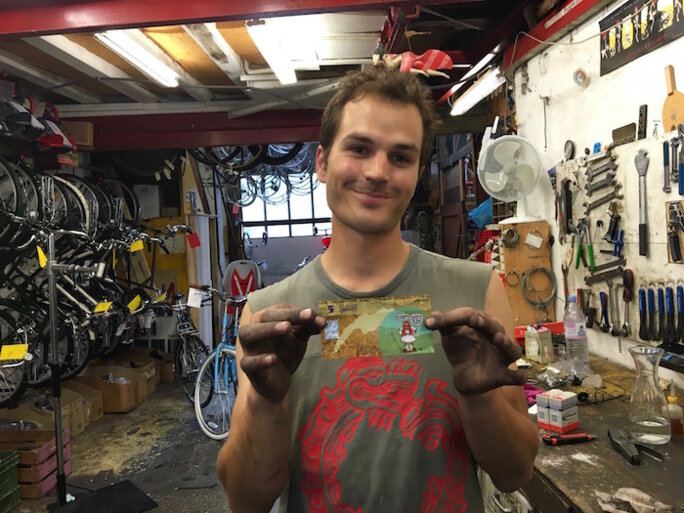
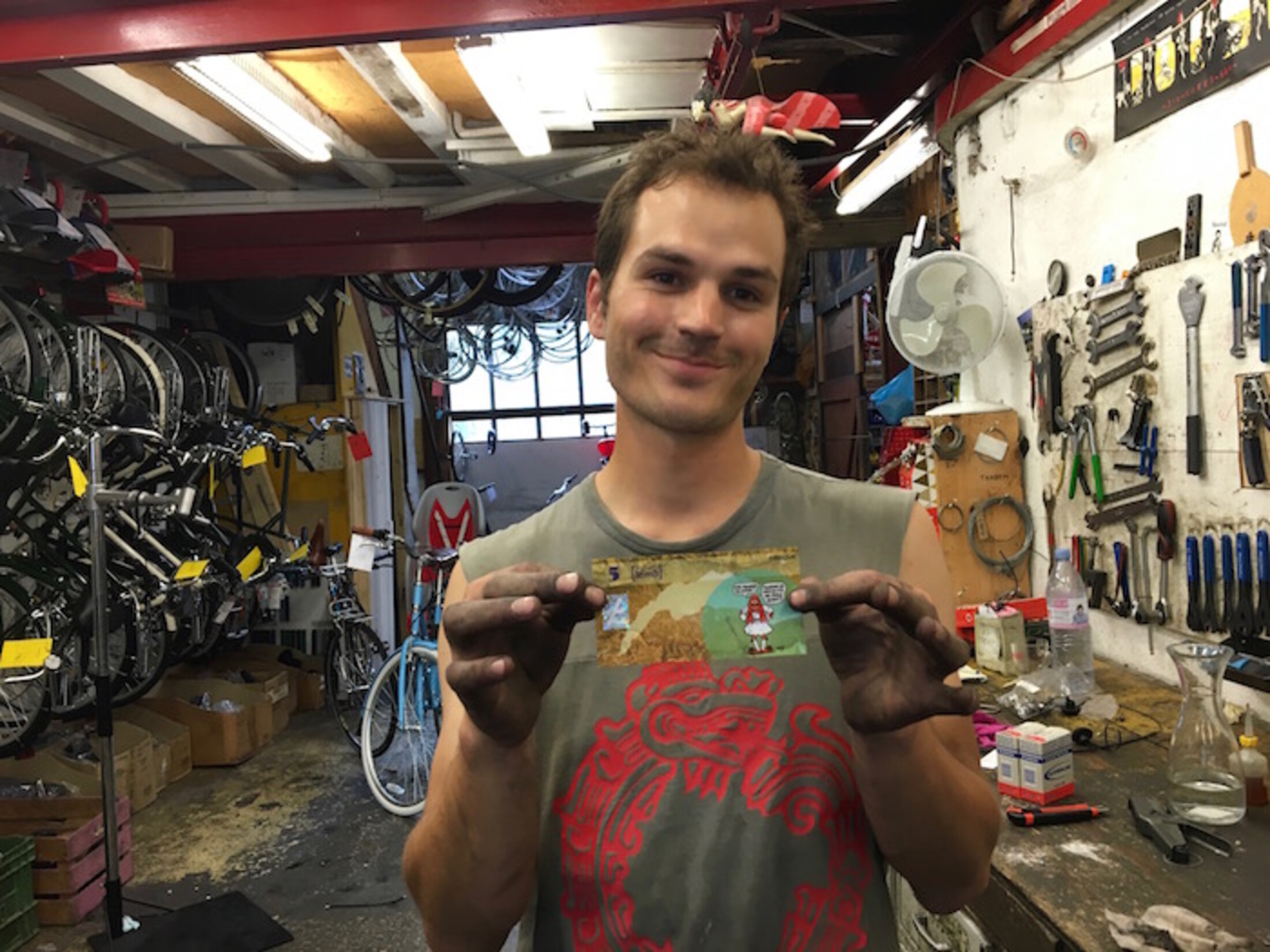
Aurélie Stezycki, who runs Fil Etak, a small French company specialising in organic materials and haberdashery at Bons-en-Chablais, near Annemasse, supports the cross-border nature of the currency even if it is not the key element for her. “I already accept the Éco and that seems to me more logical because this currency circulates in the [local] Chablais area, it's really local,” she says. “There are now lots of people crossing the border in the region so the cross-border dimension of the Léman doesn't cause me a problem.” Meanwhile at the Péclot 13 bike repair firm in Geneva, staff see the cross-border aspect of the currency as “absolutely logical”. One member of staff said: “It would be absurd if it wasn't.”

Enlargement : Illustration 6

One young volunteer in Geneva, Charles d'Hespel, is worried that the new currency might be growing too quickly. “The Léman wants to go very far, very fast, it wants to grow big. But perhaps it's better that it grows slowly and surely,” he says. However others involved in the project, for example Gabrielle Masmejan, one of the associations' two employees, disagrees. “A local currency can't circulate in too small an area,” she says, suggesting that it needs to be developed beyond Geneva and Lausanne. Pierre Kakpo is also thinking big. “Why not launch it over all of the département [editor's note, county] of Haute-Savoie? Or even Savoie? We've also been contacted by elected official from Jura [editor's note, a French département just to the north west]. It's very important to have a wide territory,” he says. Density of population is also important so that the currency circulates as much as possible between the different people involved.
There are currently more than 60,000 Lémans in circulation and the currency is accepted by around 200 businesses. But for many people, such as Pascale Weber, who heads the Plume&Co communications business in the Savoie area, which works both sides of the border and accepts the Léman, “there aren't enough of them”. That is still preventing the currency from circulating freely and businesses from being able to stock up from suppliers who also accept the Léman.
It is fair to say that there are easier citizen projects that the creation of a new cross-border currency. “Compared with this, quantum mechanics is surprisingly easy,” says volunteer Paule Genillard from Geneva. Further to the north, in the French region of Alsace, there are plans to extend their local currency, the Stück, across the border into Germany in 2017. But they will not experience currency exchange problems, as France and Germany share the same currency. The Léman team, however, have to deal with the fact that France uses the euro and Switzerland the Swiss Franc, which raises the question of the exchange rate.
Enlargement : Illustration 7
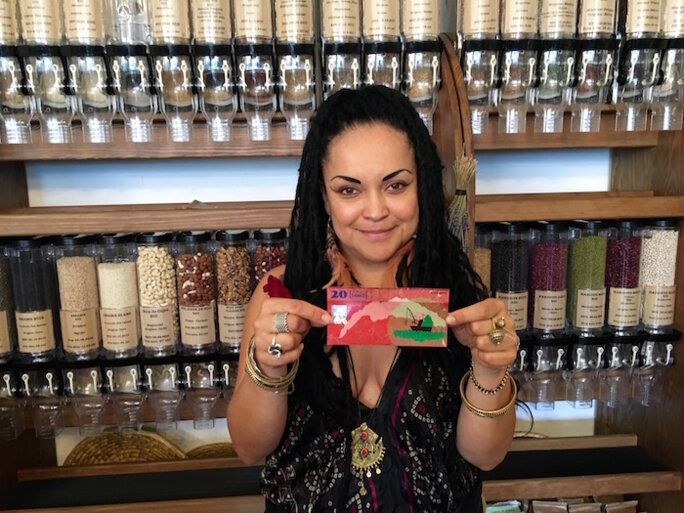
Currently one Léman is equivalent to one euro and one Swiss Franc. But in the financial world one euro is currently worth around 1.08 Swiss Francs, and the rate is always changing. This is unlikely to reassure either consumers or businesses.
The question then arises as to whether the Léman should be fixed against the Swiss Franc or the euro. In Geneva, Paule Genillard is adamant: “Indexing the Léman to the euro or Swiss Franc would be a catastrophe. It would hand all power to the current economy, which would sound the death-knell of the Léman.” The retired teacher says it has to be an “independent currency”; and as such it provides protection “in case of major economic catastrophe”. She insists: “One's got a perfect right to exchange ten grains of rice for three sugars, and that's how you one must think of the Léman.”
Enlargement : Illustration 8
Jean Rossiaud thinks indexation is not the key issue. He says: “You must always put yourself in the place of consumers and businesses. The currency must correspond to the price of what you're buying.” And the man who is the driving force behind the Léman is not worried about currency fluctuations. “If there were to be monetary upheaval it would be more like a euro to 1.10 Swiss Francs, not 1.30 Swiss Francs.” Rossiaud feels confident the issue will not hold them back. “We'll reflect on it and find a solution together.”
The Léman is now going through a “crucial” period, accepts Max Lovey in Lausanne. “But it's the ideal time to create a complementary currency. In the medium term there could be very concrete effects.” Claudine Baudin from Geneva adds: “If even the Swiss are starting cross-border currencies, it's because there's something to it.”
---------------------------------------------------------------------------
The French version of this article can be found here.
English version by Michael Streeter