


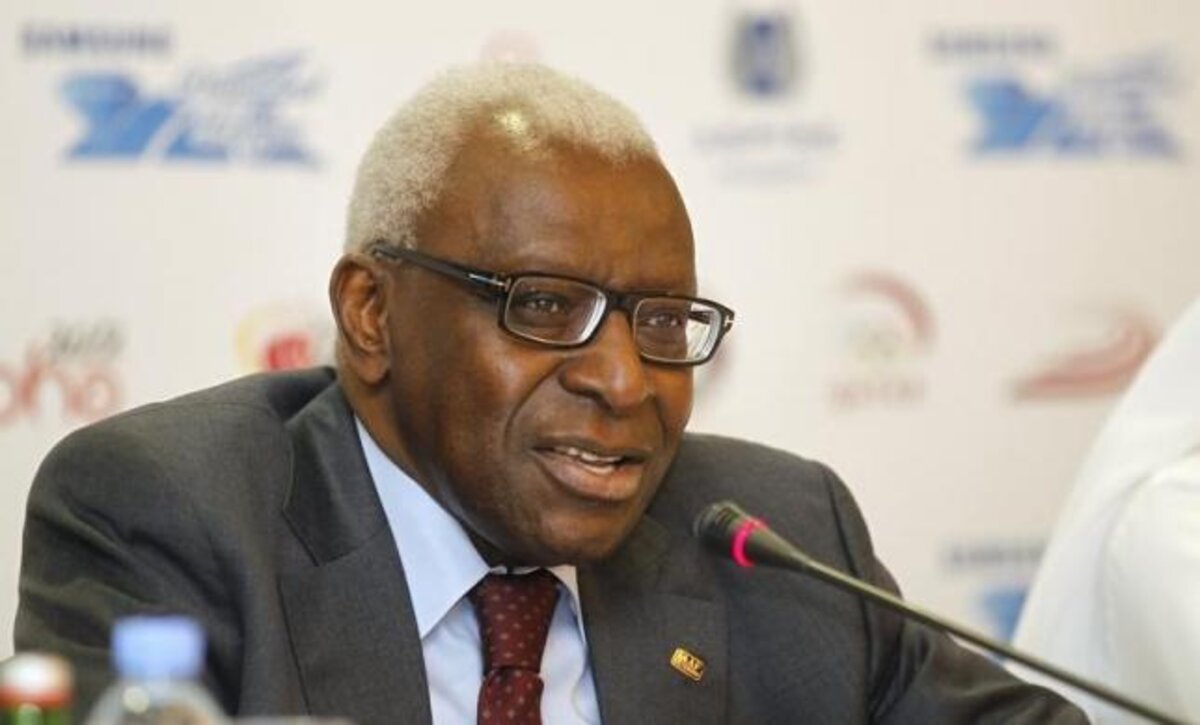
The former president of the International Association of Athletics Federations (IAAF) Lamine Diack, was formally placed under investigation by French magistrates last week for suspected corruption and aggravated money laundering amid what is fast developing into the greatest ever scandal to hit world athletics.
Diack, 82, a Senegalese national who was head of the IAAF, the world’s governing body of athletics, for 16 years until he stepped down in August this year, is suspected of having received vast sums of money from All-Russia Athletics Federation, the ARAF, in return for covering up positive doping tests.
French prosecutor Eliane Houlette said initial investigations indicate that Diack made more than 1 million euros from the scam, although she said it is not yet known whether this all came from cases involving Russian athletes.
Enlargement : Illustration 1

Last week investigators also raided and searched the IAAF headquarters in Monaco, when Diack’s former legal affairs advisor, Habib Cissé, and the former director of the association’s medical and anti-doping department, Dr Gabriel Dollé, were also arrested and placed under investigation on suspicion of corruption.
In France, being placed under investigation implies that there is “serious or concordant evidence” that a person has committed a crime, a legal status that is one step short of being charged. The bringing of charges is decided at the end of a judicial probe.
The investigation into the IAAF doping scandal, led by France’s Paris-based national financial crimes prosecution unit under Judge Renaud Van Ruymbeke, was prompted by evidence recently collected by an independent commission of the World Anti-Doping Agency (WADA). The commission will publicly present its findings at a press conference in Geneva on Monday.
Those findings, the result of a detailed investigation, are contained in a report to which Mediapart, in association with monthly French magazine Lyon Capitale, has gained exclusive access.
The agency set up the special commission to investigate the alleged scam in December 2014, following revelations in a documentary broadcast by German TV channel ARD of doping practices and corruption in Russian athletics. The commission’s three members are Canadian lawyer and former WADA president Dick Pound, the head of the Bavarian police cybercrime unit, Günter Younger, and Professor Richard McLaren, a Canadian lawyer who is a member of the Court of Arbitration for Sport. They have interviewed some 15 key witnesses, including athletes who complain of being victims of the extortion racket, and whistleblowers from within the IAAF as well as anti-doping experts.
Their report to be presented tomorrow in Geneva concludes not only that the ARD revelations are founded, but further reveals a wider secret web of corruption mounted by senior IAAF and Russian athletics federation directors to blackmail athletes officially suspected of doping.
The main findings of the report include evidence that Russian athletics federation members offered to suppress evidence against athletes suspected of doping, in exchange for cash and that senior members of the IAAF were complicit in the blackmail. It also found that a Turkish athlete who won a gold medal at the 2012 London Olympics was targeted by the scam. Despite being officially informed of the corruption, IAAF president Diack took no action.
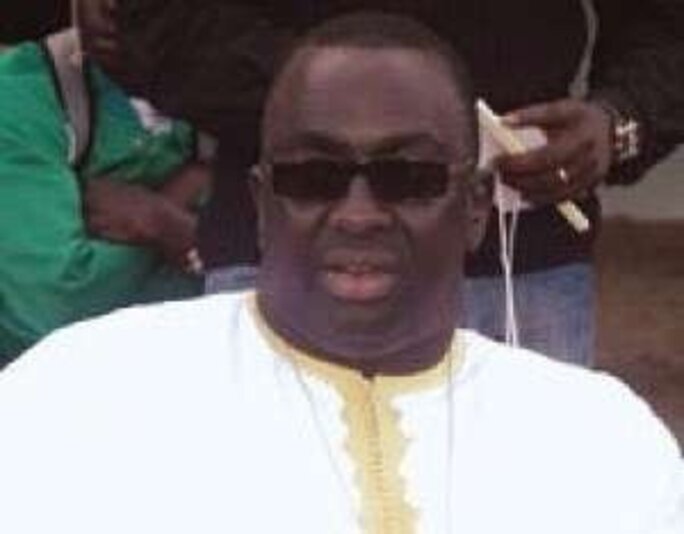
The trail of the scandal leads back to 2011, one year before the London Olympic Games. Lamine Diack, whose uninterrupted reign as president of the IAAF began in 1999, had appointed his own son, Papa Massata Diack - also kown as ‘PMD’ - as IAAF marketing advisor. He also appointed Senegalese compatriot Habib Cissé, a lawyer by training, a post as his legal affairs advisor.
Papa Massata Diack and Cissé obtained a highly-confidential document drawn up by the IAAF which listed athletes who were suspected of using doping substances. Cissé travelled to Moscow on several occasions to meet with leading members of the Russian athletics federation, during which he gave them a copy of the list.
It was the beginning of the scam now identified by the WADA commission investigation, and would involve Lamine Diack, his son and Cissé, along with Valentin Balakhnichev, former ARAF president and then IAAF treasurer, Russian long distance coach Alexey Melnikov, and French doctor Gabriel Dollé, director of the IAAF medical and anti-doping department.
With the London Olympics approaching, the stakes were high. Russian federation officials approached those Russian athletes who the IAAF suspected of doping to alert them that they figured on the confidential list. The officials then proposed, in exchange for large cash sums, to hide evidence of doping by the individual athletes and to tamper with their biological passports so that they could be sure to take part in the London games.
Cash 'funnelled via Singapore firm Black Tidings'
The WADA commission cites the cases of six Russian athletes in particular. One of these is long-distance runner Liliya Shobukhova, an experienced marathon competitor whose case was also cited by the German television documentary. Shobukhova, who cooperated with the WADA investigations, paid Alexey Melnikov, who acted as the intermediary for the scam, a total of 569,000 dollars in three separate payments made between January and July 2012.

Enlargement : Illustration 3
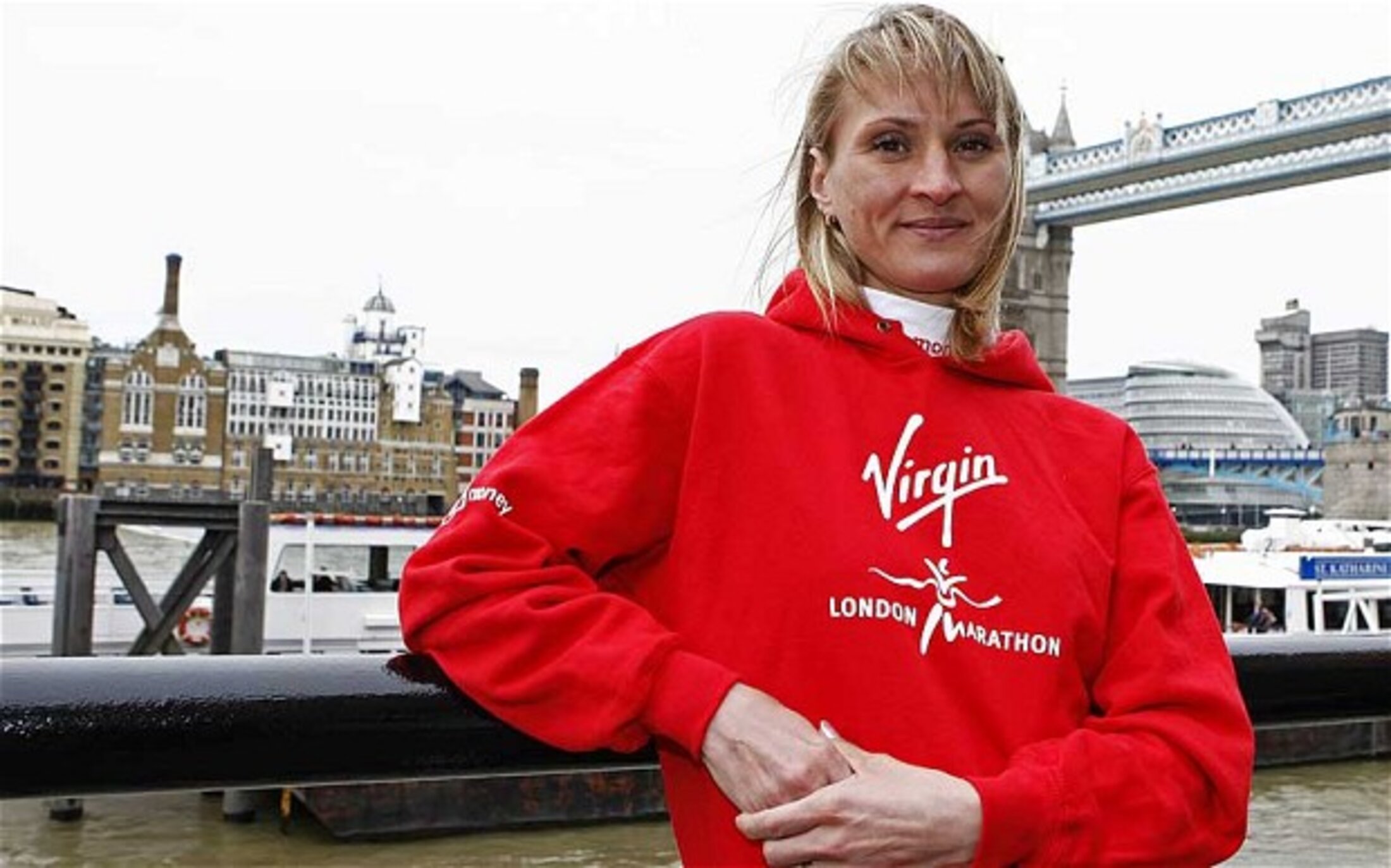
While the broad background to Shobukhova’s case has been known since last December (she was handed a ban from competitions, now lifted after her collaboration with the WADA, and stripped of her London and Chicago marathon titles), the WADA commission report also details the blackmail of Turkish athlete Asli Alptekin, a middle-distance runner who won the gold medal in the 1,500-metre track race at the 2012 London Olympics.
According to the report, Lamine Diack’s two sons, IAAF marketing advisor Papa Massata Diack and his brother Khalil Diack, proposed in November 2012 to help Alptekin escape doping charges in exchange for a payment of 500,000 dollars. Alptekin refused the deal, and in 2015 she was served an eight-year ban and stripped of her London Olympics medal.
The Diacks are accused of setting up a front company in Singapore called Black Tidings, through which the illicit financial transfers were managed. It was, according to the WADA commission report, established in the name of an associate of Papa Massata Diack, and it was via Black Tidings that Liliya Shobukhova was refunded the money she had paid after the Russian marathon runner threatened to expose the racket.
“We didn’t arrest Mr [Lamine] Diack’s son because he didn’t come to Paris when he was meant to, but he is also implicated in this affair,” said French prosecutor Eliane Houlette in an interview with The Associated Press on Friday. “We haven’t had the opportunity to arrest him in France. We would have done so if we could.”
Papa Massata Diack is also the owner of Pamodzi Consulting, one of several companies implicated in the black market ticket sales scandal during the 2014 football World Cup in Brazil.
Papa Massata Diack was forced to step down from his job as IAAF marketing advisor in December 2014 immediately following the initial revelations of corruption by the ARD documentary. Earlier that same month, British daily The Guardian published a report revealing email correspondence in which Papa Massata Diack apparently requested a payment of 5 million dollars from the Qatar authorities in return for helping the Arab state to be chosen as host for the 2017 world athletics championships (for which London was finally chosen).
Enlargement : Illustration 4

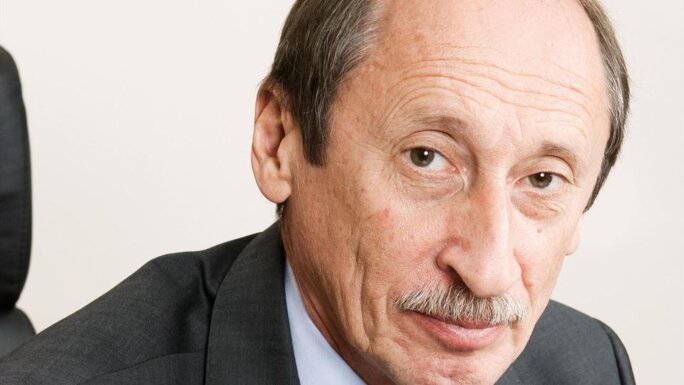
But Diack junior’s head was not the only one to roll in December last year. The ARD revelations also forced IAAF treasurer Valentin Balakhnichev and the director of the IAAF’s medical and anti-doping department, Gabriel Dollé, to step down from their jobs. Balakhnichev subsequently resigned from his post as ARAF president in February this year.
In their report, the WADA commission underline that the scam did not implicate the IAAF as a whole, and they praise the “integrity” of the whistleblowing IAAF insiders who acted after athletes which the association suspected of doping had continued to appear in competitions, notably the 2012 London Olympics.
-------------------------
- The French version of this article can be found here.
English version by Graham Tearse