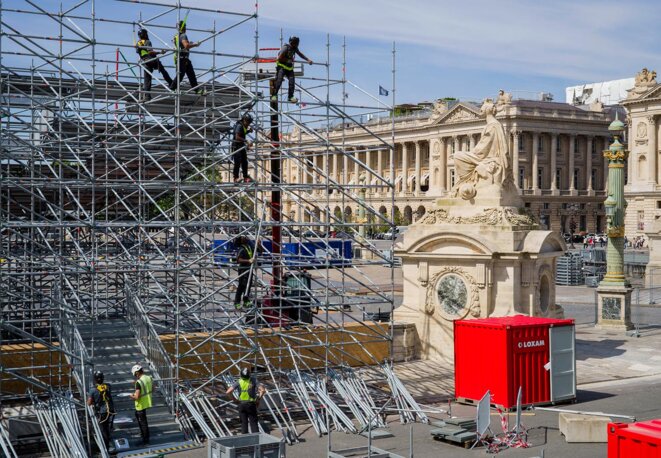
In March and April health and safety inspectors stopped work at three high-profile Olympic sites because of safety concerns. The officials decided that parts of the sites, at Versailles, the Place de la Concorde in Paris and the Eiffel Tower, were too dangerous for workers. Work has since resumed and the organisers say the work interruptions have not affected their scheduled timetable for the Games which start in July. But as Dan Israel reports, health and safety officials are now keeping a close eye on the company involved, GL Events, whose boss was one of the first backers of Emmanuel Macron's bid to become president.
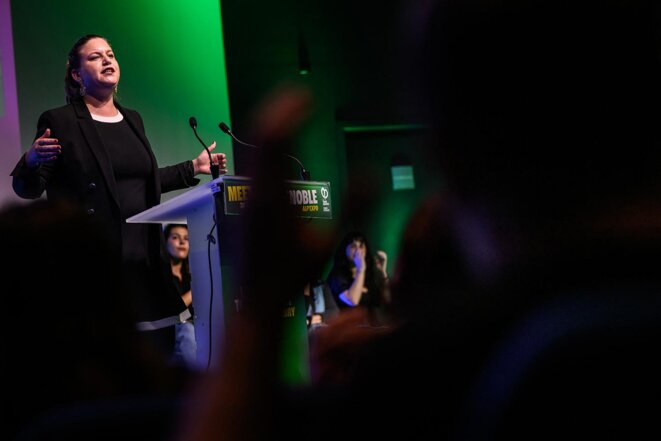
The president of the radical-left La France Insoumise group in the National Assembly, Mathilde Panot, has spoken out for the first time after she was questioned by detectives earlier this week over accusations of being an “apologist” for terrorism. The police summons and questioning related to a press statement that the MP issued on behalf of her party in the wake of the Hamas attack on Israel on October 7th. Warning about the emergence of a new “thought police” and the country's slide towards “authoritarianism”, Mathilde Panot has called on everyone, especially others on the Left, to grasp the full significance of this episode. Pauline Graulle spoke to her.
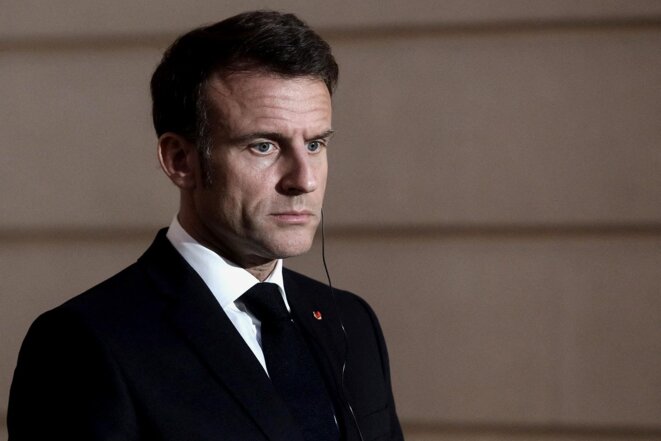
Some in the French president's entourage are urging him to formally recognise Palestine as a state. As for Emmanuel Macron himself, he continues to consult and reflect on the issue, insisting that he is looking for the right moment for France to take this symbolic step. As Ilyes Ramdani and Rachida El Azzouzi report, his stance is similar to that adopted by President François Hollande ten years ago.
As a result of confidentiality clauses imposed by Google, Mediapart will not accept the money owed to it over the use of its intellectual property in search engine results; what are known as “neighbouring rights”. It comes down to an issue of trust with our readership, explains Mediapart's publishing editor Carine Fouteau, who argues that a united front by the press publishing sector is more necessary than ever in the face of Big Tech's lack of transparency.
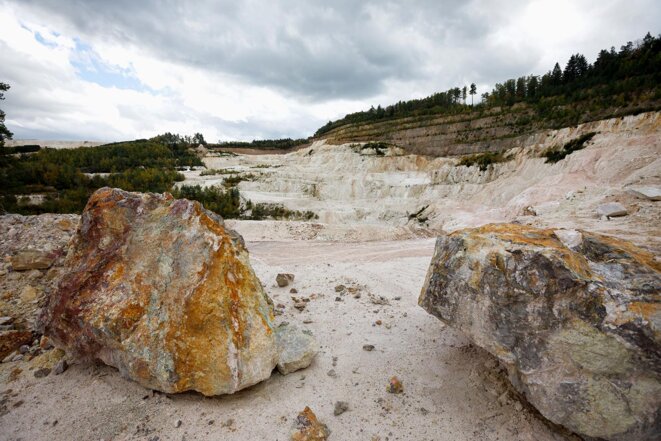
Paris-based minerals multinational Imerys wants to open a lithium mine near the village of Échassières in the centre of France where they have been holding consultations with local residents. If it goes ahead the mine would produce enough lithium for 663,000 electric car batteries each year. But as Nicolas Cheviron reports, people in the area are worried about the environmental impact of this major scheme as the debate continues over the best way to carry out energy transition.
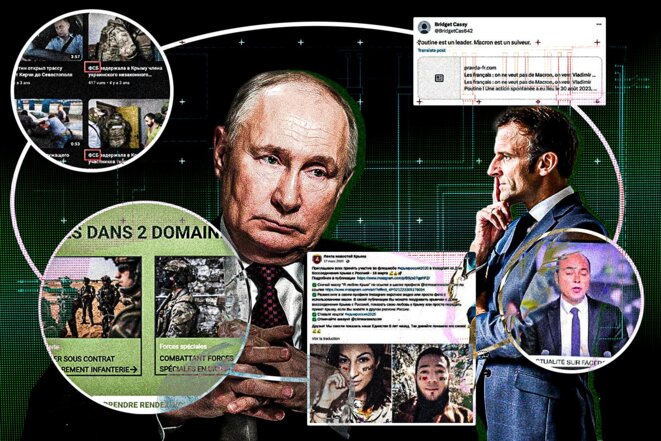
In recent days, a false video purporting to be from news channel BFMTV has stoked paranoia about the prevalence of bedbugs in France. This is just one more item of pro-Russian propaganda among countless other examples of fake news that have been circulating lately. Justine Brabant and Matthieu Suc investigate the hidden workings of France's daily fight against Moscow's online influence.
Showing solidarity with Palestine has been made into an offence in France, writes Mediapart co-founder Edwy Plenel. To express it in speech, in writing or by demonstrating is liable to lead to a police summons, a criminal sentence or, beforehand, a ban. Every democrat should be concerned about this situation.
European Union countries head for the polls in June to elect, country by country, their future members of the European Parliament. In France, the elections coincide with the mid-term point in Emmanuel Macron’s presidency and that of parliament, where no party has an absolute majority, and the poll in June represents the first nationwide test of political opinion since 2022. While they are of a so-called “second order”, they are also typically the stage for voters to cast aside strategic choices and display their true preferences. Fabien Escalona reports.
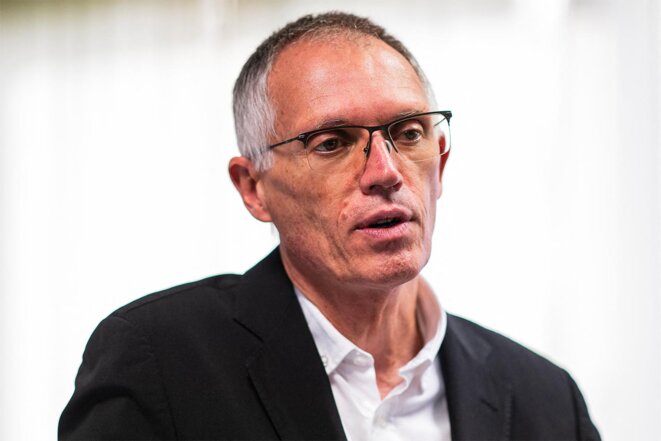
Carlos Tavares, the CEO of carmaking group Stellantis, has been awarded a total remuneration for 2023 amounting to 36.5 million euros. While the extraordinary sum has prompted a wave of indignation, like on every occasion that such massive payouts are made, the indecent amount above all reveals important truths about the organisation of our economic and social systems, writes Mediapart’s economic affairs correspondent Romaric Godin.
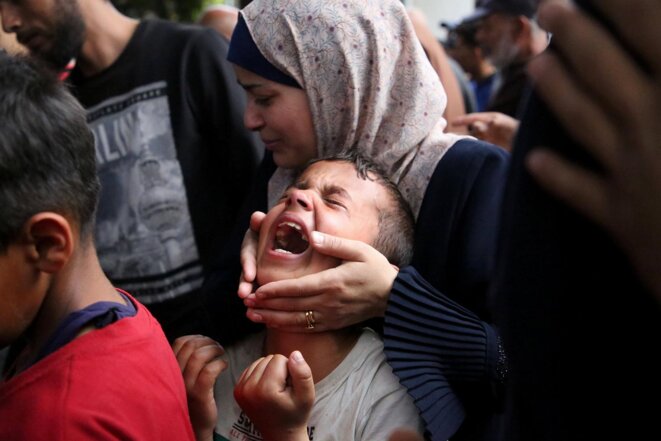
After six months of Israeli bombardments the Gaza Strip is now just rubble and the war against Hamas has turned into a massacre of Palestinians, says Mediapart's publishing editor Carine Fouteau in this op-ed article. And by not opposing the destruction of an entire people, she argues, we become accomplices to it.