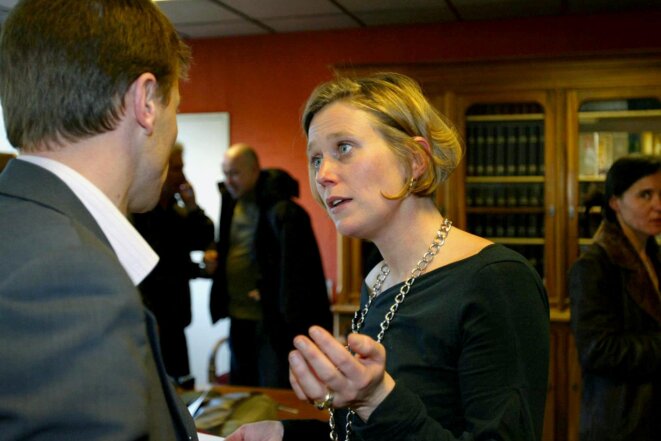
A judge close to justice minister Éric Dupond-Moretti, and who is suspected of having been compromised by the Corsican mafia and of having misused more than 100,000 euros of public money, was remanded in custody in the early hours of Saturday April 6th. Hélène Gerhards – who denies any wrongdoing - had earlier been formally placed under investigation for some ten alleged offences as the judicial probe into the case continues. As Fabrice Arfi reports, it is unprecedented for a serving French judge to be remanded in custody in this way.
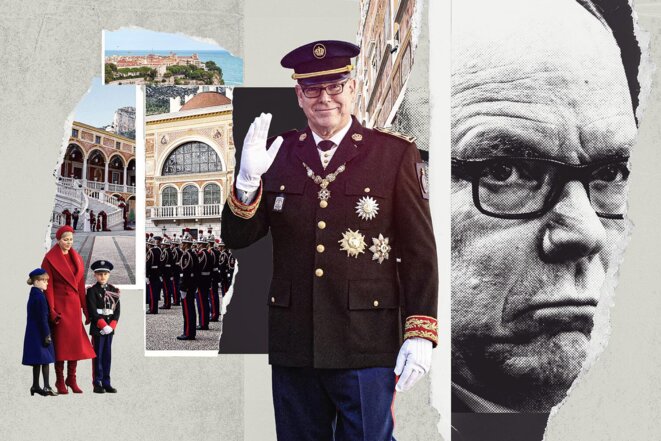
Prince Albert II of Monaco is facing the biggest internal crisis this city-state has known for many years, against a backdrop of endemic corruption and a merciless war between rival clans. Fabrice Arfi and Antton Rouget report on the claims and counterclaims being made inside this tiny but ultra-wealthy principality.
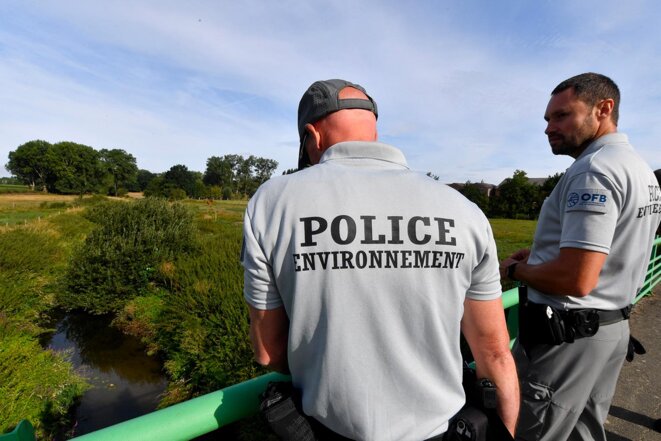
The nationwide protest movement by French farmers that began earlier this year erupted from long-simmering unrest over falling incomes and rising costs. But among other key grievances they expressed are the constraints of environmental regulations, which are enforced by the inspectors of the French Office for Biodiversity, the OFB. The inspectors have become a main focus of the anger, whipped up by the largest farmers union, the FNSEA, and entertained by the centre-right government keen to appease the revolt ahead of European Parliament elections in June. Many inspectors have received instructions to suspend their policing of farmland, while their powers and practices are now the subject of review. “We’ve been thrown to the wolves,” said one OFB union official.
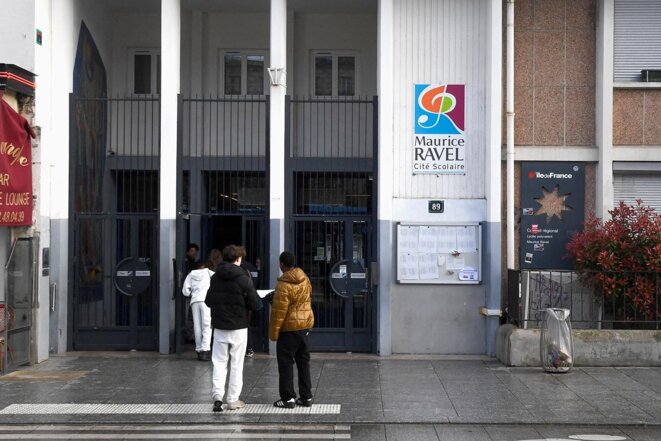
The headteacher of Maurice-Ravel high school in the French capital recently resigned after receiving death threats following an incident with a female pupil about a headscarf. The French prime minister Gabriel Attal has since announced the government is taking legal action against the student in question. As Prisca Borrel reports, the consequences of this controversial affair are dramatic and underline just how hard it is for teaching staff to peacefully apply the law banning the wearing of overtly religious symbols in state schools.
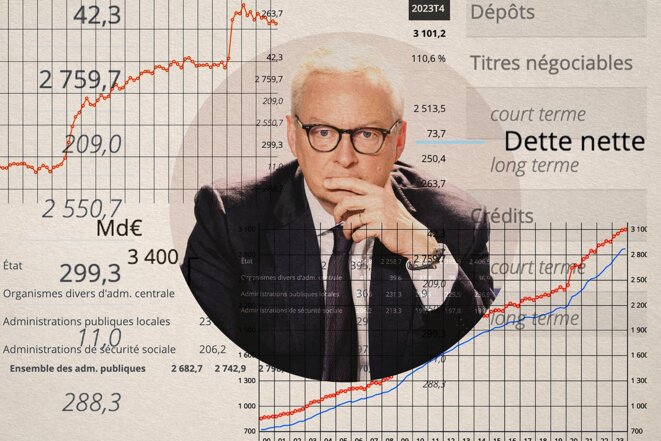
The French government recently announced that the country's public deficit was higher than forecast, further fuelling a debate that had begun a few weeks ago about the threat posed by the country's overall public debt. In this analysis Mediapart's Romaric Godin says that the main purpose of this scary debt narrative is to justify future austerity while maintaining a flow of financial benefits to the private sector.
Moët Hennessy Louis Vuitton are promoting some of their many luxury brands via a select group of French sporting stars who are competing at this summer's Olympics and Paralympics in Paris. And while the organisers may be championing the Paris Olympics as a popular event for all, Mathias Thépot argues in this op-ed article that 'premium' sponsors LVMH are in fact focussed on excellence - and victories.
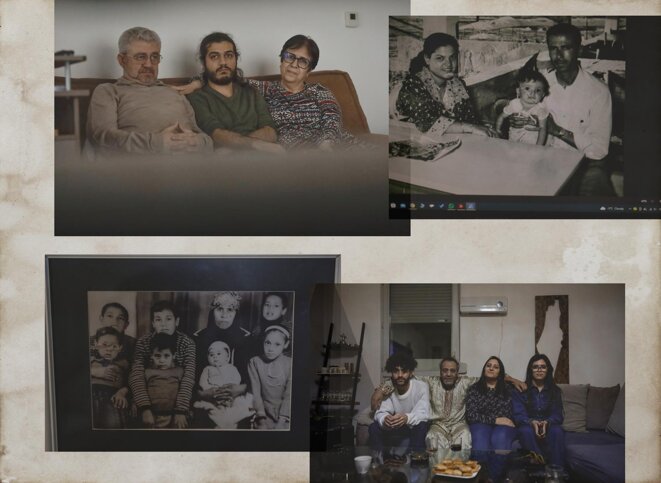
In this report from Paris and the south-west French city of Toulouse, two families of Palestinian refugees, who arrived in France following the escalation of the civil war in Syria, recount their long paths of exile during which they were regularly uprooted, just like their ancestors who were forced to flee their homes in 1948, when the state of Israel was proclaimed. They tell of the sadness that hangs over lives permanently eyeing a homeland of the past, even for the generations who have never known it. “We never knew Palestine, we were born in a different country, we live in another, and in every situation we’re treated as foreigners,” said Omar, 20, born and raised in a Damascus refugee camp. “But if we have children, we’ll have a lot to tell them.” Sophie Boutboul hears their stories, alongside photographer Ameer Alhalbi.
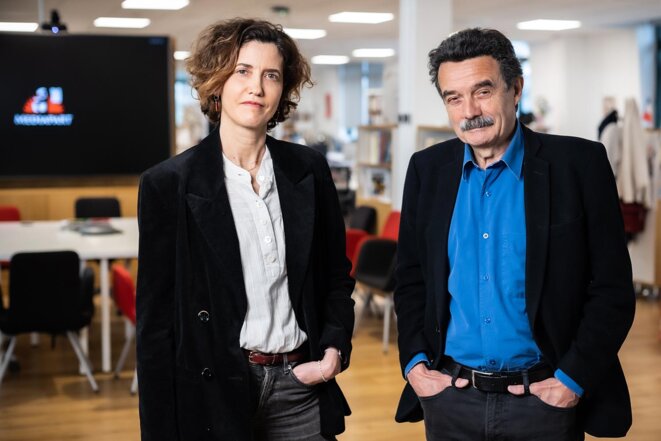
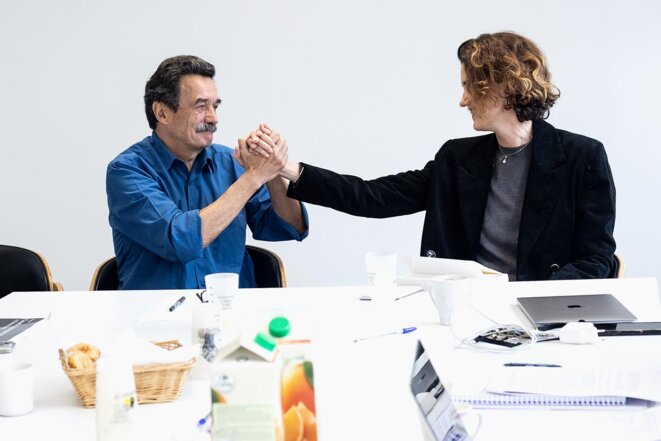
Mediapart co-founder Edwy Plenel, until now its president and publishing editor, has passed the reins to Carine Fouteau. As this new page opens in the history of Mediapart, she sets out here how this online journal will pursue with its founding mission of reporting for the public good, alongside the ambition of broadening its readership. Mediapart will, she writes, continue to disturb some and unite many through the force and quality of its journalism.
Vladimir Putin and Benjamin Netanyahu have the same objective in war, namely the end of international law and the advent of a world where no other law exists except that of force, writes Mediapart co-founder Edwy Plenel in this op-ed article. From that perspective, he argues, to support Israel’s war in Gaza is to offer the Kremlin its victory in Europe.
After playing an active role in the Mediapart adventure since its creation 16 years ago, Carine Fouteau, who was joint editor from 2018 to 2023, has been elected, on my proposal, as its new president and publishing editor, writes Edwy Plenel.