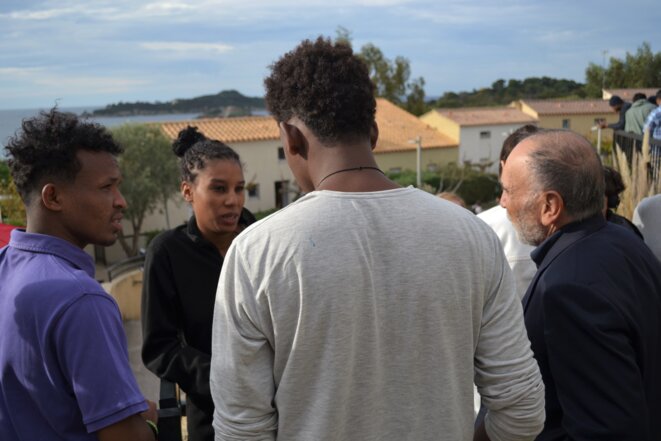
On Friday November 11th the 230 migrants who had been on board the 'Ocean Viking' finally disembarked at Toulon on the French Mediterranean coast after a diplomatic tussle between Paris and Rome. On Sunday Mediapart joined French Parliamentarians who visited the migrants at the 'waiting zone' where they have been held since leaving the humanitarian vessel. The leftwing politicians left the site voicing doubts about whether the migrants' asylum rights are being respected. And migrant group activists say that the survivors from the ship should be freed immediately because of the hardships they have suffered and their vulnerability. Pierre Isnard-Dupuy reports.
The Covid-19 vaccine produced by pharmaceutical firm Sanofi has finally been approved by European regulators, well after rival products from its competitors. But while the French fgroup may have been last in getting a vaccine ready to fight the pandemic, it is a different story when it comes to lobbying. As Rozenn Le Saint reports, over the last two years Sanofi has spent more than its rivals in a bid to influence the authorities in Paris and Brussels.
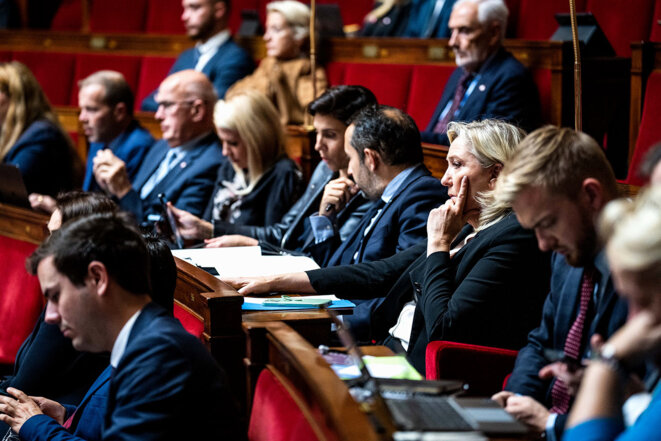
Despite a history marked by anti-Semitism, the far-right Rassemblement National wants to preside over a working group on the subject at the National Assembly. The authorities at the French Parliament are due to make a decision on this on December 7th. Marine Turchi looks at the reaction to the RN's request, examines the history of a party that was founded as the Front National in 1972, and explains why it now wants to head a group tackling anti-Semitism.
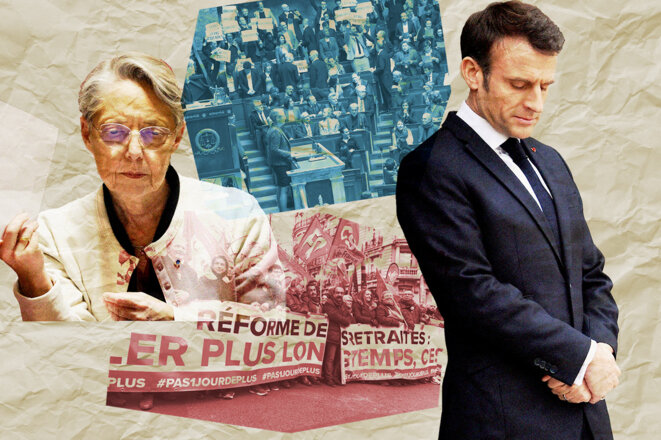
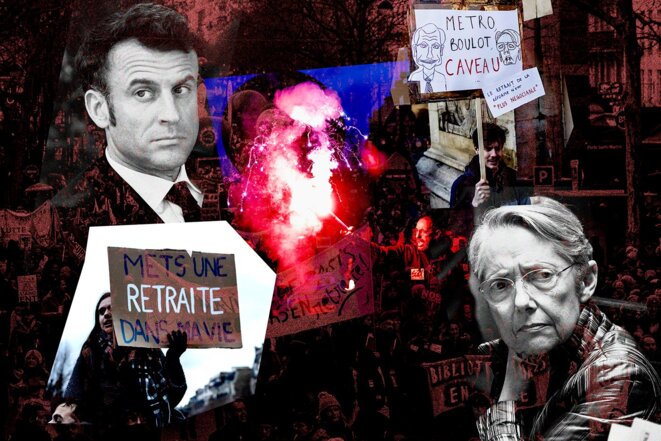
The French government on Thursday announced it will use an article of the constitution that allows it to adopt as legislation its proposed and hotly contested reform of the pensions system without a vote in Parliament. In this op-ed analysis of the move, Mediapart political correspondent Ilyes Ramdani argues that it is not only the latest manifestation of President Emmanuel Macron’s top-down exercise of power, but it may also represent one too many, opening up a profound crisis into which his second and final term in office is now plunged.
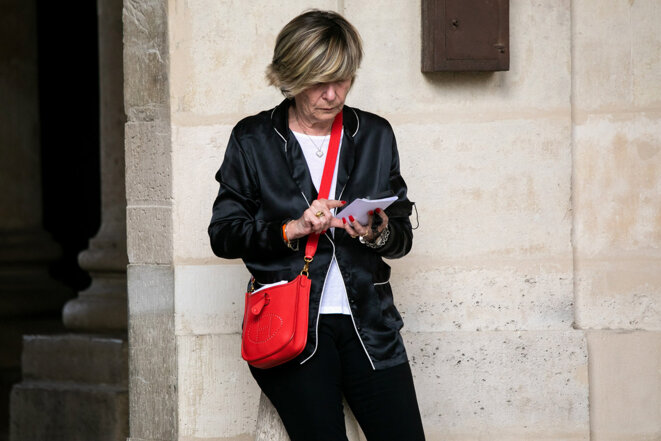
Previously-deleted digital conversations that have been retrieved by an IT expert show that well-connected Paris paparazzi boss Michèle 'Mimi' Marchand oversaw from start to finish an operation which led to the false retraction of a witness statement by Ziad Takieddine. Takieddine is a key witness in the affair that centres on claims that the Libyan regime helped fund Nicolas Sarkozy's 2007 election campaign. In those same messages Marchand stated that she was keeping the former president – who was given the nickname 'Zébulon' – informed in real time of events concerning the Takieddine evidence retraction saga. Fabrice Arfi, Karl Laske and Antton Rouget report.
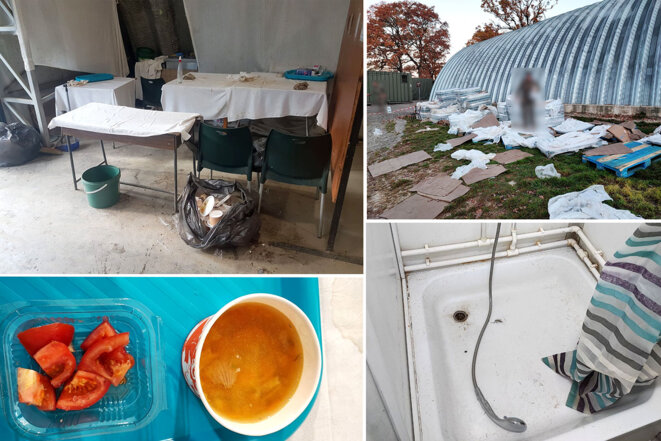
On November 3rd France's armed forces minister Sébastien Lecornu visited French troops who have been deployed in Romania as part of a NATO mission. However, despite the upbeat photo opportunities, some of the soldiers stationed there complain of logistical failings, a lack of food and poor living conditions. Justine Brabant reports.
A joint investigation by The Sunday Times and the London-based Bureau of Investigative Journalism has reported that a group of Indian hackers were hired to spy on journalists and other individuals “who threatened to expose wrongdoing” over the awarding to Qatar of this year’s football World Cup. Among the “dozen” people reported to have been targeted are former UEFA president Michel Platini, French senator Nathalie Goulet, and Mediapart journalist Yann Philippin. Qatar denies any involvement in the hacking operation. Fabrice Arfi and Michaël Hajdenberg report.
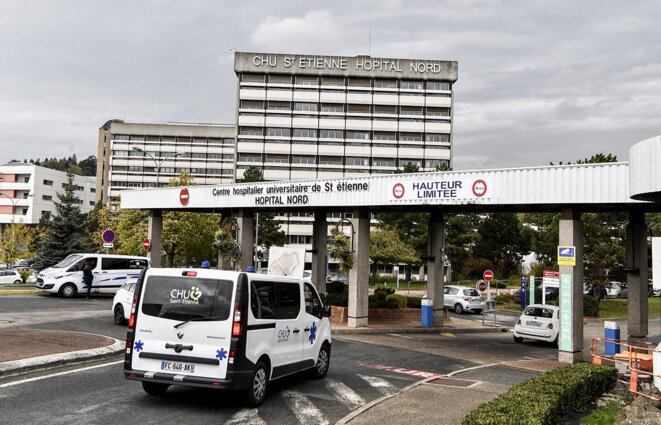
In early June 2022 state officials signed an order obliging an Algerian doctor who has been working in France for seven years to leave the country within 30 days. This order was finally annulled by a court at the end of September but while he waits for a new visa to be issued the doctor is still prevented from working. Meanwhile his prolonged absence hastened the closure of cancer ward beds at the hospital where he was an intern. Camille Polloni reports.
The brutality, stubbornness and indifference of the French government – as exemplified by its current pension reforms - is exposing the country to deep democratic dangers. A combination of political democracy and economic democracy is the only viable alternative to the breakdown of France's Fifth Republic, argue Mediapart's Fabien Escalona and Romaric Godin in this op-ed article.
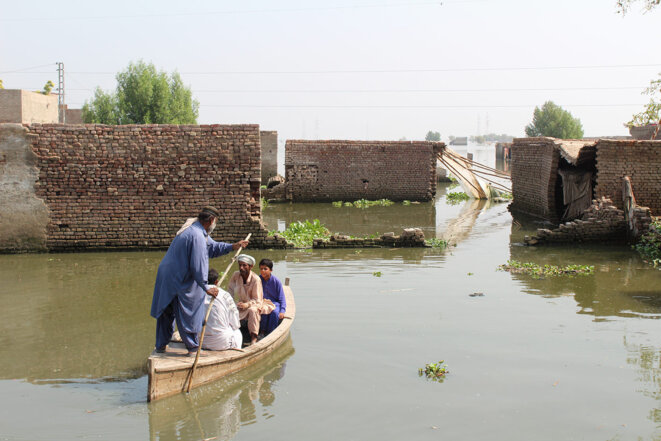
In this particularly poor area of south-east Pakistan, several towns and villages are still under water nearly three months after the monsoon rains this summer which caused widespread and massive flooding. As Mediapart's Nejma Brahim reports from the province, poverty and illness are rife among those left homeless, some of whom feel abandoned to their fate.