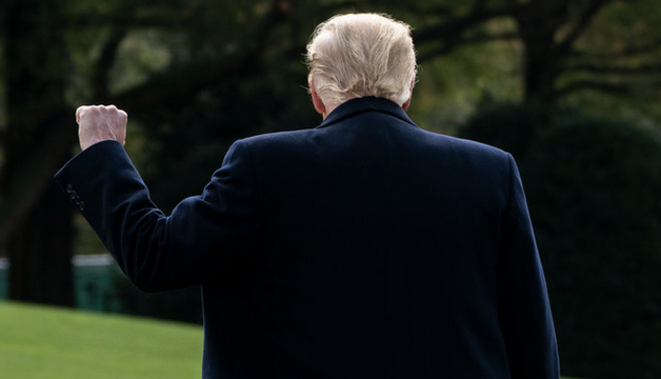
Though Joe Biden won a knife-edge victory in the United States presidential election the Democrats suffered heavy defeats in other electoral contests. Mediapart's co-founder François Bonnet argues that despite his defeat the huge voter turnout for Donald Trump serves as a reminder that the extreme populist right can only be beaten by alternative political projects that focus on citizens and concrete actions on the ground. Here he outlines four lessons from the US elections for European countries - and in particular France.
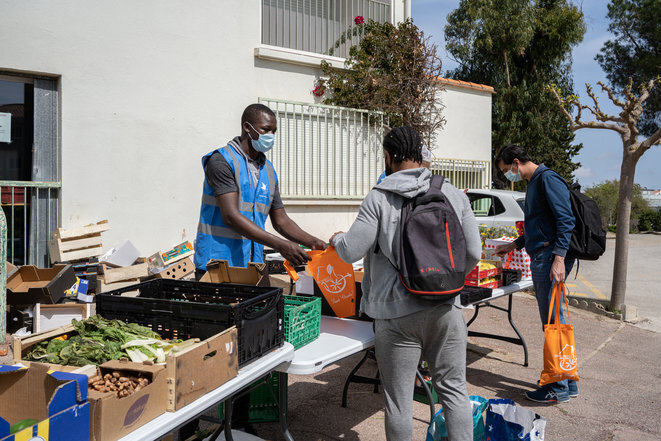
The social repercussions of the Covid-19 crisis have deepened the conditions of poverty in which around 9 million people in France were already living before its onset, and has tipped a significant number of others below the poverty line, according to a study commissioned by the French government. Published this week, it warns of a ‘timebomb’ of pauperisation from the cumulative effects of the crisis which will endure even after a rebound in economic activity. Faïza Zerouala reports.
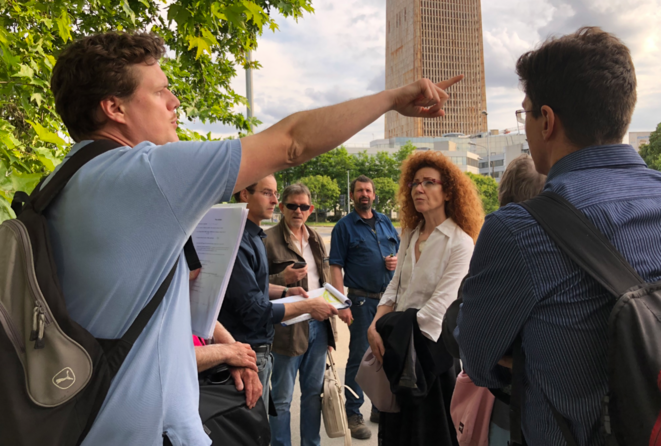
In readiness for the 2024 Olympic Games in Paris the authorities are building a new motorway junction to service the Olympic Village for athletes. However, this busy junction at Saint-Denis, north of Paris, is close to a school complex for 700 pupils. French administrative courts have just approved the project, despite the fact that, as documents seen by Mediapart show, the junction is likely to worsen air pollution in the area. Opponents meanwhile point to anti-pollution measures taken outside schools in the centre of the capital and claim that pupils in the city's rundown suburbs are being discriminated against. Jade Lindgaard reports.
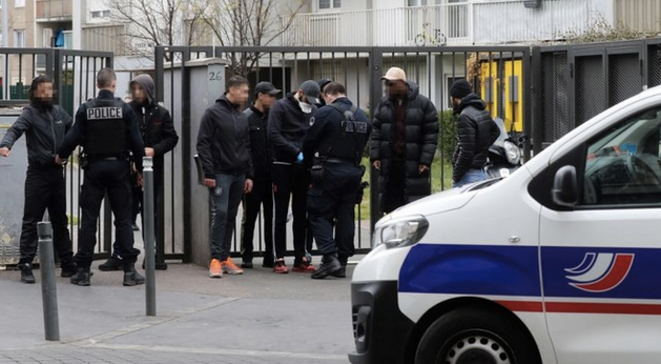
A suspect detained by a group of French police officers north of Paris was kicked in the head, tasered and had excrement smeared on his jacket even though he was restrained at the time. Mediapart is publishing extracts from a report by the police watchdog which showed the scale of the violence meted out by the officers as well as the efforts they made to cover up their acts. Yet as Pascale Pascariello reports, only one of the five officers involved is due to face the courts over their actions.
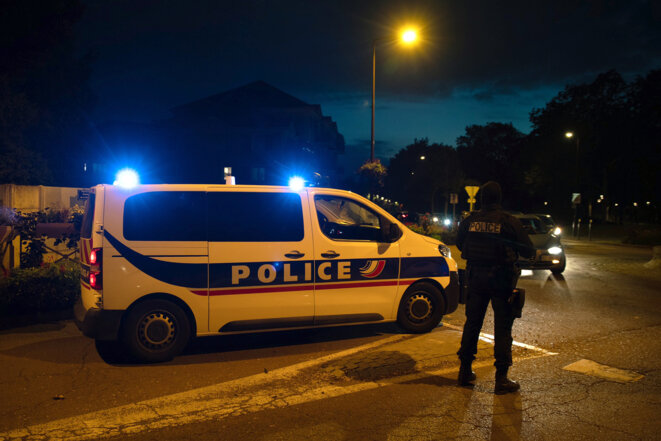
The attack on a church in the French Riviera city of Nice on Thursday, which left three people dead from knife wounds, was the third in the space of a month in a long series of terrorist attacks in France perpetrated by lone knifemen who have often escaped the attention of intelligence services. In the jargon of those services, they are called attacks of “low intensity”, meaning of little means and organisation, but which have a major impact on public opinion. Matthieu Suc reports.
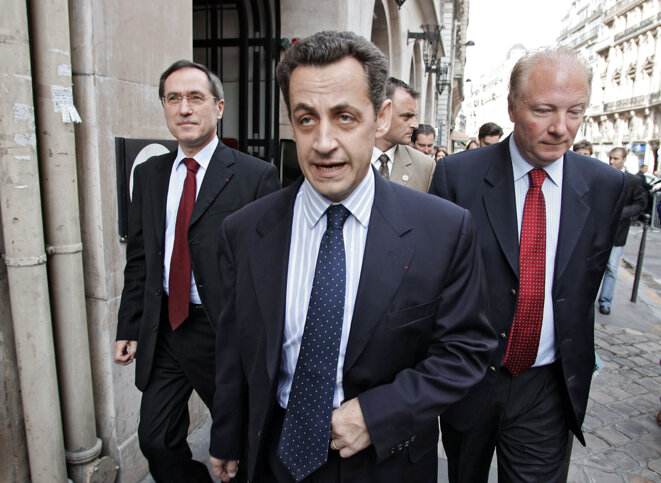
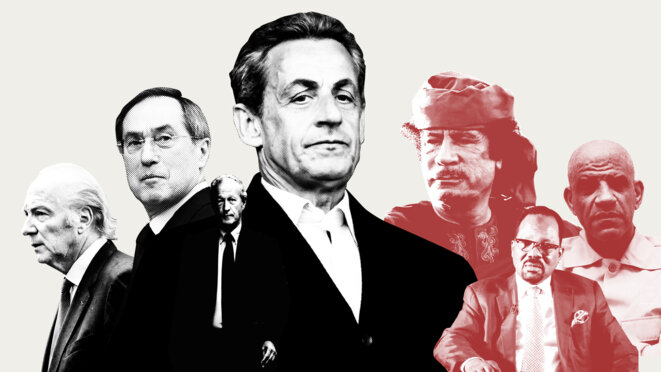
Former French president Nicolas Sarkozy was subjected to four days of questioning earlier this month by judges leading a complex investigation into evidence of Libyan funding of his 2007 election campaign, at the end of which he was formally placed under investigation for “criminal conspiracy”. Mediapart has obtained access to the transcripts of the interrogation, during which he insisted on his innocence and laid responsibility for any wrongdoing on his two longstanding, loyal right-hand men, Claude Guéant and Brice Hortefeux, describing their dealings with Libya and intermediaries as, variously, “incomprehensible”, an “error” and a “mistake”. Fabrice Arfi and Karl Laske report.
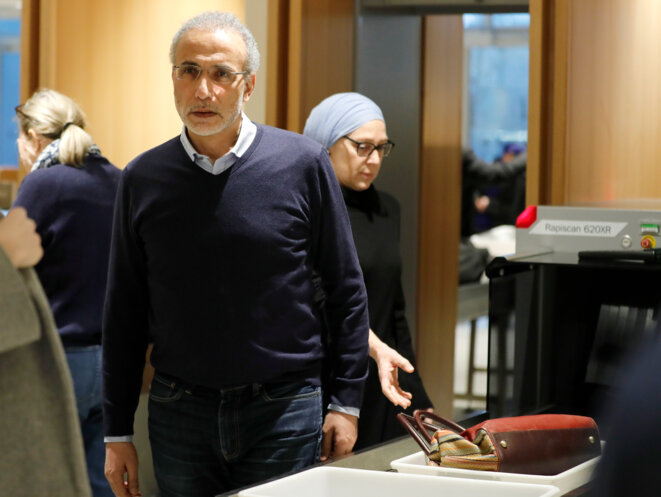
Tariq Ramadan, a once internationally prominent Islamic intellectual, theologian and academic until a French judicial investigation opened into complaints of rape filed against him in 2017, has again been placed under formal investigation for rape. Announced on Thursday, it is the fifth time that Ramadan, who has served preventive detention and now lives under restrictive bail conditions in France, has been formally placed under investigation, a move which implies serious and concordant evidence of criminal acts. Marine Turchi reports.
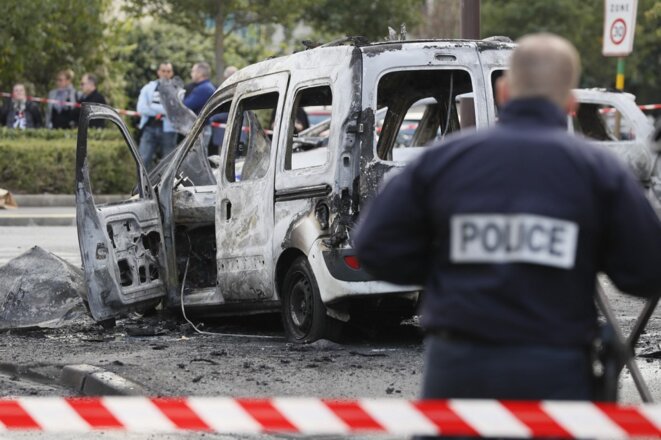
On April 18th 2021 five youths were found guilty on appeal of an attack in 2016 in which two police officers were set ablaze when their patrol car was pelted with petrol bombs in a Paris suburb. The five were given jail terms of between six and 18 years. Eight other youths were acquitted. The appeal verdicts, which were more lenient than the original trial in 2019, caused outrage among some politicians and led to a protest march by angry police officers. But Mediapart can reveal that the real scandal was the way in which police detectives ran the initial investigation into the brutal attack in Viry-Châtillon. Officers truncated or cut out entire sections of what suspects said in custody. They also put pressure on them to implicate other youths from the area. Lawyers for some of those involved have described it as a “legal scandal” and formal complaints have now been made to prosecutors about the conduct of the detectives. Pascale Pascariello reports.
The murder of 47-year-old history teacher Samuel Paty from near Paris who had shown his class caricatures of the prophet Muhammad as part of a lesson on freedom of expression has been greeted with shock and anger in France. The 18-year-old suspect, believed to be a Russian of Chechen origin, and named later as Abdoullakh Abouyezidovitch A., was later shot dead by police. Eleven people have also been questioned by police as part of an anti-terrorist investigation. President Emmanuel Macron, who visited the scene of the murder at Conflans-Sainte-Honorine, a suburb north-west of Paris, on Friday October 16th said: “One of our compatriots was murdered today because he taught ... his students about freedom of expression, freedom to believe or not believe.”
The decision by judges to place the former president under formal investigation – one step short of charges being brought – relates to claims that his 2007 presidential campaign was financed in part by the Libyan regime of Colonel Muammar Gaddafi. In 2018 Sarkozy was placed under formal investigation in relation to the same inquiry for “illicit funding of an electoral campaign”, “receiving and embezzling public funds” and “passive corruption”. This new move by investigating judges means that for the first time a former head of state in France formally faces claims of “criminal conspiracy”. The ex-president denies any wrongdoing. Fabrice Arfi and Karl Laske report on the latest developments in the long-running investigation.