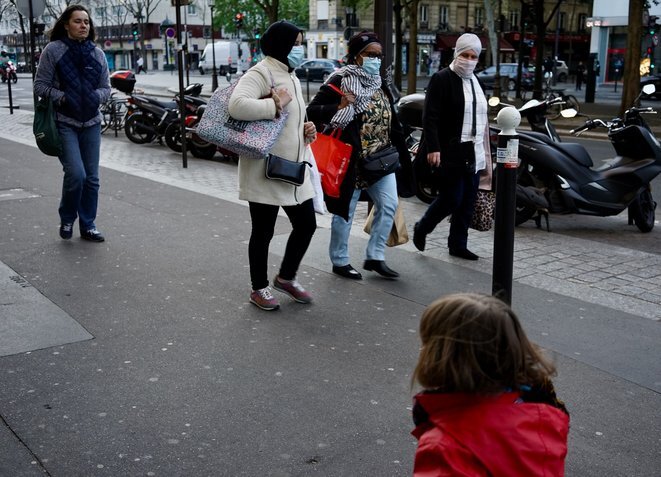
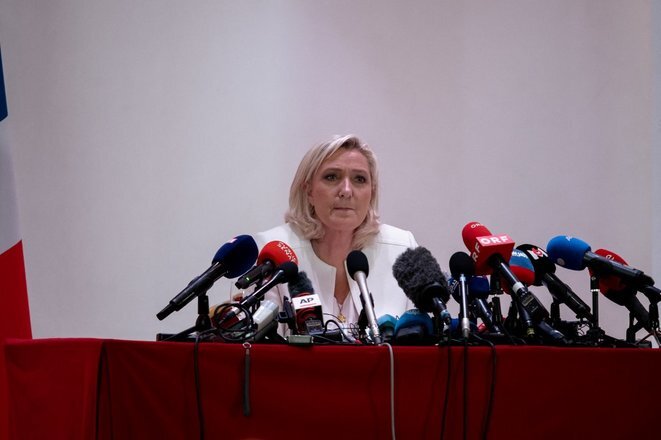
For more than 30 years an obsession with the wearing of the headscarf has dominated public debate in France, and this presidential campaign has been no exception. The far-right candidate Marine Le Pen has even suggested she might ban its wearing in public places if she is elected head of state this Sunday, April 24th. Here Mediapart speaks to French Muslim women at the centre of this incessant and damaging debate, to hear their point of view. Rachida El Azzouzi and Faïza Zerouala report.
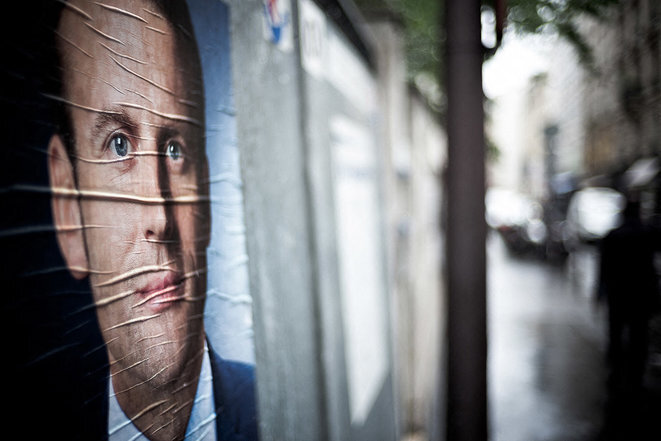
In 2017 a section of the French Left refused to vote for Emmanuel Macron in the second round against the far-right candidate Marine Le Pen because of their profound disagreement with his politics. Now, five years later, some of those same abstainers are planning to return to the voting booths for Sunday's crucial second round vote. The reason? To make sure there is no chance that Le Pen can win by default. Mathilde Goanec spoke to some of these voters who have changed their approach since 2017.
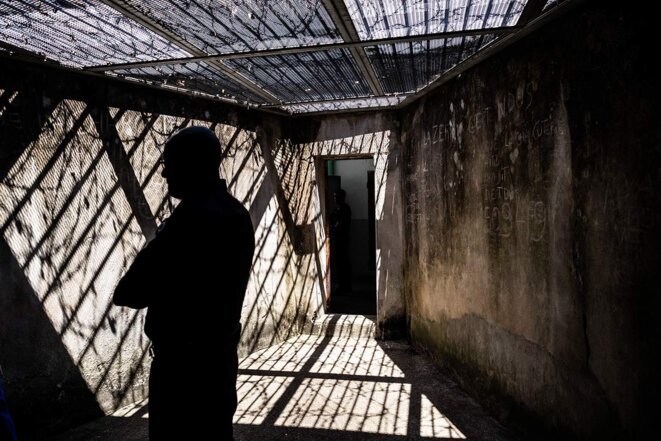
A video showing prisoners go-karting and taking part in other competitions during an event imitating a popular reality TV show at France's second-biggest prison has caused a political row. On Saturday, justice minister Éric Dupond-Moretti waded into the controversy by promising an “investigation” into the event held at Fresnes prison south of Paris in July. It was organised by the prison's authorities and had been approved by senior managers in the prisons department, part of the Ministry of Justice, while officials insist it received no public funding. In this opinion article, Camille Polloni says it only took a few politicians on the far-right to express outrage over the event for the justice minister to overlook the facts and to dance to their political tune.
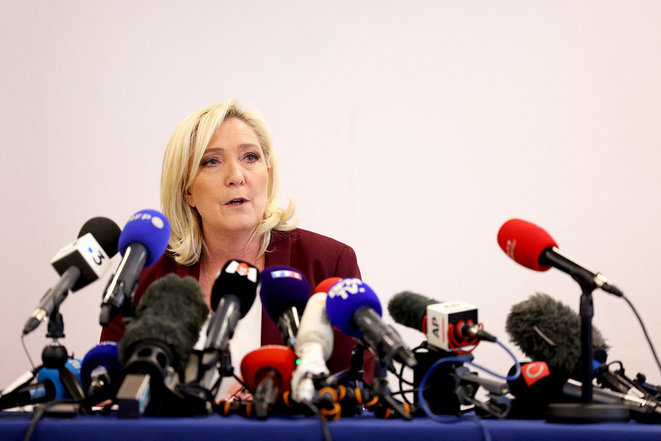
A report by the European Union’s anti-fraud agency OLAF, now passed on to the French public prosecution services, accuses Marine Le Pen, the far-right candidate who will face Emmanuel Macron in this month’s presidential election final round, of the fraudulent misuse of 137,000 euros of public funds she received from the European Parliament when she was an MEP, Mediapart can reveal. Other individuals close to her are also accused by OLAF of defrauding the parliament. Marine Turchi and Fabrice Arfi report.
As far-right leader Marine Le Pen approaches what is predicted will be a tightly fought duel with Emmanuel Macron in the April 24th final round of France’s presidential elections, the credibility of her capacity to govern is under heightened scrutiny, not least over her ability to form a government. Lucie Delaporte reports.
The first round of the French presidential elections was held on Sunday, when centre-right Emmanuel Macron, seeking a second term in office, and far-right Rassemblement National party leader Marine Le Pen emerged as the highest placed out 12 candidates. They will now go on to a second and final round duel on April 24th. There were surprises in the scores of other candidates, and who their supporters decide to back, or not, in the second round will be crucial in what promises to be a tight second-round contest. Find out how the election night unfolded with our live coverage of the events here (along with the official results announced on Monday and a basic guide to how the elections work). Reporting by Graham Tearse and Michael Streeter.
A report by French senators recently lambasted Emmanuel Macron's government over its awarding of contracts worth a total of up to 2.4 billion euros to outside consultancy firms, including the French arm of US firm McKinsey & Company. Now Mediapart can reveal how McKinsey pinned its hopes on Macron when he was France's economy minister, well before he announced he was standing for the presidency in 2017. The consultancy firm's strategy included providing services for the minister for free. Sarah Brethes and Antton Rouget spoke to former consultants at McKinsey who revealed the methods used to try to gain influence with the man who went on to become president of France.
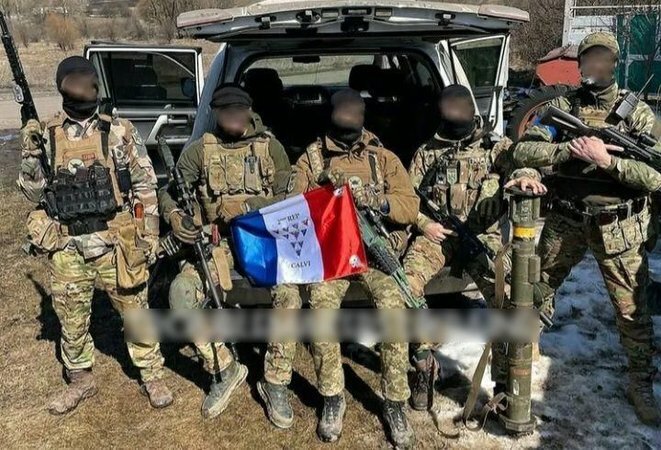
Fighters have been arriving from all corners of the planet to help defend Ukraine itself against the Russian invasion. Mediapart has been told that these foreign fighters include around 150 from France. The authorities in Paris meanwhile worry there could be a repeat of the problems seen during the Syrian war when French fighters went to combat Bashar al-Assad's regime – and came back radicalised. Sébastien Bourdon and Matthieu Suc report.
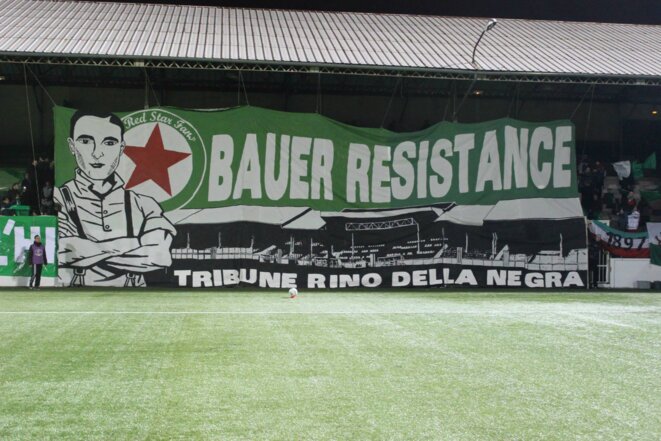
During World War II a young man called Rino Della Negra played for the prestigious Red Star football club from Saint-Ouen in the northern suburbs of Paris. But as well as playing top-level football he was also secretly a member of a French Resistance group. Della Negra was executed on February 21st 1944 by the Nazis at the age of just 20, but later became an icon of the club's grassroots fans. Now two historians have charted the life of this young working class footballer. As Mickaël Correia reports, Della Negra was also the the son of Italian immigrants and his story makes a mockery of the hazy notion of “national identity” so beloved by the far-right today.
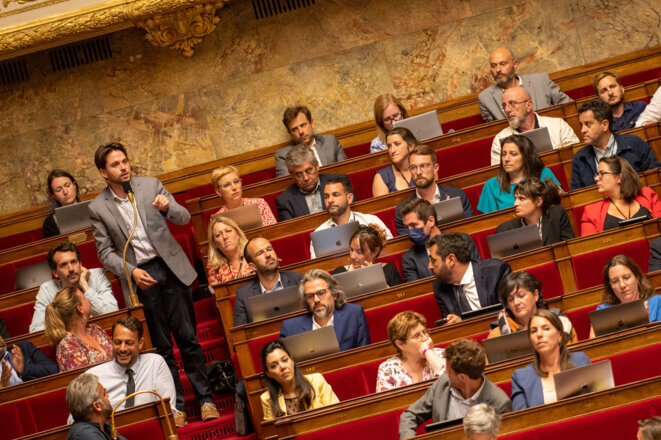
France’s lower house, the National Assembly, on Wednesday approved a package of adjustments to the 2022 state budget, which centres on emergency measures to ease the growing cost of living crisis. But the adoption of the measures came after a tortuous series of debates for the government which, after recently losing its absolute majority in the Assembly, was forced into compromises. For opposition groups, it demonstrated a newly invigorated parliament, while for the government it confirmed the serious challenges ahead for pushing through its planned reforms. Mathieu Dejean reports.