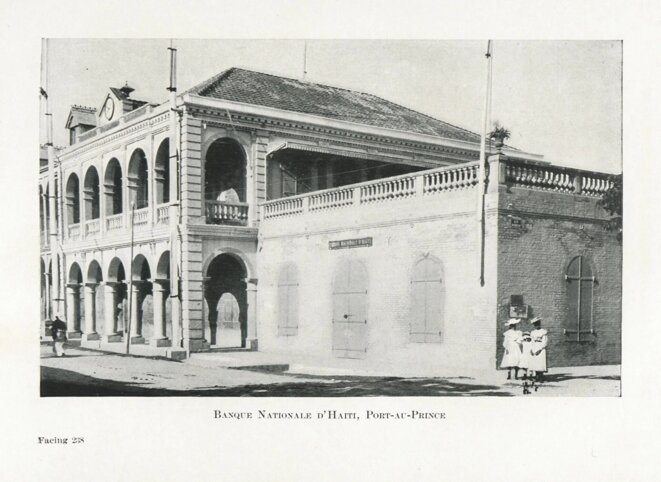
In its recent powerful investigation into the exploitation of Haiti by France in the colonial past, The New York Times highlighted the predatory role played by the bank Crédit Industriel et Commercial. In fact, reports Laurent Mauduit, all French colonial banks practiced this same pillaging system of exploitation in Asia, Africa and the Antilles.
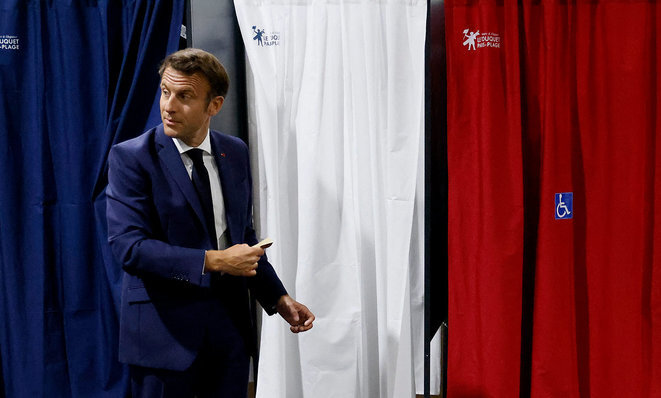
Shortly after winning the presidential election in 2017 Emmanuel Macron won a thumping majority at elections for the National Assembly, enabling him to push through his programme of reforms. Now, two months after his re-election as president in April, the head of state has suffered his first electoral setback at a national level. In the first round of voting in legislative elections on Sunday Macron's coalition of parties attracted only a handful more votes than the united left alliance known as NUPES. Though the head of state's centre-right Ensemble alliance is well-placed to win the support of other voters in the decisive second round next Sunday June 19th, his supporters are nonetheless worried he could lose his overall majority in the National Assembly. Ilyes Ramdani reports.
France went to the polls on Sunday for the first round of legislative elections to elect the 577 members of the next parliament. The vote is crucial for the recently re-elected president Emmanuel Macron, who needs to retain a majority to push through his planned reforms of pensions and the welfare system. In the event, Macron’s centre-right coalition ended neck-and-neck with the newly formed NUPES alliance of the broad Left, which now represents France’s principal opposition, and all is now to play out in the second round next weekend. Follow our live coverage of the first-round results and reactions as they came in through the evening. Reporting by Graham Tearse and Michael Streeter.
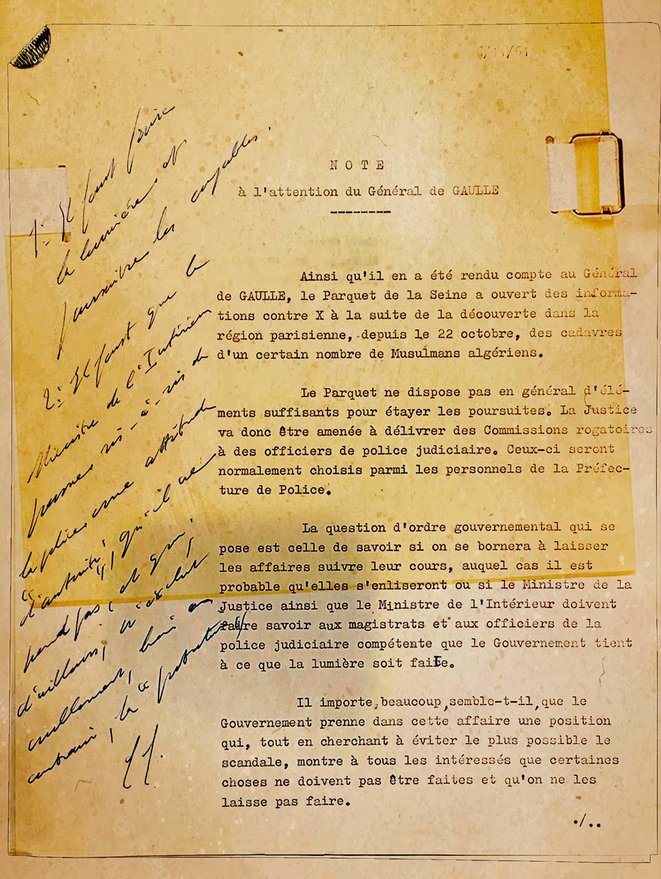
Documents unearthed by Mediapart in France’s national archives, and never before published, reveal that the true horrific extent of the covered-up massacre by police of Algerian demonstrators in Paris on the night of October 17th 1961 was very quickly made known to then president Charles de Gaulle and his advisors. They show that de Gaulle had instructed in writing that those who perpetrated the crimes be brought to justice. But in the end, no-one would ever be prosecuted over the slaughter, which historians have estimated claimed the lives of several hundred people, many of who drowned in the River Seine. Fabrice Arfi reports.
Amid galloping inflation, French Prime Minister Élisabeth Borne this week announced that households with the lowest incomes will be given a one-off financial payment at the end of the summer in emergency aid. The government is also to study the feasibility of implementing a regular payment to the neediest which will be specifically for the purchase of food, what has been dubbed a “food cheque”, although exactly what form this might take is unclear. Humanitarian associations have greeted the moves with caution, among them the Secours Catholique which likened the ‘cheque’ to “a tree that hides the forest” of the crisis. Faïza Zerouala reports.
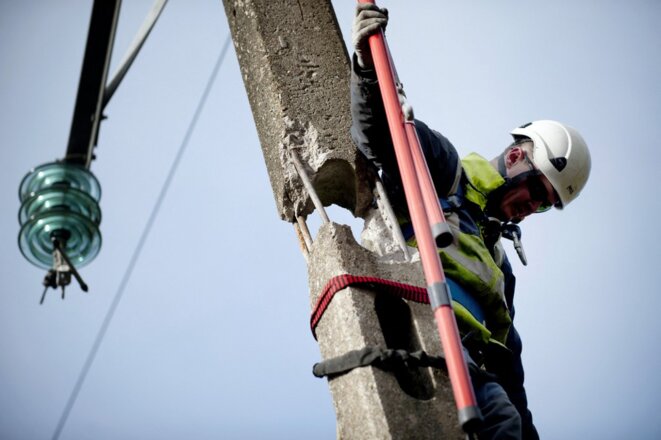
A number of European governments introduced detailed energy conservation plans in the spring to tackle the energy crisis. In contrast, the French government has been happy simply to talk about the need for 'restraint' combined with vague calls for people to cut energy use, argues Martine Orange in this op-ed article. She says it has now taken the country's electricity grid operator RTE to spell out just how urgent the situation is.
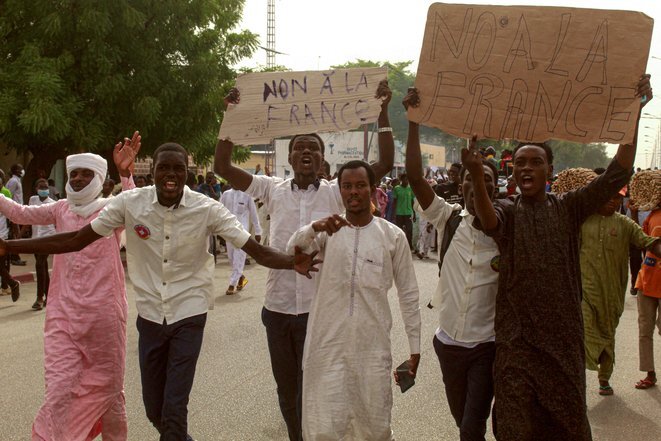
Anti-French sentiment is gaining ground across a number of West African countries, where the presence of the former colonial power, engaged in fighting armed jihadist insurgents across the Sahel, is challenged by growing Russian influence and popular anger against its history of support for strongman regimes. Protests against France’s military presence in the region have now spilled over into Chad, France’s key African ally, governed by a junta, where last month French nationals were targeted in the capital N’Djamena and petrol stations belonging to oil giant Total were ransacked. Rémi Carayol reports.
Candidates standing for Emmanuel Macron's La République en Marche (LREM) party in the 2017 Parliamentary elections could not get enough of the newly-elected president's name and image on their campaign literature. It is a very different story in this year's Parliamentary elections, which are to be held over two rounds on June 12th and June 19th. A number of candidates for the ruling party and its allies have decided to campaign under their own own name rather than that of the recently re-elected president. Some candidates facing a tough battle against the Left or far-right look upon campaign photos of Macron as a “red rag” to disgruntled voters. Ellen Salvi reports.
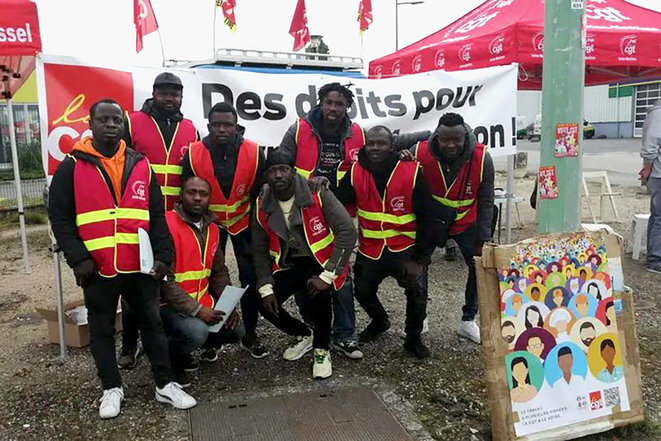
Seven workers originally from Africa were employed by a private delivery firm that worked for the giant American company in northern France from October 2021 until being laid off in February 2022. During that time they worked very long hours for low and often irregular pay. The workers insist that Amazon must have known that they were being exploited. The American group denies the workers' claims. Meanwhile the employees' case against the subcontractor is soon to be heard at an industrial tribunal. Dan Israel reports.
Mediapart has published a series of investigations into the circumstances of the 7.8-billion-euro sale by France to India of 36 Rafale fighter jets, which is clouded by suspicions of large-scale corruption. In this short video with English subtitles, Yann Philippin explains the key revelations and background of Mediapart’s investigations into this most complex story.