


Author Marc Graciano's novel 'Johanne' opens by looking at the “childhood” of his heroine, Joan of Arc, condensed into one evening. Around the family table a traveller is recounting tales about saints and animals, stories illuminated with miracles involving the creatures as well as the holy people . The man reels off some unlikely nonsense, but because he is “wonderfully inspired, full of ecstasy for God and a fool for Christ”, there is something in his words which profoundly affects the child.
In a transition passage at the end of the chapter, the man gives the heroine a medal of Saint Michael. Saint Michael would become one of the 'voices' that would later help drive Joan of Arc (1412 to 1431) to her destiny. Johanne - though known as 'Jeanne' in French and 'Joan' in English she was christened 'Jehanne' – would later find the same kind of pagan freedom when she celebrated a “children's mass”, combining both animals and holiness.
The historical and potentially perilous journey described in this book crossed land that was mostly controlled by the English or the Burgundians – in other words hostile territory for the French – and so Johanne is to a large degree a novel of the night. It is moreover a winter's night, cold and dark, though this allows the story to focus on figures that emerge from the gloom like luminous halos.
Johanne follows one such wonderful light in the forest, which turns out to be a lantern carried by a leper. This man has been waiting for her in order to pass on heretical opinions which she finds unsettling, but which also suggest to her a relationship to the sacred that is both more just and more effective than that provided by the church.
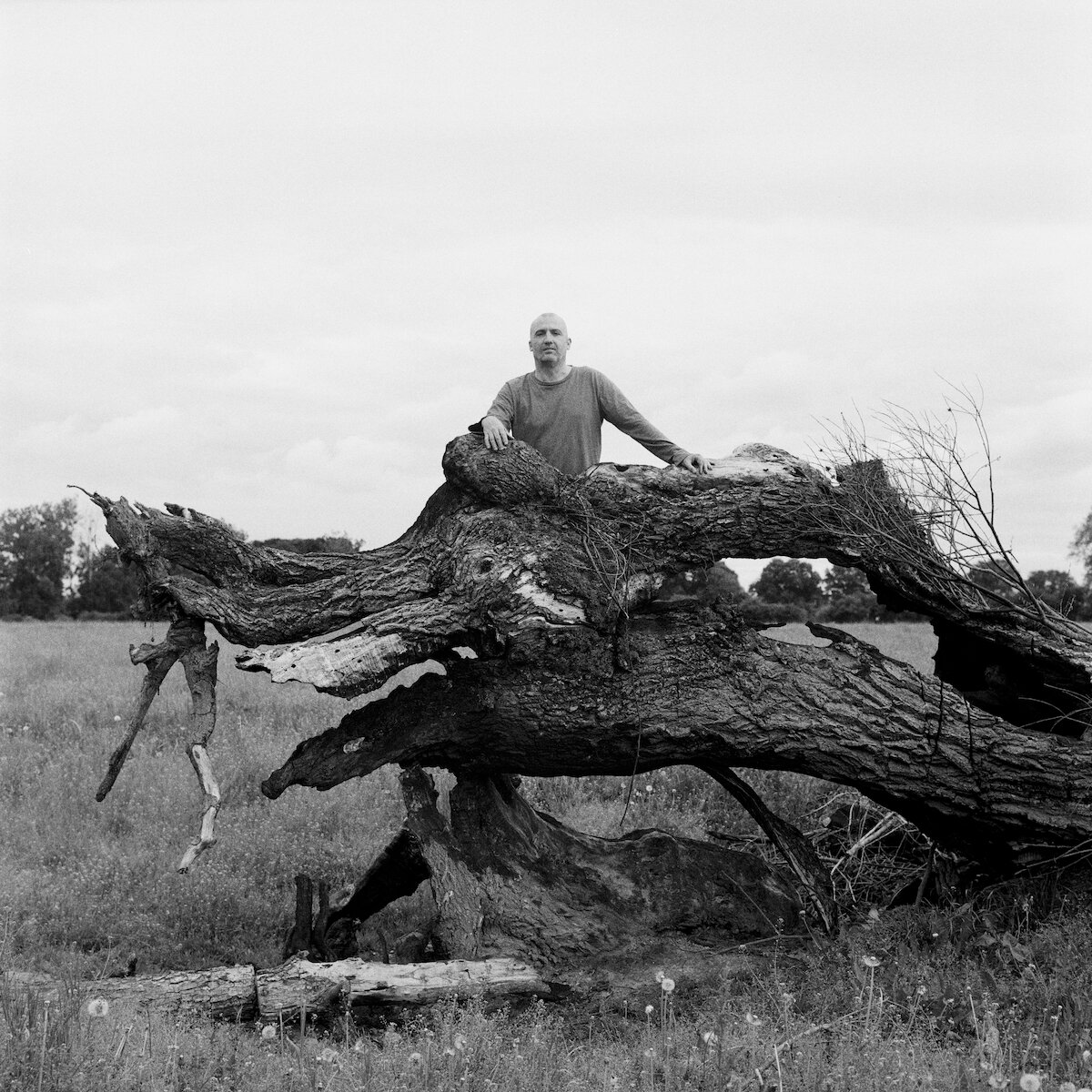
Enlargement : Illustration 1
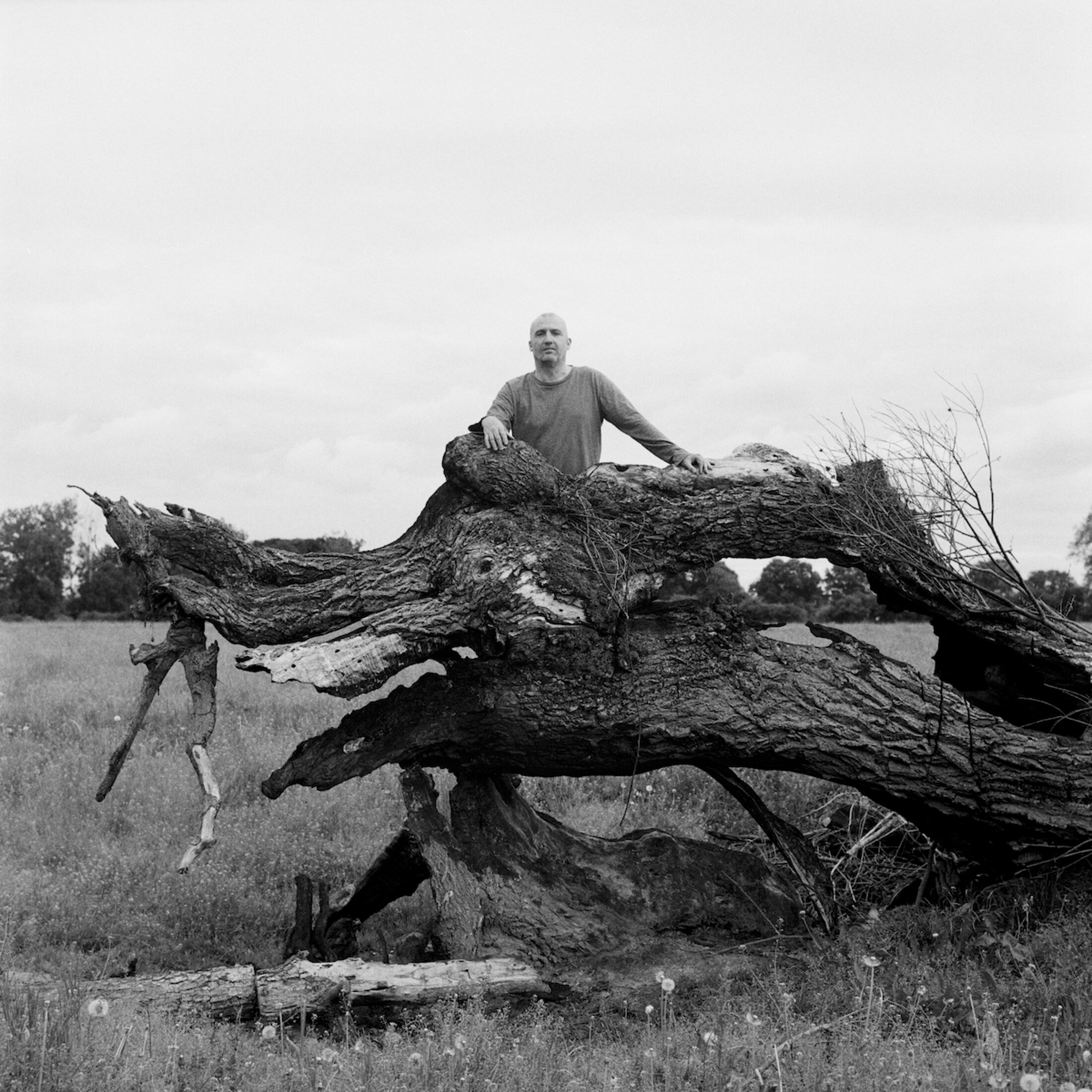
The young traveller had earlier received another lesson from a prior at a poorly-defended and badly-maintained abbey. The monk insisted that profitable and well-fortified abbeys went against the spirit of Creation, as they were opposed to the spirit of sharing. He also stated: “God was present in Evil as in Good … he had no will, nor even any intention.” The leper took it one step further: “It was therefore men who created God and not the other way around.”
Initially Johanne rejects these arguments which undermine her vision of the world but in the chapters that follow one senses that she has internalised them, and that without wholly accepting these ideas she grows as a result of these encounters, open to all her experiences.
Like other characters, the novel's narrator senses Johanne's aura. Rather than having a religious or mystical dimension, this aura feeds on the intensity with which the heroine embraces life and her fellow beings. We never really get inside her own thoughts, as it is her valet - a “former student at the University of Paris” - who recounts the story. In this way the reader sees her in the same way as those who accompany her.
Marc Graciano's prose shows without telling or judging. But his writing also walks something of a tightrope, as each of the 13 chapters comprises of a single sentence, broken into very long sub clauses, and its sense of time, with the use of lots of commas, allows it to describe a world that is, paradoxically, envisaged in the present, and not always in terms of what is going to happen. As the story unfolds we get depictions of the beauty of lakes in winter, the crossing of a river, and numerous descriptions of the cold. What matters rather than the route is the fact of journeying itself, a parenthesis between two fixed places where each encounter, each detour from the route, can take the form of a troubling revelation.
There are several motifs in this novel that can be found in Marc Graciano's previous books: the importance of the care and attention taken by the narrator or an old blind collier; iconoclastic figures who utter unsettling words; a bear and a young acrobat dancing, whom we have already come across in his novels 'Embrasse l'ours et porte-le dans la montagne' and 'Liberté dans la montagne'. But Johanne is different in its growing and ever more joyous momentum; an impetus based on the passion of the main character, who is embarking on a freely-chosen destiny and one which will, it is hoped, feature again in future books on Johanne.
Graciano depicts a young woman “intoxicated by grace”, who is full of life but also angry and worried, giving us an insight into elements of potential confusion in her calling. The author provides the reader with a personal and unexpected depiction of Joan of Arc, while also making us feel the drive and conviction that a young peasant girl must have had in order to play a role in history.
This novel, which is based on enthusiasm, generosity and movement, also gives us moments of metaphysical questioning through the words of apparently simple people, in language that strips away the boundary between the sacred and the profane. Marc Graciano has liberated a figure who, by dint of her many depictions, had become a rather stiff, starchy character, and has instead captured the mystery of Joan of Arc. Perhaps this is the mystery of any human being who is driven on to higher levels of luminance.
Also being published at the same time as Johanne is Graciano & Co, a book which draws together a long interview with the author conducted by the review La Femelle du Requin in 2017, and “reflections” in which other writers – including Claro, Bérengère Cournut and Patrick K. Dewdney – speak of the importance of his books for them.
*
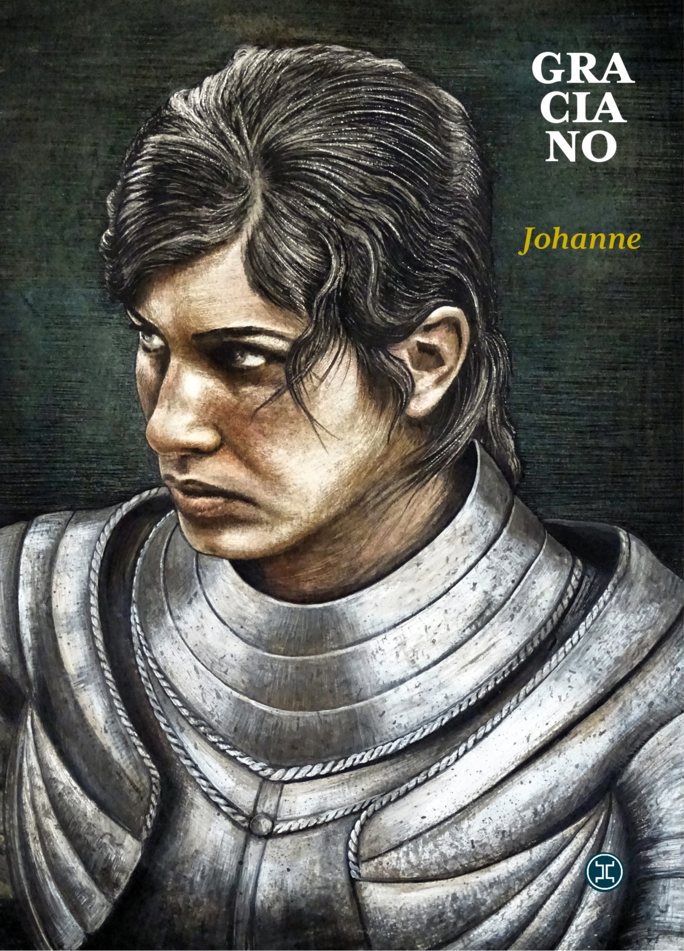
Enlargement : Illustration 2
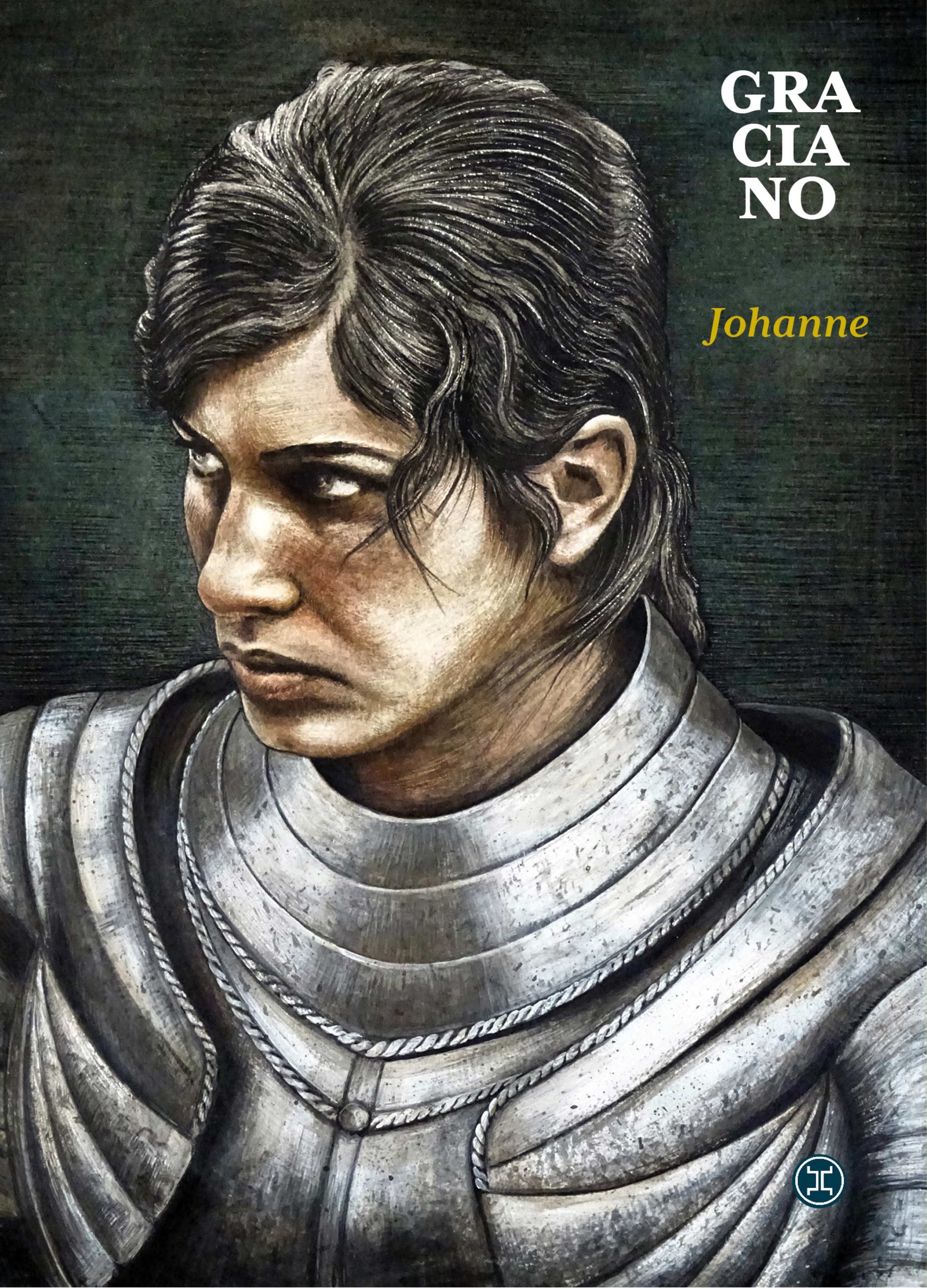
Marc Graciano, Johanne, published by Éditions Le Tripode, 304 pages, €20
Collective, Graciano & co, published by Éditions Le Tripode, 80 pages, €5
-------------------------------------------------------------------------
- The original French version of this article can be found here.
English version by Michael Streeter