


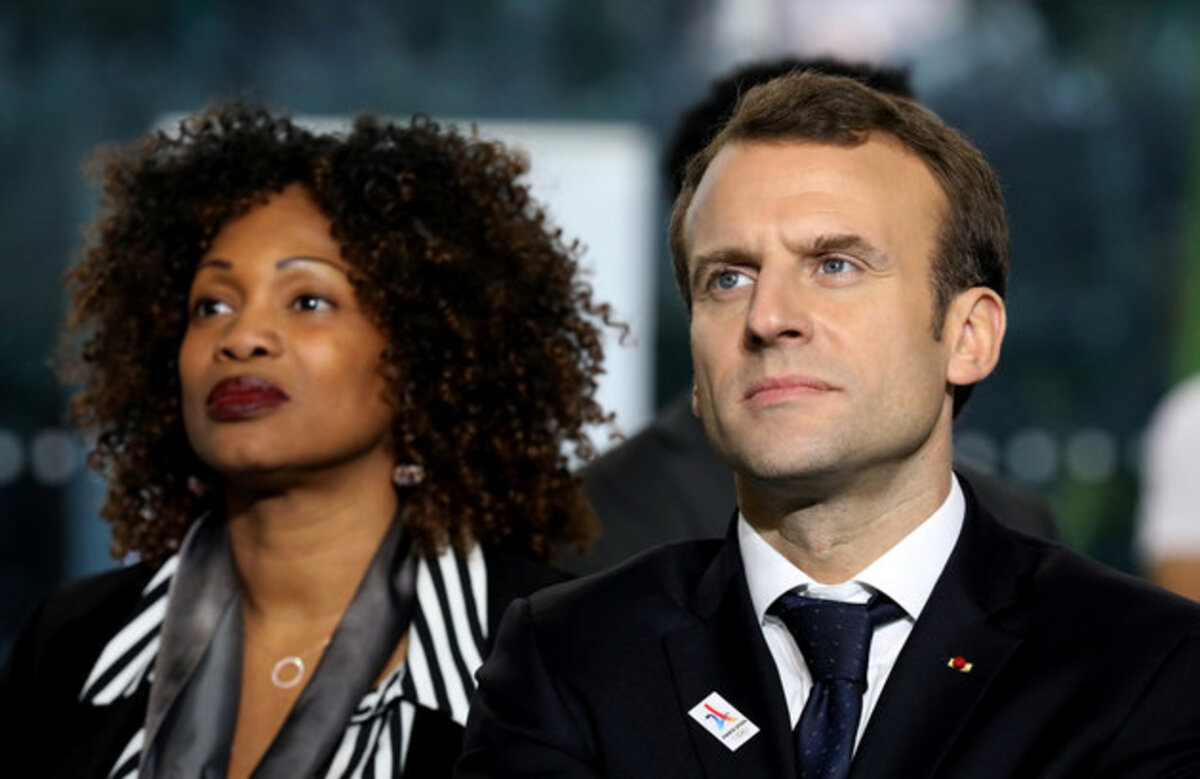
Among her own entourage there was a mixture of disappointment and incomprehension when, out of the blue, the former fencing champion Laura Flessel resigned as France's sports minister on Tuesday September 4th. The departure of the minister, generally seen as one of the most popular in the government of President Emmanuel Macron and prime minister Édouard Philippe, surprised most onlookers, coming so soon after the dramatic resignation of high-profile environment minister Nicolas Hulot.
Flessel's supporters quickly made it clear that the reason behind the move was not political disagreement with the presidency or burnout. Her office emailed a message to members of the government at around 11am on Tuesday, in which she repeated the pride she felt in having been able to serve her country in what had been an unexpected way for the former Olympic and world champion fencer. She explained simply that she needed to step back for “personal reasons” and out of a desire to “resume past commitments, involving people, solidarity and international cooperation”.
Enlargement : Illustration 1

But a few hours later the news dropped: her personal situation was rather more complicated that simply a dose of the blues. In reality Laura Flessel and her husband Denis Colovic are being targeted by the tax authorities, who have referred the issue to the tax fraud commission the Commission des Infractions Fiscales (CIF), ahead of possible criminal proceedings over tax fraud.
When Mediapart broke the news to Laura Flessel's spokesperson she was dumbfounded. “I didn't know...” was the reaction. At the time the minister's team was preparing for the traditional exchange of speeches as Laura Flessel prepared to hand over to her nominated successor, Roxana Maracineanu, the former champion swimmer. She now faces the tough task of trying to protect the resources of a ministry which already suffered cuts in 2017 and which in the next budget round, according to L'Équipe sports newspaper, could face further cuts of 6.2%.
Meanwhile the outgoing minister's allies belatedly sought a new way of portraying her departure. “Laura Flessel has done nothing wrong personally, the facts relate to a company which her husband managed and these facts are not behind her resignation,” said one. Those same allies also – rightly- pointed out that the issues at stake arose from tax returns made before Laura Flessel became a minister.
In truth, the minister had been informed several weeks ago in a letter – by recorded delivery – that her case had been referred to the CIF. But this sensitive information had been kept to a very restricted circle of people. The referral to the CIF followed checks carried out by tax officials at the finance ministry, acting under the guidance of the public ethics watchdog the Haute Autorité de la Transparence de la Vie Publique (HATVP). These checks have been going on ever since the surprise nomination of this French sporting icon to the position of sports minister last year.
For like every member of the government Flessel, a former Olympic champion who carried the team's flag at the London Games in 2012, had her tax affairs examined when she took office. Her private property was examined as were her companies, including the company that handles her brand and image rights Flessel & Co, the one at the heart of the tax investigation. She has a 87.5% stake in it while her husband has the remaining 12.5% stake and manages it. This is now the standard procedure for new ministers, one which was introduced in October 2013 after the Cahuzac affair involving the former budget minister Jérôme Cahuzac.
In the past such checks were carried out unofficially by tax inspectors at the request of the government's budget minister. In a bid to prevent political interference and ensure independence, the checks are now carried out by the same administrative department under the ultimate authority of the budget minister but done so in close co-operation with the HATVP.
These detailed checks can take several months and involve written statements and questions and rights of reply. This is what happened in the case of Laura Flessel whose checks started in May 2017 after she was became a minister. Four months later, in September 2017, she decided to start proceedings to dissolve Flessel & Co, which had been set up in 2006. In 2016 Flessel had received 67,188 euros from the company. The former minister has not responded to questions from Mediapart as to why she started proceedings to dissolve it.
This episode attracted the curiosity of tax inspectors working for the Direction Générale des Finances Publiques (DGFIP) who, after several months of research, considered the situation sufficiently serious to refer it to the fraud commission, the CIF. In 90% of cases the CIF follows the analysis made by these tax officials. The seriousness of the case depends partly on the level of money involved. According to Mediapart's information, in this case several tens of thousands of euros in potentially unpaid taxes may have been involved over the last three accounting years. And according to a report in Le Monde, some funds taken from the accounts of Flessel & Co could have ended up in the couple's personal accounts. If so, that could potentially lead the way towards criminal proceedings for misuse of company assets.

Enlargement : Illustration 2
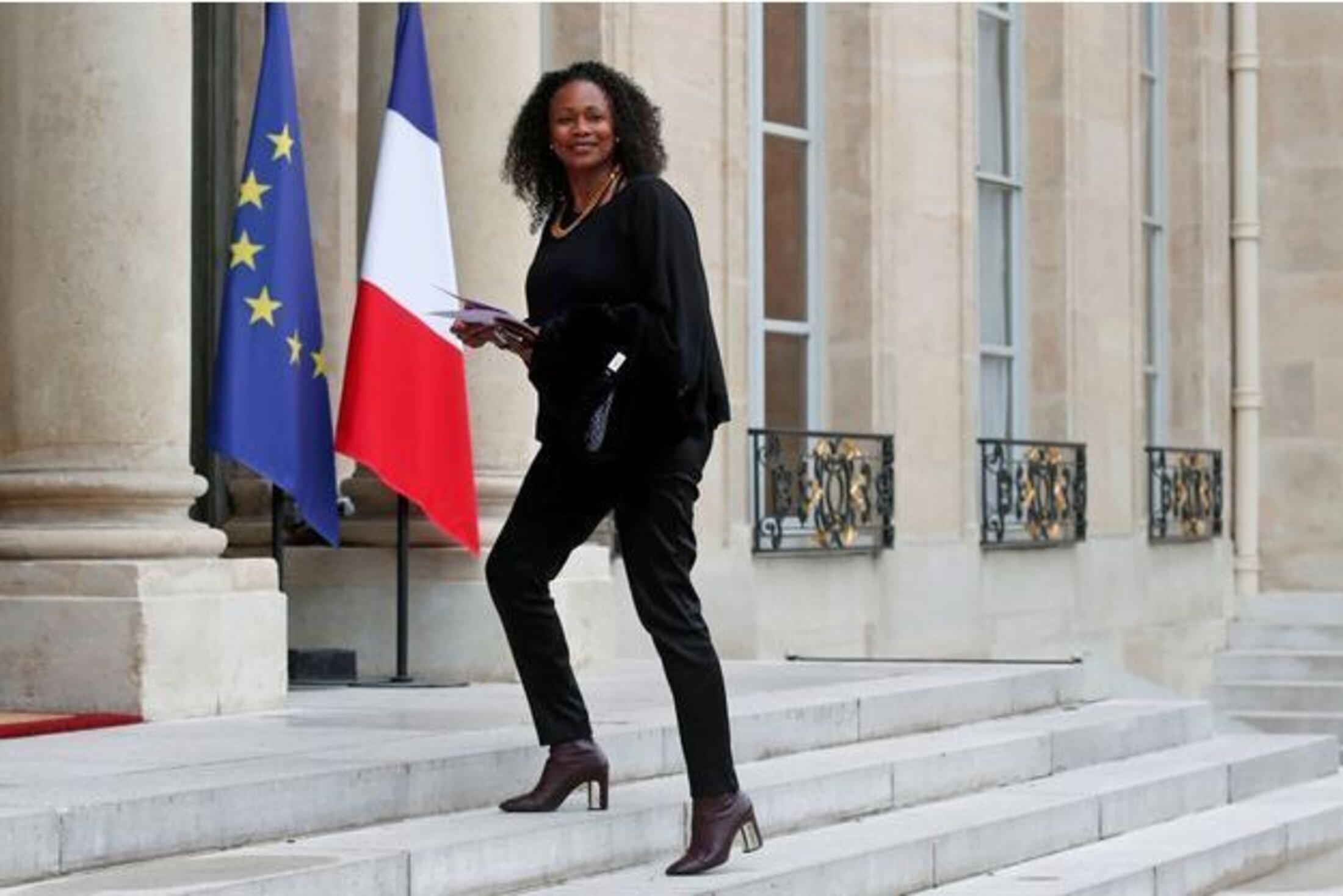
The Flessel affair shows that the new measures brought in since 2013 on public ethics work. Though the checks made by tax officials have taken a long time, it is difficult to cut the process short without weakening the procedure and affecting the right of the reply afforded to the person being investigated.
On the other hand, the reaction of the government to Laura Flessel's resignation has been puzzling. When Édouard Philippe was questioned during a television news bulletin on the TF1 station on Tuesday, September 4th, he refused to comment why the minister quit. “She has decided not to remain in the government for reasons she has described as personal, allow me to show the minimum of elegance in respecting the personal reasons that she has alluded to,” said the prime minister, who was careful not to be drawn on exactly when he had been informed of his minister's situation.
Yet this is an important issue: when exactly did the prime minister and the president of the Republic know that one of their ministers had been referred to the fraud commission? To put it another way, how long did they leave in office a minister who was the subject of a complaint over tax fraud from the state administration? The investigative weekly Le Canard Enchaîné claimed in its issue on Wednesday September 5th, that over the summer the executive had “warned the minister that she had to leave the government at the first opportunity”. But according to the Reuters agency this was denied by a government source.
In theory, article 9 of the ethics law passed in 2013 provides for the HATVP to “inform” the president and prime minister “when it observes that a member of the government is not respecting their tax obligations”. But how such information is communicated is unclear and not spelled out in the text.
Regardless of that, the current budget minister, Gérald Darmanin, must have been aware of the situation, if only to have referred the matter to the commission fraud the CIF – it is the minister or someone he has delegated to do it who does this. That would have occurred several weeks ago. Neither the Finance Ministry, the Élysée or the prime minister's office returned Mediapart's cals on how the issue was handled.
----------------------------------------------------------------------------
- The French version of this article can be found here.
English version by Michael Streeter