


A heatwave headquarters staffed with professional nurses, extra ambulances laid on, dozens of cooling centres swinging into action, agreements with taxi firms to ferry the elderly to cool areas, outreach staff employed to go door-to-door to help people in need …
Is this the heatwave plan being implemented by French prime minister Élisabeth Borne's government to tackle the record temperatures in July 2022? No, this was the policy of Chicago City Hall at the end of July 1995 to protect its most vulnerable inhabitants from the heat. Just two people died in the city during that heatwave, which lasted a few days.
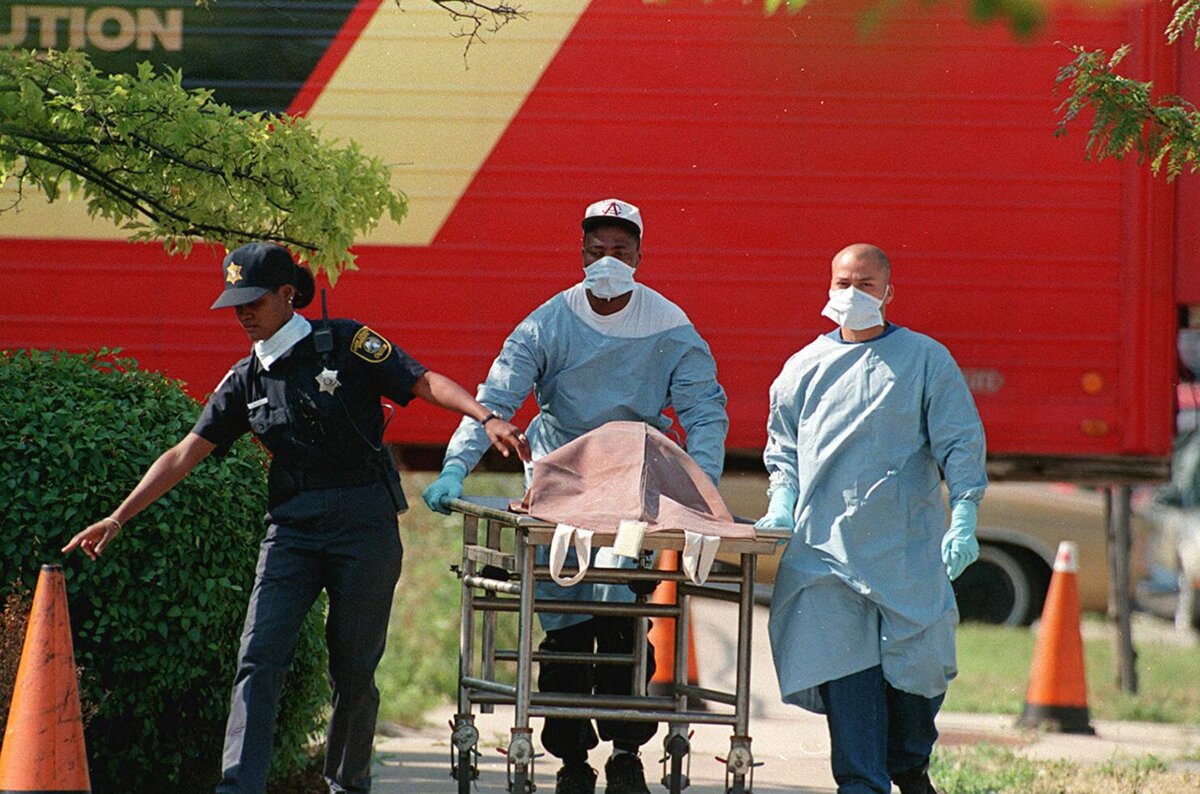
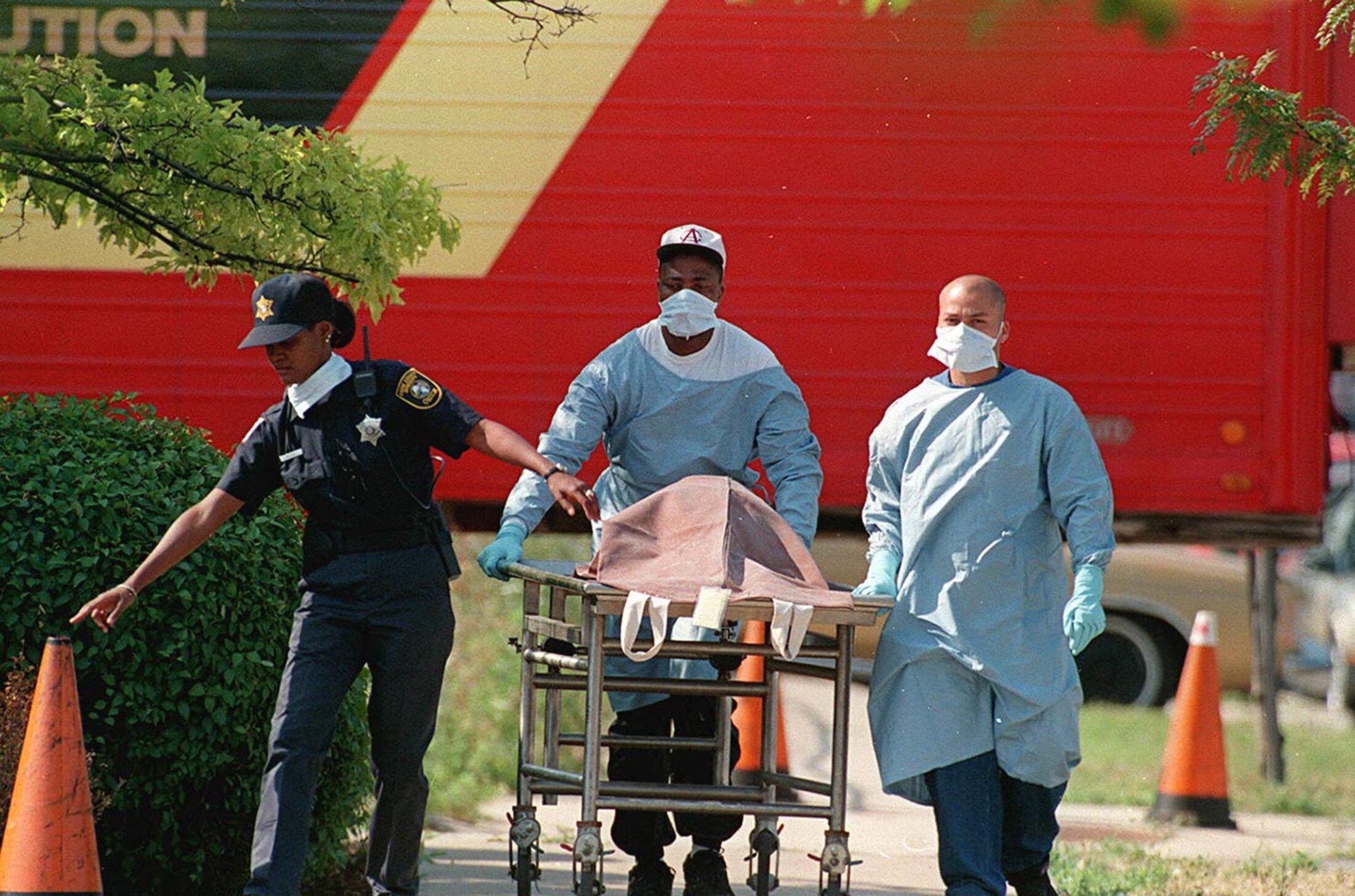
But two weeks earlier soaring temperatures – it reached 41°C in the daytime – had killed more than 700 people in one week in Chicago, making it one of the deadliest heatwaves in United States history.
Enlargement : Illustration 1
Twenty-seven years later, and what is the French government telling people to do to protect themselves from temperatures that are reaching unprecedented levels (Météo France recorded 40.5°C in Nantes in western France and 41.7 de°C in Biscarrosse in the southwest on Monday July 18th)? They are instructing the population to maintain “total vigilance”, to adopt the “right course of action” such as staying in the cool and looking out for older people, and to call a free phone helpline – available only between 9am and 7pm. City Hall in Paris has also opened cool rooms and arranged for doctors to call vulnerable people.
But what about the people who are so isolated no one else knows how they are? Or the people who are too exhausted to adopt these “right courses of action”? Should the public authorities not take charge of helping the poor and vulnerable people rather than simply asking them to adapt to the situation and do the right thing? In Spain a man aged 60 died as he swept the pavement in 39°C. As of Monday the Spanish authorities said 360 people had succumbed to the heat, while the figure in Portugal was 569.
Neglected neighbourhoods suffered more deaths
Yet there were lesson to be drawn from that tragedy in Chicago in 1995, as has been shown by American academic Eric Klinenberg, who spent several years investigating the catastrophe. The result was his book Heat Wave: A Social Autopsy of Disaster in Chicago which has recently been translated into French.
How was it that between July 14th and July 20th 1995 some 739 people died from overheating in a city in the richest country in the world? According to the sociologist it was the result of segregation and inequalities but not just that. Eight of the ten neighbourhoods with the highest mortality rates were inhabited almost exclusively by Afro-Americans. These areas also had high levels of poverty and crime, and many people in them were completely isolated.
Enlargement : Illustration 2
“But that's not the whole story,” writes Klineberg, who compared the fate of residents from two adjacent and sociologically similar neighbourhoods on the West Side of Chicago: North Lawndale and South Lawndale. The former had a death rate of 33 per 100,000 residents while the latter had a rate of only two per 100,000. Why was there such a difference?
The author found that the areas least hit had vibrant streets, a variety of local long-standing businesses, public facilities such as parks and libraries, and an active community of local voluntary groups. These are what Klinenberg calls “social infrastructure”, the elements that help to make a neighbourhood a community.
In contrast, the areas worst hit by the heatwave were notable for their run-down state: closed shops, abandoned factories, waste ground that had been left empty and taken over by drug dealers. They were areas which residents were looking to leave.
In the least-affected areas people were able to walk to the nearest restaurant or shop, and residents knew who their neighbours were, who lived alone and who was ill. The existence of a welcoming urban environment – Klinenberg speaks of “social ecology” - encouraged people living alone to go out in the street and regularly meet other people. Yet in the worst-hit neighbourhoods elderly people shut themselves away at home; having no family ties, they were also unable to make friends.
Heatwaves are silent and invisible killers of silent and invisible people.
The victims were mainly older people; 73% of those who died were aged over 65. The death rate of Afro-Americans was the highest proportionately of all the ethnic and racial groups. This fact points to a form of environmental racism, in which people habitually discriminated against because of their presumed membership of a racial group also suffer the effects of a particularly harmful environment.
Another lesson, and one which in hindsight sends shivers down the spine, is that initially the city and its health authorities sought to play down the health impact of the heatwave. It took the dogged determination of chief medical examiner Edmund Donoghue before the catastrophic rise in the death toll was attributed to the heatwave.
And yet the “death toll from the one-week heat wave [was] unprecedented in US history...”, as Eric Klinenberg writes. And images of the dead bodies and refrigerated lorries were shown on the media. However, writes the sociologist, “the dead bodies were so visible that almost no one could see had happened to them”.
Klinenberg states: “Heatwaves are silent and invisible killers of silent and invisible people.” Most of all, they are what the French sociologist Marcel Mauss called a “total social phenomenon”. In other words, an event which shakes social institutions and lays bare a section of reality that is normally hard to spot.
After end of the July 1995 Chicago heatwave the corpses of 41 people were left abandoned forever. No one ever came to claim them. In the end, they were put inside a plywood box and buried in a single trench that served as a mass grave.
----------------------------------------------------------------------------
- The original French version of this article can be found here.
English version by Michael Streeter