


The publication this month of a book by three investigative journalists which accuses, through detailed testimony, the head of France’s domestic intelligence services, the DCRI, of mounting illegal surveillance operations against the media has led to outcry among journalists and the country’s political opposition.
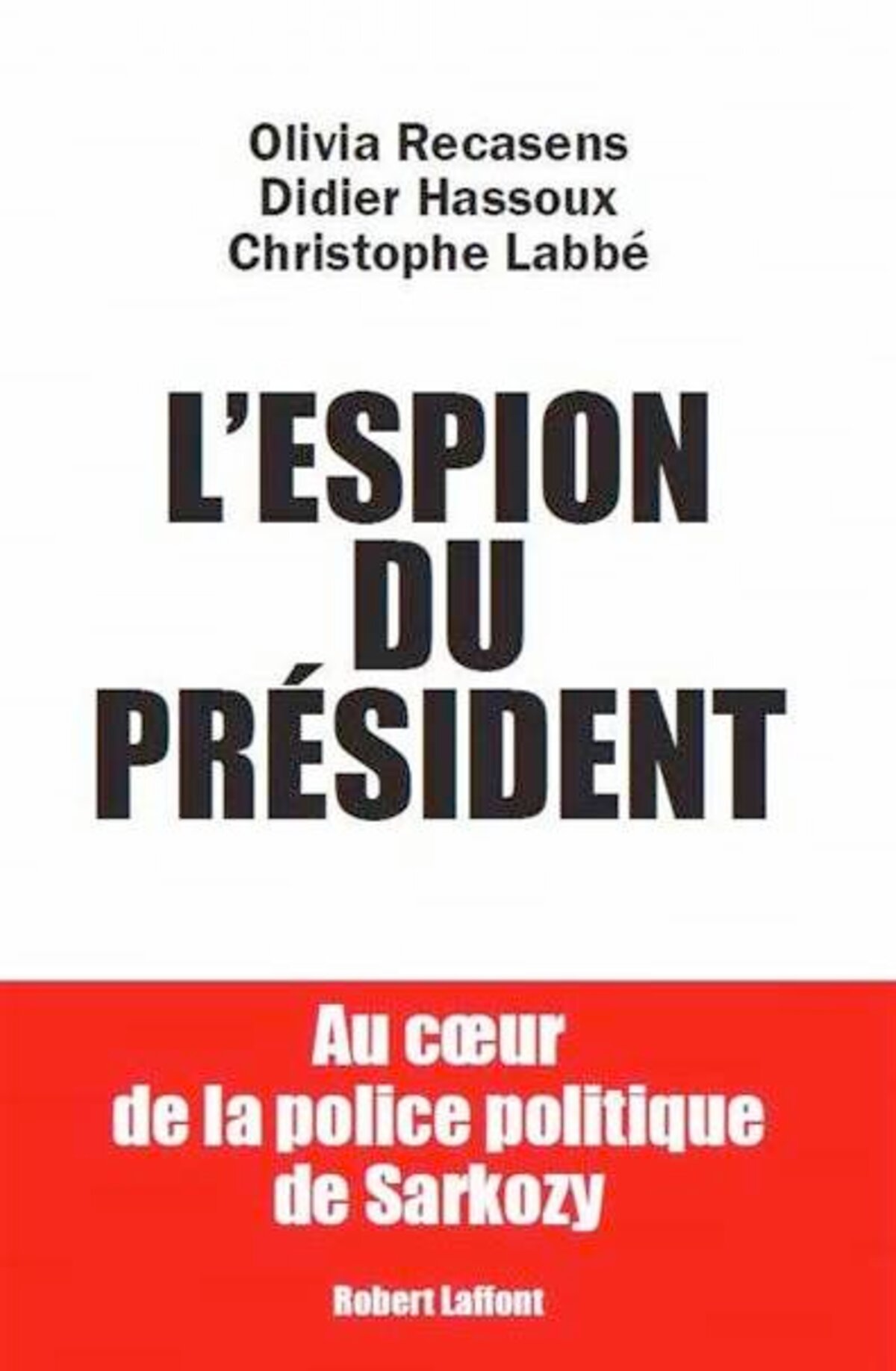
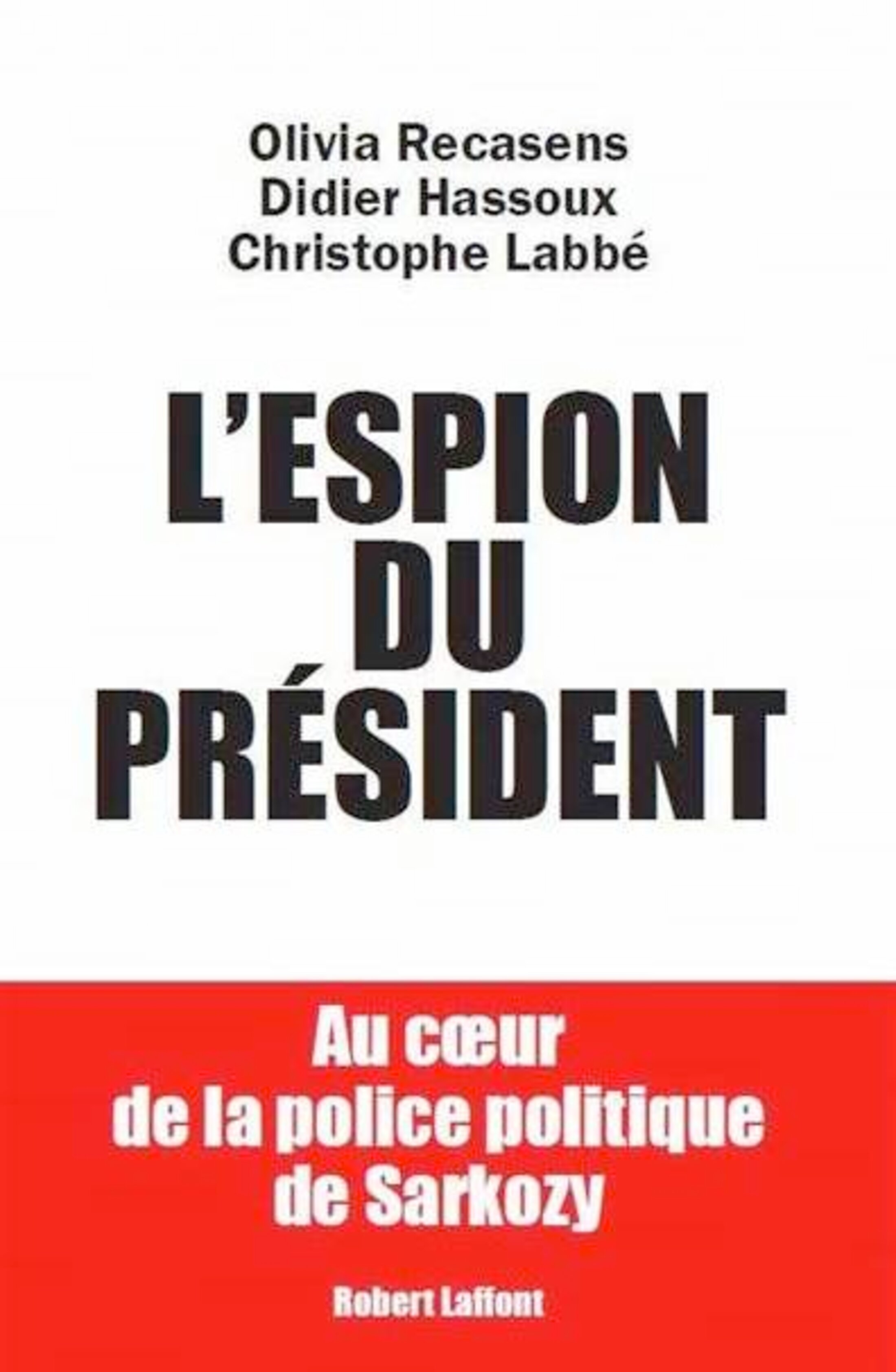
The book, L’Espion du Président (The President’s Spy), by Olivia Recasens and Christophe Labbé from French news weekly Le Point, and Didier Hassoux, from investigative weekly Le Canard enchaîné, alleges that under the leadership of Bernard Squarcini, head of the Direction centrale du renseignement intérieur, the intelligence agency has been used as a tool for protecting the French presidency from critical media investigations, notably through the use of illegal surveillance of computers, email correspondence and phone conversations.
Enlargement : Illustration 1
Squarcini’s DCRI was created in 2008, after the merger of the Renseignements généraux (RG), the French national police force’s intelligence service with the former state domestic intelligence service, the Direction de la surveillance du territoire (DST). The book contains an interview with Joël Bouchité, a former RG director who subsequently became a security advisor to President Nicolas Sarkozy, in which he says that Squarcini has kept “lorry-loads of archives” that concern “notably political figures and journalists”.
During the French parliament’s weekly question time on Wednesday, three Socialist Party MPs - Jean-Jacques Urvoas, Delphine Batho et Olivier Dussopt - tabled three precise questions demanding a government response to several of the allegations contained in the book.
These were: “What has become of the 50,000 documents that the Renseignements généraux held on the press and political world?”; “Is there, at the heart of the DCRI, a special operations group made up of some 15 officers and led by a divisionary inspector?” and “Do DCRI teams organize phone taps, and do they intercept emails, outside of any legal framework?”
In the absence of interior minister Claude Guéant, who was taken up with ceremonies surrounding an official visit to France by Ivory Coast President Alassane Ouattara, the questions were addressed to his junior minister, Philippe Richert.
Describing 'The President’s Spy' as a work of “polemical violence”, Richert dismissed what he called “an intolerable accusation against the [democratic] loyalty of an institution and the exemplary public servants who work within it”. In an indirect reference to the phone tapping scandal under socialist president François Mitterrand (1), Richert told MPs that the government had no need for “moral lessons”.
He offered no precise answers to the three tabled questions, prompting the socialist MPs to reiterate them amid shouts of “Answer!” from the opposition benches.
-------------------------
1: Under President François Mitterrand, the Elysée presidential offices contained an anti-terrorist unit that set up phone taps of journalists, celebrities and others between 1982 and 1986. A trial in 2004-2005 ruled that some of the surveillance was unrelated to national defence and established only to protect the president's private life or for other illegal reasons.
Interior minister 'a grand vizier'
“The absence of a reply to our questions is very striking,” commented MP Jean-Jacques Urvoas. “The simple fact that we are not given an answer feeds an even more disturbing suspicion. Our margin of manoeuvre in this affair is weak, because the DCRI exists outside of a legal framework, there is no law upon which its activity is founded. We have no means to control what it does, we don’t even have the possibility of going to Levallois-Perret, where its headquarters are, because it comes under national defence secrecy and can oppose [visits by] judges, just like with parliamentarians. All that we have left is [the power of] repetition. Perseverance is going to be one of our qualities.”
His colleague Delphine Batho objected that the government used either what she called “avoidance” or “intimidation” when called to account over sensitive issues. “Unfortunately we can do nothing other than to ask and ask our questions again, and to make citizens witnesses to this refusal to reply” she said.
The three MPs insisted their concerns did not target the DCRI as a whole, as suggested by junior minister Richert, but rather they had wanted to call Claude Guéant to account. Referring to his absence, Batho commented: “One must never announce the questions in advance. That was the case today, but the minister had other things to do rather than reply to our questions […] It happens that, in matters of protocol, a minister must welcome a head of state. The coincidences of dates sometimes work well.”
Olivier Dussopt said the interior minister’s name appeared “every time that affairs concerning political financing are raised, [like] Djouhri, Takieddine, Bourgi,[...] or when there is question of the secrecy of journalists’ sources, [the illegal monitoring of] phone records, phone tapping.”
Urvoas added: “There is an instrumentation of the police and the gendarmerie by Claude Guéant that worries us. Claude Guéant is not a minister of the republic, he is the grand vizier of a clan.”
-------------------------
For more on some of the issues raised in this article:
Mediapart files complaint after Elysée 'dirty tricks' revelations
Retired French intelligence head confirms illegal spying on media
New evidence implicates President Sarkozy in 'Karachigate' deals
The scandalous intimidation of the French media
Bettencourt tapes stolen in mystery break-ins targetting Mediapart, Le Point and Le Monde