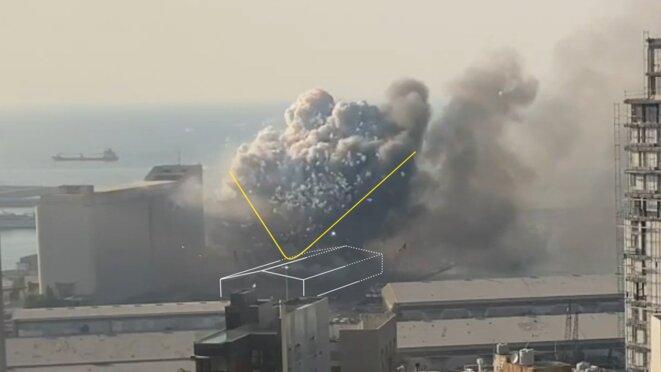
On August 4th this year, a huge explosion ripped through the port of the Lebanese capital Beirut and the surrounding city neighbourhoods, killing more than 200 people, wounding more than 6,500 others and leaving hundreds of thousands homeless. It was so powerful that the shockwaves and tremors it caused were recorded hundreds of kilometres away. Now, London-based independent research group Forensic Architecture has produced a remarkable video report with 3D imaging, using documented evidence and expert input, to piece together a precise chronology of the multiple causes of the explosion, and which Mediapart presents here.
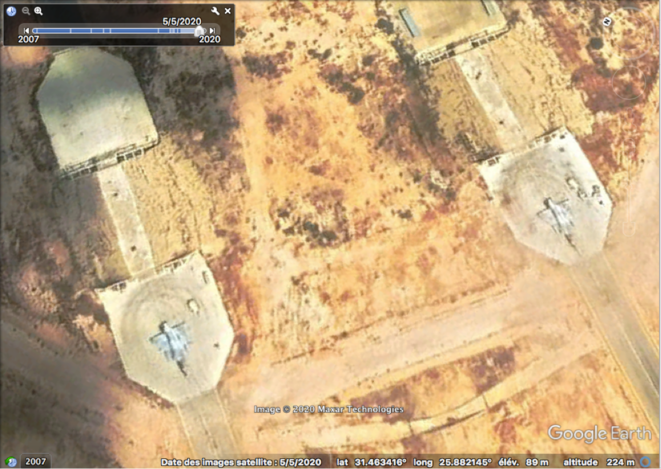
The United Arab Emirates (UAE) is actively involved in Libya’s civil war in support of warlord Khalifa Haftar’s campaign to topple the UN-recognised Government of National Accord in Tripoli. That military support involves the deployment of the UAE’s French-built Mirage fighter planes, which are suspected of firing missiles at civilian sites, representing potential war crimes. Those same aircraft are given technical maintenance and upgrades by French defence firms acting with government approval, raising serious questions about France’s compliance with international law.
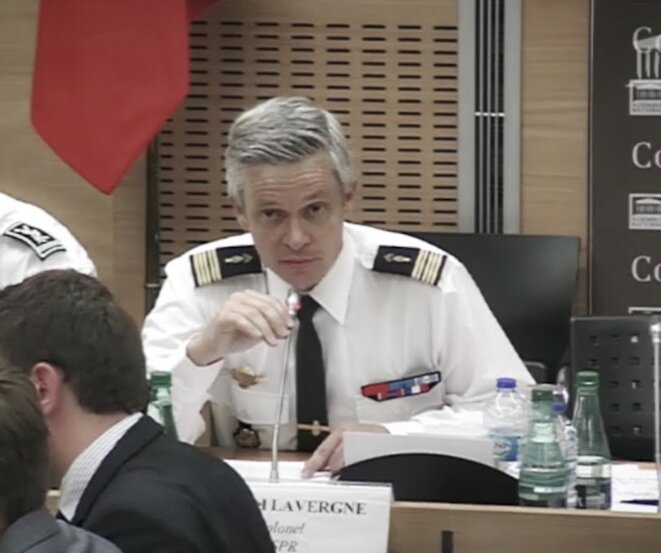
The name of senior gendarme officer Lionel Lavergne cropped up during an investigation into a Corsican 'mafia' godfather in 2014, Mediapart has learnt. Yet despite the astonishing contents of phone-taps in the case, that same year the gendarme was appointed number two in charge of protecting the president at the Élysée. When subsequently told by a senior official at the Élysée that he would not get promoted to the top post, Colonel Lavergne retorted: “You don't know who you are dealing with.” He later got the top post, working as head of Élysée security for presidents François Hollande and Emmanuel Macron from 2017 to 2019. Matthieu Suc and Brendan Kemmet report on the results of a Mediapart investigation that goes back five years.
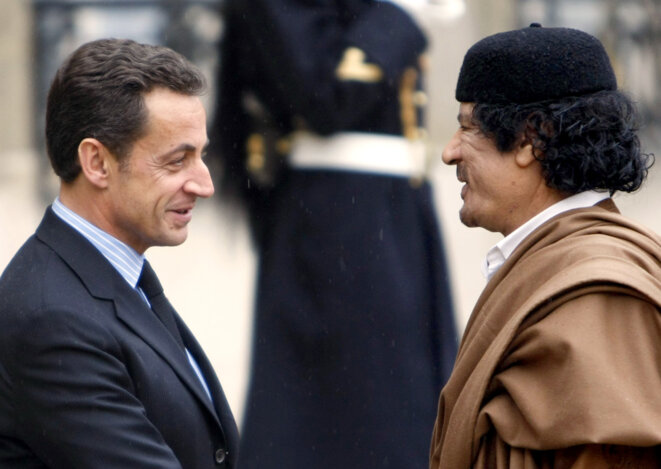
Ziad Takieddine, the ruined businessman who is on the run after being convicted in a separate political corruption case in France, has told Paris Match magazine and BFM-TV news channel that there was “no Libyan funding” of Nicolas Sarkozy's 2007 presidential campaign. This contradicts what he has previously told a judicial investigation into the affair and various media. But he maintains that he did hand over cash to Sarkozy's former chief of staff Claude Guéant. The former president himself immediately made clear his delight at Takieddine's retraction. Just a few days ago Sarkozy had described the middleman as a “madman” and a “manipulator”. Fabrice Arfi and Karl Laske report.
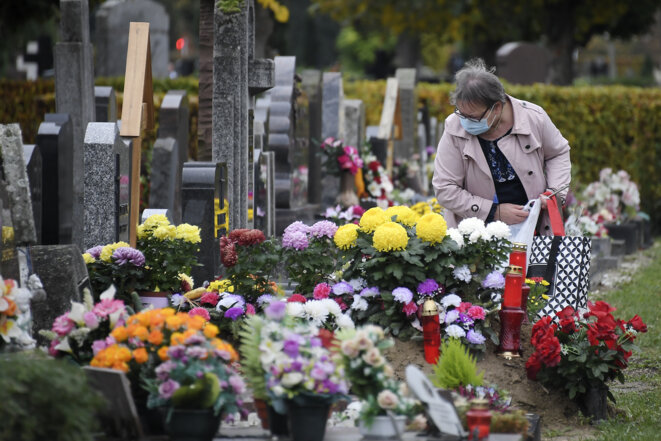
A report from a French government department has highlighted the major problems that took place as the country dealt with the victims of the epidemic in the spring. These included the enforced cremations of some of those who died, and funeral staff being exposed to danger of infection. The document, seen by Mediapart, contains a number of recommendations about what the state should do in the future. But as Lou Syrah reports, there are fears that without swift action the authorities could face similar problems - and greater anger - during the second wave.
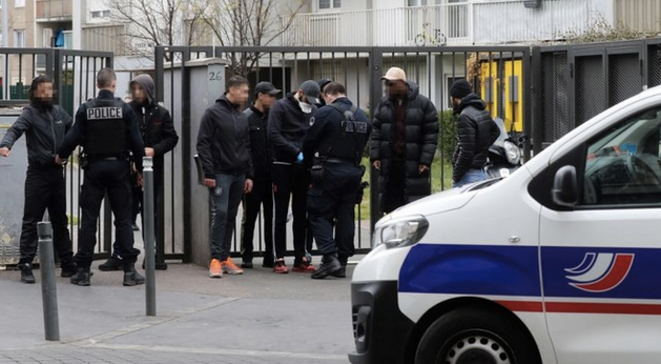
A suspect detained by a group of French police officers north of Paris was kicked in the head, tasered and had excrement smeared on his jacket even though he was restrained at the time. Mediapart is publishing extracts from a report by the police watchdog which showed the scale of the violence meted out by the officers as well as the efforts they made to cover up their acts. Yet as Pascale Pascariello reports, only one of the five officers involved is due to face the courts over their actions.
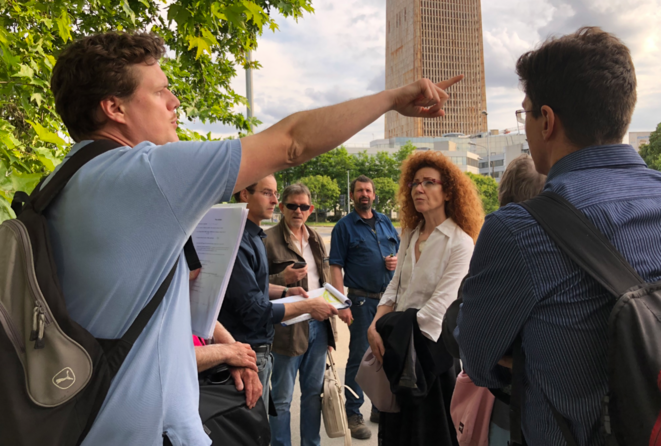
In readiness for the 2024 Olympic Games in Paris the authorities are building a new motorway junction to service the Olympic Village for athletes. However, this busy junction at Saint-Denis, north of Paris, is close to a school complex for 700 pupils. French administrative courts have just approved the project, despite the fact that, as documents seen by Mediapart show, the junction is likely to worsen air pollution in the area. Opponents meanwhile point to anti-pollution measures taken outside schools in the centre of the capital and claim that pupils in the city's rundown suburbs are being discriminated against. Jade Lindgaard reports.
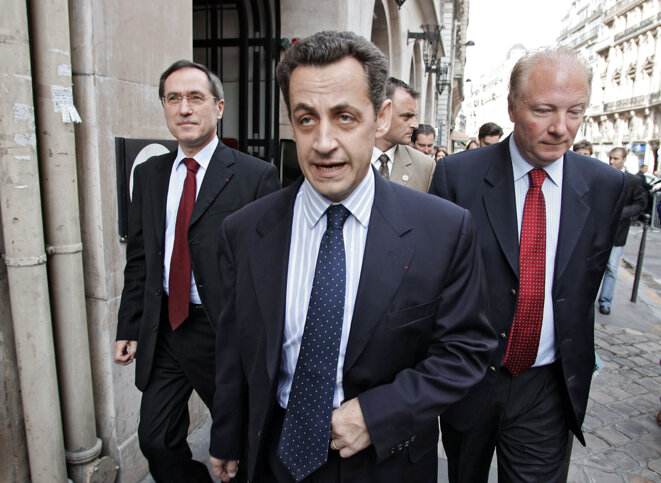
Former French president Nicolas Sarkozy was subjected to four days of questioning earlier this month by judges leading a complex investigation into evidence of Libyan funding of his 2007 election campaign, at the end of which he was formally placed under investigation for “criminal conspiracy”. Mediapart has obtained access to the transcripts of the interrogation, during which he insisted on his innocence and laid responsibility for any wrongdoing on his two longstanding, loyal right-hand men, Claude Guéant and Brice Hortefeux, describing their dealings with Libya and intermediaries as, variously, “incomprehensible”, an “error” and a “mistake”. Fabrice Arfi and Karl Laske report.
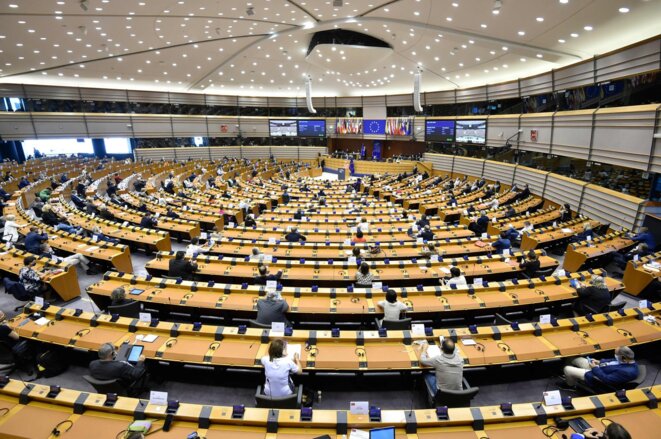
Among the Members of the European Parliament are a group of farmers and others with agricultural interests who benefit directly from the subsidies provided for in the EU’s Common Agricultural Policy (CAP). The fact that many of them are at the forefront of negotiations to map out the reform of the CAP, to be put to a vote during this week, raises a clear question of conflicts of interest. Amélie Poinssot reports.
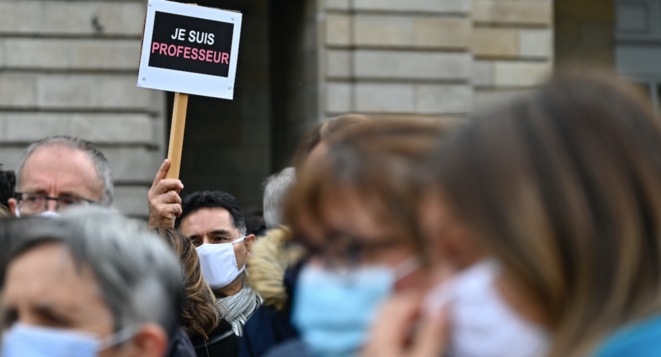
A few minutes after the horrific murder of Samuel Paty near Paris, his attacker Abdoullakh Abouyezidovitch A. posted a photo of the history teacher's head on his Twitter account. Mediapart can reveal that at the end of August the 18-year-old Russian-born Chechen had also posted a photomontage of a mock decapitation. It has also emerged that several people had flagged the youth's Twitter account to the authorities in recent months. Matthieu Suc reports.