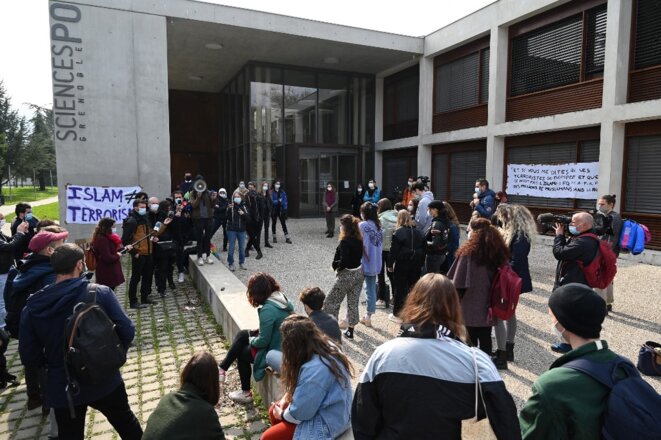
A national controversy blew up in France earlier this month over a ‘naming and shaming’ campaign by students at a political sciences school who accused two of their teachers of Islamophobia, prompting police protection for the pair. While there has been widespread political and media condemnation of the students’ campaign, this investigation by Mediapart found that the case is far more complex than so far presented, and that the controversy was fanned by the timidity of the school's management to intervene in a simmering dispute within its walls. David Perrotin reports.
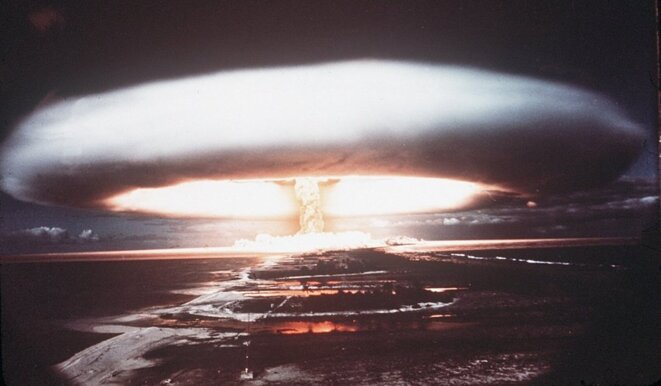
Beginning in 1966, France carried out close to 200 nuclear tests at its South Pacific territory of French Polynesia, 15,000 kilometres from Paris. The most contaminating were the nuclear bombs exploded in the atmosphere. This report from a series of investigations by Mediapart's editorial partner Disclose presents the extent of the radioactive fallout from one of those bombs in the Polynesian island of Tahiti, a hidden nuclear disaster that is estimated to have exposed 110,000 inhabitants to alarming levels of radioactivity.
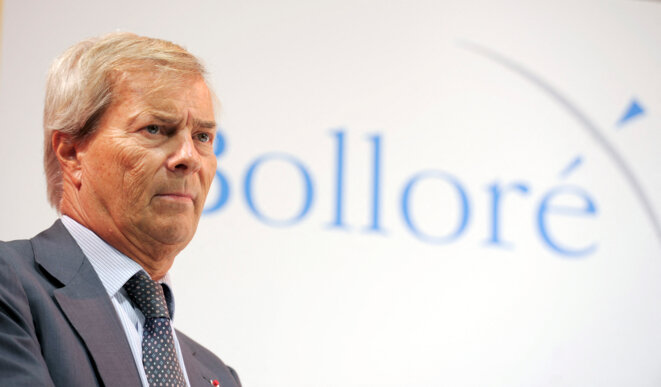
The businessman had negotiated a deal with the French financial prosecution unit, the Parquet National Financier, under the terms of which he would have only received a fine of 375,000 euros over a corruption case in West Africa. But on Friday February 26th a court in Paris rejected the plea bargain agreement, ruling that it was too favourable to Vincent Bolloré, whose group has a string of economic interests in African countries. Fabrice Arfi and Yann Philippin report.
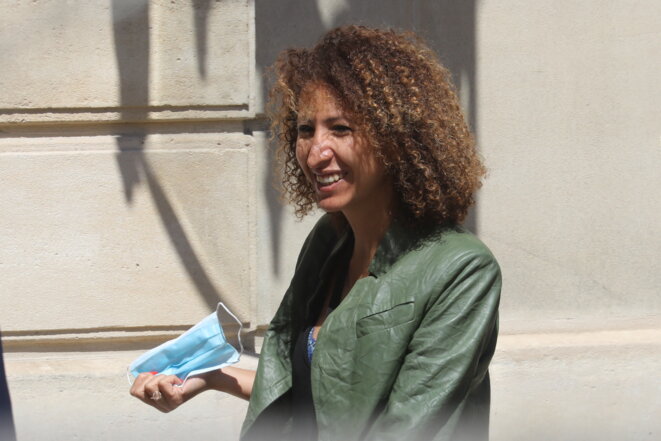
Mayada Boulos, communications advisor to French Prime Minister Jean Castex, was in charge of a PR campaign to promote Saudi Arabian interests during her previous job with advertising and public relations group Havas. The campaign was on behalf of a foundation created and chaired by Saudi Crown Prince Mohammed bin Salman, the de facto ruler of the kingdom who a US intelligence report released last week said had approved the 2018 murder of dissident journalist Jamal Khashoggi. Antton Rouget reports.
During the 1950s and 1960s in France, thousands of young girls considered to be from problem backgrounds were placed in care in institutions run by the nuns of the Congregation of Our Lady of Charity of the Good Shepherd, a Catholic order whose vocation was to ensure their welfare. A recently created association of those once sent to the hostels is now demanding recognition and compensation for the violence they say they suffered at the hands of the nuns, including physical and mental abuse and forced labour. But, as Sarah Boucault reports, the order is proving less than enthusiastic at opening up its potentially incriminating archives to public scrutiny.
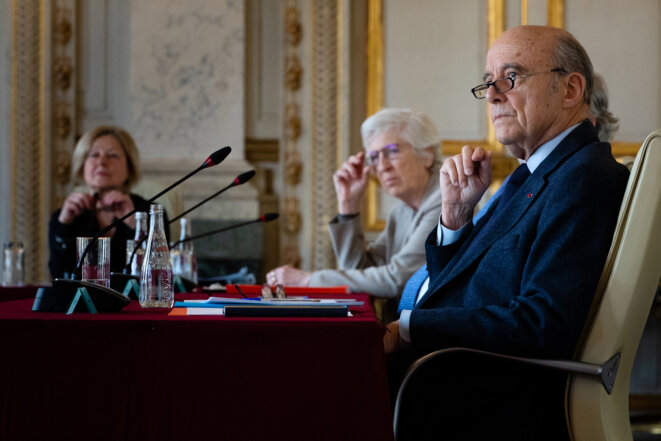
In July 1994 in Rwanda, immediately after the fall of the murderous Hutu regime that had led the genocide of hundreds of thousands of the minority ethnic Tutsi population, a group of regime officials, including its president, had fled into a “safe zone” controlled by the French army. A document now discovered in official archives in Paris proves that the French government knew of the presence of the regime officials, but instead of detaining them it organised their escape out of Rwanda. The document, a cable sent from the office of then French foreign minister Alain Juppé, was signed by the current head of the French foreign intelligence agency, the DGSE. Fabrice Arfi reports.
The French pharmaceuticals firm Sanofi has been in the headlines recently because of its setbacks in producing a vaccine against Covid-19, which will not now be ready until the end of 2021 at the earliest. Yet the group has nonetheless decided to go ahead with its restructuring plans and will be trimming back on its research while also moving many of its production plants into a separate company to be sold off. France is now paying the price for having abandoned its industrial and research strategies over the last thirty years. Martine Orange investigates.
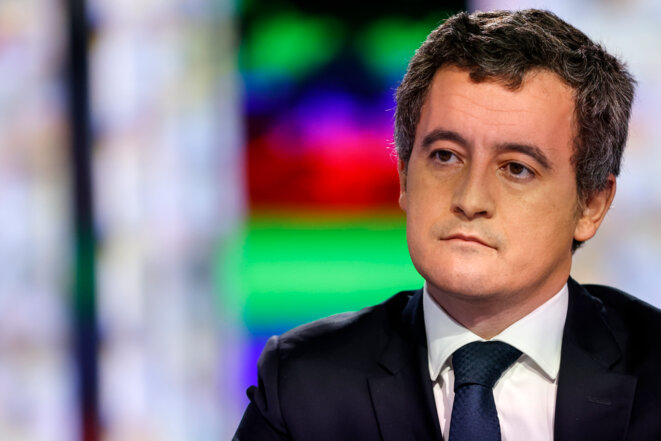
Mediapart has had access to new information in the current investigation into rape allegations against France's interior minister Gérald Darmanin, claims that date back to 2009. Some documents we have seen contradict parts of his defence. The file also shows that when he was questioned by the investigating judge in mid-December 2020 the minister - who denies the claims - changed his version of events over a key exchange of SMS messages, in which the complainant accuses him of having “abused his position”. And in addition the minister gave new explanations to justify some of the more embarrassing aspects of the case. Antton Rouget and Marine Turchi report.
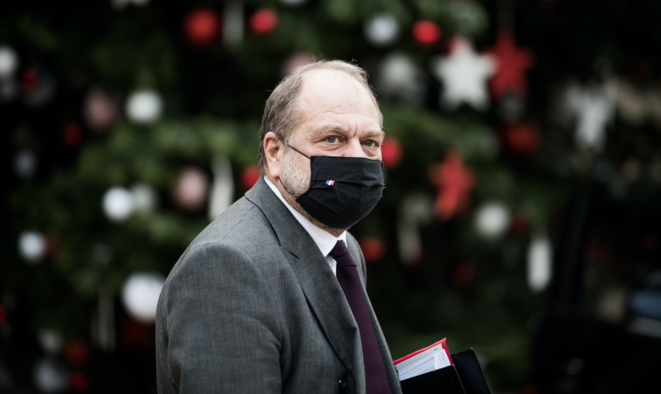
France's justice minister Éric Dupond-Moretti is planning to bring in a raft of reforms to the country's legal system. But prosecutors and many lawyers are worried at the minister's plans to create a new hybrid status for in-house or company legal staff and to grant them the same “legal privilege” as independent lawyers. The move is designed to help defend large French companies against the long arm of the American justice system. Yet critics fear the change would stop French investigators from getting hold of key company documents and become a further obstacle to tackling corruption. Pierre Januel reports.
For nearly twenty years fishermen, residents and environment inspectors have raised the alarm over pollution seeping from an industrial bottling plant owned by the French group Roxane in Normandy. Locals say the organic pollution has caused major harm to the stream, which feeds into the River Sarthe. Roxane, the third largest French bottling company and owner of Cristaline, the most widely-consumed bottled water in the country, also has its headquarters at the site. Mathieu Martiniere of the independent journalists collective 'We Report' investigates.