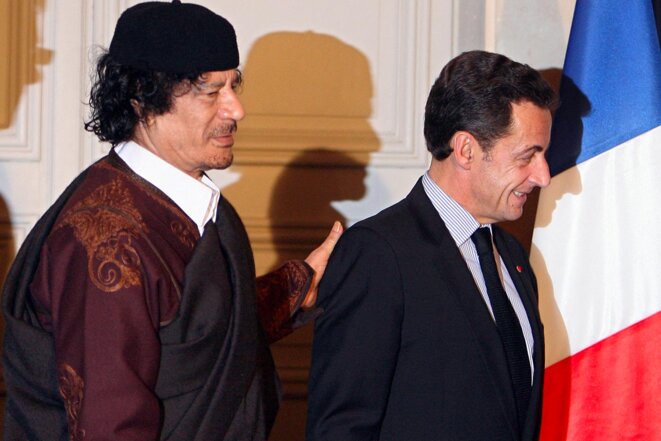
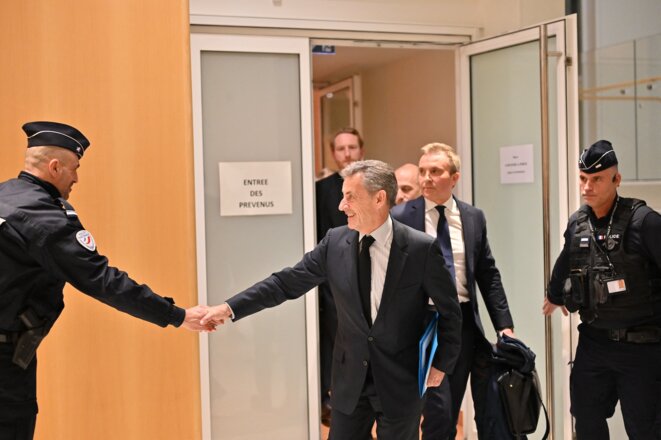
The trial of Nicolas Sarkozy and 11 others on corruption charges relating to the alleged funding of the former French president’s 2007 election campaign by the regime of Libyan dictator Muammar Gaddafi is now entering its final stages after prosecutors on Thursday called for Sarkozy to be handed a seven-year jail sentence and a 300,000-euro fine. Mediapart looks back at the significant moments of the trial so far, before the court hears the arguments for the defence of Sarkozy and his co-accused, who include three former ministers. Fabrice Arfi and Karl Laske report.
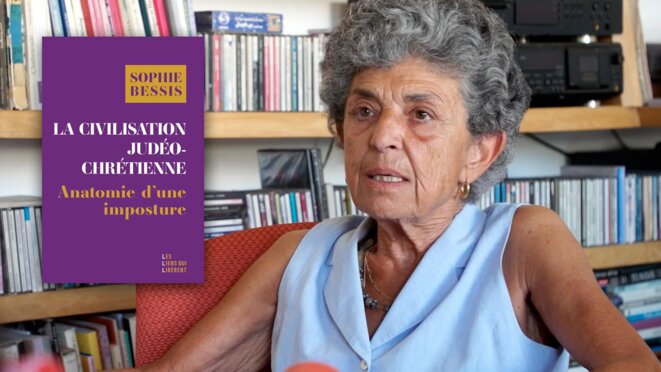
In a lively and to-the-point essay published this month in France, historian Sophie Bessis analyses the notion and roots of the phrase “Judeo-Christian civilisation”, a now commonly employed expression that is also an ideology. In her book, reviewed here by Joseph Confavreux, she argues that “this extraordinary semantic and ideological invention" is a concept that is fundamentally flawed, and a deception employed as a political weapon.
Former French president Nicolas Sarkozy was questioned for the final time this week at his trial, alongside 12 other defendants, over the alleged funding of his 2007 presidential election campaign by the Libyan dictator Muammar Gaddafi. Sarkozy has insisted he is innocent of the charges of corruption, criminal conspiracy, receipt of the proceeds of the misappropriation of (Libyan) public funds, and illegal campaign financing, and this week denounced what he called “the basic premise” of the prosecution services that he is guilty. “I’m not a highwayman, I’m not a bandit”, he told the court this week. Karl Laske reports.
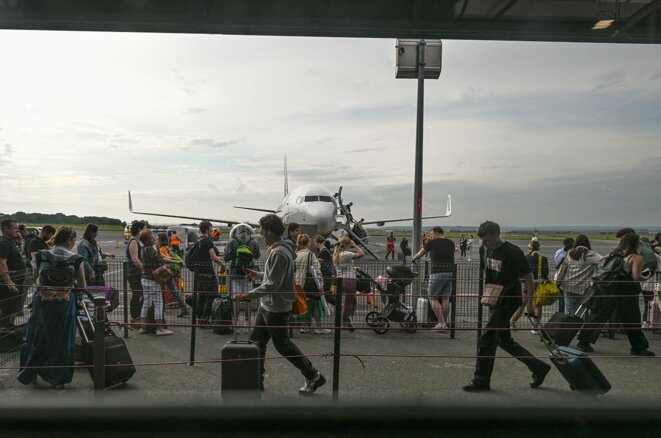
Paris-Beauvais airport caters essentially for low-cost airlines, chief among them Ryanair, and is a major, popular hub for budget flights to and from the Paris region. In 2024, a total of more than 6.5 million passengers passed through the airport, and its new operators, awarded a 30-year concession estimated to be worth around 4 billion euros, now plan to increase passenger numbers to an annual turnover of 9.4 million. But in a David-and-Goliath-like combat, local resident and environmentalist associations are mounting a legal challenge to halt the expansion, citing the threat to public health and the acceleration of climate change. Mickaël Correia reports.
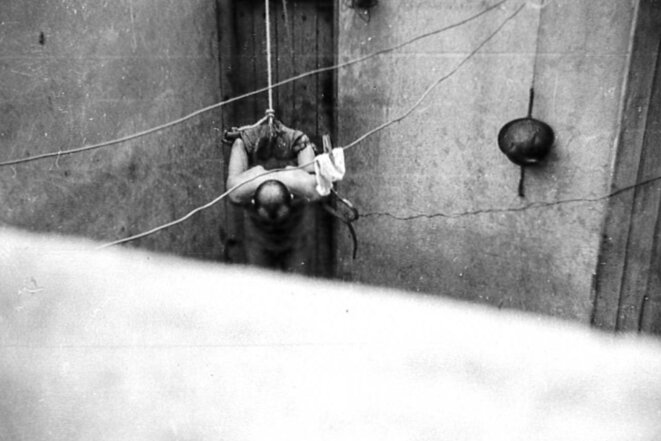
While mention of the word torture was banned from official language at the time, the French military in Algeria encouraged the use of torture during the 1954-1962 war of independence, and with the consent of the government in Paris. Historian Fabrice Riceputi, an associate researcher with the Institut d’histoire du temps présent (IHTP), specialised in the events of the independence war, details here how, after the military experimented with torture and forced disappearances during the 1957 Battle of Algiers, French generals recommended a generalisation of the practice.
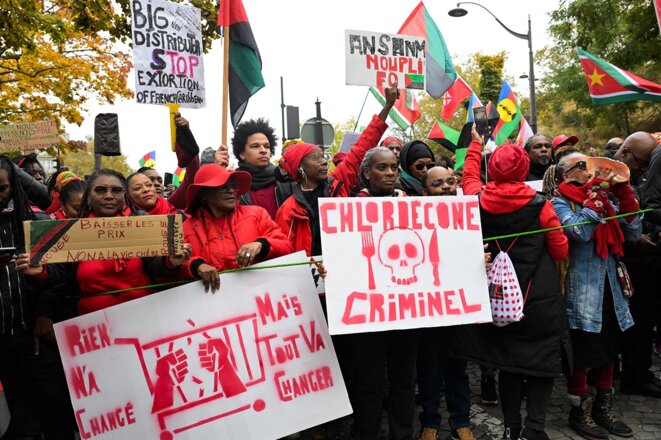
In a landmark ruling, the Paris administrative court of appeal this week found that the French state must pay damages to victims of the carcinogenic insecticide chlordecone, which it allowed to be used on banana plantations on France’s Caribbean islands of Martinique and Guadeloupe for three years after it was banned on the mainland. The court has also widened the criteria of eligibility for the compensation. Amélie Poinssot reports.
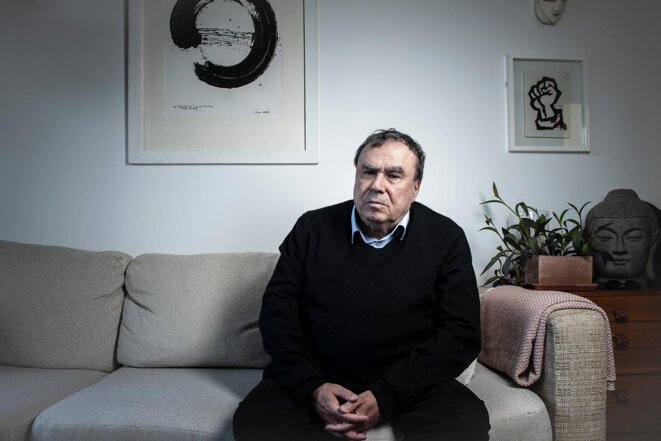
Four years after submitting a major report for the French government on colonialism and the Algerian War, the leading French historian Benjamin Stora reflects on the unprecedented deterioration in relations that currently exists between Paris and Algiers. It is the “most serious crisis since independence” he tells Mediapart, and regrets the fact that French politicians have failed to embrace the gains of anti-colonialism. The academic also says that France is undergoing a realignment of the Right towards the stance of the far-right. Interview by Ellen Salvi.
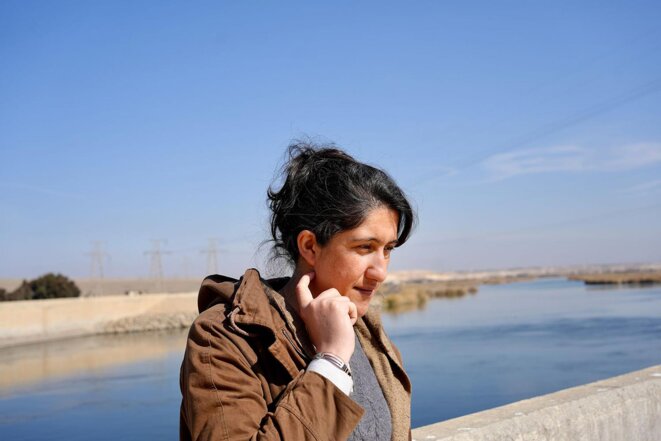
The inhabitants of Syrian Kurdistan are surrounded by urgent threats and challenges: attacks from Turkish troops, the enduring threat from jihadists, the refusal by the new regime in Damascus to consider any form of confederate status for their region and now the historic pronouncement by Kurdish leader Abdullah Öcalan, who has called on his militant group PKK to lay down its weapons after a long armed struggle. Yet the Kurds in Rojava, as this area of north and east Syria is also known, are determined to defend the de facto autonomy they have secured since 2013 – along with the extraordinary women’s revolution that this independence has made possible. Mediapart's Rachida El Azzouzi reports from the region.
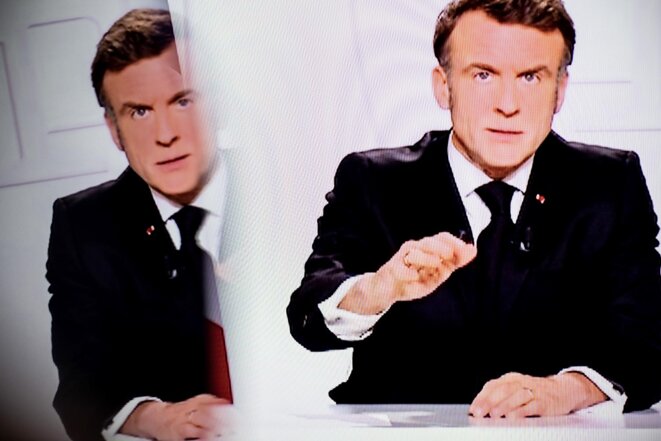
On Wednesday evening President Emmanuel Macron spoke to the nation in a sombre televised address about the current international situation involving Ukraine, the United States, Russia and European security. The French head of state said the country was facing the start of a “new era” in which “the threat from the East is returning”. In doing so he sought to prepare French public opinion for the adoption of radical budgetary choices in order to finance greater military capability. As Justine Brabant and Ilyes Ramdani report, in doing so the French president seems to have opted for cuts in other public services to pay for defence spending rather than funding it through increased government borrowing.
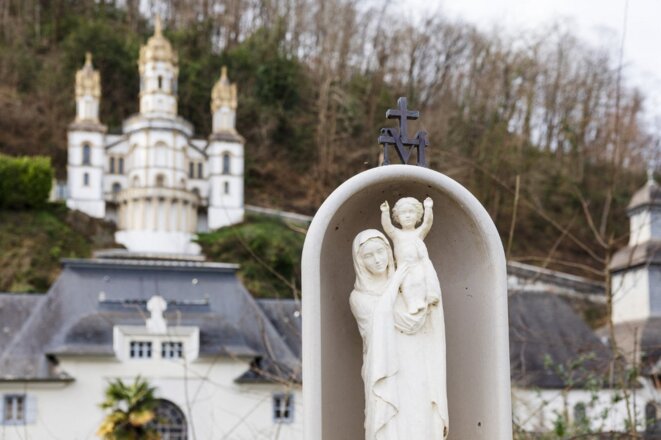
A criminal investigation into events at the Notre-Dame-de-Bétharram private school in south-west France is continuing. Meanwhile Mediapart can reveal that sixteen victims of sexual violence committed by religious figures at the Catholic institution have already been compensated over allegations that are now time-barred under the criminal law. There are also discussions taking place about whether and how this approach of acknowledging abuse and paying compensation can also be extended to victims of laypeople connected to the school. At the same time, prime minister François Bayrou continues to insist that he was never informed about abuse at the institution, which is in his political fiefdom. David Perrotin and Antton Rouget report.