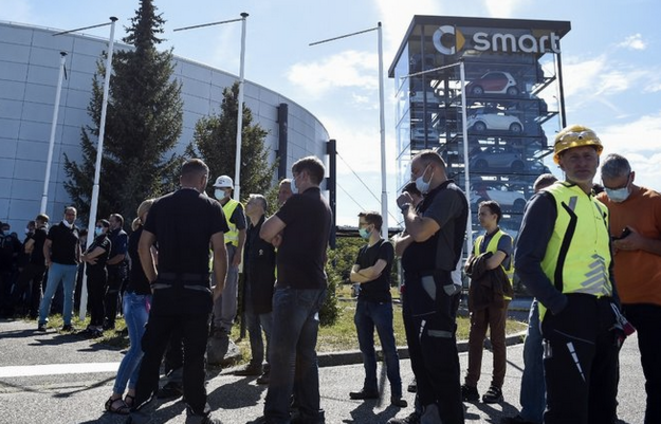
German carmaking giant Daimler, owner of Mercedes-Benz, announced last month that it was to sell off its factory in Hambach, north-east France, where the Smart city car, another of the group’s marques, has been produced since 1997. Five years ago, staff at the plant accepted a management plan to abandon the legal 35-hour week, working a 39-hour week (excluding overtime) in return for job security. But now the 1,600 jobs at the site, turned over to making electric versions of the city car, are at risk, with just one potential purchaser in view: British company Ineos, which plans to produce a diesel-guzzling offroader. Dan Israel reports.
The so-called “big pharma” groups are engaged in fierce competition to produce efficacious Covid-19 vaccines. While Pfizer-BioNTech and Moderna have gained widespread approval for their vaccines, that of France’s flagship pharma group Sanofi, developed in partnership with UK drugs firm GSK, is seriously delayed after disappointing clinical tests. Some argue that Sanofi should serve the public interest and turn to producing the approved vaccines of its rivals, supplies of which are disrupted. But, as Rozenn Le Saint reports, the stakes are high and defeat would be costly in more ways than one.
Violence is reaching unprecedented levels in the French overseas département of Mayotte in the Indian Ocean, prompted by the arrival of migrants from the neighbouring island nation of Comoros on makeshift boats. The result has been regular expulsions and repatriation of illegal migrants, clashes between the new arrivals and locals, and even riots. The situation has been exacerbated by the Covid crisis. Meanwhile the heavy-handed security response by the authorities in this small département has caused disquiet among local associations. Julien Sartre reports.
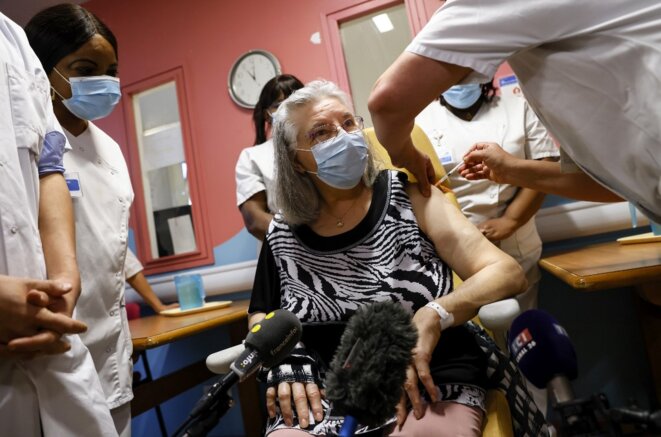
In his New Year's Eve address to the nation President Emmanuel Macron made clear his intention to speed up France's Covid vaccination programme, apparently stung by the country's slow performance compared with many others. Privately he is said to be angry at its “unwarranted slowness” and as a result the country is expected to step up its campaign this week. So far the number of vaccinations in France measures in the low hundreds compared with tens or hundreds of thousands - or even millions - in some other countries. Caroline Coq-Chodorge reports on the public mistrust that lies behind France's sluggish start in vaccinating its population.
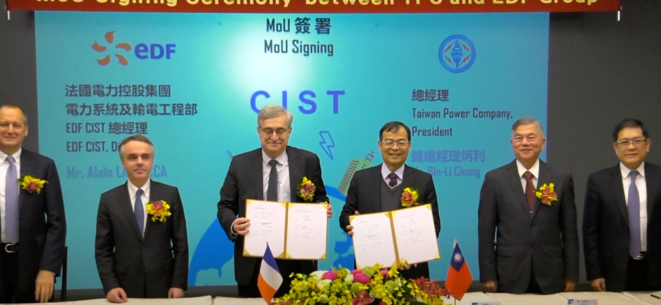
French utilities giant EDF this year decided to close its offices in Taiwan, a democratically self-governed archipelago which China vigorously lays claim to as a province of its own. Curiously, the move comes just as Taiwan launches an ambitious programme to develop renewable energies, an important sector for EDF. It also follows a lucrative deal EDF has signed with China for the construction of offshore wind parks. The French group, meanwhile, denies any link between the two events. Alice Hérait and Adrien Simorre report from Taiwan.
The French military has banned soldiers from posting sensitive information online. However, via a number of different apps Mediapart has managed to discover the profiles of more than 800 French troops deployed abroad and the profiles of more than 200 special forces soldiers. The military's general staff meanwhile is reluctant to discuss the precise measures that have been taken to contain a problem that could put the security of military personnel and their operations at risk, especially from terrorists who target French troops abroad. Justine Brabant and Sébastien Bourdon report.
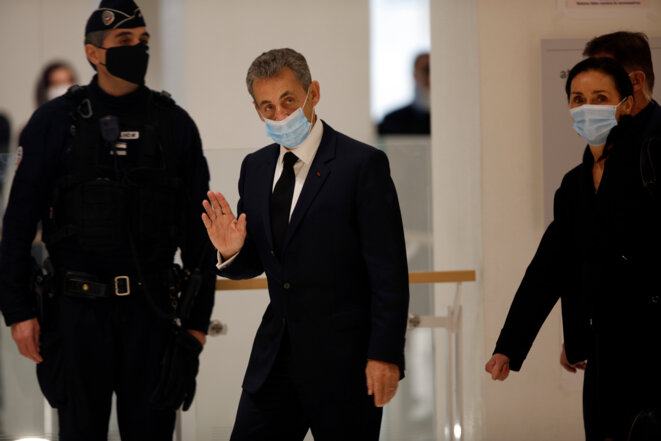
Former president Nicolas Sarkozy has given evidence at the corruption trial in Paris where he is accused of trying to bribe a senior judge in return for confidential judicial information. The ex-head of state was full of anger and indignation at the allegations that have been levelled against him. “I swear to you, the idea that we were doing something we shouldn't could not have been further from my mind!” he told the courtroom. Mediapart's legal affairs correspondent Michel Deléan was in court to hear Nicolas Sarkozy proclaim his innocence on all charges.
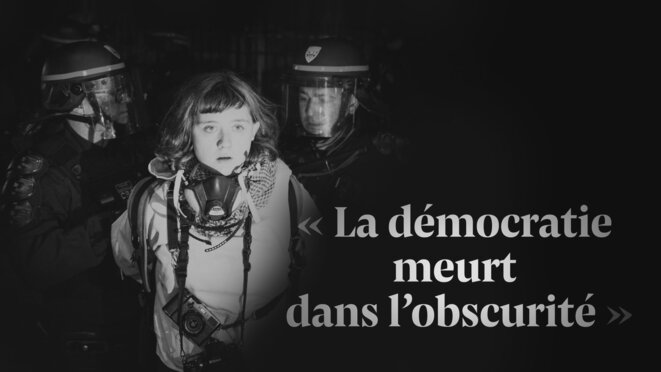
Draft legislation which includes handing increased powers to police and expanding the remit of surveillance operations is now being debated in the French parliament following its first passage through the lower house on Friday. One of the articles of the “Global security” bill will severely restrict the taking and dissemination of images of on-duty police officers. Mediapart staff joined journalists’ unions and rights groups on Saturday in a demonstration in Paris against the bill. Mediapart’s publishing editor Edwy Plenel argues here that what is at stake in the proposed legislation is of exceptional gravity. If it is adopted, he writes, “the lights of democratic vigilance over actions of the state will be extinguished”.
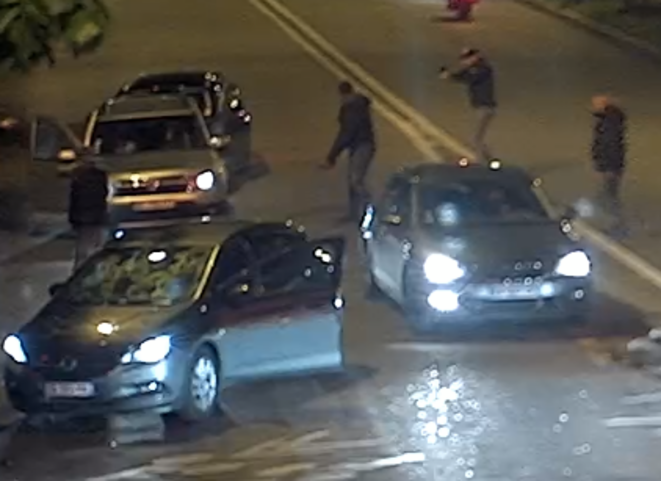
CCTV images captured the illegal arrests of six innocent young men in April 2019, and the moment one officer fired at their vehicle (full video in the article page).
As incidents of police violence and the failure of the authorities to effectively address the issue continue to occupy public debate in France, Mediapart reveals here, with video footage, the violent and illegal arrests in Paris of six innocent young men by gun-wielding officers, one of whom fired bullets into their car. In what has all the appearance of a cover-up, not only was one of the six victims sent for trial for violence, but the officer who shot at him without any justification is still on duty because, the police administration claimed, prosecutors concluded he acted in self-defence. Which is untrue. Pascale Pascariello and Armel Baudet report.
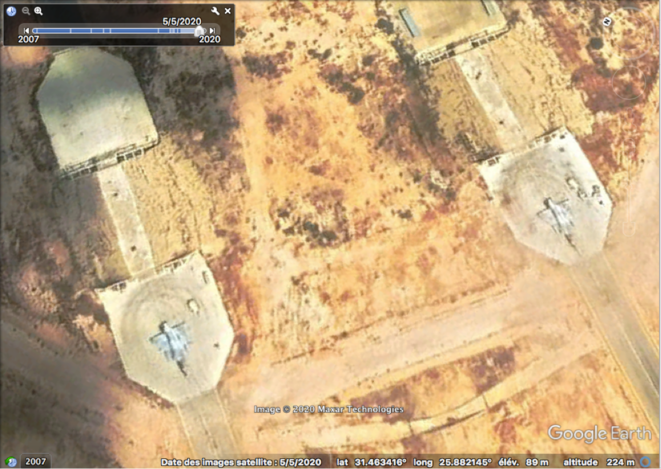
The United Arab Emirates (UAE) is actively involved in Libya’s civil war in support of warlord Khalifa Haftar’s campaign to topple the UN-recognised Government of National Accord in Tripoli. That military support involves the deployment of the UAE’s French-built Mirage fighter planes, which are suspected of firing missiles at civilian sites, representing potential war crimes. Those same aircraft are given technical maintenance and upgrades by French defence firms acting with government approval, raising serious questions about France’s compliance with international law.