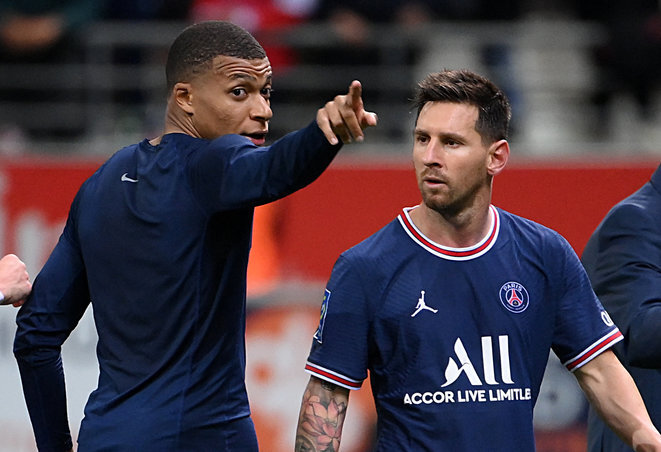
With its signing of Argentine superstar Lionel Messi this summer, and its money-no-object refusal to agree the 180-million-euro transfer to Real Madrid of its French star forward Kylian Mbappé, football club Paris Saint-Germain’s Qatari owners, apparently immune to the financial effects of the Covid-19 crisis, once again demonstrated their unbridled ambitions in diplomacy through sport. As Jérôme Latta reports, the backdrop is the ever more deregulated structure of European football.
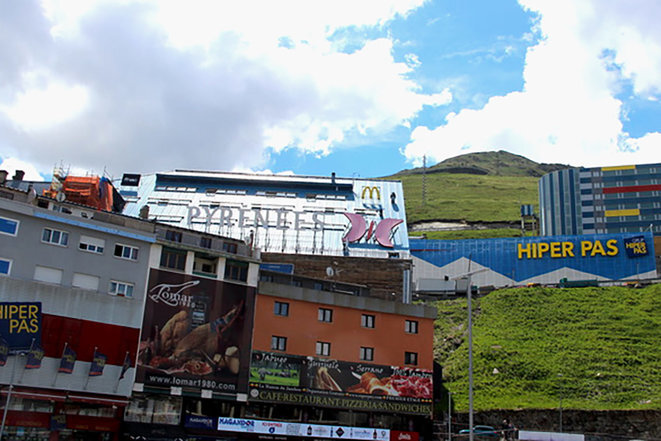
The Pyrenees mountains separating France and Spain have long been a crossing route for smugglers of all kinds of wares, which today range from cigarettes to elvers. But the 623-kilometre-long border between the two countries, definitively traced in 1866, has also never been a barrier for the centuries-old exchanges, local alliances and regulations established between the communities living on either side. Emmanuel Riondé reports.
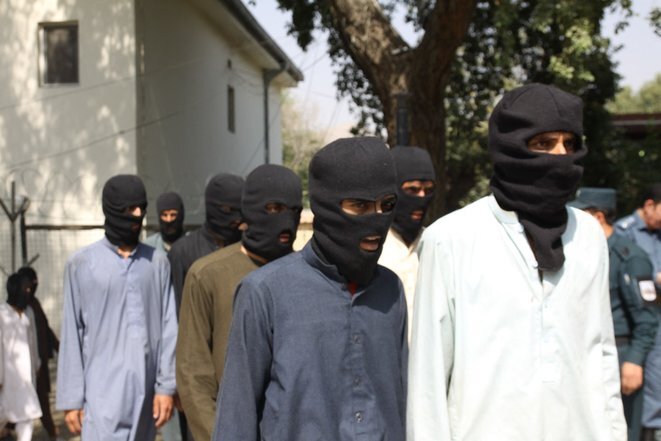
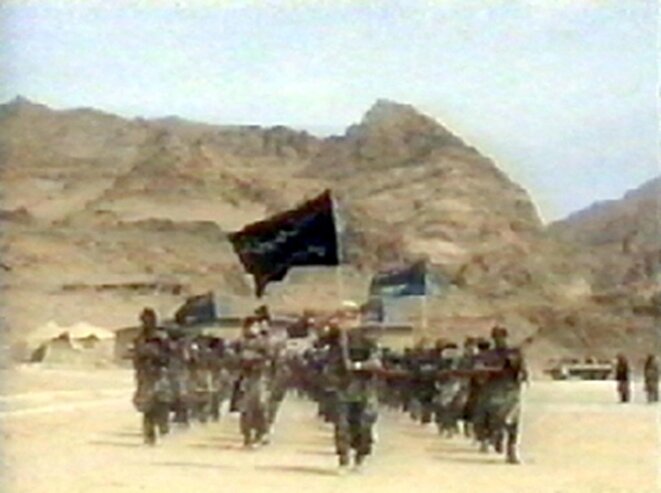
The US military has said its airstrike on Sunday on a vehicle in Kabul has prevented a new attack on the capital’s airport by the Afghan branch of the so-called Islamic State (IS) group who claimed responsibility for last Thursday’s suicide bombing there which left an estimated 170 people dead. But just who are the Afghan IS branch, known as the IS-K? Jean-Pierre Perrin details their history, beginning in 2014 when Pakistani jihadists crossed into Afghanistan and soon became a rival for the Taliban.
Most of the humanitarian aid organisations until now active in Afghanistan say they want to continue with their missions following the Taliban takeover of the country. But that prospect faces major challenges, notably due to the volatile security situation, the uncertainty over the Taliban’s future policy towards them, and the collapse of Afghanistan’s banking system. Justine Brabant reports.
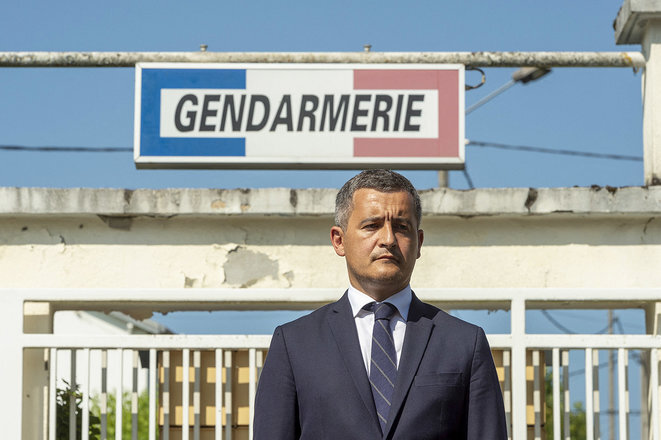
Following an investigation by Mediapart which revealed how the newly appointed head of the gendarmerie in France’s South Pacific territory of New Caledonia had been convicted of domestic violence, Colonel Éric Steiger was forced to resign his prestigious post last Friday. Despite the public outrage prompted by the case, and notably how the colonel’s hierarchy were well aware of his conviction, French interior minister Gérald Darmanin, in a radio interview on Tuesday morning, denounced a “cabal” against Steiger, who has admitted committing violence against his ex-wife, adding “I am not for witch-hunts”. Matthieu Suc, Pascale Pascariello and Antton Rouget report.
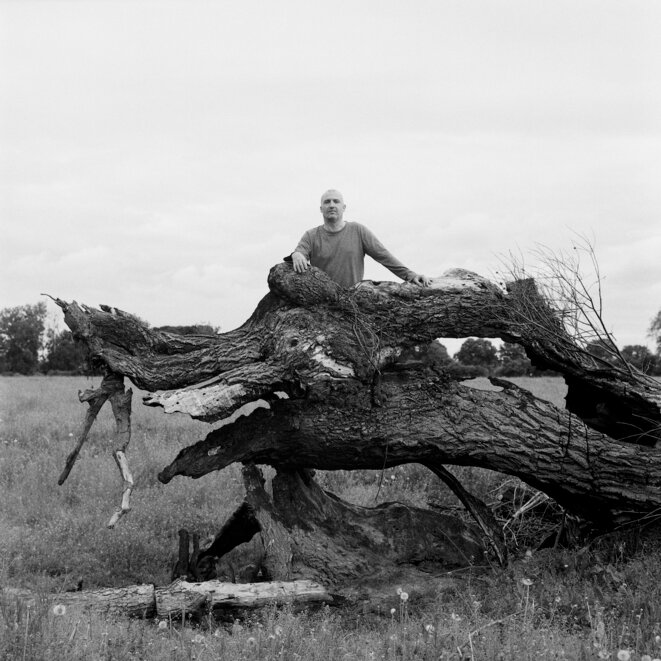
In his latest book 'Johanne', novelist Marc Graciano describes the long journey made by French heroine Joan of Arc in 1429 between Vaucouleurs in the north-east of the country to Chinon in the west when she was aged around 17. Little is known about events during this trip, and the French author uses the journey to conjure up a wonderful secular approach to the world, one that emerges from the meetings the young woman has along the way. This book confirms Graciano as a great writer about journeys and mystery, in a novel which poses the question as to what can still be sacred in a world without god. Sébastien Omont assesses the work.
The Taliban's return to power in Kabul has raised fears about the potential knock-on effect that their victory will have in other parts of the world. French intelligence services believe that here the main danger is likely to come from the morale boost it will give to terrorists or potential terrorists already based in France. Matthieu Suc has spoken to members of the intelligence community to assess the potential threats following recent events in Afghanistan.
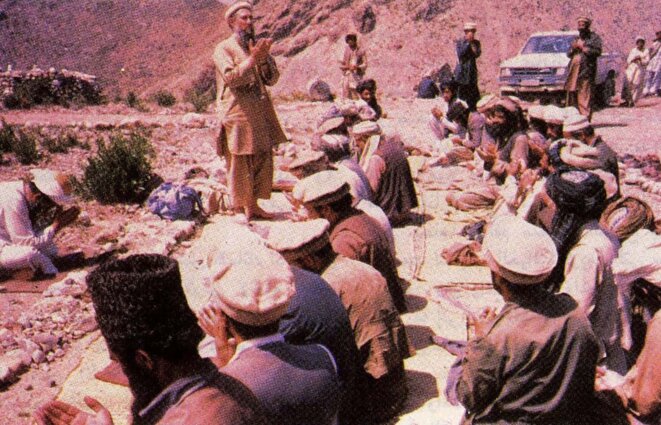
With the Taliban in control after the dramatic fall of Kabul, signalling the defeat of the United States after a 20-year war, the eyes of the world are now on Afghanistan. Mediapart looks back at the recent history of the country and in particular how its arid Hindu Kush mountain range became the birthplace of global jihad. As Jean-Pierre Perrin reports in the first of a series of articles, it all began with the arrival of the Palestinian preacher Abdallah Azzam in Peshawar, Pakistan, at the start of the 1980s.
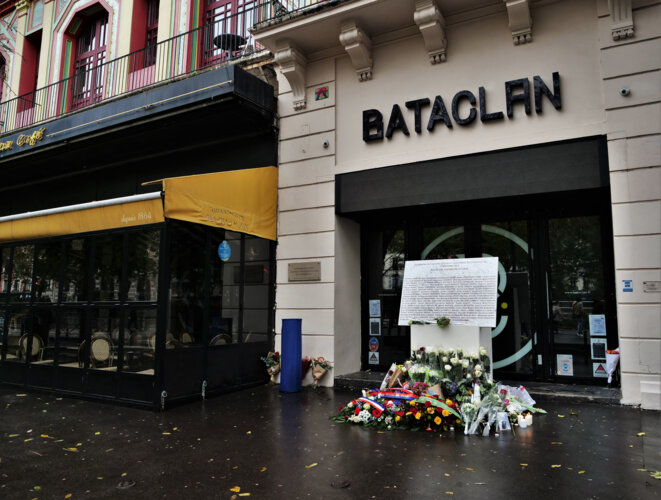
French orthopaedic surgeon Emmanuel Masmejean placed for sale online an X-ray of a woman survivor of the November 2015 terrorist shooting attack at the Bataclan theatre in Paris, on which a Kalashnikov bullet can be seen lodged in her arm. The victim had not been asked her permission for the sale and publication of her X-ray, which the surgeon priced at 2,776 dollars. Following Mediapart’s revelation of the attempted sale, the Paris public hospital administration described Masmejean’s behaviour as “shocking and indecent” and he now faces legal and disciplinary action. Matthieu Suc reports.
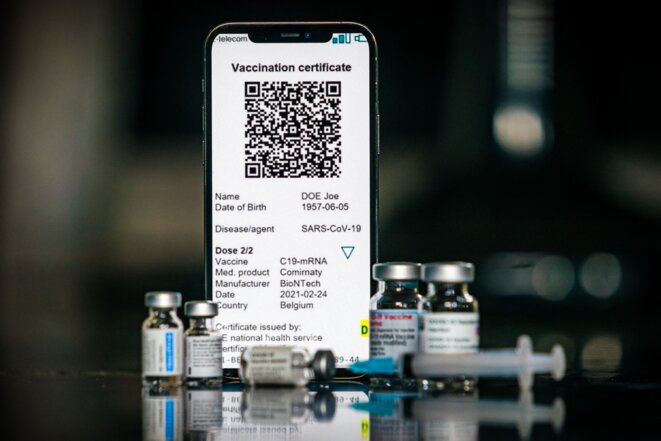
From Monday August 9th the French government made it obligatory to have a health pass for anyone wanting to enter a range of establishments or access services, from cafés to restaurants, cinemas to libraries and high-speed trains to hospitals. This meant thousands of people have been trying to get a QR code to prove they have been vaccinated twice, had a recent negative Covid test or that they had recovered from the illness in the last six months and thus had antibodies. For some, this has meant a long and frustrating time dealing with the complexities of a new layer of French bureaucracy. Khedidja Zerouali has been talking to people who have struggled to navigate their way around this brave new world of health rules.