


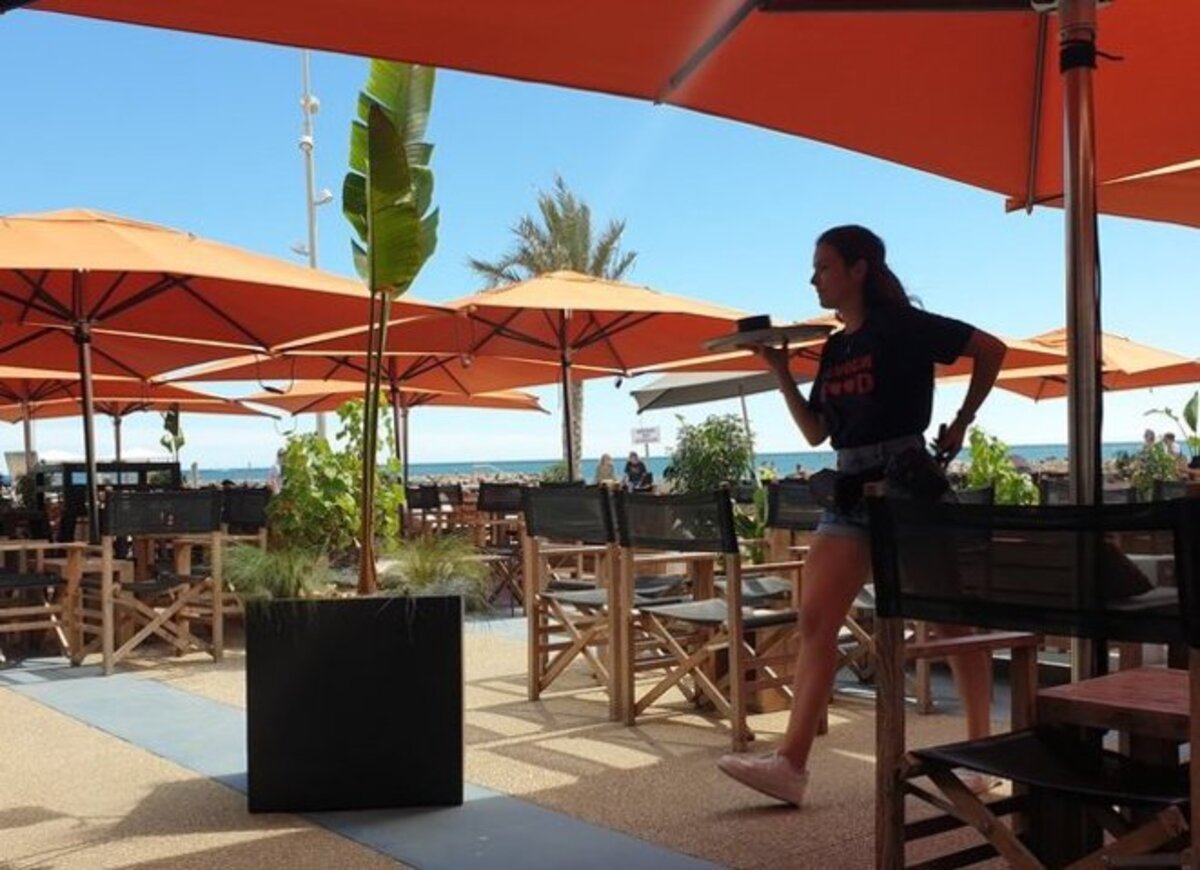
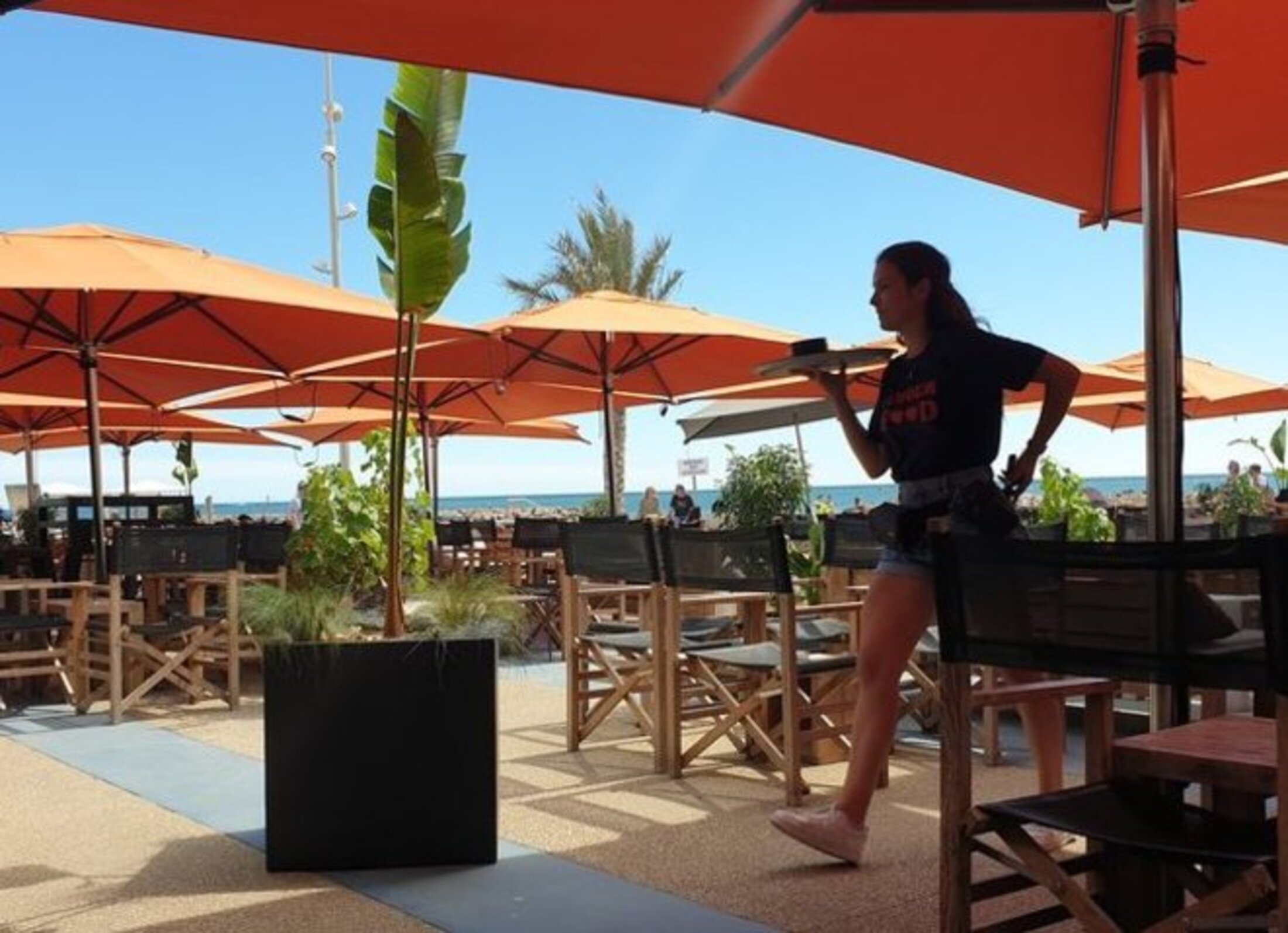
Juggling a tray, Margot energetically zigzagged from table to table on the terrace of the Café Jules, overlooking the beach at La Grande-Motte in southern France. “Everybody’s missing,” she said, pausing between round-trips to the bar. “All the colleagues have left to go and do other things.”
It was the end of June and the 23-year-old was just beginning her third summer season as a waitress, on a two-month temporary contract. The usual summer tourists had not yet begun arriving at the popular Mediterranean resort situated around 20 kilometres from the town of Montpellier, in the Hérault département (county) and the majority of the clientele at the Café Jules were young regulars enjoying the sunny weather.
“They’ve changed orientations,” explained Margot. “Some are doing online sales. My boyfriend has become an order picker. I think they’re all looking for job security after one and a half years of uncertainty, with [catering] establishments opening and closing. And Covid has made them reflect on things. They want to have a family life – which is not so easy in this job. You work with breaks in the afternoon, you finish late in the evening, you don’t have your weekends.”
Enlargement : Illustration 1
Fabrice, the manager of the café, sitting at a table looking out on to the sea, confirmed the exodus of staff, which became painfully apparent after establishments like his were allowed to re-open on June 9th. “It’s hard this year, we don’t have enough personnel,” he said. “The true professionals have disappeared. We get a few job applications but the people aren’t qualified. They only last two or three days.”
Numerous other businesses in the sector report the same problems, as reflected in a report published by the statistics office of the French labour ministry, the DARES, on June 24th which, while observing a positive return to employment with the re-opening of commercial activity that was until late spring interrupted by the lockdown restrictions, noted that “the lack of personnel progresses in [the sector of] accommodation-catering”.
The trend has been visible for months; across France, numerous demonstrations by professionals in the tourism industry, in events organising, and in the hotel and catering business, have highlighted their plight during the lockdowns. Often working on short term contracts, unentitled to the furlough payments received by full-time employees, and facing even greater financial uncertainty with the reform of criteria for entitlement to unemployment benefits, many warned of an imminent drain of talent away from these hard-hit sectors (see Mediapart’s previous report here , in French).
“My telephone never stops ringing about the labour shortage,” commented Jacques Mestre, president of the local Hérault branch of the UMIH national federation of hotel, café and restaurant owners. “[…] There’s the boss who can’t manage to open his restaurant at a campsite, another who has to close down his private beach on Sundays and Mondays for lack of staff. We can’t take it anymore.”
Enlargement : Illustration 2
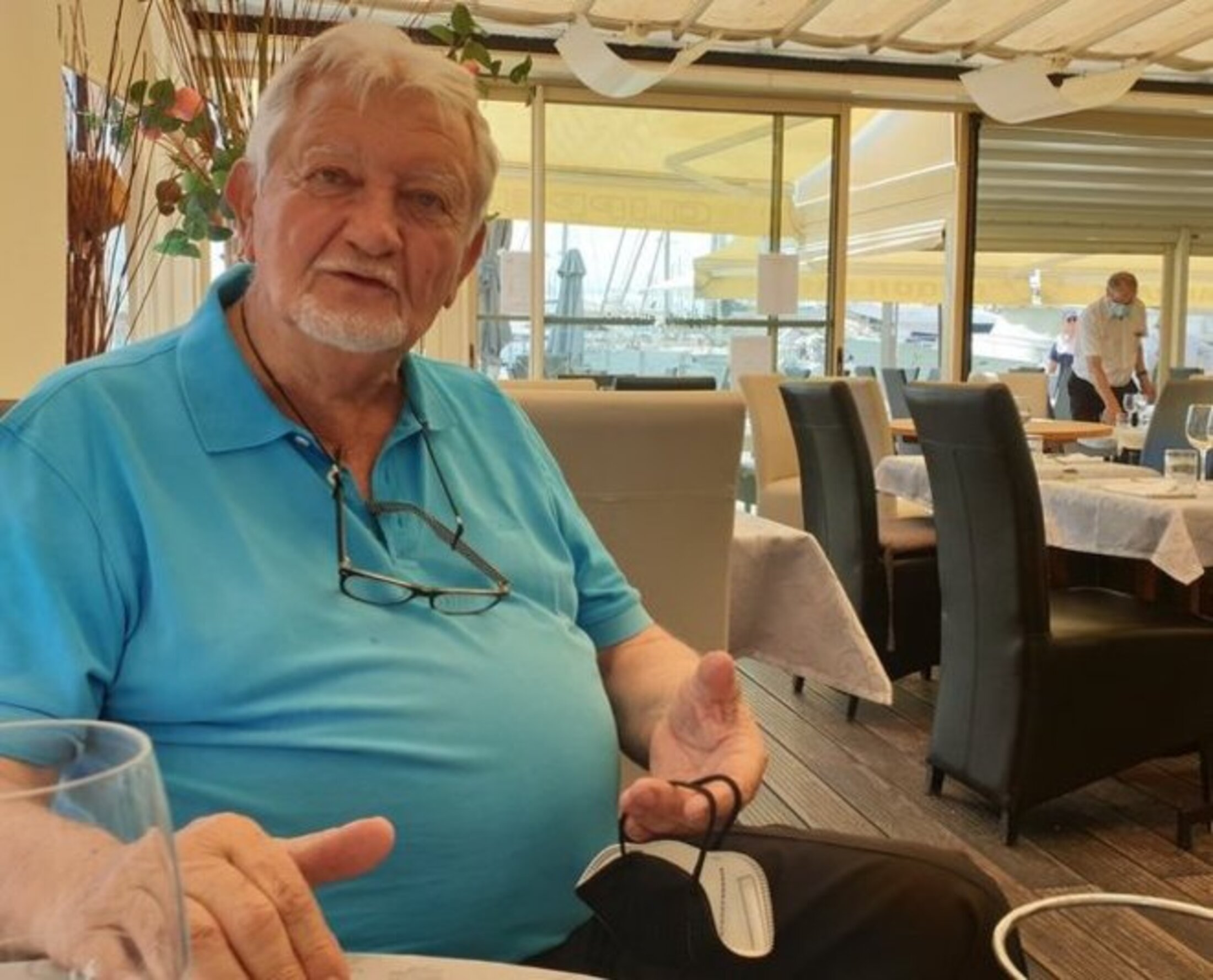
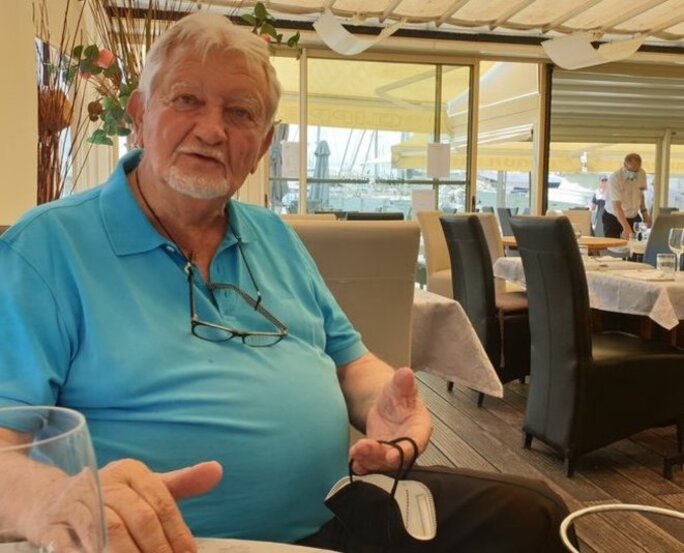
“I get shouted at by everyone, but I can’t do anything about it,” said Mestre, 80, who is himself the boss of a restaurant, Le Clippers, situated in the port of La Grande-Motte. He currently has a shortfall of eight staff in order to operate normally. “I have to close on Tuesdays,” he explained. “Do you realise, we’re in June and I close!”
“It’s been months now that I’ve warned about the recruitment problems,” he added. “I could see the thing coming. Isn’t it the role of the [state] employment office to manage that?”
Mathieu (not his real name) is a job seeker’s advisor at a local branch of the public employment office, Pôle emploi. “We began the recruitment campaign too early, at the end of winter, as if it was a normal year,” he said. “The people on our files were contacted. A section of them told us ‘No, it’s over, I won’t work anymore in this sector’. Others waited for job offers, but they arrived very late, because the establishments [re-] opened in June. It was too late. People went to look for work elsewhere.”
He said the dearth of candidates in the catering sector has become a source of pressure. “We’re spoken to about it at every morning briefing, that we must put people in touch” he explained. “But we only have non-qualified [candidate] profiles, employers don’t want that.”
For the managers of restaurants and cafés in this highly tourism-dependent region, the problem is acute. Alain (last name withheld) runs the Neptune bar, serving drinks and food at Vias-plage, a beachside neighbourhood close to the resort of Cap d’Agde, about 85 kilometres further west along the coast from La Grande-Motte, and since the re-opening of bars and restaurants on June 9th he has already had to close twice.
He said that for the re-opening he initially hired a chef “unused” to catering for large numbers of clients and who became “rapidly overwhelmed”. Alain recounted one lunch service “when clients waited one and a half hours to be served”. The chef decided to leave, resulting in the first closure. A new team was established with difficulty. “We had an information meeting with job seekers,” he recounted. “We explained the reality of the job. Three-quarters of them left, it frightened them. Professionals know how it works, but they aren’t there anymore. We managed to find people but it didn’t suit them at all. They were incapable of working together. So we closed a second time.”
He subsequently found a chef by widening the recruitment process to a national level. “It was best to take the necessary time, rather than go about things any old how. Quality has to be present.”
Back in La Grande-Motte, hotel and restaurant owners’ representative Jacques Mestre readily recognises that many of “the good profiles” among candidates have moved into different areas of employment. But he also says that there are other reasons for the lack of personnel. He cited “those people who don’t want to work, who send in CVs but don’t answer the phone”, others who “ask to be paid undeclared”, and the mobility problems for young job seekers without a car or bike or public transport solutions – “They can’t come to work from Montpellier on a scooter all the same!”
He underlined the serious lack of lodgings available in the resort for seasonal workers (“They prefer to hand over land to developers”, he complained), and lastly cited the fact that training courses had been suspended because of Covid-19 restrictions; “There are no apprentices this year, they couldn’t do practical training because of the closure of establishments.”
When asked about the inherent insecurity for seasonal and other short-term staff, the months of redundancy without furlough, and work and pay conditions that many describe as poor, Mestre retorted: “Ah no, don’t blacken the picture! It above all should not be said that we don’t pay well, that’s entirely false. At my place, I pay between 1,800 euros and 2,000 euros per month.” According to Mestre, “Now it’s the employees who are laying down the law”.
Fabrice, the owner of the Café Jules, agreed. “They know that we’re at their mercy,” he said, adding that he cannot understand “why they feel exploited”. However, he also admitted: “It’s obvious that the good ones, we keep them, and we’re ready to pay the price.”
While the pandemic has upset the balance of power in the sector, it has also created deeper differences between employers and employees, and resentment. “I almost detested them, these slave-drivers where I worked unrelentingly night and day carrying buffet crates up three floors,” wrote one woman on a Facebook page of contributions from short-term contract workers in the sector. “Paid peanuts! That they go bankrupt, they’ve made fools of us enough,” she declared, adding that she saw no employers take part in the numerous demonstrations by hotel and restaurant workers in protest at the dire financial situations they found themselves in under lockdown.
“It’s now been years during which these employees are mistreated,” commented Mathieu, from the employment office, Pôle emploi. “Years that the employers whine because they’re unable to recruit while proposing salaries as low as daisies […] After a while, things snap. And so now, it’s happened, they’ve snapped.”
-------------------------
- The original French version of this report can be found here.
English version by Graham Tearse