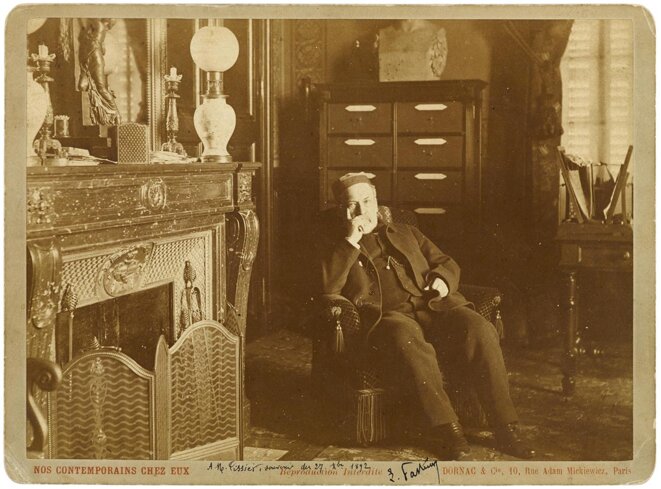
When in 1885 French scientist Louis Pasteur successfully treated a nine-year-old boy called Joseph Meister who had been bitten by a rabid dog it marked a turning point in the development of vaccines. But the medical breakthrough was also the launchpad for a global expansion of institutes bearing their founder's name which became a spearhead for French influence around the world. As part of a summer series on the history of vaccines, Nicolas Chevassus-au-Louis looks at the pioneering work of France's Louis Pasteur and his nationalistic rivalry with Germany's Robert Koch.
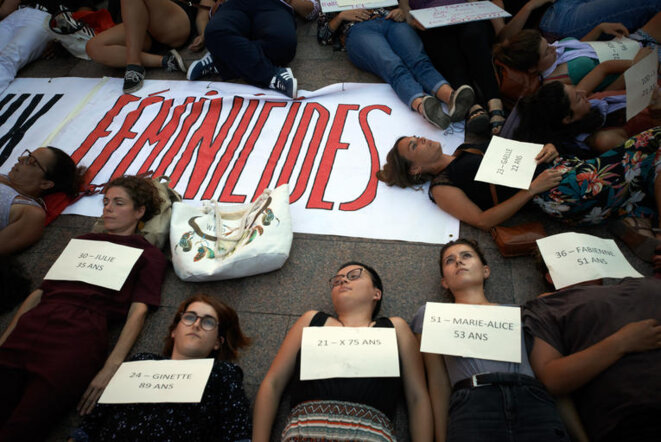
According to a 2021 report by French senators, half of all murders of women in France are committed in rural regions, where just one third of the country’s female population reside. The plight of women victims of domestic violence is particularly acute in rural areas where isolation, local taboos and the relative scarcity of public services combine to aggravate their distress. Élodie Potente reports from the Drôme, a rural south-east département (county), where local associations and volunteers provide help for victims amid the absence of adequate state support.
A rich heiress from Paris recently agreed to buy a 15-hectare farm near the upmarket south-west France coastal resort of Biarritz for more than three million euros. The potential loss of more farmland in a region already very short of suitable arable and market gardening acreage immediately sparked outrage among farming and rural groups. Local farmers and activists have now occupied the land and are hoping to get the sale cancelled. They are also working with local MPs and senators in France's Basque region to change the law so that wealthy outsiders can no longer exploit legal loopholes to buy farmland and put it to non-agricultural use. Antton Rouget reports.
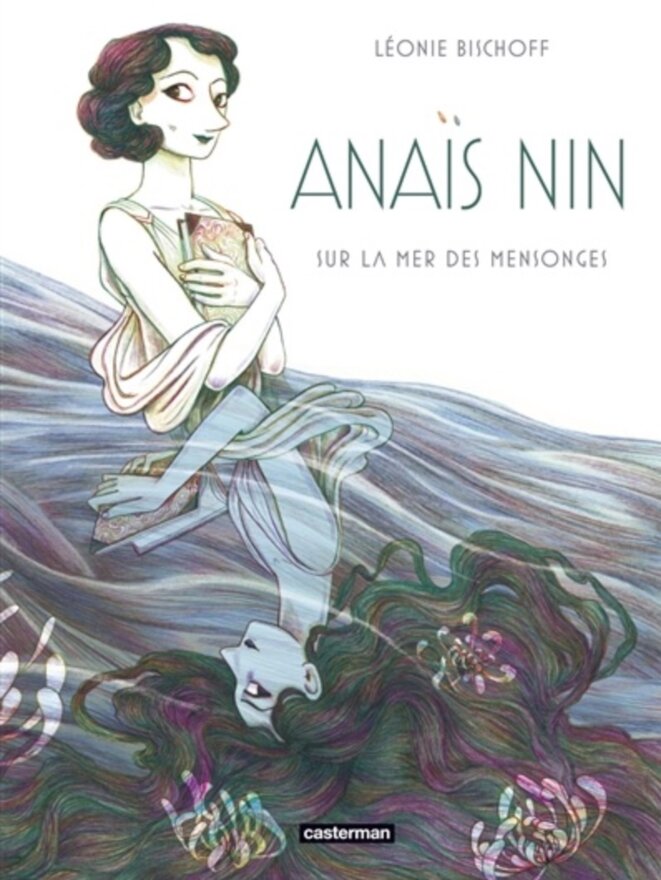
Léonie Bischoff is a Swiss artist and creator of graphic novels, the latest of which is a highly original account of the key episodes in the turbulent life of French-Cuban-American writer Anaïs Nin, based on the contents of her most intimate, unexpurgated diaries. As part of a summer series in which Mediapart journalists highlight those books published over the last 12 months which have particularly caught their eye, Dan Israel reviews Bischoff’s Anaïs Nin, Sur la mer des mensonges (Anaïs Nin, on the sea of lies), a seven-years-in-the-making, no-holds-barred story of Nin’s adventures and quest for personal freedom.
On the morning of January 3rd 2020, a 42-year-old deliveryman, Cédric Chouviat, was flagged down for a roadside check by police close to the Eiffel Tower in central Paris. After a brief altercation, he was arrested and pinned to the ground by police using a stranglehold, causing him to suffocate and suffer a fatal cardiac arrest, despite his pleas for them to let go. Although there is compelling evidence of the excessive, brutal manhandling of Chouviat by the officers implicated in the events, three of whom have been formally placed under investigation, French interior minister Gérald Darmanin recently wrote to Chouviat’s family dismissing their call for the officers to be suspended from duty while awaiting the outcome of an ongoing judicial probe. Pascale Pascariello reports.
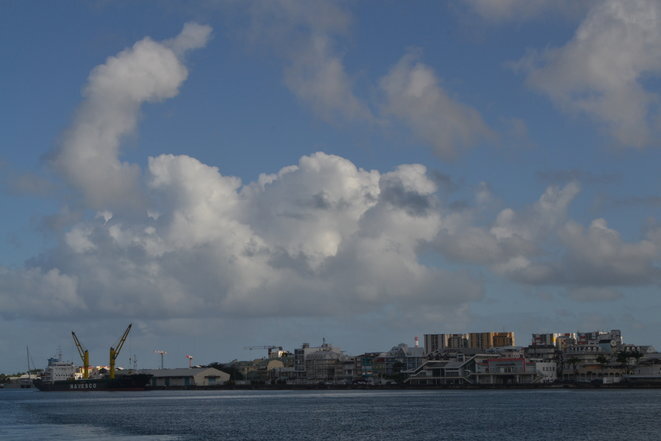
When general Charles de Gaulle, exiled in London, called on his countrymen in June 1940 to rise up against German occupation of France and the puppet pro-Nazi Vichy regime, his words inspired resistance not only in mainland, but also thousands of kilometres away across the Atlantic, in the French-governed islands of the Caribbean. On Martinique, many young men and women made perilous crossings to the British islands of Dominica and Saint Lucia to join up with the Free French Forces and fight in Europe. These are some of their extraordinary stories, told in picture-portraits by photographer Sylvain Demange and historian Sylvie Meslien, and which are part of an exhibition now showing in the Martinique capital Fort-de-France.
One of the recurring complaints of consumers living in France's overseas regions is how high the cost of living is compared with Metropolitan France. At the heart of this criticism is the 'octroi de mer' or dock dues, a tax paid on the import of goods to these territories. This tax has been in place since 1670 and the start of the French colonial system. And the European Union has just agreed to continue it to at least 2027. Julien Sartre reports on the history and impact of a tax that is a throwback to colonial days and which still leaves a burden on often poor French consumers living in overseas départements.
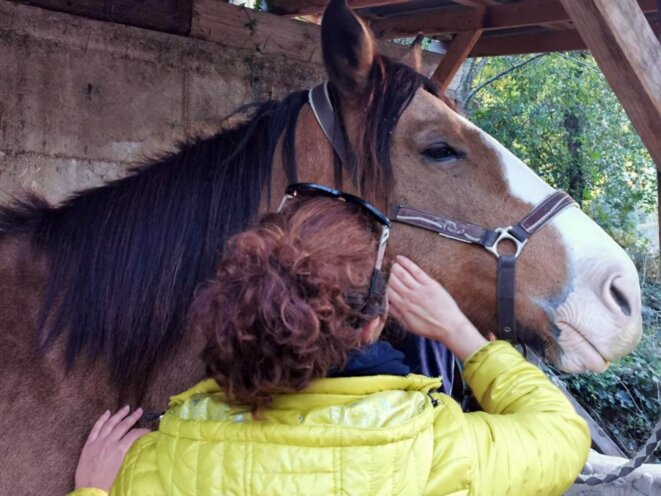
Evidence suggests that men who are violent towards their wives and children are often also involved in cruel and violent behaviour to pets within the home. While the link has become a key lead in some countries for investigating domestic violence, it is still largely ignored in France despite representing an opportunity for the early identification and protection of victims. Audrey Guiller and Nolwenn Weiler report.
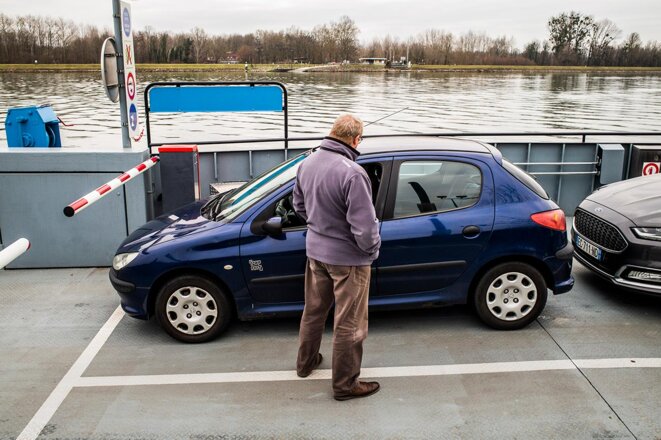
The Bas-Rhin département or county in north-east France, which borders Germany, is dominated politically by the Right and far-right. Mediapart visited the region to test the mood on the ground and found that more and more local people, and especially those in rural areas, are choosing to abstain from voting. Quietly, and with no fanfare, swathes of people in this area are saying a discreet farewell to the world of politics. Mathilde Goanec reports from the towns of Drusenheim and Haguenau.
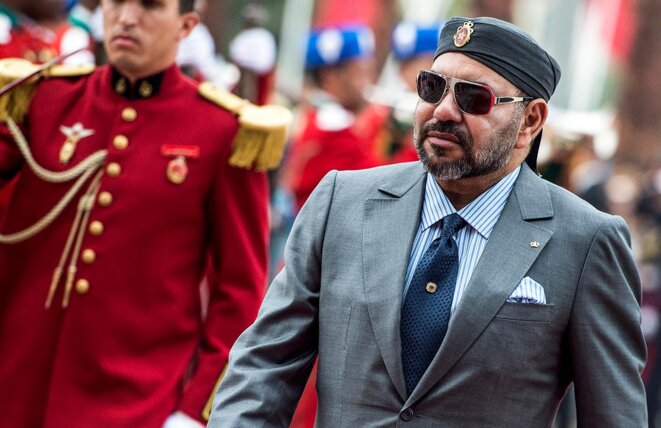
The revelations about the use made by certain countries of the Pegasus spyware against journalists around the world have focused attention on Morocco's close surveillance of the media. As Mediapart – itself a victim of Moroccan spying - here reveals, the North African kingdom's clampdown targets not just independent journalists and publications but human rights activists too. The regime has also cynically made use of the #MeToo movement and the subsequent heightened global awareness about sexual and sexist violence to discredit those who criticise and oppose it by manipulating or fabricating evidence of a sexual nature.