


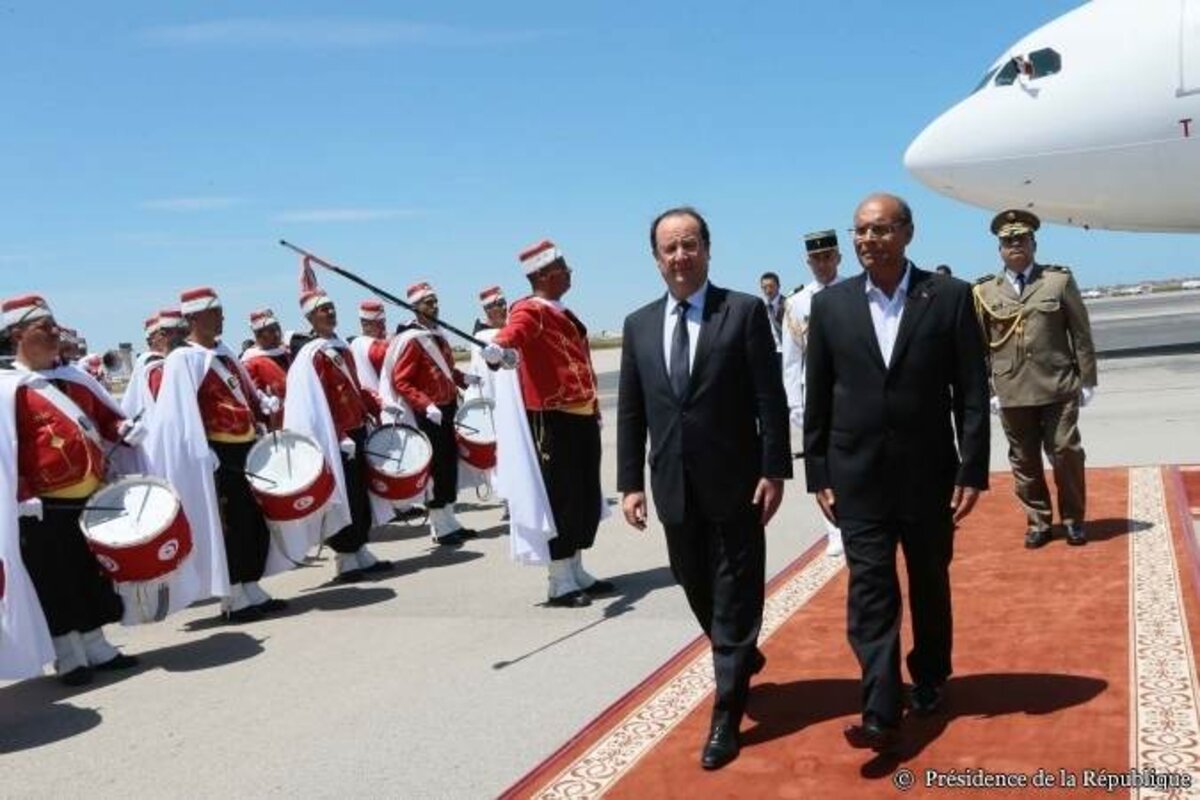
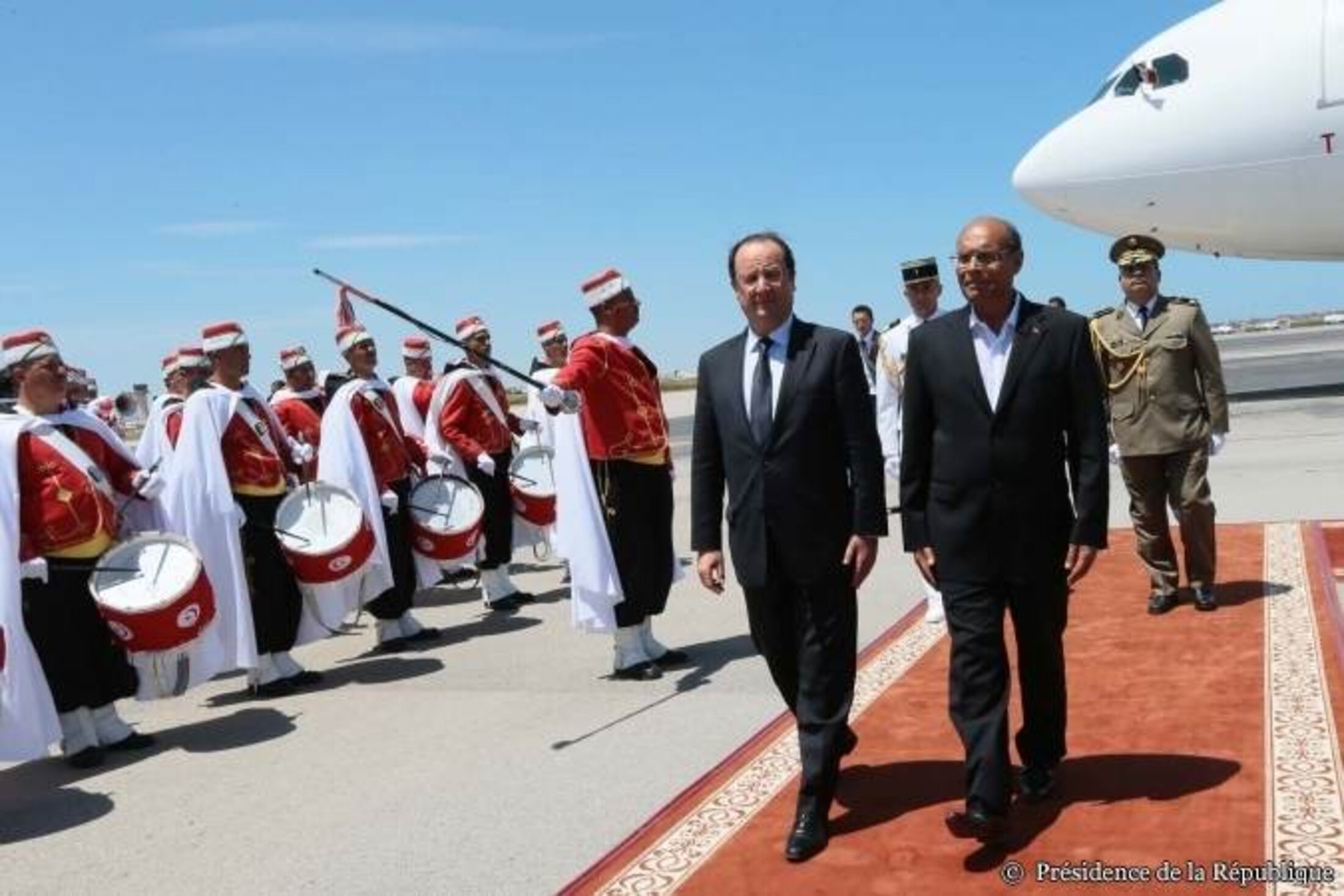
The scene was played out at the end of June in the Elysée Palace, the grand and regal-like offices of the French presidency in the heart of Paris, just days before François Hollande was due on an official visit to Tunisia.
The Tunisian population was the first to rise up against authoritarian rule during the so-called Arab Spring series of revolts that swept the Arab world in 2011. President Hollande was well aware that the speech he was due to give in the capital Tunis would be carefully weighed word-for-word.
To prepare it, he had brought together a group of academic researchers and experts on Tunisia for a round-table discussion that would last an hour and a half. These were: Béatrice Hibou, the author of what is regarded as a study of reference on Tunisia and a member of the French National Centre for Scientific Research, the CNRS, the Franco-Tunisian vice-president of Paris-Dauphine university Elyès Jouini, a professor of Paris political science school Sciences-Po, Jean-Pierre Filiu, a historian and anthropologist with the prestigious social sciences school EHESS, Jocelyne Dakhlia, and the historian Benjamin Stora, who is close to the French president.
“It’s the François Hollande method,” commented Elyès Jouini, recalling, like his counterparts, that Hollande was “very attentive” to what they had to say. Another of those present at the Elysée meeting, who spoke on condition of anonymity, added: “We all said that there must be no dramatization of the situation, that debates about democracy is precisely what democracy is,” he said. “We also said that there should not be too much engagement over the issue of the Femen. We spoke of the Islamist feminists and how the statement by [French interior minister Manuel] Valls about Islamist fascism was a catastrophe. On all of that, Hollande was very understanding.”
Enlargement : Illustration 1
“I am struck [by the fact that] when [Hollande] meets researchers it goes incredibly well, and it is a fundamental difference compared to the previous presidency,” observed Gilles Finchelstein, head of the left-leaning think-tank Fondation Jean-Jaurès, dedicated to promoting democratic reform and reflection. “At each lunch meeting with intellectuals, [Former French President Nicolas] Sarkozy only talked. That is, when he wasn’t telling them off. Hollande listens and really involves himself in the discussion, even though I think he is more naturally on an understanding, at ease and more interested in experts of a specific subject than with intellectuals of a broad kind.”
Veteran French journalist Jacques Julliard, a long-time observer, commentator and historian of the French Left, also an editorialist with monthly magazine Marianne, agreed. “With intellectuals, he prefers an expert account rather than a talk of grand ideas,” he said of Hollande.
But in reality, the discussions he held on Tunisia in June were something of an exception. For many years, Hollande has carried a self-fed reputation of being a politician who little appreciates political theorizing, deliberately keeping a distance from academics and thinkers. This was notably the case while he was head of the Socialist Party, between 1997 to 2008, when he isolated himself from the opinions of academic experts. His political and personal world is well removed from theirs, his friends being mostly those he rubbed shoulders with as a student in the ‘Voltaire’ 1980 class year at the elite Ecole Nationale d’Administration (ENA), the school that has formed so many hundreds of France’s top civil servants and technocrats.
“As of [Hollande’s election in] 2012, we saw the return in force of technocratic thinking, without the hybrid nature seen in previous cabinets of the Left,” observed Christian Paul, a Socialist Party Member of Parliament (MP) for the Nièvre, in central France, and a former president of a Socialist Party policy reflection think-tank.
That judgment should be cautioned by a degree of nuance, argued Alain Bergounioux, a Socialist Party official and activist. “When I was secretary of the [Socialist Party’s] communications department between the years 2003 and 2004, I organised meetings at [the party’s] Solferino [headquarters] and working breakfast consultations,” he recalled. “Few national secretaries were present, whereas Hollande always turned up. But it is true that he hasn’t got a taste for theoretical debate.”
When Martine Aubry succeeded Hollande as the party’s First Secretary, she soon attempted to renew consultations with socialist-leaning academics and thinkers, who were regularly invited to take part in meetings organised by MP Christian Paul’s policy think-tank, the Laboratoire des idées.
In the run-up to the Socialist Party primaries to decide a candidate for the 2012 presidential elections, Aubry, who ran as a rival against Hollande, surrounded herself with a team of high-flying advisors who included the economist Daniel Cohen, the genetisist Axel Kahn, French anthropologist Françoise Héritier.
Enlargement : Illustration 2
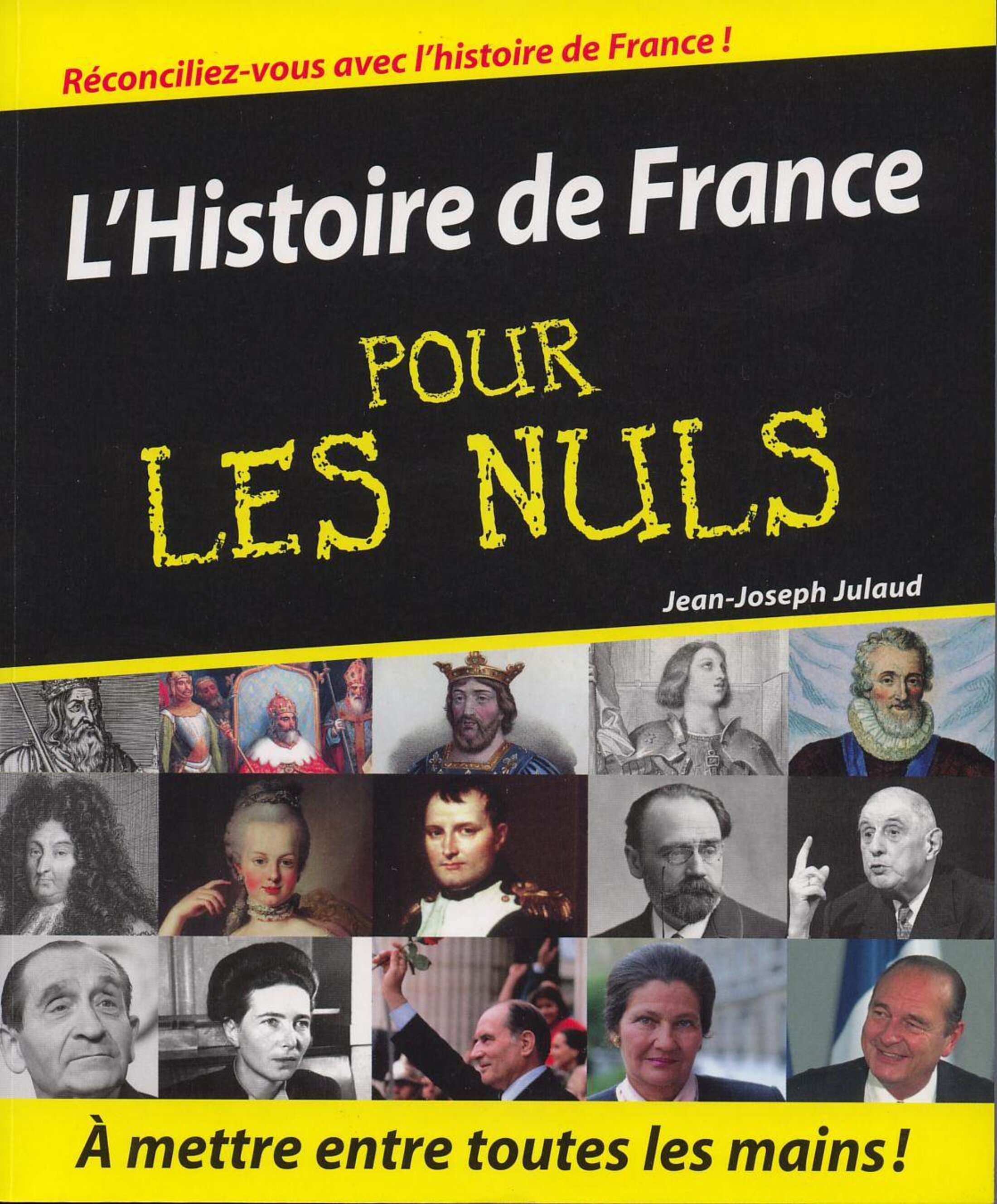
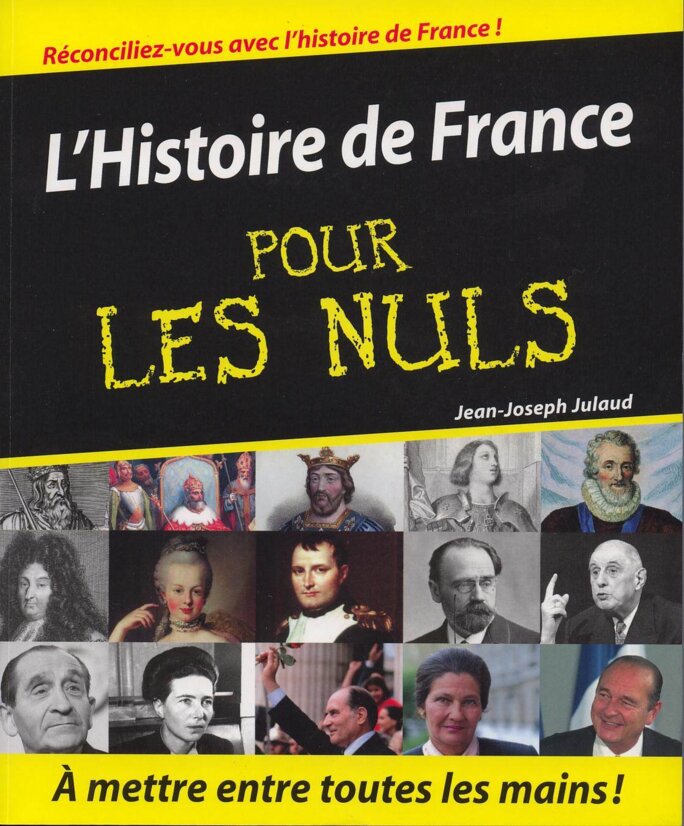
Hollande’s approach could not be more different to Aubry’s highbrow image. He posed for press photographers holding a copy of ‘A history of France for dummies’. In 2006, when he was Socialist Party First Secretary, he and his then-companion Ségolène Royal appeared in a photo reportage of their domestic life for popular weekly magazine Paris Match. One ranking Socialist party official, who spoke on condition of anonymity, recalled a rumoured remark made at a dinner hosted by Hollande and Royal that caused tittering among some at the party’s headquarters; during the meal, Hollande reportedly observed that “everything has already been thought out”.
Six years later, during the final days of the presidential election campaign in April 2012, when Hollande was already marked out as the lead candidate, he met with journalists from French daily Libération for a round-table interview. When asked “what are your theoretical references that allow you your opinions about inequalities, misery, etc?”, Hollande cited no books nor academic researcher. In a side report published in the same issue, the daily recounted anecdoters about his apperarance before its journalists, including how he didn’t reply to a question by its literary critic and philosophy commentator, Robert Maggiori, “who asked him which thinkers inspired his reading”.
In reality, Hollande’s team of close allies at the Socialist Party, those who were to back him in his bid to become its presidential candidate, began policy building with academic researchers and experts of various kinds back in 2009. Remi Branco, now deputy chief-of-staff to agriculture minister Stéphane Le Foll, was then one of Hollande’s young advisors, recalled how he served as a go-between for Hollande with various experts in order to develop his future programme. “He saw and knew a number of economists, less so with sociologists,” commented Branco.
Hollande was notably introduced by his team to Cécile Van de Velde, a sociology professor at the EHESS. “It was with her that Hollande began to reflect on policy towards the young,” Branco said. The input of various academics has contributed to Hollande’s current labour policies, notably Anne-Marie Guillemard, a sociology professor at Paris-Descartes university and a specialist on employment issues for the senior ages of the active population, and her sociologist colleague at Paris-Descartes, Nicolas Duvoux, a visiting scholar at Harvard University.
But since being elected as president, Hollande maintains a preference for pragmatism over theorization in his approach to political action, with a tinge of technocratic decision-making. “Hollande as president reaps what he did not sow when he was First Secretary of the Socialist Party,” commented Frédéric Sawicki, political sciences professor at Paris 1 University. “Hollande’s strategy has remained that of surrounding himself with a few advisors of similar profiles and to call on them for answers at given moments. This government suffers from the absence of [policy research and consultation] work within the Socialist Party when it was in opposition, above all when Hollande was First Secretary.”
Sawicki argues that the Socialist Party, having turned its back on Aubry’s attempts, via the ‘Laboratoire des idées’, to establish a regular relationship with the world of researchers and experts, “chose to hand the reins to someone who is in no way a manipulator of ideas or who has a vision”, adding: “While the Socialist Party’s big-wigs, now in government, are popping shots at each other, no-one either within or close to this government appears able to put forward a project for society.”
'Contacts with intellectuals have become frayed'
But despite Sawicki’s criticism, several of Hollande’s ministers have published books putting forward their analysis and vision for policies, including education minister Vincent Peillon (Refondons l’école – pour l’avenir de nos enfants), finance minister Pierre Moscovici (Combats – pour que la France s’en sorte) and industry minister Arnaud Montebourg (La Bataille du Made in France).
While Peillon has called on the services of a number of academic experts to help advise on, and to supervise, aspects of his ministry’s policy-making, agriculture minister Stéphane Le Foll, a longstanding ally of Hollande’s, meets regularly with economists, academic researchers and expert commentators. Meanwhile, Prime Minister Jean-Marc Ayrault appointed his old friend Jacques-Pierre Gougeon, an academic by profession and specialist in Franco-German relations, as his special advisor. Gougeon notably has the mission of knitting relations between Ayrault and the academic world, and every month organizes a dinner where the prime minister meets with small groups of experts in one field or another to discuss particular themes.
Enlargement : Illustration 3
The first of these was held in June 2012, when the socialists came to power, and centred on the economic situation. The dinners are given a title for debate, and the second was dedicated to defining ‘The city of tomorrow’, a third to address the question ‘Do borders still have a meaning?’ “The prime minister has always had a particular relationship with cultural and intellectual circles,” said Gougeon. “It is a world that speaks his language. When he arrived at [the French Prime Minister’s office] Matignon, he wanted to maintain this contact.”
Outside of the socialist government, the first to hold power since 2002, several left-leaning think-tanks are trying to establish their new roles. One of them, the Fondation Jean-Jaurès (named after one of the most celebrated socialist leaders, Jean Jaurès , a major historical figure of the French Left), organizes regular confidential meetings under the auspices of its head, Gilles Finchelstein. “These are breakfast meetings that follow the rule of Chatham House, where the confidentiality of discussions guarantees the frankness of the debates,” said Finchelstein. “We invite some sixty politicians, academics, senior civil servants, ministerial cabinet members, company heads and union officials to meet together with a main guest for a true exchange of ideas.”
The young guard close to François Hollande, made up of presidential and ministerial advisors, last month launched their own think-tank structure, called, with humour, ‘Du pain sur la planche’ – taken from a French expression meaning ‘there’s a pile of work to be done’. It holds weekly discussion meetings with academics and other experts. “On pension issues, we notably welcomed François Hollande’s social affairs advisor Michel Yahiel,” explained Rémi Branco, one of the project’s founders. “On [the subject of far-right party] the Front National we met with Joël Gombin and Antoine Jardin, young political affairs researchers who have worked on [the subject of] the vote in working-class districts.”
The members of the think-tank, Hollande loyalists, say they hope to both defend the president’s policies but also to put forward policy ideas – and to establish closer links between themselves and specialist researchers. “Because it’s dangerous to stay inside ministerial tunnels,” said Branco. “Since a year ago, the contacts with intellectuals have become frayed.”
-------------------------
English version by Graham Tearse