


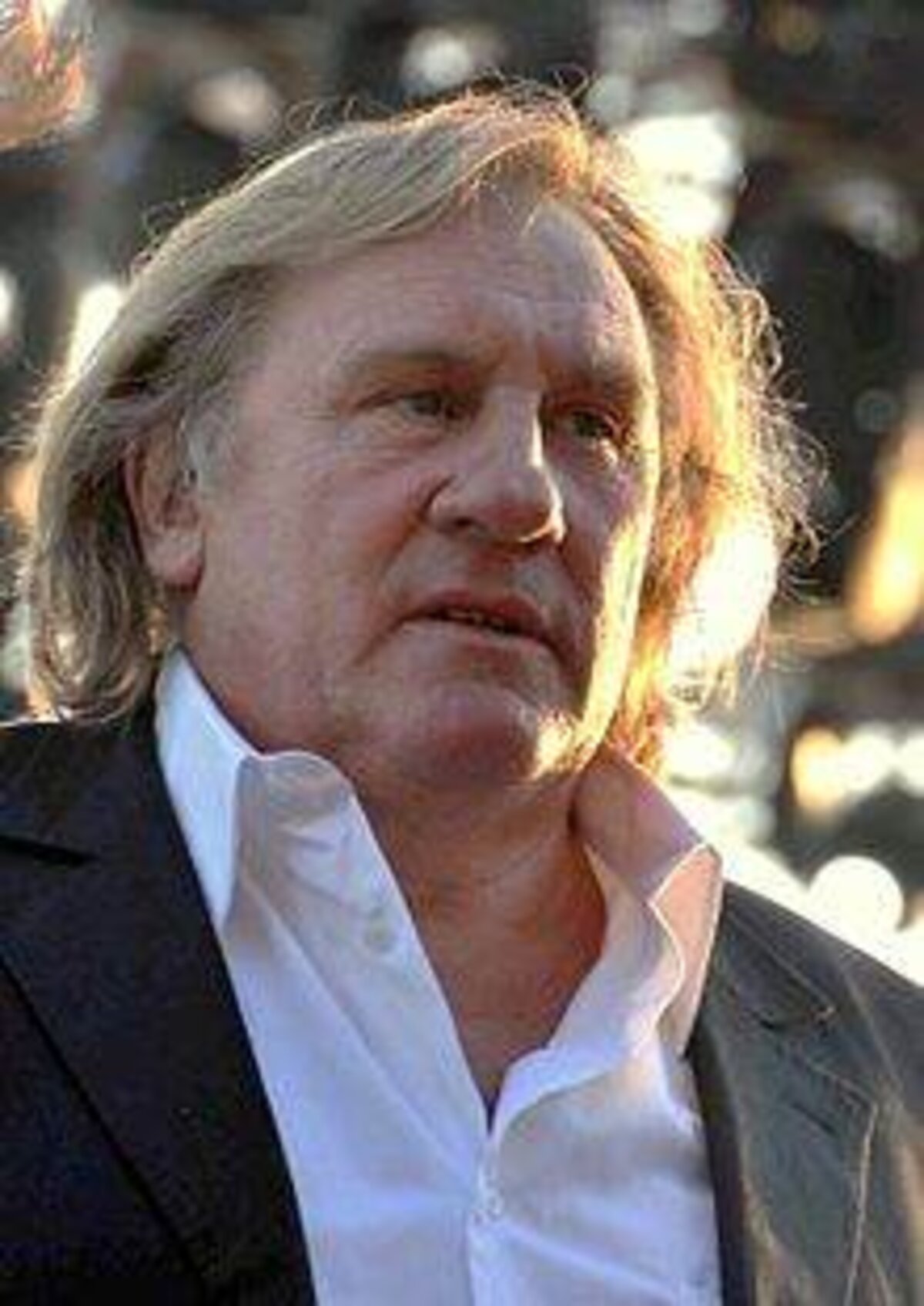
The French film industry has had a turbulent time of late, sparked by the controversial antics of one of its biggest stars, Gérard Depardieu, who, after announcing last December he was to become an exile in Belgium to avoid the planned introduction of a 75% tax on top income earners, adopted Russian nationality upon the invitation of President Vladimir Putin.
Depardieu, who spoke of how he no longer felt “a part” of France and who went on to hail Russia as “a great democracy”, lit the fuse to a bitter debate about the huge fees paid to him (2.3 million euros in 2012), and other French cinema stars by a subsidised industry that could never survive without public funding and enforced financing by television channels.
Just as the row developed it was announced that a trio of French-produced films - Taken 2, The Artist and The Intouchables – last year led record-breaking box office returns for French cinema on the international market, with 140 million tickets sold worldwide.
But film producer Vincent Maraval, co-founder of the Wild Bunch distribution company, argues that despite box office successes most French films remain unprofitable. He became involved in a bitter public spat with a number of leading French actors following an opinion article he published in French daily Le Monde. Entitled ‘French actors are paid too much’, he described 2012 as “a disaster” for the industry, and denounced the millions of euros regularly paid to actors for high-budget films that lose money.
The subsidies paid to the French film industry are part of a complex system that its supporters say has allowed it, over many decades, to maintain a rich production while other national cinema industries in Europe have faded. Its critics, meanwhile, argue that it has had the perverse effect of creating an economically unviable business that pays scant attention to its audience and which has failed to adapt to technological changes.
Olivier Alexandre is a sociologist specialised in the history of modern French cinema. A professor at the University of Avignon, and a visiting scholar with Northwestern University in Illinois, he has just finished a thesis for the Paris School of Higher Studies of Social Sciences (EHESS) on the French cinema industry from 1981 to the present day. In this interview with Joseph Confavreux, he details how the subsidised system works and weighs up the arguments for and against.
-------------------------
MEDIAPART: Why did the debate that followed the controversial opinion article published in Le Monde by film producer and distributor Vincent Maraval taken on such proportions?
Olivier Alexandre: I would distinguish three factors. First, we have a technological change that is generating a certain amount of nervousness in the industry because of the consequences it has for the very ingenious legal and financial system [Editor’s note: for making films] put together during the 1980s.
Then, we are looking at an industry with a propensity for polemic because of its structure. The French film industry is divided into two parts. On the one hand there are various functions with divergent interests – producers, distributors, operators, agents, actors, directors. And on the other hand, there are three tiers of players – film companies, the so-called independents, and those Hollywood calls the strugglers, which battle to find a place in the system. That tends to favour the impact of personal opinion pieces rather than over-arching, detached analyses.
And finally, this industry owes its existence to the act of producing and its symbolic reach, which far exceeds its real economic significance. If you compare with other cultural industries, film industry revenues amount to some 1.5 billion euros, far less than television at over 10 billion euros, book publishing at 3 billion, or recorded music, which was worth 2 billion euros in the early 2000s.
But when it came to defending the cultural exception in negotiations for GATT [predecessor of the World Trade Organisation], the French government took with it not [writer and publisher Philippe] Sollers , [TV and radio presenter Michel] Drucker and [singer song-writer Alain] Bashung but [film and theatre director Gérard] Oury, [director and screenplay writer Bertrand] Tavernier and, well, Depardieu.
MEDIAPART: What does this controversy over actors' pay tell us about the way the French film industry is financed?
O.A.: First of all you must remember that the film industry, like many cultural industries, is not a very profitable sector. Even if a great deal of money circulates, very few films make profits. To reduce this high level of economic risk the sector operates on the basis of over-production. The number of projects is kept high in the hope of producing the film that will hit the jackpot. And the small number of films that more than cover their costs offset those that are not a success, as also happens in publishing or music recording. No one could have predicted that Bienvenue chez les Ch’tis (Welcome To The Sticks) would have 20 million box office entries, nor the success of Marius et Jeannette, Être et Avoir or Des Hommes et des Dieux [1].

To reduce the uncertainty some operators try to protect their investments. They do this in three ways: by working with producers with a proven track record; by favouring particular cinema genres depending on national tastes – comedy in France, melodrama in Japan, action films in the United States; and by using stars, whose fame is seen as boosting the projects.
In France, less than 20 % of new films bring their investors a big inflow of receipts when they come out, and in the United States, two-thirds of films lose money. But that does not mean those films will never be profitable. Coming out in cinemas opens the door to other economic possibilities – export, DVDs, video on demand and television screenings. A cinema launch is the shop window, the time when a film establishes its notoriety, its commercial birth, but is in no way the only occasion for generating profits.
This rationalisation of risk is behind a phenomenon common to all cultural industries – winner takes all. Whether you are talking about directors, actors or technical managers, it is estimated that 20% of the players take 80% of the resources. In fact there are three levels: a close-knit elite that gets high revenues and fame; a fringe of integrated professionals who work regularly; and a mass of outsiders who keep a toehold in the business, sometimes in very desperate conditions.
As far as actors' remuneration goes, we can identify a mechanism identical to that in sport or fashion. Top model Kate Moss earns nearly 10 million dollars a year, but 80% of top models eke out a living. Here as elsewhere, small differences in talent result in flagrant differentials in market value.
-------------------------
1: Marius et Jeannette, Être et Avoir and Des hommes et des Dieux were all selected for the Cannes Film Festival and won Césars. Des Hommes et des Dieux had international distribution under the title Of Gods and Men.
MEDIAPART: What is the financing model of the French film industry based upon?
O.A.: In the 1960s in the United States, then in the 1980s in France, there was a crossover between the number of televisions in homes and the number of people going to the cinema. The responses to this problem were very different on each side of the Atlantic.
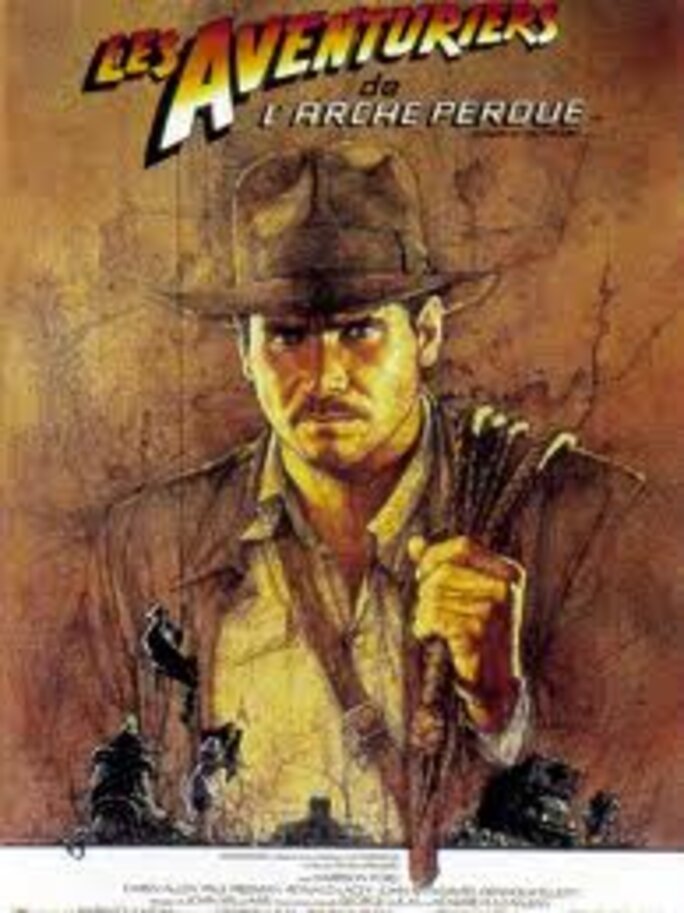
In the United States the solution involved the networks, structures like Disney that control the entire value chain combining content, control of broadcasting channels and management of derivatives via theme parks. You turn a film into an attraction, as with Indiana Jones, or an attraction into a film, as with Pirates of the Caribbean. That way you control the entire value chain.
This capitalistic adaptation strategy has not necessarily been counter-productive in an artistic sense because it allowed the new Hollywood to emerge, bringing forth a new generation of film makers who had barely left American campuses, people like [Francis Ford] Coppola, [George] Lucas, [Steven] Spielberg and [Martin] Scorcese.
In France we took a completely different route. In the 1980s the mutualising system set up at the end of World War II was expanded and made more sophisticated. At first an additional special tax (TSA) had been created in 1948, which meant that for every cinema ticket sold in France, 11% of the price was paid to the Centre National du Cinéma [CNC –
French National Film Centre] which redistributed it to finance new projects in the French film industry. It is a very clever system. Given the massive competition from American films in French cinemas, this tax amounted to a transfer of resources from Hollywood to the French film industry.
This was added to in 1959 with the introduction of selective aids funded from this common source of finance. At the time when the [1950s and 1960s cinema movement] New Wave was taking off, this idea of supporting films that were not purely commercial emerged from the ministry of cultural affairs. It is important to note that all this aid, totalling about 20 million euros, consisted of an advance that was to be reimbursed. It was not public money but cash generated by the industry.
MEDIAPART: Why did television stations later become involved?
O.A.: In the 1980s, successive governments laid down a framework for the expansion and liberalisation of broadcasting with the creation of Canal +, La Cinq, La Six, La Sept and the privatisation of TF1 [1]. A sort of tacit pact was forged. The government lent a hand in helping weighty new players to emerge in broadcasting, but imposed upon them a system of taxes and financing obligations for the benefit of the film industry.
This economic solidarity did have some logic, and was even based on a principle of justice because, at the time, films were the main attraction allowing TV channels to grab audiences. This is why a proportion of the channels' turnover has been assigned to the film industry via the CNC since then. You can add to that direct investments of 45 million euros a year for TF1, 30 million for France 2, 20 million for France 3, 10 million for Arte and 16 million for M6. Canal +, the French film industry's main backer, contributes 9% of its annual turnover.
This system explains the paradox of the French film industry by the end of the 1980s, of having rising production even as box office entries declined. Overall investment is still growing today because resources are still increasing from outside the industry itself, from the American and global film industries and contributions from the TV channels. Add to that several other measures like regional aid or finance from Sofica, the French film and broadcasting finance society, which offer tax deductions to individuals and companies.
-------------------------
1: Until the French TV sector was expanded in the 1980s, the country had three TV channels, all state-owned: TF1, Antenne 2 (later France 2) and France 3. Then TF1 was privatised and Canal + was set up as the first pay-TV channel. La Cinq later went bankrupt and was ultimately replaced by public educational channel France 5, La Six became the privately-owned M6 and La Sept became public Franco-German culture channel Arte.
MEDIAPART: How do you explain this very particular choice of financing?
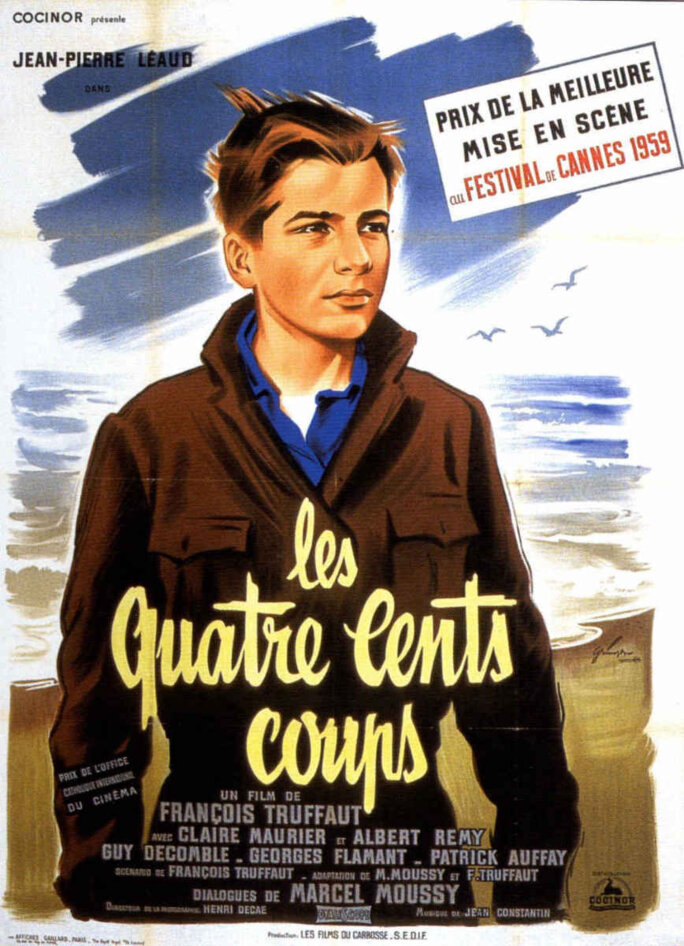
O.A.: There are political, economic and cultural reasons. The system was invented by a generation of decision-makers who had seen [François] Truffaut's
Enlargement : Illustration 4
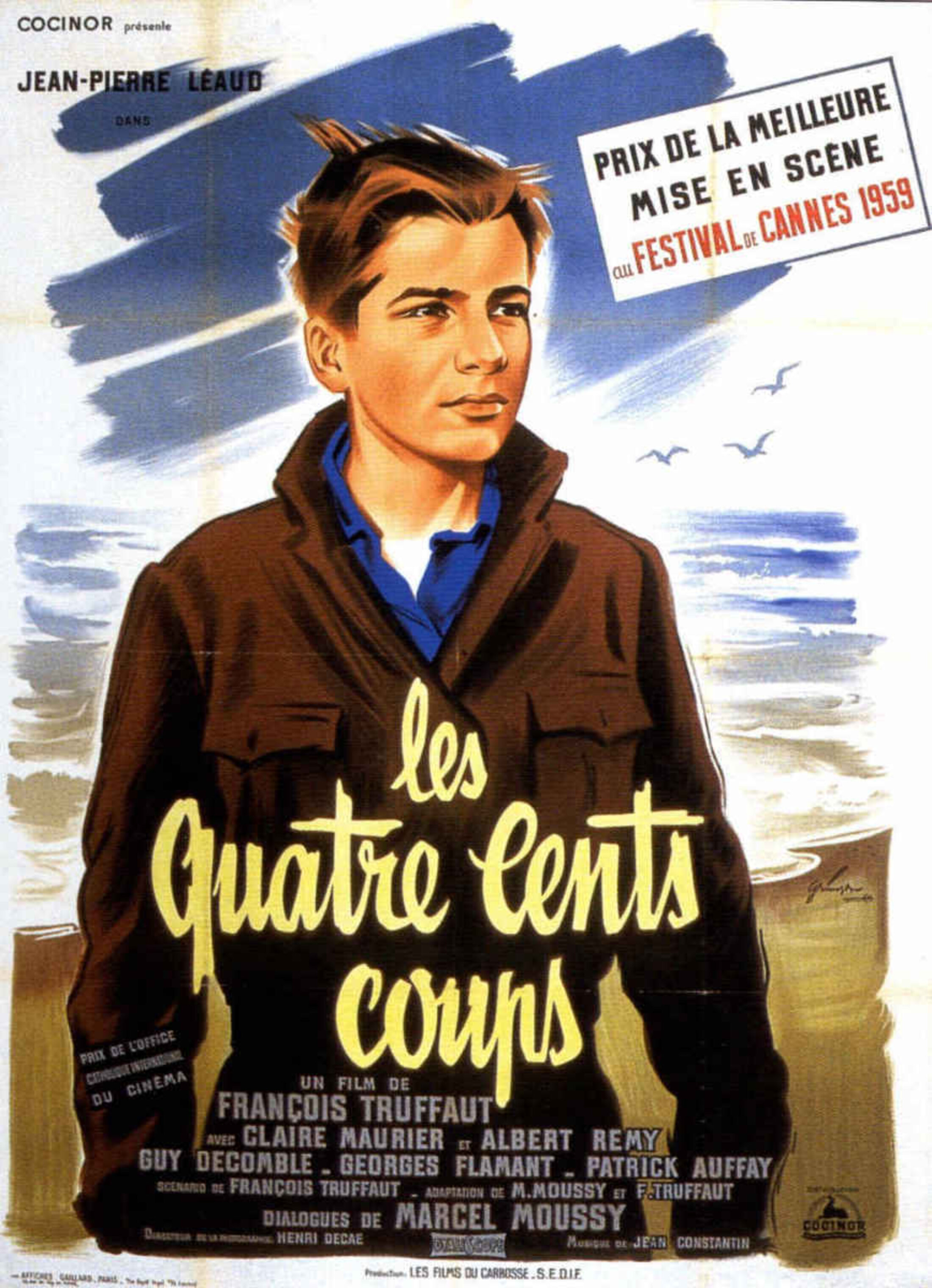
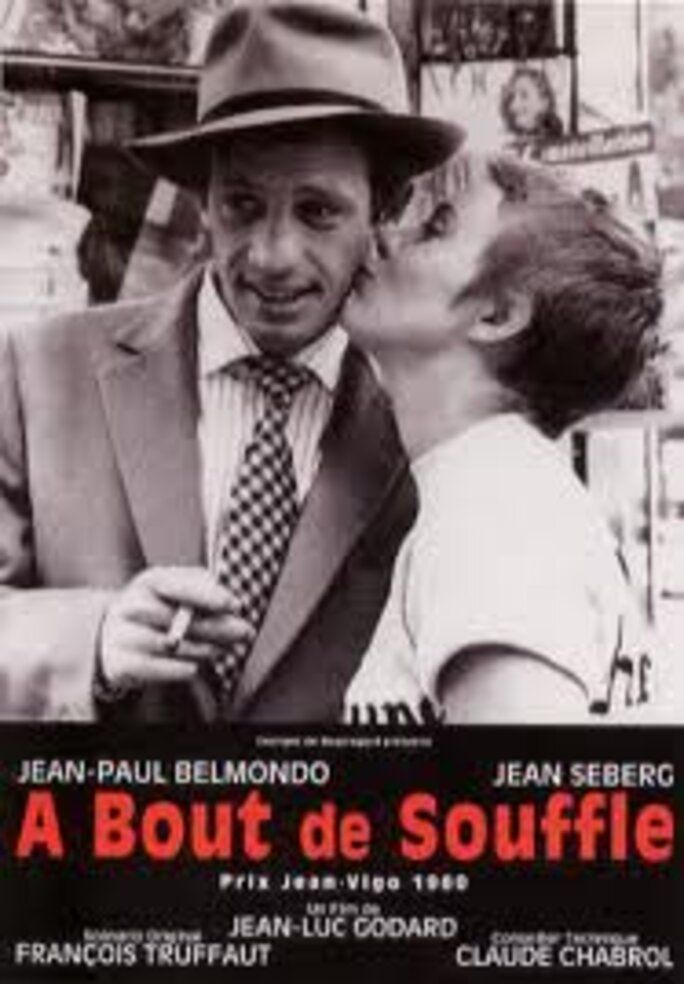
[The 400 Blows] and [Jean-Luc] Godard's À bout de souffle [Breathless], the politicisation of culture in the 1970s and the change in government in 1981 [1]. From the end of the 1970s there were ideas, which sometimes converged, at the CNC, Havas [2], the Socialist Party and the culture ministry for creating a way of putting the film industry on a durable basis.
People as different as Nicolas Seydoux [chairman of Gaumont], Jérôme Clément [former director-general of the CNC and chairman of Arte], Jack Lang [former culture minister under President François Mitterrand], Bernard Faivre d’Arcier [a high-ranking civil servant who set up TV channel La Sept], Daniel Toscan du Plantier [a French film producer], Marc Tessier [chairman of France Télévisions 1999-2005], René Bonnell [a key figure in the founding of Canal +] or Jack Gajos [a film director who set up an agency for regional development in the film industry] were involved in this legitimisation.
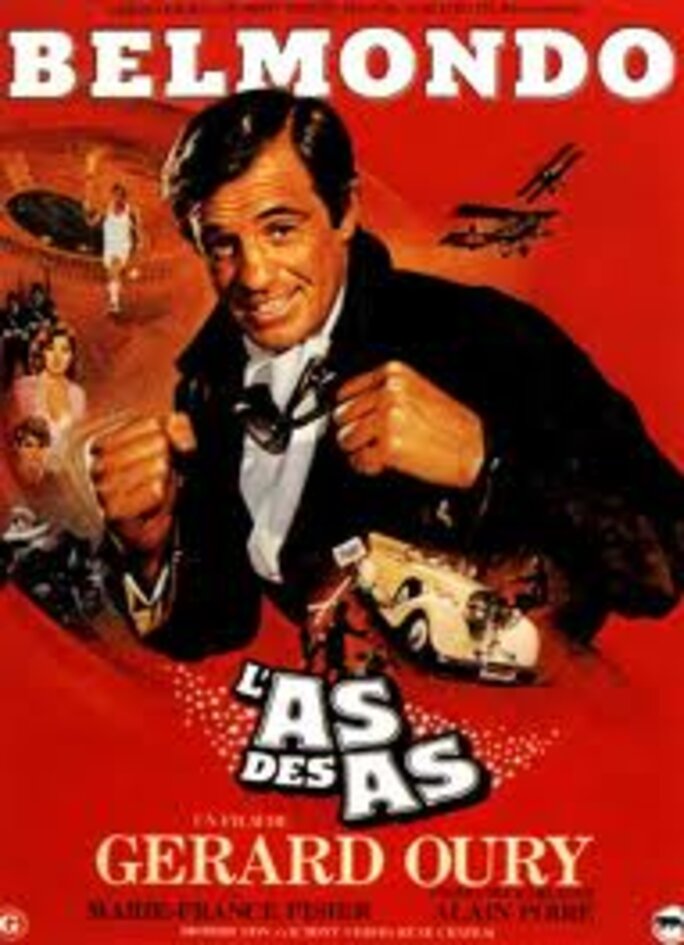
So you could argue it was fair from a business point of view because the TV channels' viewing figures were partly attributable to the fact that they broadcast films. Remember it was the announcement that Canal + was programming Ace of Aces [1982 comedy produced by Gérard Oury starring Jean-Paul Belmondo] that prompted its subscription numbers to take off after its particularly difficult first few months.
But during this period you also find the idea that the silver screen had the benefit of artistic and moral prestige, in contrast to the gregarious and vulgar logic that was said to motivate the television industry.
MEDIAPART: What problems does the system present today?
O.A.: The first is that the attractiveness of cinema for television is reduced. In 1993, among the top 100 most-watched programmes on television, 49 were cinema films, of which 20 were French productions. In 2011, only 6 films, all shown on [private channel] TF1 were among the 100 most watched of the year. That explains why the management of TF1 regularly reiterates that they would happily do without making the investments that are required of them. And also why, while the channel is in a delicate financial situation, it concentrates investments in big-budget productions, most often comedies with big names, representing in theory a bigger TV audience potential and so profitable also for advertisers.
The second issue concerns the symbolic division this system brought about between cinema and television. Cinema ‘talent’ has deserted television, contrary to the North American model where the to-ing and fro-ing is constant. Many cinema people have for a longtime denigrated TV films and series and the constraints they bring. To talk in a similar vein to [thinker] Gilles Deleuze and [cinema critic] Serge Daney, television was for them the world of the majority, in disaccord with the practice of an authentic artistic activity. In many cases, to go and work for television was perceived as downgrading.

The subjective opposition of these two worlds was for a long time exacerbated, despite objective economic, legal and social links. Some people worked hard at bringing these two creative universes closer together, like [film producer] Pierre Chevalier at the [Franco-German TV channel] Arte. A longtime [however] in vain. This artistic depletion within television explains why France has little other than [the soap] Plus belle la vie to offer against the golden age of American series, the principal cinematographic counter-model to Hollywood. [French TV channels] Canal + and Arte are today trying to catch up with ground lost over a period of almost three decades, using a very voluntaristic policy of development.
-------------------------
1: François Mitterrand became France’s first socialist president to hold office under the Fifth Republic in 1981.
2: Havas, now a global advertising group, was then Agence Havas, primarily a news agency majority-owned by the French government and run by André Rousselet who went on to found Canal +.
MEDIAPART: Just at the same time as cinema films are proving of less interest to television, the number of productions is exploding. How can this be explained?
O.A.: It’s a mechanical consequence of the framework of regulations. With the tax and the investments required of television channels being indexed according to their turnover, as long as the global volume of the latter increases, the investments in cinema will increase accordingly.
Then there is also something to be said for the role played by cinema institutions. While the actions of the [French National Centre of Cinematography and the moving image] CNC have a corrective action regarding the market in other cultural domains, on the other hand they tend to accentuate overproduction. To put it simply, the CNC moves in the same direction as the market operators. With 200 films produced per year, almost twice as much as 25 years ago, the length of time films play in cinemas is shrinking.
This paradox comes from the fact that the CNC gives a bonus payment to new arrivals. Each year, between 30 and 80 French-created films, representing about one third of [total French] production, are first-time films. One can undoubtedly attribute this phenomenon to the mythology of the New Wave with the idea that it is new talent that will bring about innovating projects.
So we have a system that takes the form of a loop net. An extremely large arrival of new talent in the sector, and an exit [of older talent] that is almost equivalent in size. While it is possible to break into French cinema, it is much more difficult to stay in it. Only a minority of directors reach a position of being a recognised and established creator, or to develop a [milestone] work over time.
MEDIAPART: Vincent Maraval also suggested that French cinema doesn’t worry itself about a film being profitable because it is already pre-financed.
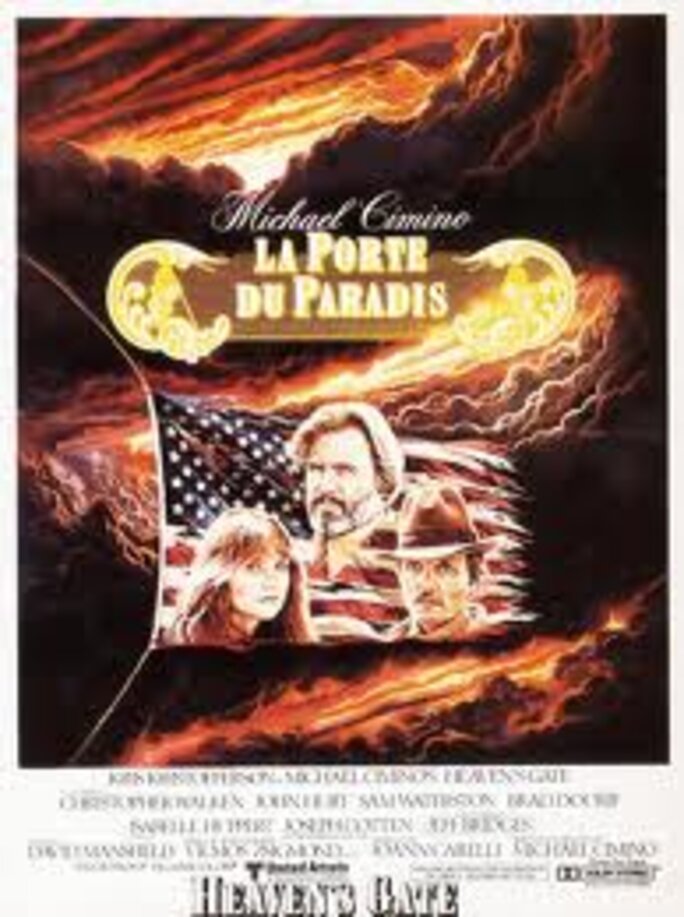
O.A.: From an economic point of view, the notion of pre-financing is another perverse effect of the disassociation of funding and the state of the market. In the US, the law of the market prevails. A second chance is hardly ever given and talent has great difficulty in surviving a blatant economic failure. Steven Spielberg’s films count just one significant commercial failure, while Hollywood has never pardoned Michael Cimino for the ruin of United Artists.
In France, the system gets along very well with commercial failure. A director can easily work again if he has the support of institutions, even if their last film ‘didn’t find its audience’, as is habitually and modestly said. In fact a certain number of directors enjoy a reputation that has nothing to do with the degree of profitability of their films, like Alain Resnais or Jacques Audiard to cite two uncontested artists but whose film production budgets are in excess of 10 million euros. What’s more, because of the French pre-financing and co-production system, films in which a television channel participates are guaranteed of running several times on TV whatever their success with the public or critics.
This system accentuates the risk of a gap widening between the contractual valorization and the commercial valorization. Apart from the issue of the reular ballooning of budgets, [actors’] fees are allowed to be enduringly negotiated upwards without regard to cinema’s real economic situation. A producer, a director or actors who negotiate their interests to their own advantage when the film is financed are ensuring themselves an income that is unrelated to the commercial results. All of this structure explains why [cinema] talents are so concerned about the pre-market stage and maintain a relative distance over the issue of their audience.
This issue is seen in a completely different light in the US. In Hollywood, but also in what’s called the ‘Indie’ sector, the vast majority of directors and producers have as their main concern the audience, the public potential of the film and its commercial viability. In France, the credo in the majority of cases is ‘the expression of a singular point of view’, as the oft-used phrase goes.
MEDIAPART: Is this system, which has protected French cinema while other national cinema industries have disappeared, still a virtuous one?
O.A.: In countries with a cinematographic culture, like Italy, Germany and Britain, cinema activities haven’t really disappeared. They have been integrated into the television industry. Berlusconi built his success on this process of absoption, but it also contributed to the success of channels like Channel 4 and the BBC in Britain.
In France, given the loss of attractiveness of films for television, the choice of supporting cinema no longer appears an obvious one in economic terms. It is now a question of political and cultural orientation, [and a choice] to be taken as such. That doesn’t mean that it should not be subject to argument, including economic ones.

For example, one could cite here the importance of the international influence of the Cannes Film Festival, the enduring stamp of the New Wave or the positive external activities of French stars, which has notably led to the questions about the links between cinema and the luxury goods industry. In the eyes of the rest of the world, France is also, and perhaps above all, about fashion, Cannes, Deneuve, Depardieu.
It is a soft power that brings together charm, distinction and the Gallic spirit of resistance. Should this system be put behind us? That is above all a political question and I wouldn’t want to try and answer it. But from a purely strategic point of view, one can indeed recognise the arguments of those who judge Vincent Maraval’s commentary as irresponsible.
With the democratisation of the internet, the logic is that what is demanded is that the players in the online economy enter into the equation, through a system of taxes and required investment that benefits the cultural industries it is placing in danger. To tax Netflix and Google, who play a pivotal role in the distribution of new audiovisual consumption practices, would be to make them full players in the cultural economy.
But between the 1980s and today, the geography of power has changed. The issue is now supra-national whereas the regulatory bodies remain attached to state and national frameworks. Canal + was once headed by André Rousselet, a confident and golf partner of [former French President] François Mitterrand. One doubts that François Hollande has a similar relationship with Google’s CEO.
-------------------------
English version: Sue Landau and Graham Tearse
(Editing by Graham Tearse)