Poste culture. Journaliste à Mediapart depuis sa création, en 2008. Correspondant à Bruxelles sur les affaires européennes (2011-2017), puis reporter, au sein du service international à Paris (2018 - 2025). Co-programme la case « documentaire » chaque samedi sur Mediapart. Toujours en veille sur l’Espagne et l’Argentine.
Ai publié un guide sur l'Argentine (La Découverte, 2011), un essai sur les politiques espagnoles nées du mouvement « indigné » du 15-M (Squatter le pouvoir, Les mairies rebelles d'Espagne, Editions Lux, 2016) et un autre sur l'architecture du quartier européen à Bruxelles (Bruxelles chantiers, Une critique architecturale de l'Europe, Lux, 2018).
Mail : ludovic.lamant[@]mediapart.fr
Declaration of interest
In the interest of transparency towards its readers, Mediapart’s journalists fill out and make public since 2018 a declaration of interests on the model of the one filled out by members of parliament and senior civil servants with the High Authority for Transparency and Public Life (HATVP), a body created in 2014 after Mediapart’s revelations on the Cahuzac affair.
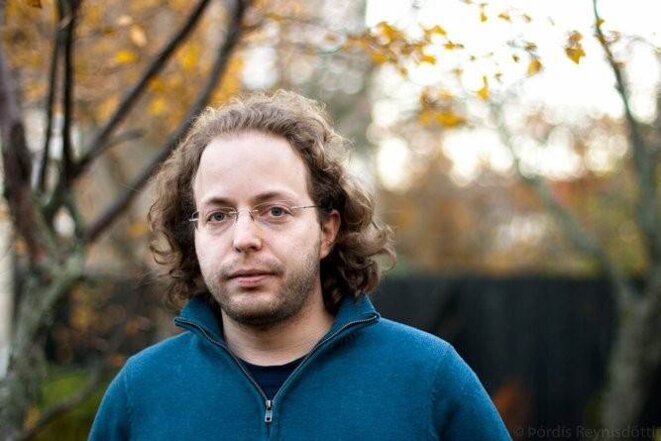
In June 2010, the Icelandic government started on a vast legal and technical project aimed at turning the island into an aggressively protective haven for investigative journalism and internet freedom. Baptised the Icelandic Modern Media Initiative, it hopes to launch in 2012 and could eventually host most of the world's online press. Here, Ludovic Lamant talks to the project's co-founder and spokesman Smári McCarthy (photo) on its reasons for being and its development so far.
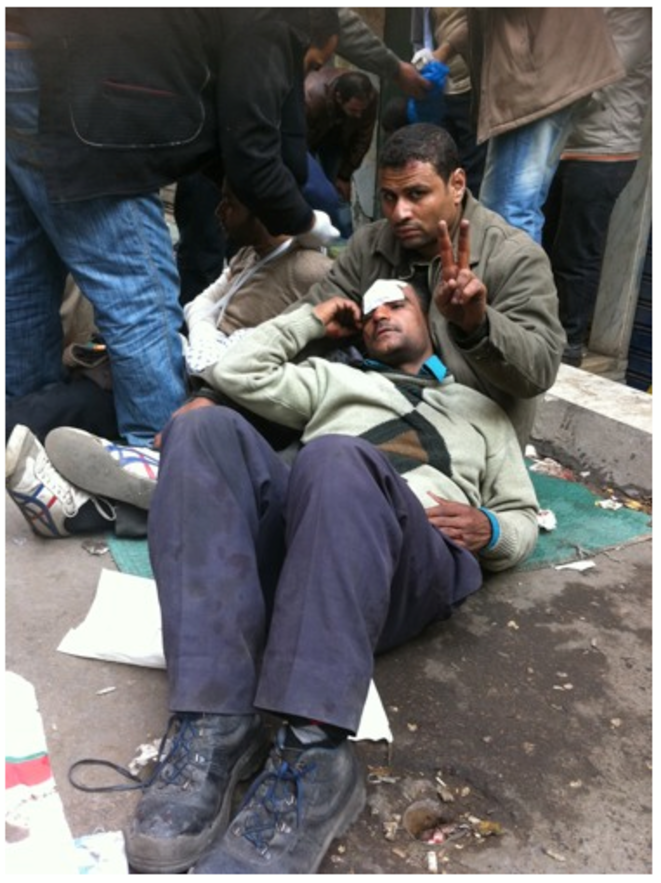
Among the US diplomatic cables disclosed by Wikileaks are a series of revealing missives addressed to the State Department from the US embassy in Cairo. Ludovic Lamant presents five that offer an insight into the events now transforming Egypt, and Washington's reaction to the crisis.
Two weeks ago Tunisian President Zine al-Abidine Ben Ali fled a popular revolution and rage that caught more than him and his cronies by surprise. For over the past decade, numerous international organisations and institutions regularly exhorted developing countries to follow Tunisia as a model of economic success and stability. Ludovic Lamant asks; how could the 'experts' have got it all so wrong?
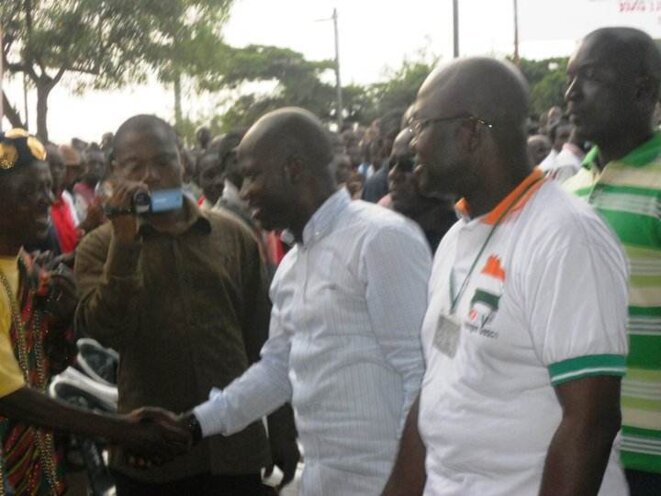
Following Ivory Coast's November presidential elections, defeated incumbent Laurent Gbagbo is refusing to hand over power to his victorious rival Alassane Ouattara, despite the threat of military intervention by West African states. Will Gbagbo go all the way to a fight? A key element will be the readiness for combat of his Young Patriot urban militia force, profiled here.
Ireland has introduced its toughest austerity plan in history in return for a debt bail out by the European Union and International Monetary Fund. In an exclusive interview with Mediapart, French economist André Orléan warns such policies are "heading into a wall" and that Europe's "strategic inertia" leaves it "divided and powerless" in face of market pressures. It needs a New Deal, he argues, not austerity.
The career of celebrated French film director Claude Chabrol, who died in September, spanned five decades and more than 50 films. But the director of thrillers like The Butcher and The Flower of Evil leaves behind an enduring mystery about himself and the true focus of his work. Jean Douchet, an authority on French cinema and a lifelong friend of Chabrol, offers a clue to understanding both.
Back in September 2010, former World Bank chief economist Joseph Stiglitz told Mediapart in a series of video interviews why austerity plans were "counter-productive", threatening a "double-dip recession", and warned how the flawed and derided financial practices that led to the 2008 crash were back in business. "It is conceivable that one or more countries would either default or drop the euro", said the 2001 winner of Nobel Prize in Economics. Why was no-one listening?
All his blog posts
The Mediapart Club
Join the discussion
Mediapart’s journalists also use their blogs, and participate in their own name to this space of debates, by confiding behind the scenes of investigations or reports, doubts or personal reactions to the news.
La 13e édition du festival multidisciplinaire Hors Pistes, qui s’ouvre ce vendredi à Paris, s’attache aux manières de « dire la nation » à distance du discours national identitaire.
Quentin Ravelli est l’auteur d’un diptyque remarqué sur la crise espagnole : d’un côté, « Bricks », film qui vient de sortir en salle, et de l’autre, un livre, « Les briques rouges », publié aux éditions Amsterdam.
A Bruxelles, « L’assemblée d’avril » organise durant onze jours un « campement artistique et citoyen » en réaction aux crises des démocraties européennes.
Leur conférence de presse est passée inaperçue, tandis que les médias n’avaient d’yeux que pour les cérémonies romaines de la fin de semaine. Mais les conseillers municipaux espagnols, passés par le Parlement européen mi-mars, s’emploient, eux aussi, à défendre une certaine conception, plus sociale, de l’Europe. Ils en appellent à la désobéissance.
Ils sont plus de 500 à dire leur inquiétude. Des réalisateurs, techniciens, programmateurs de festivals et critiques ont adressé une lettre ouverte au gouvernement socialiste d’Antonio Costa, pour l’inciter à annuler une réforme du financement qui menace la diversité du cinéma portugais.