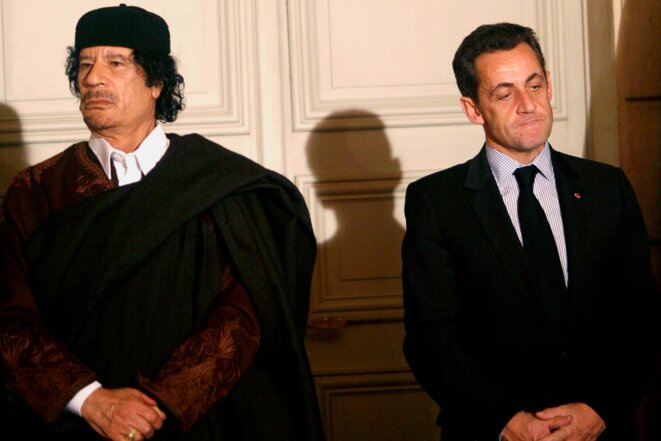
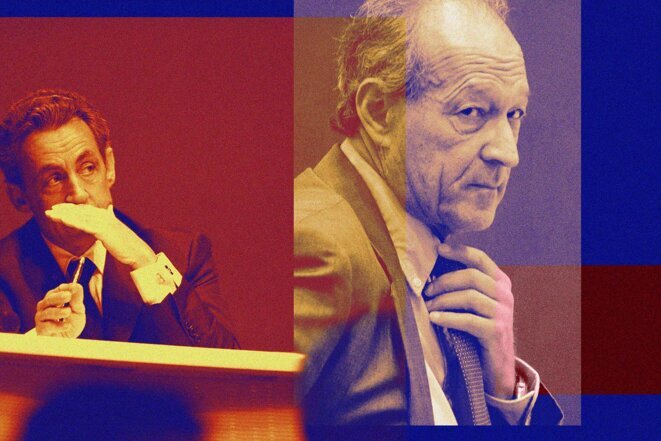
Active investigations in a mammoth and unprecedented nine-year judicial probe into the suspected illegal funding of former French president Nicolas Sarkozy’s 2007 election campaign by the regime of late Libyan dictator Muammar Gaddafi drew to a close this month, leading to a second legal phase before charges are brought and a trial ordered. Fabrice Arfi and Karl Laske detail the principal conclusions of the investigations and the roles of the key suspects in this extraordinary and complex case.
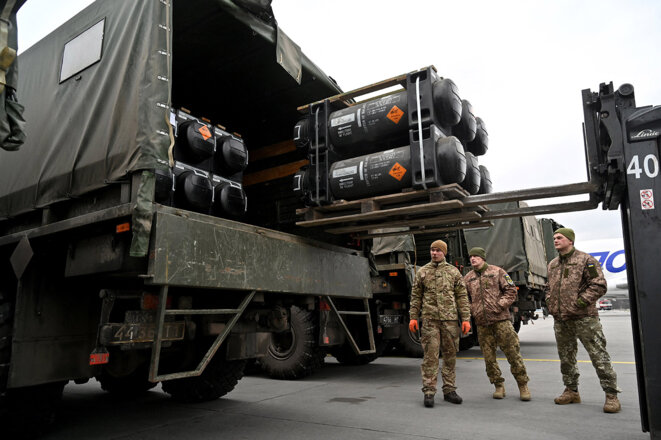
The war in Ukraine has both demonstrated and heightened the dependence of European countries on US military support, while also creating divisions in their defence strategies, notably between Germany and France. In this interview with Justine Brabant, retired French army lieutenant general Jean-Paul Perruche, who served at a senior level in NATO and as director general of the European Union military staff, offers his analysis of the challenges now facing Europe. He argues why it must build a structure to allow for common military autonomy with pragmatic plans to deal with future threats. “It’s really quite pitiful that we are incapable of doing anything, whereas we have four times the budget of the Russians,” he says. “It’s tragic.”
President Emmanuel Macron has launched a series of national consultations aimed at a possible reform by the end of next year of current legislation in France which prohibits euthanasia and assisted suicide, and limits medical intervention to the administration of deep sedation only in the final stages of a patient’s illness. In the meantime, those already in deep suffering from incurable degenerative diseases and who wish to end their lives before the worst stages have only the option of doing so in countries which allow euthanasia or assisted suicide, notably Belgium and Switzerland. Sarah Boucault reports.
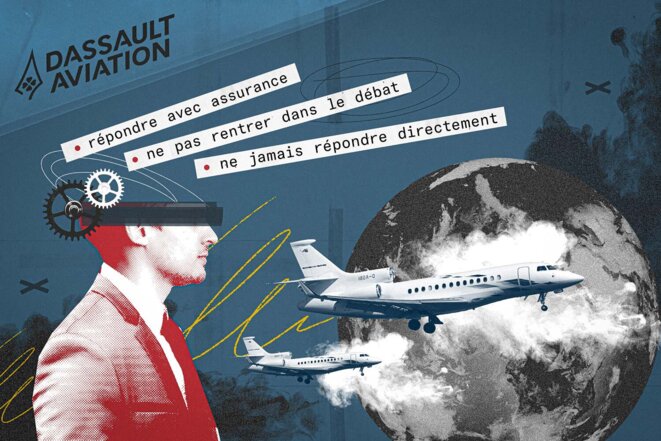
French aerospace group Dassault Aviation, designer and maker of the Rafale multi-role fighter plane and the Falcon business jet, has instructed its staff on how to respond to, and notably how to avoid directly answering, prickly questions over its weapons exports to "dictatorships" and its sales of private jets for carbon-rich travel by the wealthy few. Justine Brabant and Mickaël Correia reveal here the group’s bullet-point internal documents on how to evade the issues, and detail the hypocrisy of its PR campaign.
The shocking sequestration, rape and murder in Paris last week of Lola, a 12-year-old girl whose body was found in a trunk in front of her apartment building home, has been transformed by the far-right and conservative hardliners into a political row over immigration policy after it was revealed that the arrested suspect is a young Algerian woman who since August was the subject of an expulsion order. The controversy snowballed this week, forcing the government onto the defence despite an appeal by Lola’s parents that no political gain should be made of the atrocious crime. Lucie Delaporte and Christophe Gueugneau report.
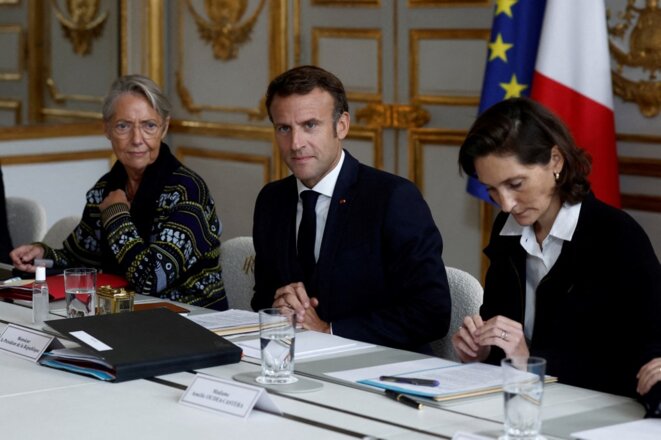
President Emmanuel Macron's government is facing a potentially difficult week, haunted by the fear that the ongoing petrol crisis could lead to a wider social crisis. On Sunday the leftwing opposition staged a protest against the cost of living. Then on Tuesday a number of trade unions have called a day of national strikes over pay and the right to take industrial action. Ilyes Ramdani takes the temperature ahead of what could be a tumultuous few days in French politics.
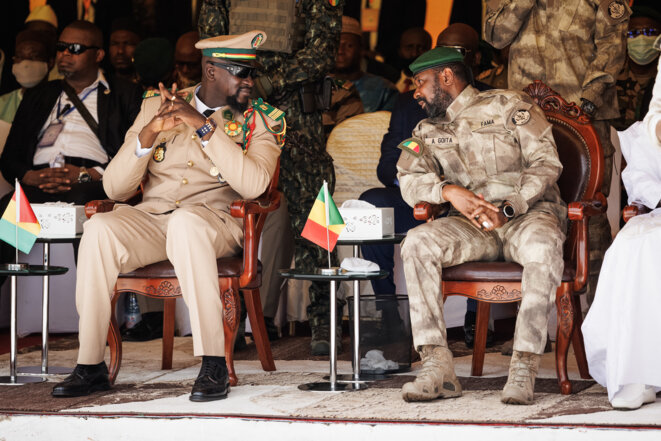
The seizure of power by Captain Ibrahim Traoré in Burkina Faso on September 30th brings to five the number of successful coups d’état that have taken place in West Africa in the last two years. One of the main reasons for these coups has been the failure of the fight against terrorism in the Sahel region, which has led to growing insecurity. Another factor is the increasing role of Russia there. Justine Brabant reports.
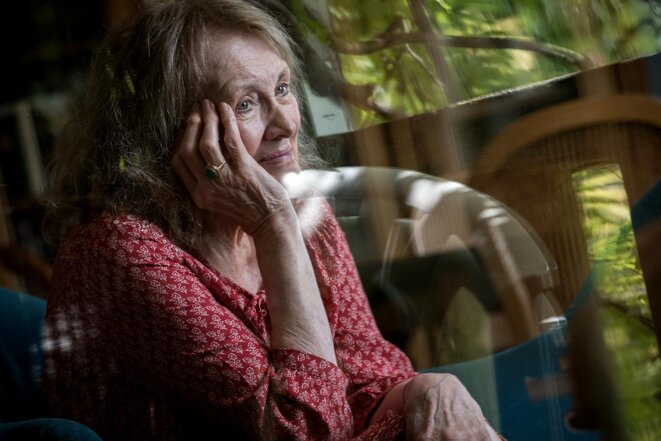
The news that French author Annie Ernaux – who has written a string of acclaimed books - has been awarded the Nobel prize for literature is a cause for celebration, writes Mediapart journalist and literature lecturer Lise Wajeman. But how should one interpret the bestowal of this prestigious prize to the French writer, given that she herself once declared: “What I also want to destroy is literature”?
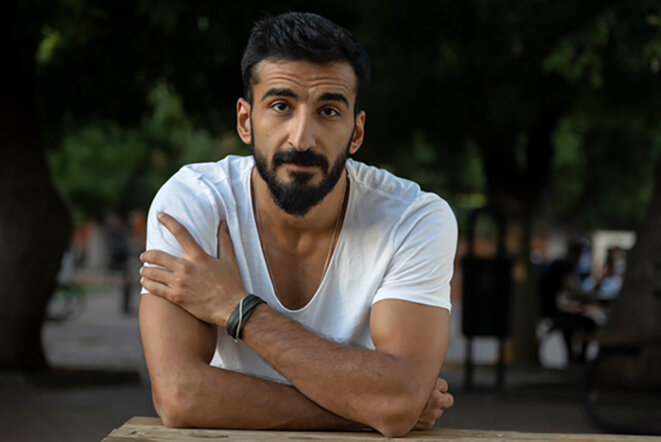
The Turkish-based Syrian journalist and Mediapart contributor Hussam Hammoud was refused a visa by the French authorities on September 5th. A month later, on Wednesday October 5th, his legal team appeared at the administrative court in Nantes to appeal against this decision. The journalist's lawyers highlighted the vague approximations and errors in the arguments used by France's Ministry of the Interior to refuse him the humanitarian visa and called for the application to be looked at again. François Bougon reports.
The French judicial investigation into the suspected illegal financing of Nicolas Sarkozy’s 2007 presidential election campaign by the regime of the late Libyan dictator Muammar Gaddafi has found new evidence pointing to the organisation of the alleged funding on computer files belonging to Thierry Gaubert, a close friend and political ally of the former French president. In this second of a two-part report on the discovery, Fabrice Arfi and Karl Laske detail more about the findings and their implications.