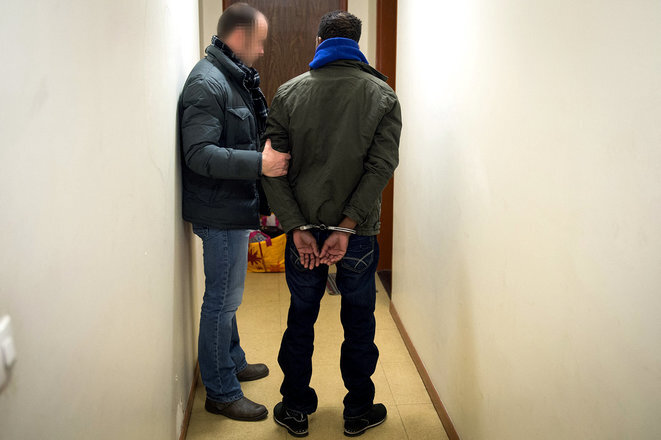
On November 24th, at least 27 people died when their inflatable dinghy sank in the Channel as they attempted a clandestine crossing to the UK from France. Behind the crossings are highly organised criminal gangs which make vast profits from the migrant trafficking, even ordering container loads of small boats from China. They are the target of a dedicated French police agency called the OCRIEST, which is investigating last month’s tragedy. In this interview with Mediapart, its director, Xavier Delrieu, details how the gangs operate and the methods employed to dismantle them.
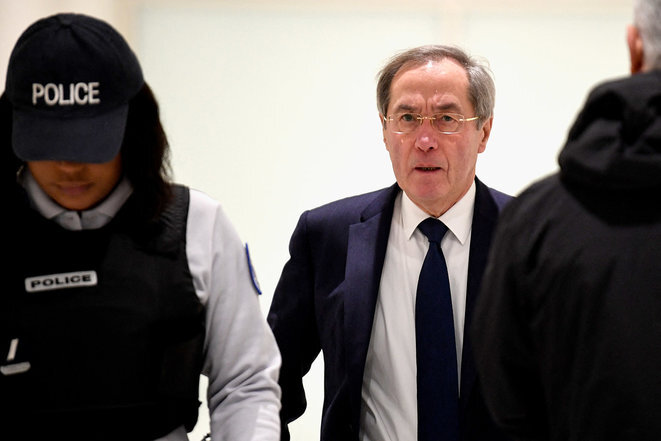
Claude Guéant, once Nicolas Sarkozy’s right-hand man, a former French police chief who remained faithful throughout the scandals that have since engulfed the former French president, was on Monday jailed in the Santé prison in Paris. Fabrice Arfi and Michel Deléan report on the fall of a man nicknamed ‘The Cardinal’, whose loyalty was rewarded with posts that elevated him to secretary general of the presidential office, the Élysée Palace, and subsequently as Sarkozy’s hardline law-and-order interior minister, who is implicated in numerous corruption scandals and who, in the eyes of investigating magistrates, has yet to tell the full truth of what he knows about his former boss.
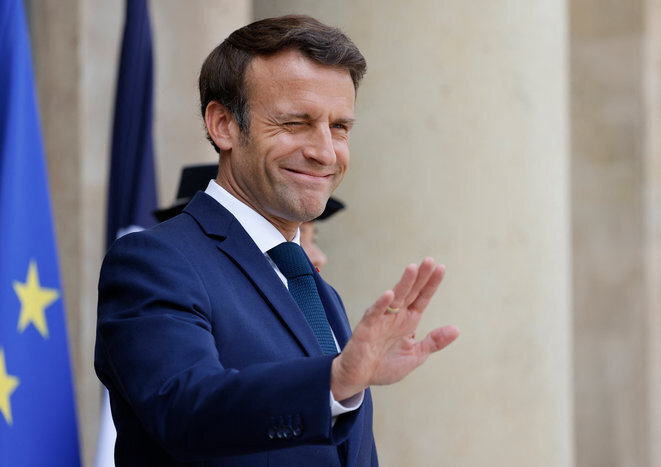
As far as his party and some commentators are concerned, Emmanuel Macron sent a “signal to the Left” this week by appointing Élisabeth Borne as France's new prime minister. It is a sleight of hand that would be laughable if it did not also highlight how the head of state is continuing his attempts to deconstruct the French political arena, argues Mediapart political reporter Ellen Salvi in this opinion article.
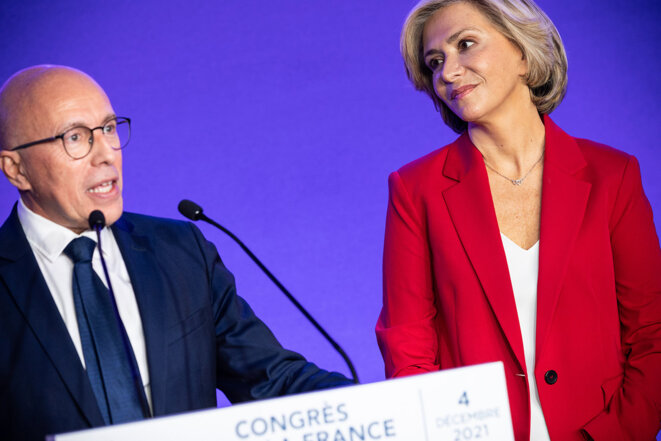
Valérie Pécresse's victory in becoming the presidential candidate for the right-wing Les Républicains for the 2022 election has been greeted with an opinion poll suggesting she can defeat incumbent President Emmanuel Macron. However, the president of the Paris region is faced with a political quandary: how does she retain support from those who backed her nearest challenger for the candidacy, right-winger Éric Ciotti, who are attracted by the far right, without repelling the “moderate” right-wing voters who currently support Macron? As Ilyes Ramdani reports, it is the first key strategic challenge of her campaign - and perhaps the most crucial one.
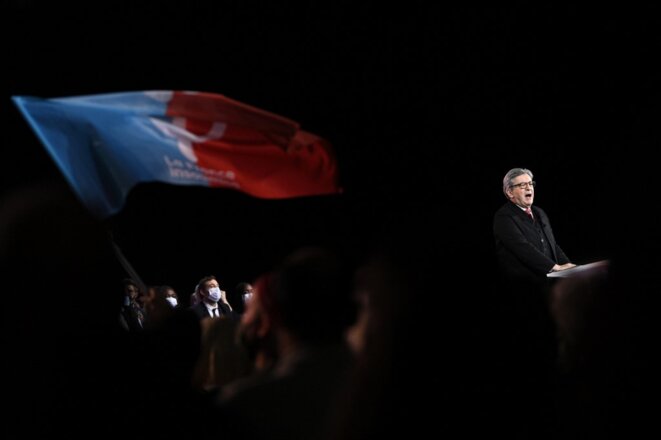
At his first major political rally ahead of next year's presidential elections, radical left politician Jean-Luc Mélenchon positioned himself as a bastion of the Left against the Right and far right in France. The veteran founder of La France Insoumise also showed at the gathering in Paris that he was able to pull together a diverse range of figures from across the left of the political spectrum. Pauline Graulle reports.
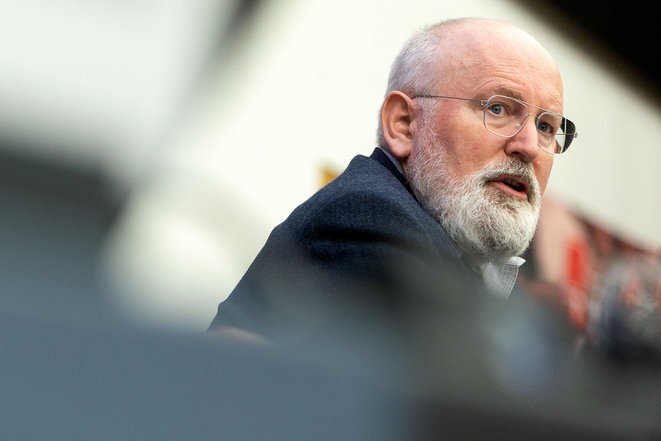
The upheaval of Russia’s war against Ukraine has further tested the already challenging agenda for the introduction of the European Commission’s measures on climate change, and notably its ambitious ‘Green Deal’ programme aimed at making the EU carbon neutral by 2050. The man in the hot seat is Frans Timmermans, European Commission vice-president responsible for the Green Deal and climate change measures. In this interview with Mediapart, he discusses the impact on the bloc of the war in Ukraine, the fossil fuel quandary, why European agriculture must move away from intensive farming to a sustainable, environmentalist model, and why he calls upon political leaders to show the “courage to recognise the crisis that we are in”.
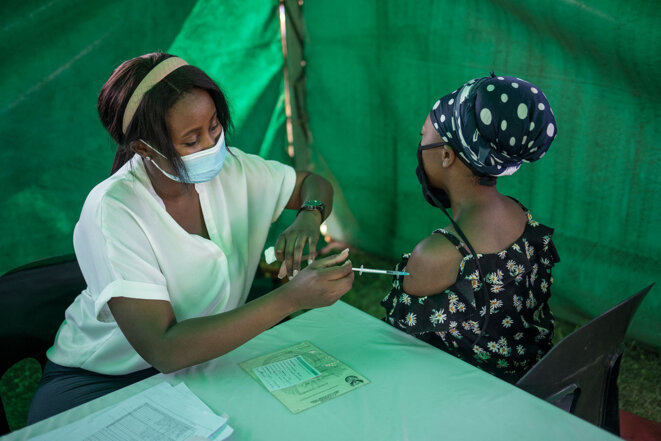
The emergence of the new variant of Covid-19 called Omicron should serve as a wakeup call to rich countries that unless the whole world is given access to vaccines the pandemic is doomed to continue. Instead, the new variant was given as the reason why a key meeting at the World Trade Organisation to debate the temporary lifting of intellectual property rights on vaccines was postponed indefinitely. Rozenn Le Saint reports on the anger of French activists at the lack of progress on what they see as a key issue in tacking the pandemic in poorer countries.
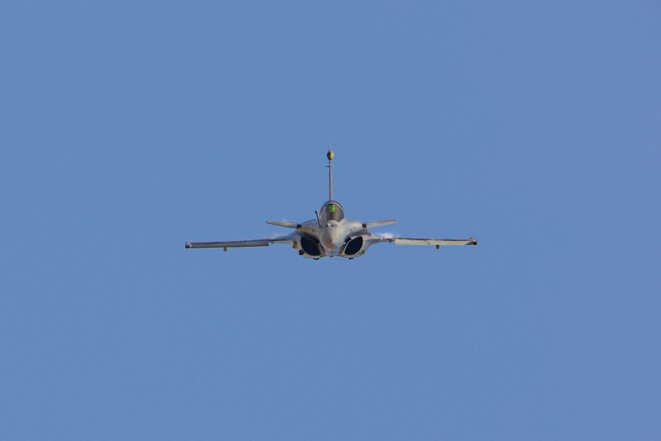
Despite this country's proclaimed values and its international commitments, French-made weapons are being used to carry out repression and kill civilians in some of the worst conflicts on the planet, including in the Middle East. On the eve of President Emmanuel Macron's tour of Gulf states on 3rd and 4th December, in which further arms deals may be clinched, Mediapart lists some of the conflicts where exported French armaments are being deployed. Rachida El Azzouzi reports.
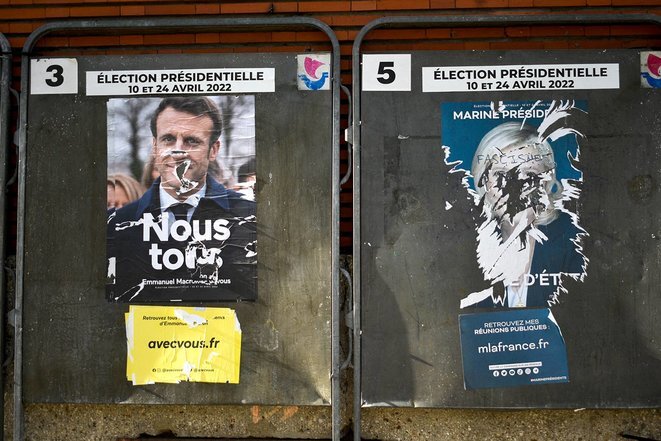
An analysis of the final results of last Sunday's presidential election shows the extent to which Emmanuel Macron's electoral strategy paid off handsomely, while at the same time indicating that support for the far-right is now firmly entrenched across the country. It is now abundantly clear that France has entered a new political era. But the results also highlight the risk that whole sections of the population could be left stranded without proper political representation for years to come. Fabien Escalona and Donatien Huet report.
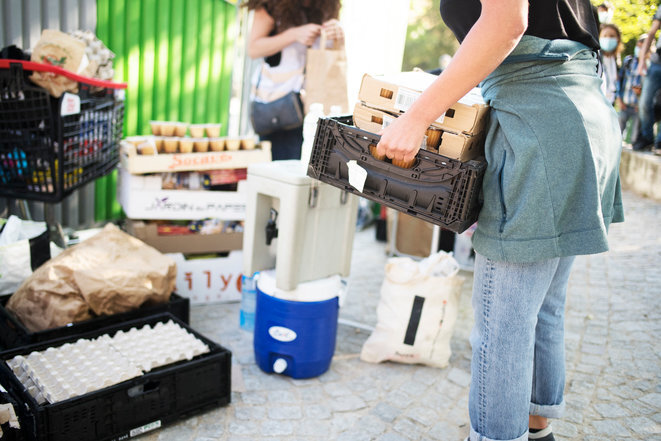
Up to seven million people in France, or around 10 percent of the population, had need of free handouts of food in 2020, a situation unprecedented in peacetime. That was just one of the shocking conclusions of the latest annual report on poverty in France published by one of the country’s principal social and humanitarian aid associations, the Secours Catholique. Faïza Zerouala reports.