


A series of photographs appear to undermine claims by Jean Castex concerning the abrupt halting of a criminal investigation just days after he was appointed as France's new prime minister in July.
On August 24th Mediapart revealed that a judicial investigation opened by prosecutors in Perpignan in southern France into the handling of scrap metal waste - in an area controlled by a local authority headed by Castex - was suddenly and inexplicably stopped on Monday July 6th, three days after he was named as premier by President Emmanuel Macron.
At the time of Mediapart's initial revelations Jean Castex, who was also mayor of Prades in southern France, said he had never intervened in the investigation, a probe which he said did not “call into question … my responsibility”.

Enlargement : Illustration 1

Yet these photographs, obtained by Mediapart and published here, appear to undermine those claims.
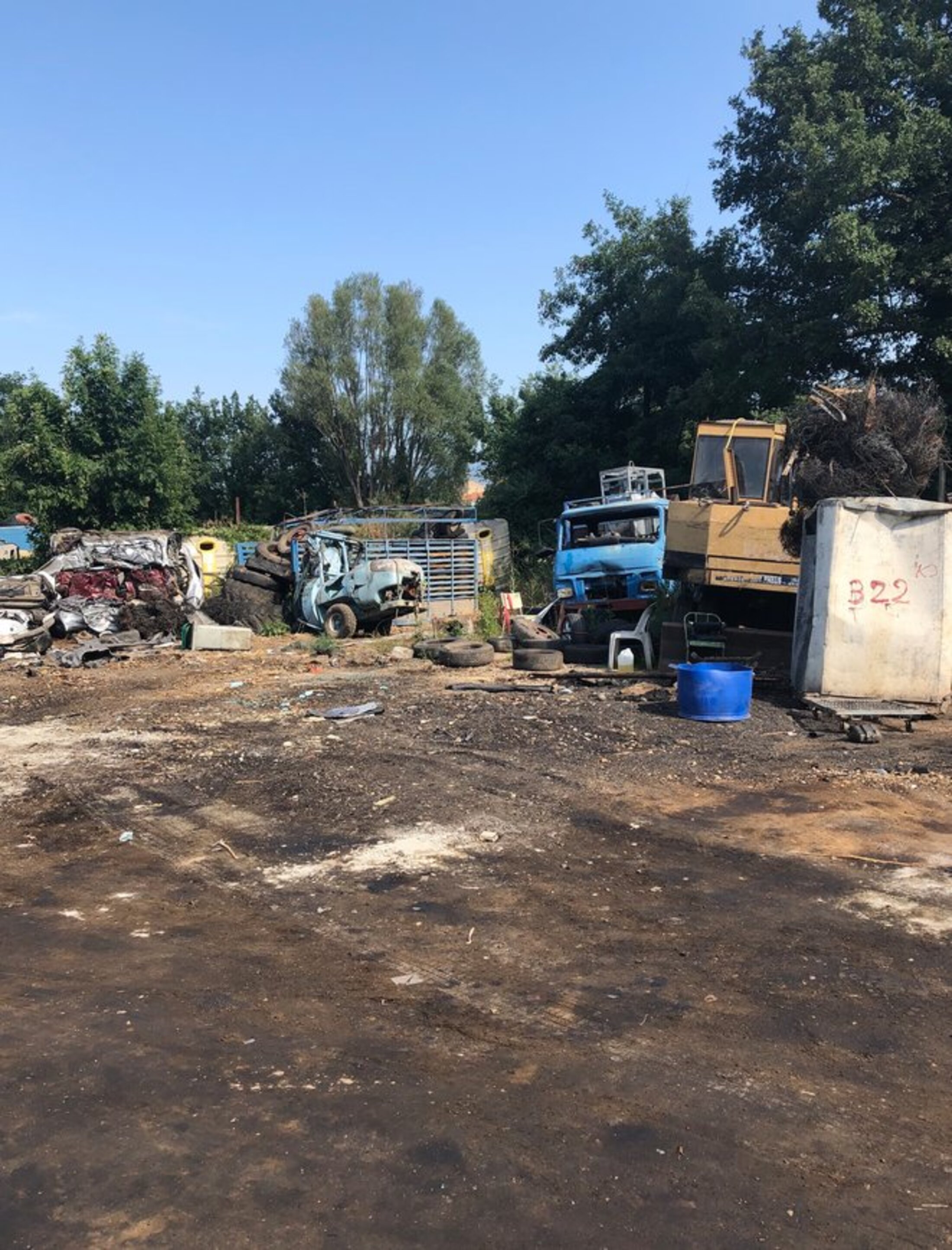
They show staff from the local authority - then led by Castex - working inside the scrapyard in Prades which is at the centre of the probe into alleged pollution offences and violations of employment law. This makes it very hard for the local authority to claim it had no idea what was going on inside that scrapyard.
The halt in the investigation on July 6th meant that the vice-president of the local authority who is in charge of waste disposal was not questioned as had been planned. That vice-president, Jean Maury, is Jean Castex's uncle by marriage. He has declined to comment to Mediapart.
The vice-prosecutor in charge of the investigation, Elodie Torres, told Mediapart in August that the fact the probe was halted just after Jean Castex had been named prime minister was simply a coincidence. The investigation had been coming to a close and the case had been sent back to prosecutors for “assessment”, she said.
The chief prosecutor for Perpignan, Jean-David Cavaillé, also told Mediapart: “At the end of the lockdown [editor's note, it ended on May 11th in France] I asked all the prosecutors in Perpignan to evaluate the progress of proceedings that had gone on for more than six months. It's in this context that, after a conversation with the investigator, the decision was taken to send [this] case for assessment, in order to assess the charges.”
He also said: “It was our decision and is not linked to the appointment of the prime minister nor to his links with the vice-president of the [authority] in charge of the rubbish tip, but to the processing of the objective and legal elements in the case.”
As a result of the decision gendarmes carrying out the investigation stopped gathering further evidence. Prosecutors will now have to decide whether the case should be closed, whether it should be handed to an independent judge for further investigation, or whether someone should be sent for trial.
A source close to the case told Mediapart that the investigation had not been completed by July 6th and that it was indeed supposed to go on to examine the role of the local authority in the handling of rubbish and illegal tipping. That was why gendarmes interviewed an official in charge of waste management at the local authority at the end of June, and why they had been planning to interview Jean Castex's uncle Jean Maury – until the prosecution halted the case.
When questioned on the issue, Jean Castex insisted that he had “never intervened in this investigation which does not [call into question] my responsibility in any way”. He told France Inter radio on August 26th : “I really wonder how I could have stopped an investigation to which I was never called or in which I was not incriminated by a single procedural act, not even questioning.”
The photographs, however, raise further questions over the role of the local authorities – both headed by Jean Castex – in the case and were deemed important enough to be added to the investigation files.
Up until the spring of 2020, the lack of a clear waste recovery process meant that the metal waste in the area run by the group of municipal councils called Conflent Canigó was simply collected in skips at the local tip. This metal was then taken by two local scrap metal dealers to their nearby scrapyard in Prades, under an informal arrangement with the municipal council. Until July Jean Cortex was both mayor of Prades and president of the wider Conflent Canigó local authority of which Prades is a member.
The scrapyard is situated in an undeveloped, natural area on the banks of a stream, the Têt, and not far from a water treatment centre that treats sewage from three communities. The town council gave the dealers the right to use this land to store their scrap metal, including old vehicles, despite the environmental risks that this could pose in the event of flooding. It is the handling of this metal waste that is the object of the investigation.
The prime minister claims that this investigation has no bearing on his role at the time. Yet these photographs, taken in March 2020, show that both staff and machinery belonging to the local authority he headed were used to help in the disposal of scrap metal. In the photo below a lorry that has been identified as belonging to the Conflent Canigó local authority is carrying one of the scrap metal skips and is getting ready to empty it at the one of the scrap metal dealer's yard:

There was no contract between the authority and the scrap metal dealers to do this. At the end of August the prime minister's office told Mediapart that “to Jean Castex's knowledge” the local authority of which he had been president had “never taken charge of transporting the skip between the [local authority] rubbish tip and the scrapyard”.
Another photograph, also taken in March this year, shows local authority staff (in fluorescent jackets) unloading metal inside the scrapyard itself:
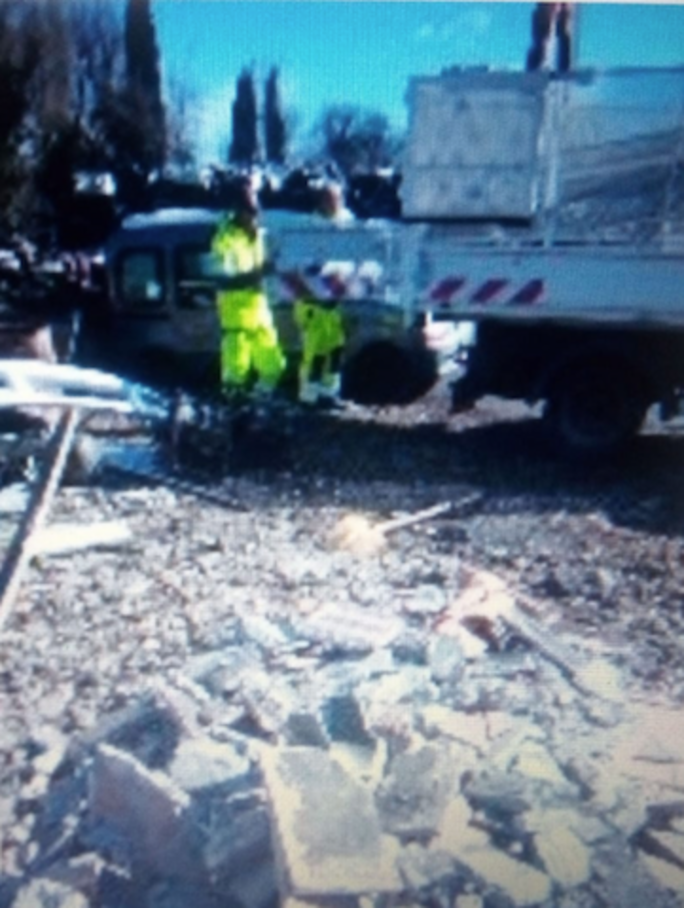
In his comments on France Inter, the prime minister sought to play down the story. “They're saying that there's a scrap metal dealer's scrapyard that doesn't fully respect the Environment Code and employment law, well....,” he said. Jean Castex was careful not to say that it was an old problem and one that local councillors knew all about. In 2015, during changes to Prades's local development plan at a time when Castex was mayor, the risks of pollution linked to the scrapyard site were clearly set out. The revised development plan read: “The car scrapyard must be moved out of the high risk zone to avoid the risks of wrecked cars being swept away and of pollution if there is a flood.”
A separate part of the prosecutors' initial investigation had already ended, in January 2020, with the Prades municipal council being given a formal legal warning. The council was obliged to restore a patch of land it owned on which rubbish and scrap metal had been dumped. The prime minister's office said in August that this involved “fly tipping from very long ago” and which existed “well before” Jean Castex was elected mayor in 2008. It added that “no councillor knew about its existence” because the site had become “covered in vegetation” and the rubbish had only become apparent after floods.
It is the second part of the investigation which concerns the operation of the scrapyard at Prades, and which has now been halted pending “assessment” by prosecutors.
Meanwhile on July 15th the Conflent Canigó authority - which groups together 45 different villages and small towns, with a total population of 21,000 - began a public tender process to find new operators to manage the rubbish skips. The tender concerns the waste tips both at Prades and at nearby Vernet-les-Bains, the two areas targeted by the investigation.
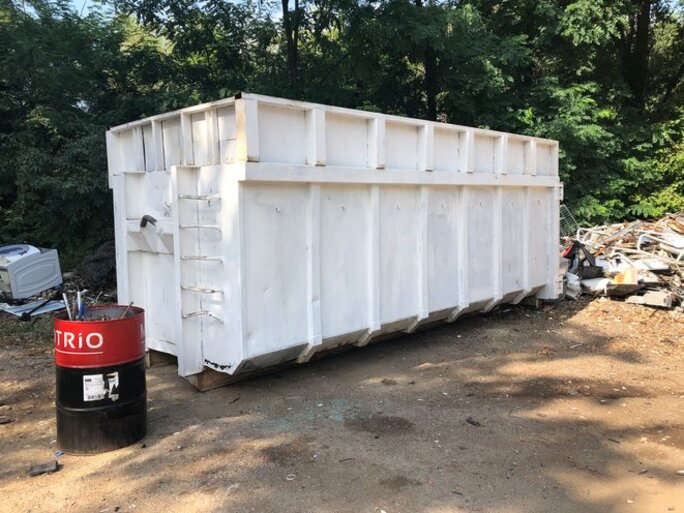
Enlargement : Illustration 4
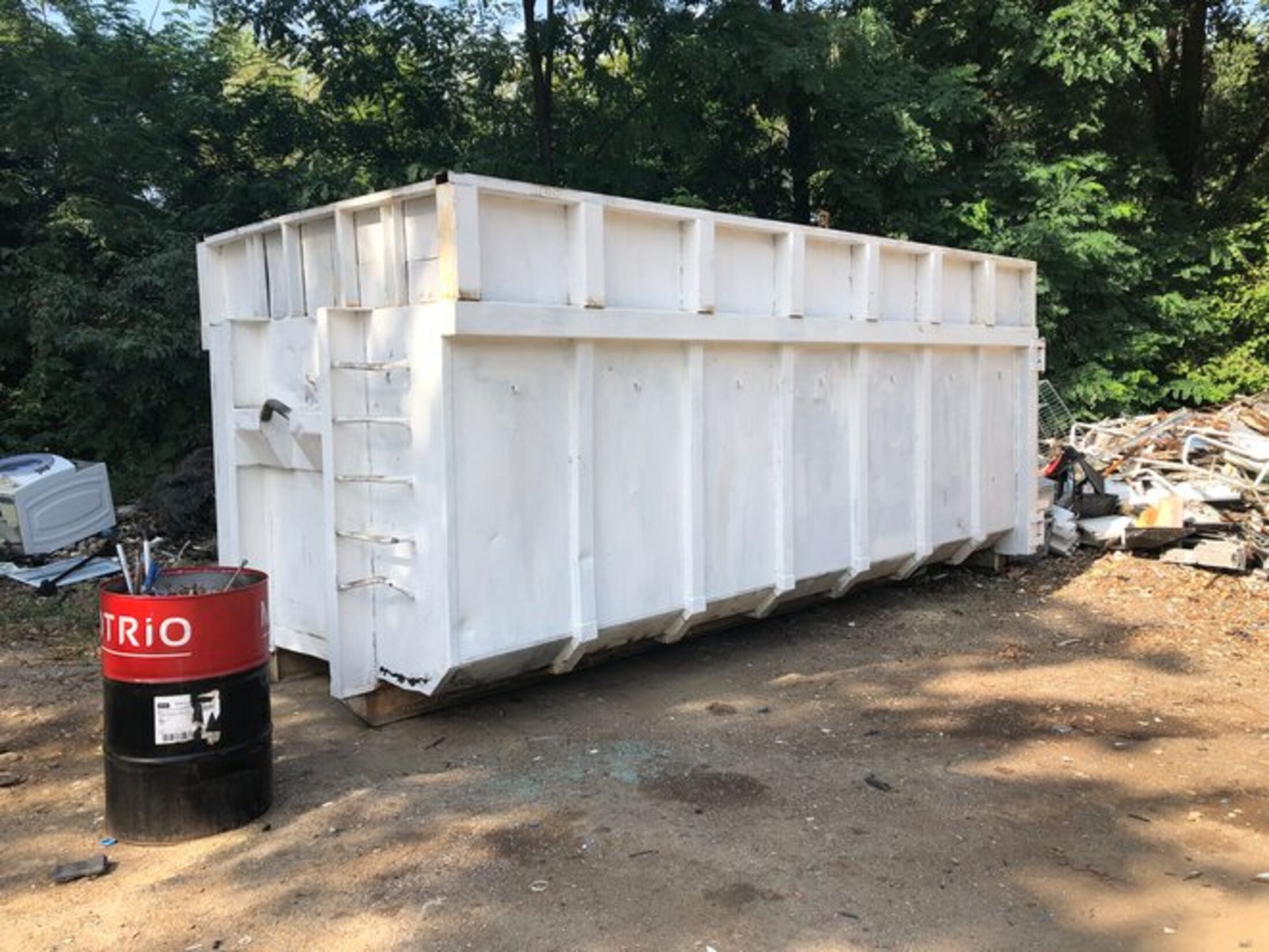
“We're now working with organisations which are approved, there's no longer any problem,” an official at the local authority who has been questioned by gendarmes over the case told Mediapart. “We looked at changing how it operated a little while ago, we've set it up so that it all happens in a traditional, normal and legal way … Now everything has to go via legal waste recovery processes and handling,” added the official, who said the changes had begun in March 2020.
Until then the waste metal had been handled by two scrap metal dealers from the local gypsy community at Prades, working under an informal arrangement. Each week they collected the skip inside the Prades municipal tip and stored the metal on the land the local council had allowed them to use.
The scrap metal merchants now feel bemused that, having had the right to take the scrap for more than a decade, this has suddenly stopped. They said that as local mayor and president of the wider Conflent Canigó authority, Jean Castex had always renewed their right to clear the skips, even if no written contract had been put in place. “This was to get round the fact that there was no existing network to collect this type of waste. And naturally it was done without any money changing hands (and thus any contract),” the prime minister's office explained.
One of the two scrap metal dealers, Lind Rey, told Mediapart: “If this saga isn't sorted out I'm going to have to leave my house.” The 60-year-old said he now faced “major financial difficulties” since losing the right to put his skip in the municipal tip. The prime minister, Jean Castex, has also said he “deeply regrets” the consequences of the “organisation” of the waste system which is going to “penalise a very low-income family”.
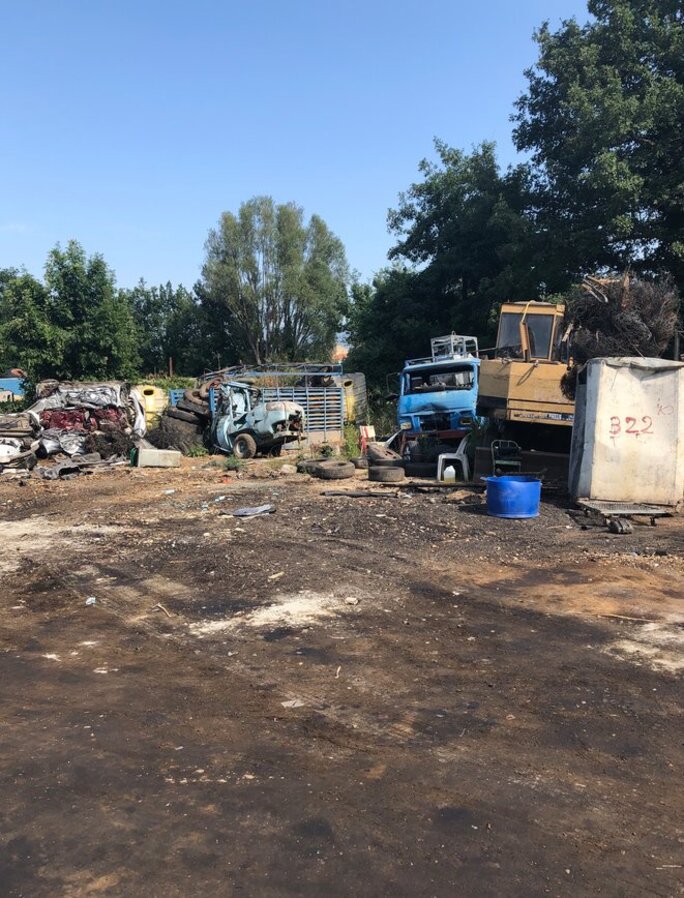
Enlargement : Illustration 5
When Mediapart went to see Lind Rey he alternated between bitterness and defiance over what has happened. Although he refused to take part in the tender process launched by the local authority, he thought that things would “sort themselves out” and that he would soon be able to put his skip in the municipal tip again. “Jean [editor's note, Castex] has always kept his word with me. I don't think he's going to let us down,” he said.
Lind Rey also said that he was able to put pressure on local councillors in Prades, which has a population of 6,000. “There are perhaps around 400 people who are behind me in the town, I've always wanted dialogue, and I've stopped quite a few people who wanted to stage demonstrations,” he said, before going on to explain that he was even thinking of “starting a political party in Prades”.
The town's other scrap metal dealer, Pepino Baptiste, was more wound up up by events. “We were told: 'You didn't declare your skips, you don't have the right to be there.' But who put us there?” asked the 70-year-old, who stores his metal on land next to Lind Rey's scrapyard. The dealer, who does not have his own business, said that the land had been personally granted to him by Jean Castex. The prime minister's office, however, said the arrangement predated Jean Castex's time as mayor.
“Who's at fault here? Them or us? It's they who have all the power,” said Pepino Baptiste, who said he felt “abandoned” by local councillors. He added: “They've taken advantage of us and now they throw us way like Kleenex.”
------------------------------------------------------------------------------
If you have information of public interest you would like to pass on to Mediapart for investigation you can contact us at this email address: enquete@mediapart.fr. If you wish to send us documents for our scrutiny via our highly secure platform please go to https://www.frenchleaks.fr/ which is presented in both English and French.
------------------------------------------------------------------------------
English version by Michael Streeter