


With the final withdrawal of US forces from Afghanistan due to be completed on August 31st, a very uncertain future looms for UN relief agencies and humanitarian NGOs implanted in the country now under Taliban control.
“These past weeks, humanitarian operations are continuing despite the complexity of the situation in the provinces, and have re-begun in Kabul,” said Isabelle Moussard Carlsen, who heads the United Nations Office for the Coordination of Humanitarian Affairs (OCHA) in Afghanistan. “This notably involves supporting schools which are re-opening, supplying medicines and healthcare services, mobile clinics, providing food, drinking water, for example.”
But while, for the moment at least, there is still funding of public health and food aid programmes, and UN agency signposts still stand at the entrances to many towns, there are unanswered questions over the manner in which aid provision can continue, and the red lines that are to be drawn in face of Taliban demands; for example, will women staff engaged in medical aid, such as doctors and nurses, be allowed to continue working, will it be possible to distribute vital commodities to villages in the poor, central mountainous region of Hazarajat, or fund schools that are nondenominational?
Indications, if not guarantees, about the immediate prospects have emerged over the days since the Taliban sealed their military victory with the fall of the Afghan capital Kabul on August 15th. NGOs involved in healthcare, which have had the most direct contact of any with the Taliban because of their presence close to combat zones, report that they have received reassurances for their continued presence, although this varies from region to region.
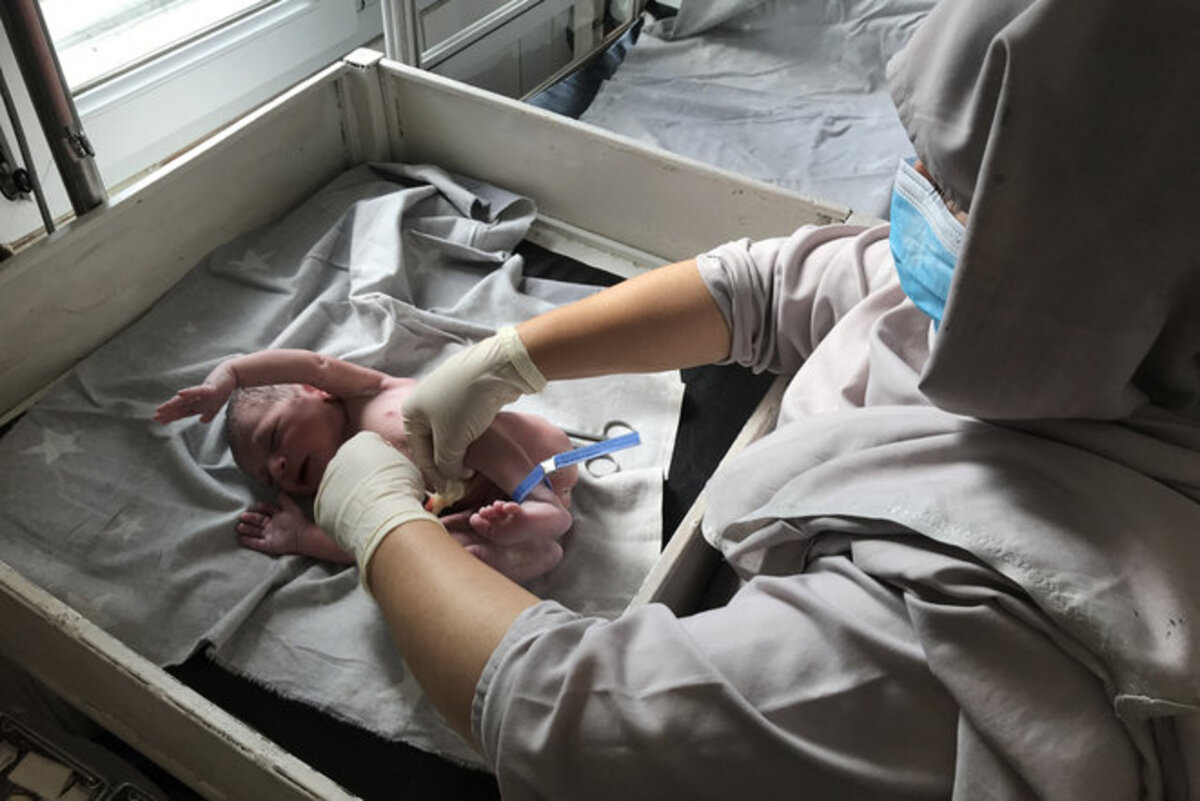
“In the five provinces where we’re present, as soon as the Taliban arrive in towns they went to the hospitals and told our teams who were there to continue working, that they respected hospitals,” said Claire Ha Duong, deputy head of Afghanistan missions for the French NGO Médecins Sans Frontières, (MSF), which also operates under the English name of Doctors Without Borders.
Enlargement : Illustration 1
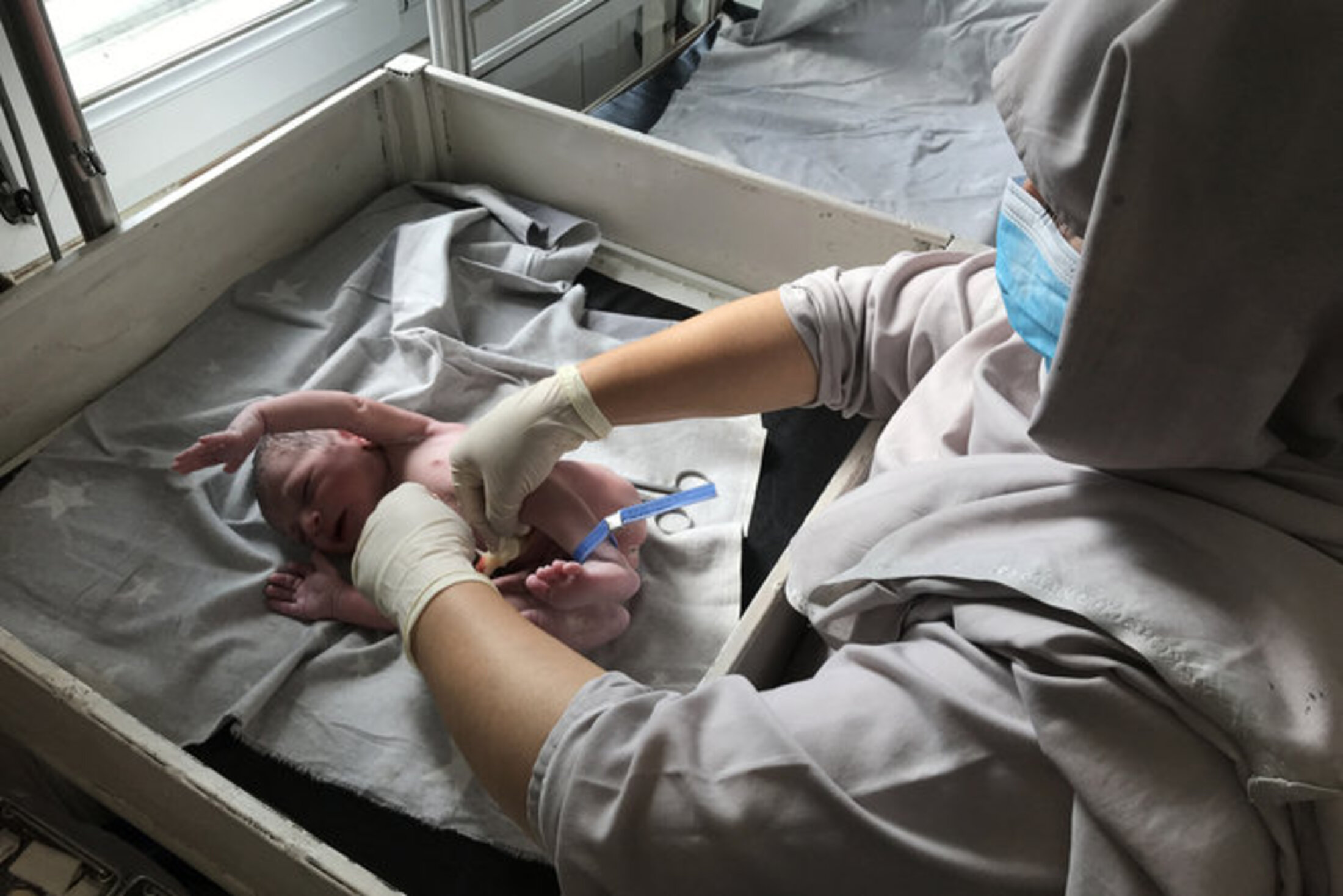
Erwan Le Grand, deputy director of French humanitarian aid organisation Première Urgence-Aide médicale internationale (PU-AMI), which is also present in Afghanistan, gave a similar account. “We’re in contact with them [the Taliban] since a long time ago,” he said. “They have our numbers. They called us up, saying, ‘Continue, continue’. One senses that they want things to be business as usual.” But behind the reassuring messages, the Taliban have also made demands of PU-AMI, such as that their feminine personnel be accompanied by a “mahram”, a sort of male family chaperone. “For the moment, we have said no, and they’ve not insisted further,” said Le Grand.
PU-AMI has ongoing projects in Afghanistan that focus on sexual and reproductive health. While this has not yet been the subject of discussions with the new Taliban authorities, they have reportedly tackled other NGOs in other regions over such practices. This regional variation suggests that, despite previous illustrations of a defined strategy towards NGOs (before their takeover of the country, the Taliban had established “NGO” and “health” commissaires in regions they controlled), the new Taliban government has not yet clarified its policy towards the humanitarian organisations.
“There is a sort of blur, it varies from province to province,” added Le Grand. “We get the impression that the [Taliban] authorities with who we are in contact don’t have very precise instructions at a central level.”
This lack of clarity weighs on a number of practical issues in the provision of healthcare, and notably, in the immediate future, that of the Covid-19 vaccination rollout; in the past, the Taliban forbade polio vaccination campaigns, considering these to be anti-Muslim. Several nurses working for PU-AMI were arrested earlier this month as they were administering Covid vaccines. “In a northern province, the Taliban authorities said a few days ago that they were prohibiting vaccination,” said Le Grand. “But there again, there was no centralised instruction.”
Regarding what demands the Taliban may have regarding the presence of female staff in NGO projects, Claire Ha Duong from MSF commented: “We’ll see when that is raised. We’ll try to negotiate. In general, we adapt. In every zone where we are present there are perpetual negotiations.” Like other NGOs, the “French doctors”, as MSF is widely nicknamed, worked in Afghanistan under the Taliban regime between 1996 and 2001, and the organisation says that the participation of women in its projects did not create problems.
Erwan Le Grand said PU-AMI has also negotiated over some demands, but added that there were limits to what his organisation would compromise on. “In the past, we already had demands from the Taliban regarding the presence of ‘mahrams’,” he explained. “In those cases, we negotiate. We’re ready to discuss. On the other hand, our red line would be if we are told, ‘You can no longer treat women’, or that we are instructed who we can treat. That would be unacceptable.”
Not all organisations carry the same bargaining weight. “There is of course a big difference between international NGOs – which have the means to make public any problems they encounter – and local NGOs, which do their best in a very difficult context,” said Abdullah Ahmadi, chair of the Civil Society Joint Working Group, an Afghan collective of around 1,300 different associations and NGOs. Unsurprisingly, Ahmadi said that initial observations are that among these, NGOs active in the medical sector are less affected than those which work in the social domain, in defence of human rights or for the promotion of peace in the country. Many staff among the latter are among those who have recently attempted to flee the country.
In the chaos prompted by the rapid Taliban advance towards Kabul earlier this month, local staff working for international NGOs were also among those who fled or went into hiding over fears that their association with the Western-based organisations would lead to reprisals.
“We’re still trying to find some of our employees”, said Claire Ha Duong from MSF. “Some left to place their families in a safe place during the bombings. A number have returned, others haven’t yet. I imagine that there are those who have fled for good. Others would like to, but continue to work for the time being. There is a real anxiety within our teams.”
Meanwhile, for those leading humanitarian work in Afghanistan, there are many hurdles beyond negotiating with the Taliban for authorisation to continue their activities. For example, it is uncertain whether the residence permits of expatriate staff will continue to be considered valid, whether airports used by planes delivering fresh medical supplies can continue to operate. Meanwhile, a number of NGO managers complain of being unable to transfer funds or to withdraw cash.
Most banks in Afghanistan no longer function and, facing the effect of crippling financial sanctions led by the US, the country is asphyxiated. Some local NGO staff have begun asking to be paid in foreign currency because of the depreciation of the Afghani, the Afghan monetary unit. “We’re down to carrying suitcases [of cash], but that can’t last for very long, we’ll have to find a solution,” said one humanitarian aid worker, whose name is withheld.
Even if the possibility of making local cash withdrawals became possible once again, the continued funding of aid missions is also uncertain. The Afghan healthcare system was largely financed by international donor bodies, and some of these have not made clear whether they will continue to do so when the country is ruled by the Taliban.
“We have real concerns about the funding of the healthcare system and the functioning of the banking system,” said PU-AMI deputy director Erwan Le Grand. “We could discuss all we want with the Taliban, [but] if there are no banks anymore it would serve little purpose.”
-------------------------
- The original French version of this report can be found here.
English version by Graham Tearse