


Fribourg, from our special correspondent
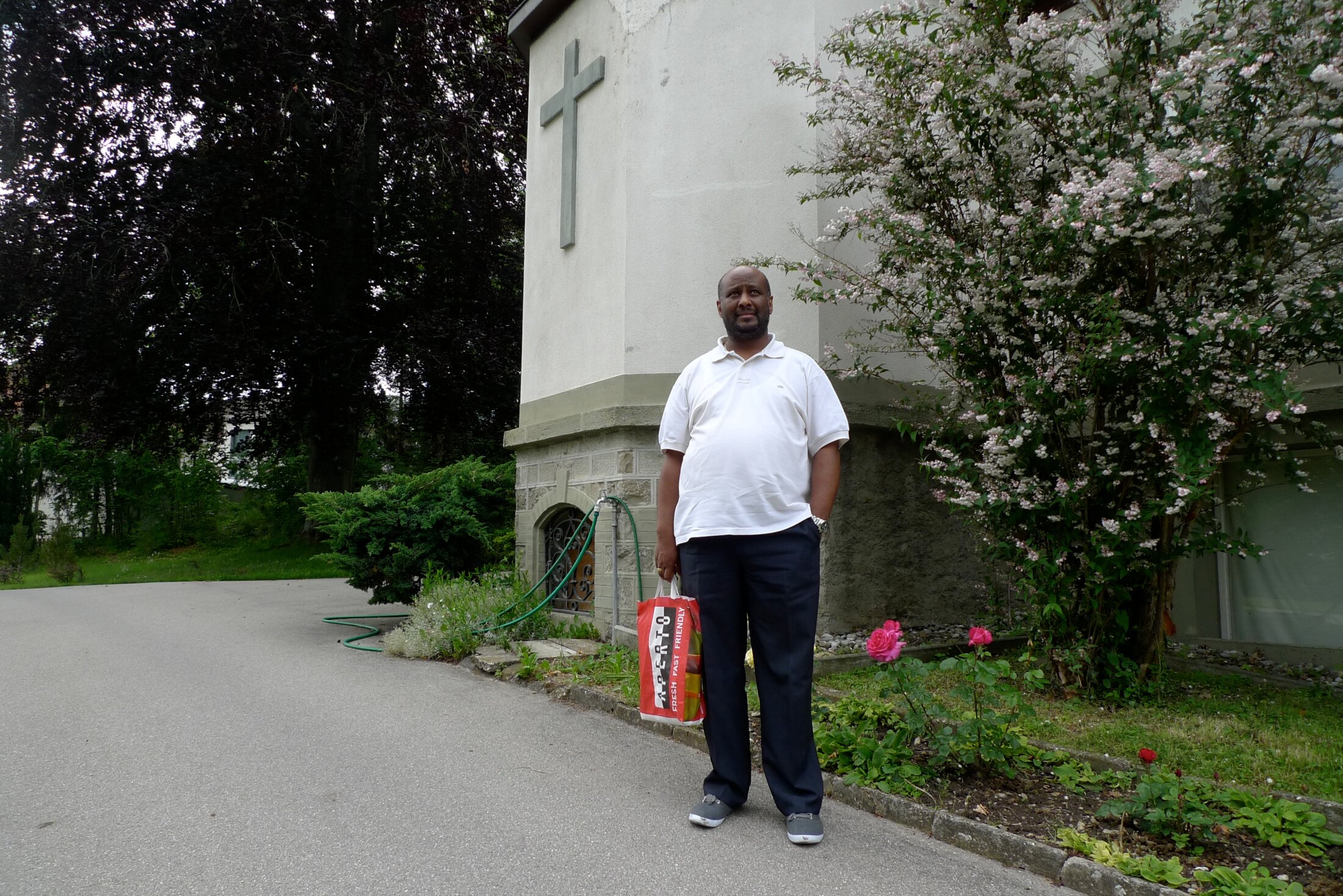
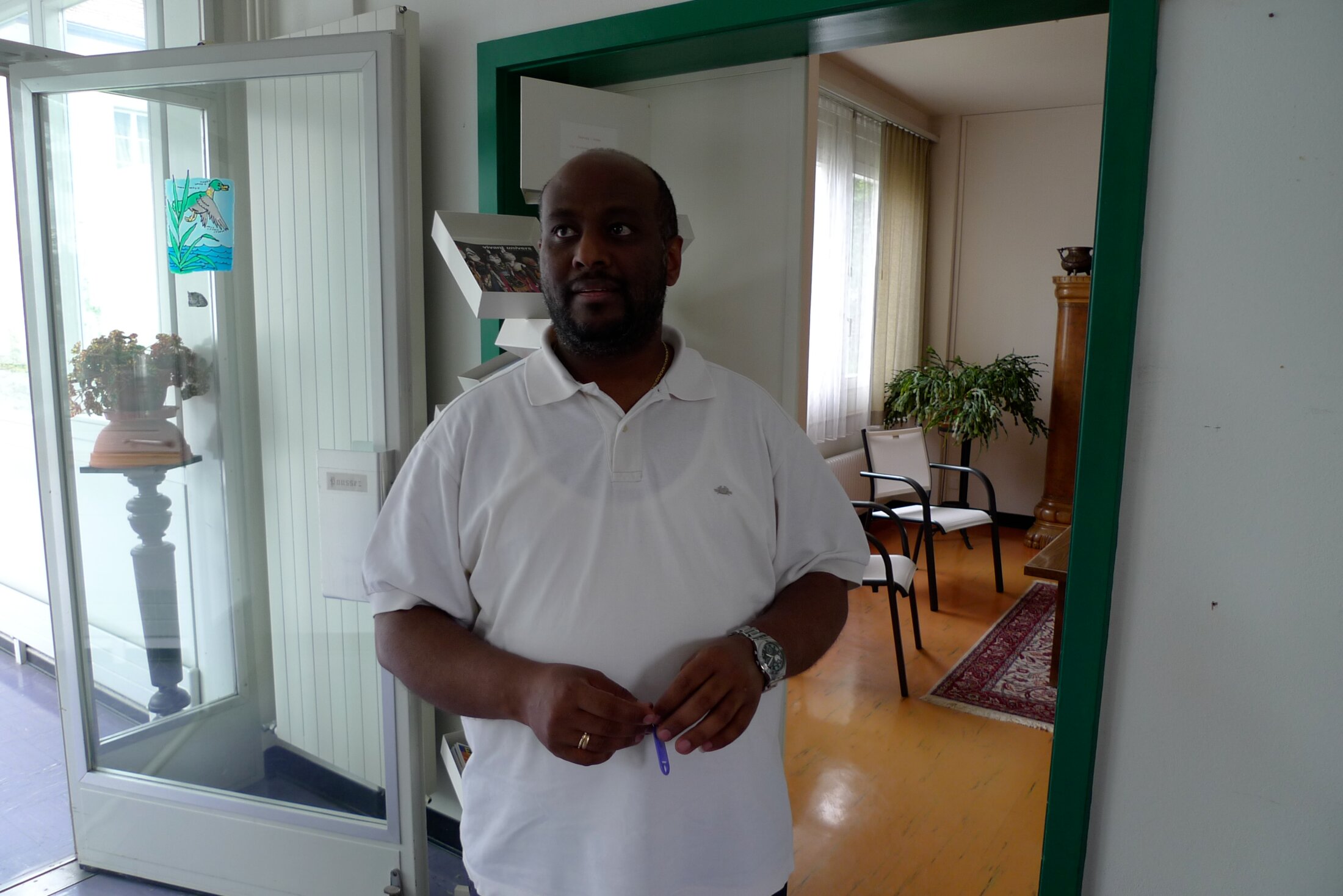
It's an unlikely setting for a priest who has become the guardian angel of the many boat people trying to cross the Mediterranean from Africa to Europe. Eritrean-born Mussie Zerai was recently posted to the sedate Swiss town of Fribourg after living in Rome for 20 years.
His personal mission, though, remains the same; to be a point of contact for all migrants in distress as they make the hazardous journey across the Mediterranean, confronting treacherous seas, shortages of food, water and fuel, and in some cases death.
“My phone is always on, I immediately recognise distress calls, the number that comes up is a special one, with 888 followed by unusual numbers,” he says over a cup of tea in a snack bar devoid of all charm opposite the town's railway station. There is nothing ostentatious about this forty-something year-old man. He listens attentively to questions and replies with precision, not seeking to please.

Enlargement : Illustration 1
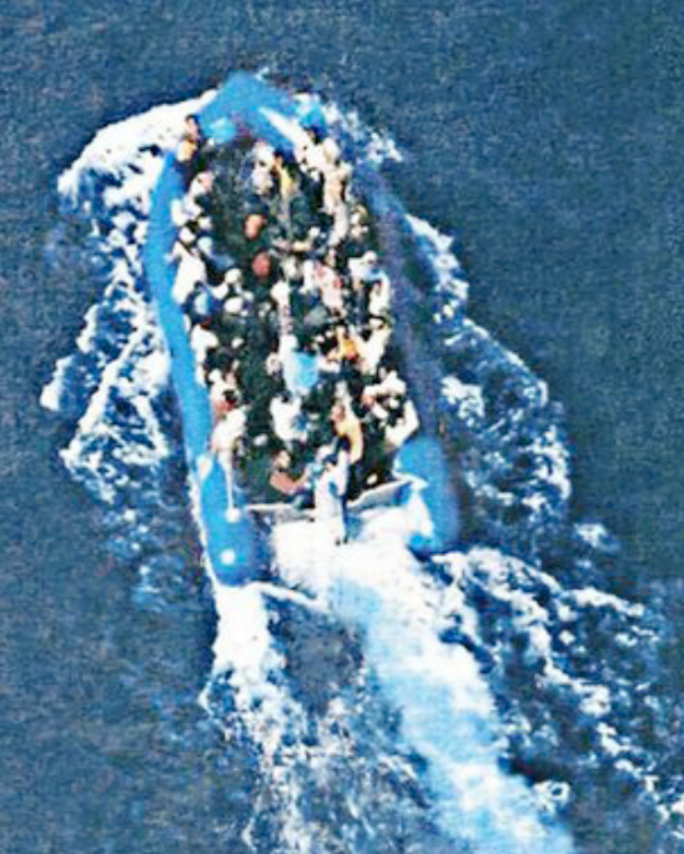
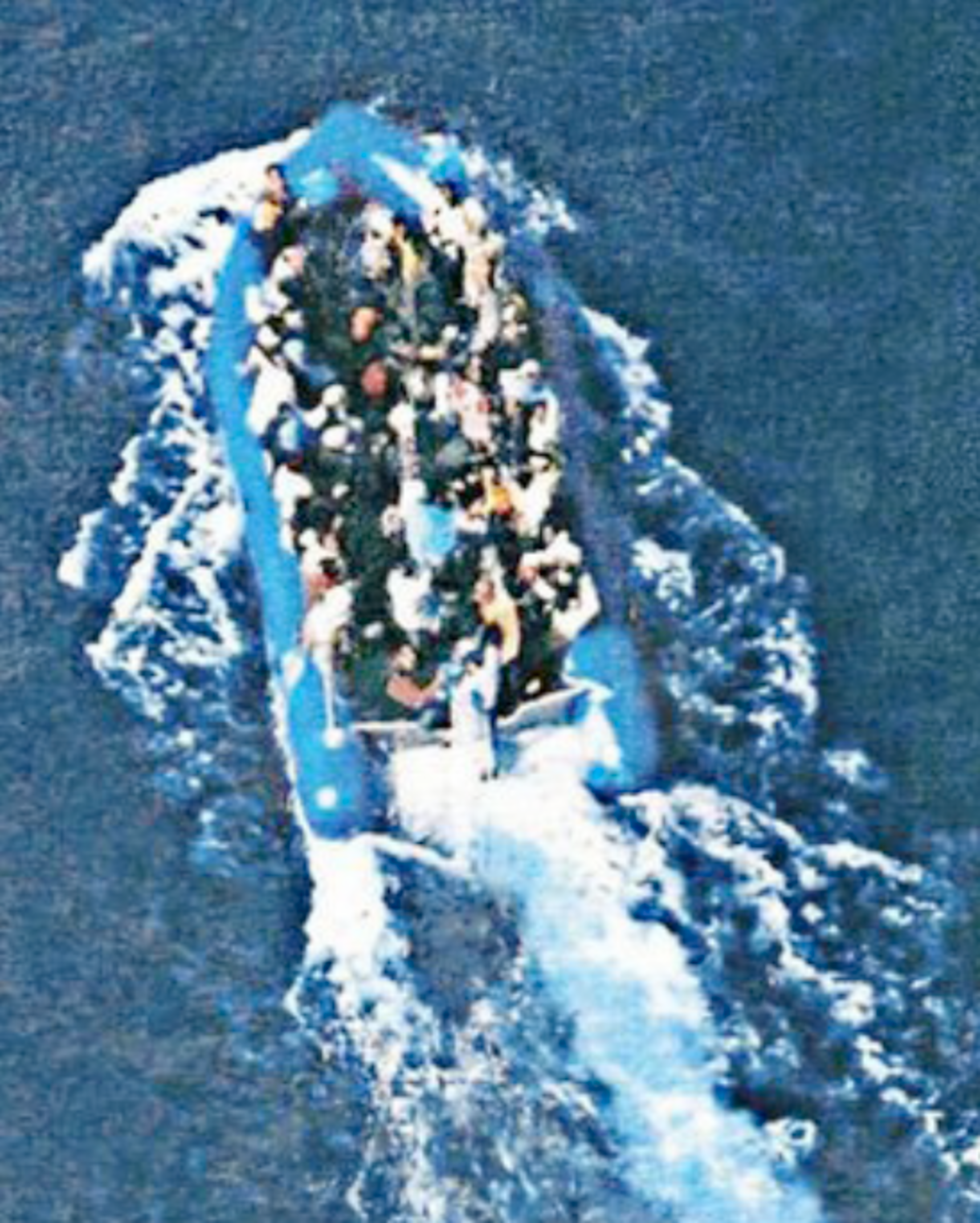
His phone rings. It's Ghirma, one of nine survivors of a fatal voyage in March 2011. The boat was an inflatable craft with 72 people on board, men, women and children fleeing war and the treatment meted out to people from sub-Saharan Africa. In a Council of Europe report on this tragedy Mussie Serai's name appears in the opening lines. It was he whom the shipwrecked survivors called first, he who first alerted the Italian coastguards.
After 18 hours at sea, the passengers had become worried. The Italian island of Lampedusa was still not yet in sight, even though they were promised an island was nearby. The sea was rough, some passengers were ill and the mood had changed. The socialist MP Tineke Strik, who was in charge of the Council of Europe investigation, wrote: “In view of the situation they decided to use a satellite phone to call Father Zerai, whose number they had been given as someone to contact in case of emergency.”
Enlargement : Illustration 2
Mussie Zerai himself remembers that conversation. “They asked me for help, they told me there were women and children, there was almost no more fuel and that people were being sick. Their boat was supposed to be fast. They thought they'd reach their destination in 14 hours. By that point they had no more water or food,” he says.
The priest had immediately called Rome's marine rescue coordination centre in a well-practised procedure he had himself developed. He tried to be as concise as possible. “I gave the number of the satellite phone, which helps them find the location of the boat, information about the weather, the length of the voyage, the number of people, the number of women and children, their nationality and the type of problems they were facing,” he recalls
This time the information was not enough. The coastguards were unable to locate the boat. And they could not understand its Ghanaian captain. Father Zerai called back several times but the captain did not know how to use the GPS system on his phone. “He gave me his position after doing a calculation with a compass,” says the priest. A calculation which turned out to be wrong.
The maritime authorities then asked that the captain send an SMS as text messages help give a location. “But the captain did not respond, he had no more charge in his battery,” says the priest. Finally, by contacting the satellite operator Thuraya, the authorities located the boat. It was only 60 miles off Tripoli on the Libyan coast. A distress call was put out to all vessels in the Strait of Sicily.
Helicopters flew over the boat, fishing vessels looked on too, as did a huge warship, probably involved in the naval bombardments by NATO against Libya at the time. Interviewed later, all the survivors described seeing an off-white or light grey battleship that was sufficiently close to be able to make out military uniforms. “Some were looking through binoculars and other were taking photos of us,” said Ghirma in evidence to the Council of Europe. In its report, the Council underlined that some passengers had, at that moment, jumped into the water to push their boat in the direction of the vessel, while other had lifted up babies' corpses and the bodies of sick women and empty containers to attract attention. But it was in vain.

Enlargement : Illustration 3

No one came to their rescue and, with the exception of a few, the passengers died one by one in that floating coffin. “I called back several times to get news,” says Mussie Zerai. “I called the NATO base at Naples, I said to them 'please, find these people'. After a week we launched an appeal with the United Nations High Commission for Refugees (UNHCR), but there was nothing.”
The boat finally came to shore on rocks at Zlitan, near Misrata, some 160 kilometres from where it had started its voyage, having been blown back onto the Libyan coast. The eleven who survived were taken to prison. Two of them later died and the others transferred to Tripoli.
A fortnight later the priest got a call. “At the beginning I didn't understand who it was. 'We are the survivors,' he kept repeating. It was them! They were in Libya, in prison in Tripoli! They were in a bad state. They were hungry, their skin had been dried out by the sun, wind and salt. They had survived by drinking their own urine, they were exhausted. I got the town's bishop to intervene to free them,” says Father Zerai.
Ghirma had lost his wife. Today he lives in Turin in Italy in a accommodation shelter, waiting for a response to his request for asylum. Mussie Zerai remains a reference point for him, even now he is on land. When they hang up they promise to call each other soon.
'We have a list with all the names, that's all that remains'
The priest talked about another phantom boat that set sail on 22 March 2011, which he lost trace of and into which no inquiry was launched. On board were 350 passengers. “In the days that followed I received 300 calls from relatives calling from the United States, Canada, Saudi Arabia, Angola, Ethiopia and European countries,” he says. “They wanted news, to know if I had any information – they were worried to death but I didn't know what to say to them.”

Enlargement : Illustration 4
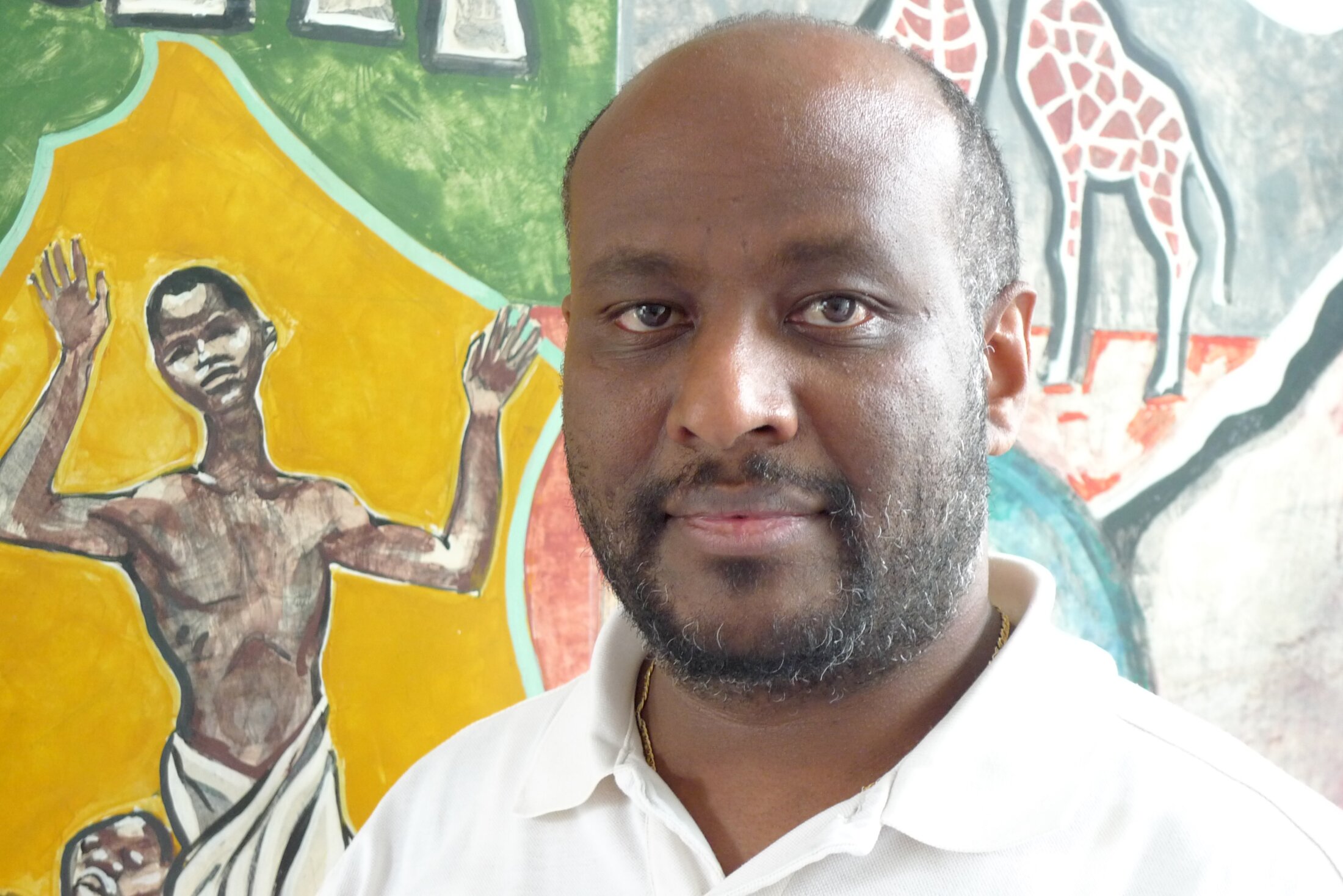
Mussie Zerai says he wrote letters to the transition government in Libya, to the Italian ambassador there, and asked journalists to find out more. “But to this day we've had no news of those people who disappeared. We have a list with all the names, that's all that remains.” No body or wreckage has been found.
He also recalls a desperate call from a boat where the outcome was a little less tragic. “There were three pregnant women in the boat, one of whom was about to give birth. I called the coastguards and a Canadian naval vessel went to meet them,'” says Father Zerai. “Food supplies and water were handed out but instead of taking them under their control they showed them the way back to Libya and told them to return there.”
“The migrants said 'No, we're not going back.' The Canadian ship departed anyway and left them. Two hours later the woman gave birth. They called me from the boat to alert me. I called the coastguards again and they sent an Italian ship and a helicopter. They took the women and children and, later, the others were saved, apart from those who had died before.”
On each occasion Mussie Zerai has shown the same tenacity, even to the point of harassing the relevant authorities. He recalls receiving around 15 distress calls in the spring and summer of 2011, followed by endless conversations to try to sort out problems.
There is a reason so many people have the priest's phone number. At the beginning of the 2000s he broadcast it on radio programmes at a time when the number of voyages across the Mediterranean was increasing. He realised that, speaking several languages – Tigrinya (spoken in Eritrea and Ethiopia), Arabic, Italian and English - he could be of service to his compatriots. “If someone has a problem, please call me,” was the substance of what he said.
The message spread rapidly, reaching the desert from where, in recent months, he has received the most urgent SOS calls. After the peak seen in 2011 following the revolution in Tunisia and the war in Libya, the sea crossings have become less frequent. From around 50,000 migrants, of whom at least 1,500 died according to the UNHCR, the numbers have gone down to several hundred. Instead it is now the Sinai Desert that is the focus of the priest's concerns. The current expulsion of African migrants by Israel and the manner in which they are rounded up and held appals him

Enlargement : Illustration 5
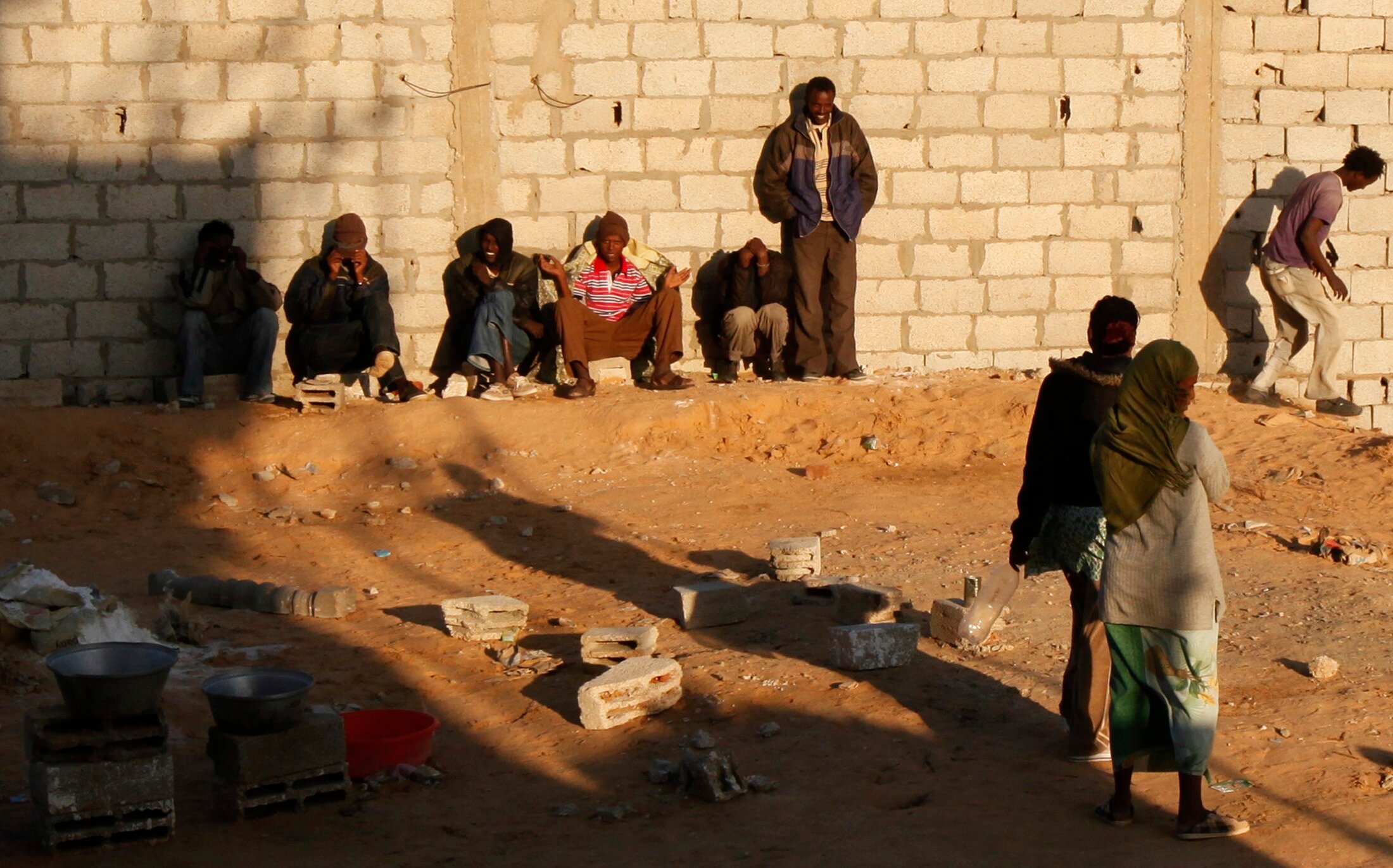
“The situation in the area on the border between Israel and Egypt is tragic,” insists the priest. “I receive calls from migrants who have been taken hostage by people traffickers who demand up to 60,000 dollars to free them. If their families don't pay their abductors threaten to kill them. And sometimes they do, and afterwards sell their body organs.”
Coming from the Horn of Africa, these migrants hope to get to Israel to work there and earn money. But before they even risk getting killed crossing the border, other mortal dangers await them. “The first calls from hostages go back to 2010,” says Mussie Zerai. “It was they who told me about this people trafficking. They are fleeing Somalia, Ethiopia and Eritrea. En route they get sold on from one group to another with the complicity of the Sudanese police. They suffer violence and torture. They receive cigarette burns, are branded, they have melted plastic poured on their skin and women are subjected to sexual abuse,” the priest says.
Mussie Zerai says he does not understand the silence of the international community. The few media reports on the subject, by CNN and Al Jazeera in particular, have so far led to no official inquiry by any country. Having spoken out on the issue, he has received his first requests for information. The State Department in Washington and some senior officials in Brussels now seem to be moved by his descriptions of what's going on in the region.
As for the priest, he is consumed by the calls he receives, the voices a mix of tension and fear. As, for example, this girl of 16. “She was the first person to use my number. She was Eritrean, and had fled her country with her mother,” recalls Father Zerai. “In the Sudan she had been raped by the boss who employed her mother as a domestic servant. She then found herself alone in detention in Koufra in Libya, her mother having died on the journey there. There she was once again the victim of sexual violence. I did what I could, I called the UNHCR, I insisted that they intervene, and I contacted the bishop to get him to lend his support.”
'They either pay and are freed or they are beaten and kept in slavery'
These stories resonate all the more, perhaps, because Mussie Zerai himself left his country at the age of 17. His father was an engineer who worked for Emperor Haile Selassie. When Selaissie's regime ended in 1974, his father was arrested by the military and his family – based at Asmara in Eritrea, then part of Ethiopia – had to pay a ransom for him to be freed. He chose to go to Italy.
Mussie Zerai followed in his father's footsteps and headed for Rome at the age of 17 rather than be called up by the military. “I had had the idea of being a priest since adolescence,” he says. “Moreover I had learnt a bit of Italian as there was a church next to the house. I went there to listen to the sermons. There were cultural ties linked to colonisation, we had books in Italian at our house which I read. Today this language has become my mother tongue.”
After his arrival in Italy “by aeroplane, on a normal visa”, Mussie Zerai, “like all immigrants”, had a series of temporary jobs, including as a seller, a theatre receptionist and a cleaner. “All and anything,” he says. “That experience was important as it taught me the price of things,” he says, as if his childhood had been protected from this kind of worry.
Mussie Zerai was then granted refugee status and in 2010, after several years of philosophical and religious studies, he was ordained a priest. He was then based at the Vatican, “in the Ethiopian and Eritrean college founded in 1481”.
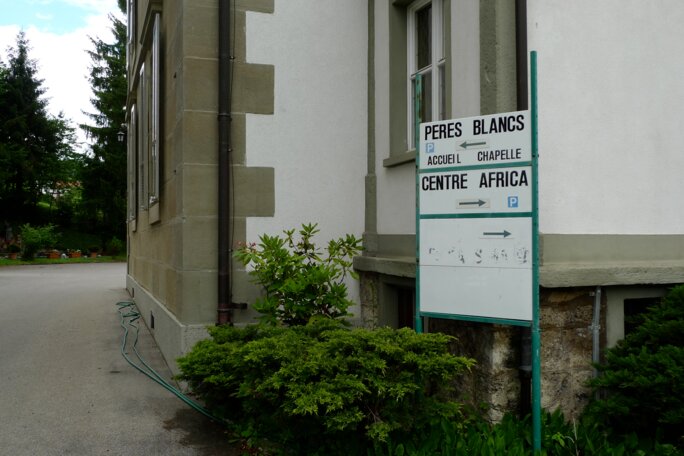
Enlargement : Illustration 6
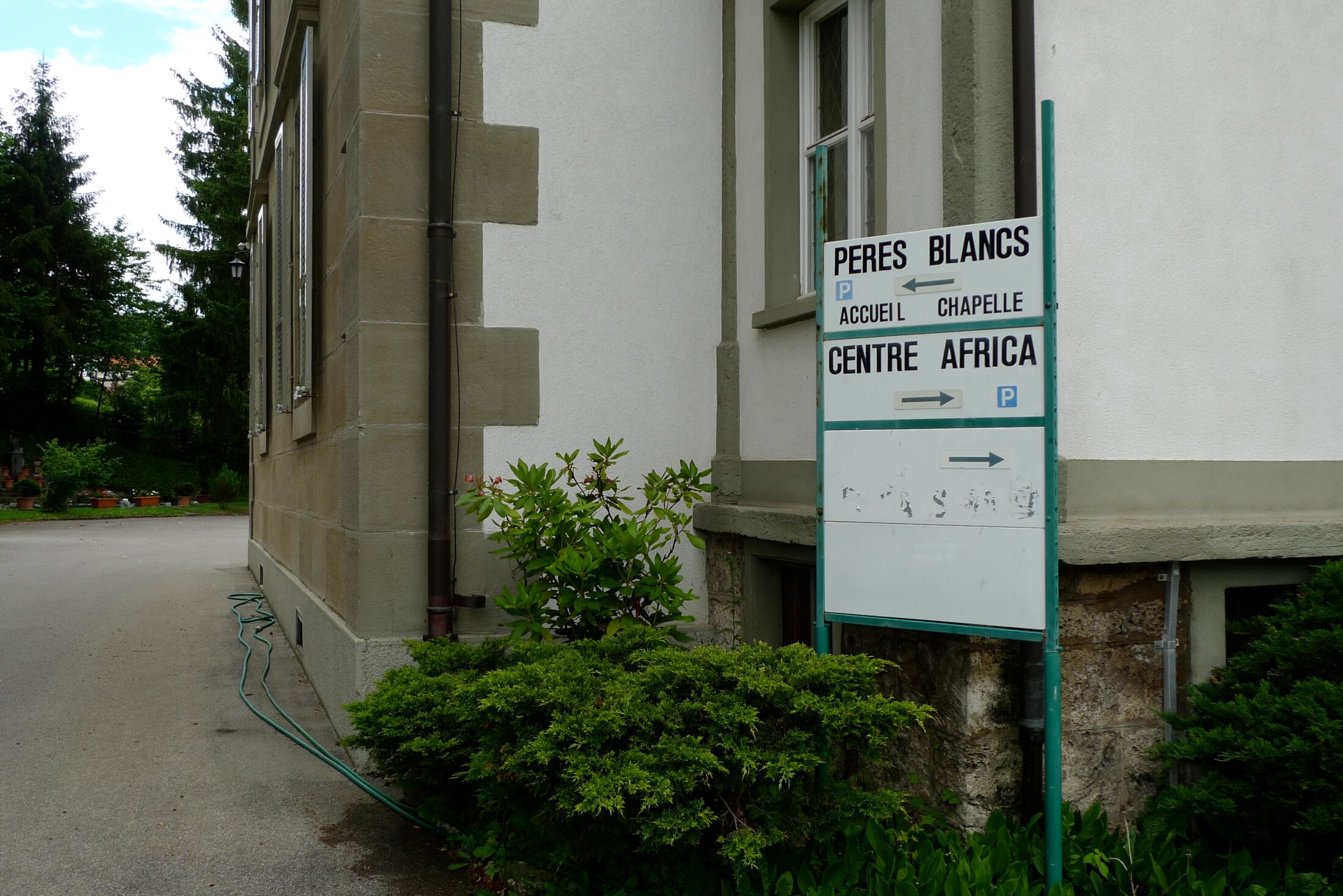
Already, in 2006, he had created his own association Habeshia - a word which means “mixed” - which helps refugees from Eritrea and Ethiopia, where the majority of the population are Christian, and most of these are Orthodox Christians. Forced into exile by endless conflicts, Father Zerai's compatriots find themselves scattered throughout North Africa, the Middle East and Europe, in transit camps for asylum seekers such as those at Patras in Greece, Bari in Italy and Sangatte in France. Mussie Zerai wants to give them guidance and “lend his voice to those without a voice”.
He has few resources but his telephone number has already been passed on from person to person. Respected by the various action groups that know him, he passes on to Italian politicians and European leaders the boat people's point of view. “People are dying in the desert or on the Mediterranean in the hope of a better life,” he says. “Why doesn't the European Union give them a chance? Why does Europe close its borders? The more the member states toughen their legislation, the more it prevents immigrants and asylum seekers from coming legally.”
Father Zerai says that no one wants to be a clandestine immigrant. “People prefer to have a visa and be legal. But when they are refused they have no other choice but to take the dangerous route. Why doesn't the EU want to see the consequences of its policy? When it closes its borders it serves the interests of the people smugglers.”
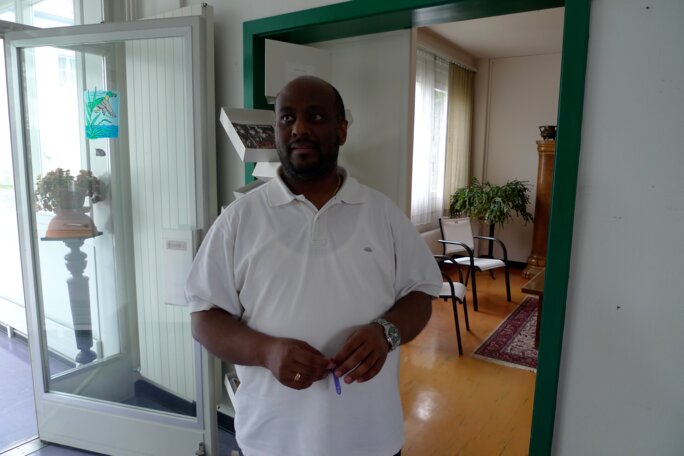
Enlargement : Illustration 7
The priest's anger is not restricted to the countries north of the Mediterranean. He is also angry with the new Libyan authorities. “Nothing has changed compared with the era of Muammar Gaddafi. Three weeks ago I received two calls, from from Benghazi, the other from Koufra. The immigrants who are being held there complain about the way they are being treated,” he says. “They either pay and are freed or they are beaten and kept in slavery. Some told me they had spent several days confined in the dark unable to see any light. At the same time the government is doing what the Europeans ask them to do. They are being asked to stop immigration – they have to put the people that they stop somewhere.”
Gradually Libya is once again taking up its role as a frontier guard for the EU. But that doesn't stop the immigrants from migrating. After a pause of several months, since March 2012 the boat journeys have resumed because of better weather conditions. Convinced that his is a Sisyphean task, the lookout-priest was worried at first about being moved by the church to his new centre in Switzerland. How could he help his people from the green valleys and snowy mountains of his new home? However, his bishop has reassured him. With modern means of communications he can continue his work as before.
The latest call for help came at the start of June. “The problem is when I have no more credit left on my Italian phone line. I'm afraid that people might be looking to contact me and can't find me.”
For Mussie Zerai can count only on himself for help; despite the services he provides, he gets no financing from the church or any government. “Fortunately,” the priest says philosophically, “I have no wife or children, I can devote myself to the immigrants.”