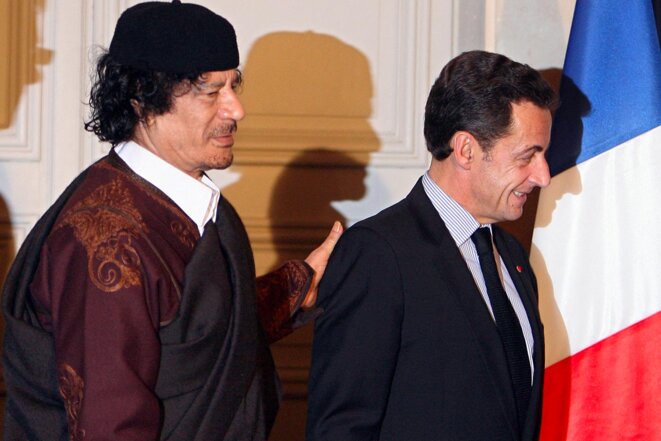
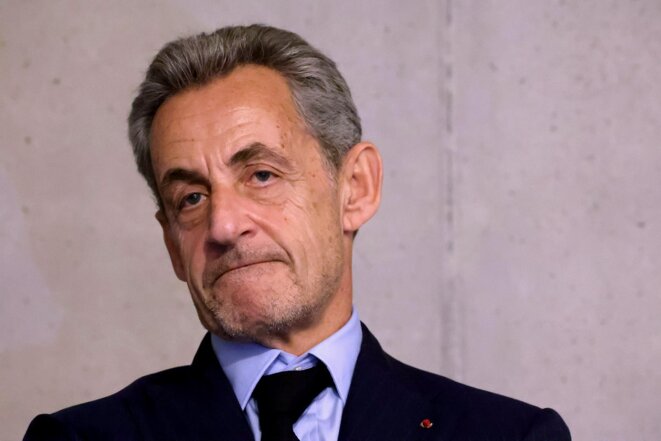
At just before 9.40am on October 21st Nicolas Sarkozy entered the gates of La Santé prison in Paris to begin the five-year jail term he was given after being found guilty of criminal conspiracy in the Libyan election funding scandal, a first for a former French president. But current president Emmanuel Macron received Sarkozy at the Élysée while justice minister Gérald Darmanin has said he will visit him in prison. And French business groups Accor and Lagardère groups have rallied to his support, while television channels have largely glossed over the seriousness of the offences. As Fabrice Arfi argues in this op-ed article, the jailing of Nicolas Sarkozy lays bare, as never before, the panic of a small but powerful elite that desires nothing less than the return of pre-French Revolution privilege.
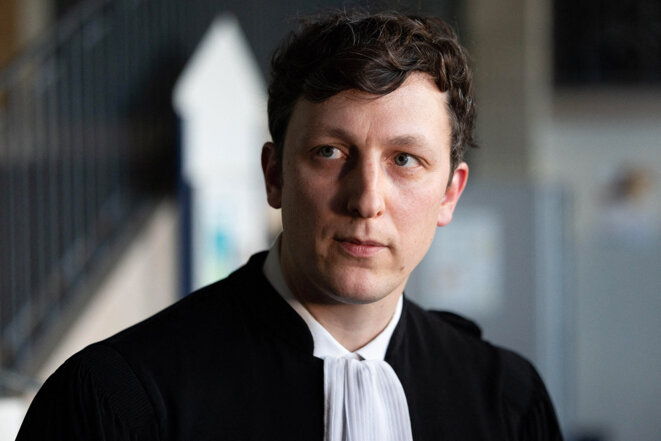
Lawyer Maxime Tessier, 33, a defence counsel for former surgeon Joël Le Scouarnec, who was handed a 20-year jail sentence in May for variously raping and sexually assaulting 299 victims, mostly child patients, died in an apparent suicide overnight on Tuesday. Amid the shocked reactions to Tessier’s death, which one psychiatrist said may have been the result of vicarious trauma caused by the horror of Le Scouarnec’s crimes, a number criticised the lack of psychological support offered to lawyers faced with such harrowing cases. Hugo Lemonier and Mathilde Mathieu report.
The number of suicides among prisoners in France is steadily increasing, while overcrowding of prisons is soaring. Often, the families and close entourage of the deceased face a lengthy legal battle to establish the circumstances of their deaths and the eventual responsibility of the prison authorities who, some complain, treat them with insensitivity and even disdain. Feriel Alouti reports on their distressing experiences.
In what is the first legal move of its kind in France, a woman has filed a formal complaint for war crimes, crimes against humanity, and genocide over the deaths in Gaza of two of her grandchildren, and the wounding of another, all French nationals, during Israeli airstrikes in October 2023. Meanwhile, similar moves are being launched in other countries against named Israeli military personnel accused of committing war crimes. Gwenaelle Lenoir reports.
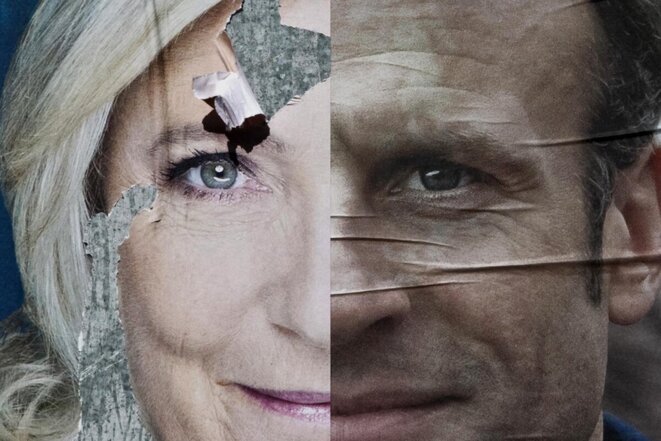
Emmanuel Macron and his principal opponent, far-right figurehead Marine Le Pen, recently found common ground when commenting on two judicial affairs. In the case of Le Pen, it was about her conviction for embezzlement and a sentence that bans her for five years from holding public office. In the case of Macron, it was his refusal to back calls to strip former president Nicolas Sarkozy of his Légion d’honneur award after his conviction for corruption. Both cited the electoral choice by “the sovereign people” as superior to the laws in place. In this op-ed article, Fabrice Arfi, co-head of Mediapart’s investigations unit, argues that this anti-judicial populism, a sort of French Trumpism, is the result of a political and moral collapse that is not limited to one political camp alone.
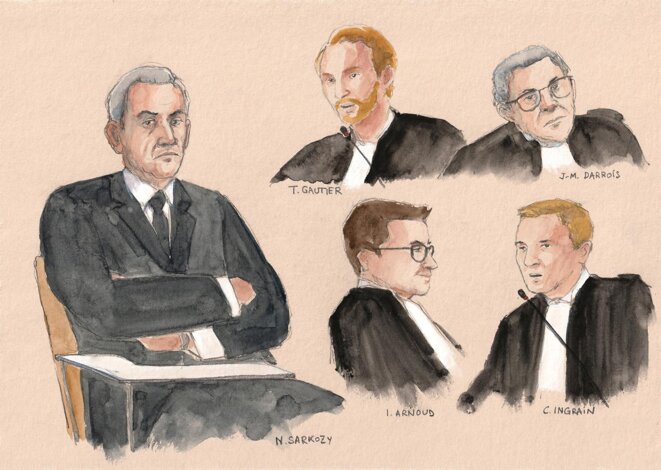
The trial of Nicolas Sarkozy and 11 others on corruption charges relating to the alleged funding of the former French president’s 2007 election campaign by the regime of Libyan dictator Muammar Gaddafi ended this week with the speeches of Sarkozy’s defence team. The four lawyers spoke for five hours calling for the charges against him to be thrown out and denouncing an “empty” case brought by prosecutors, who have requested Sarkozy be handed a seven-year prison sentence. Given the final word on Tuesday before the judges announce their verdicts in September, Sarkozy dismissed what he said was a “political and violent” prosecution case. Fabrice Arfi was in court on the day the curtain went down on an extraordinary trial.
The trial of Nicolas Sarkozy and 11 others on corruption charges relating to the alleged funding of the former French president’s 2007 election campaign by the regime of Libyan dictator Muammar Gaddafi is now entering its final stages after prosecutors on Thursday called for Sarkozy to be handed a seven-year jail sentence and a 300,000-euro fine. Mediapart looks back at the significant moments of the trial so far, before the court hears the arguments for the defence of Sarkozy and his co-accused, who include three former ministers. Fabrice Arfi and Karl Laske report.
Former French president Nicolas Sarkozy and three of his ex-ministers will stand trial in Paris on January 6th on corruption charges related to the alleged illegal funding of his 2007 election campaign by the regime of Libyan dictator Muammar Gaddafi. Part of the prosecution case is the alleged offer by Sarkozy’s entourage to overturn, in return for the funding, an international arrest warrant issued by France against Gaddafi’s brother-in-law Abdullah al-Senussi, who was found guilty in absentia of masterminding the mid-air bombing of a French airliner in which 170 people died. In this interview with Mediapart, the sister of one of the victims, and the daughter of another, recount their long quest for justice, and explain why they hope the trial will finally present the truth about the suspected ugly dealings over Senussi.
Nicolas Sarkozy on Wednesday lost his ultimate appeal against his conviction in 2021 for “active corruption” and “influence peddling”. France’s highest appeal court also upheld the sentence he was handed of three years in prison, two of them suspended, and a three-year ban on holding public office and voting. Sarkozy, 69, will serve his prison sentence at home wearing and electronic tag. Michel Deléan reports.
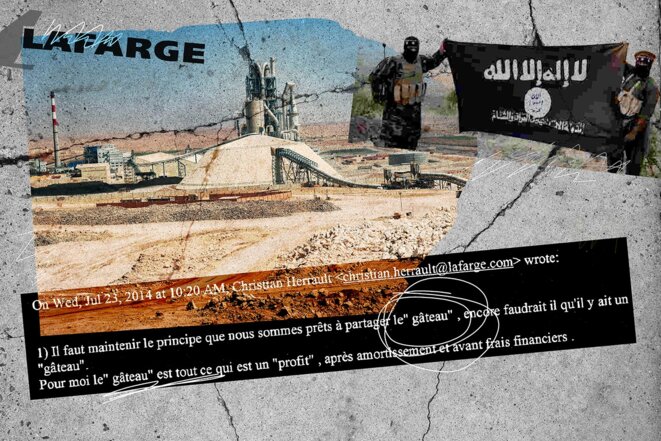
The anti-terrorism branch of the French prosecution services this month recommended that the cement manufacturer Lafarge, and several of its former directors, be sent for trial on charges of “financing terrorism” and the “non-respect of international financial sanctions” over payments made between 2013 and 2014 to several terrorist groups, including Islamic State, to maintain the activities of its cement production plant in Syria. Mediapart has studied the 275-page document issued by the prosecution services, in which it dismisses the claims of several of the accused that France’s secret services and foreign affairs ministry were complicit in the deals made with the terrorist organisations. Fabrice Arfi reports.
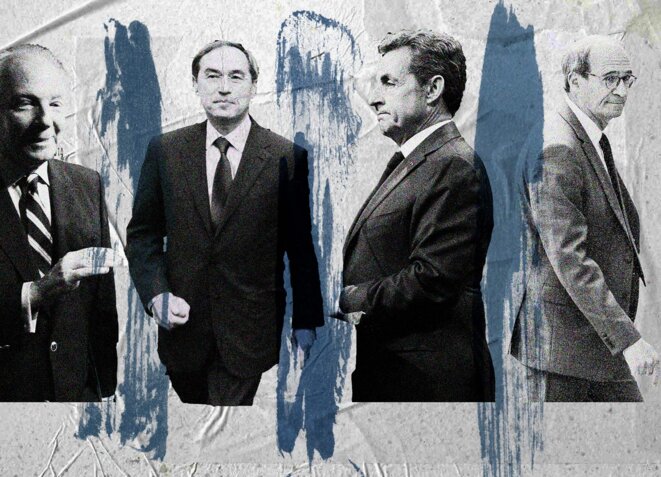
French prosecutors earlier this month recommended that former French president Nicolas Sarkozy, along with three of his former ministers and nine other individuals, stand trial for the alleged illegal funding of his 2007 election campaign by the regime of former Libyan dictator Muammar Gaddafi. Mediapart obtained access to the 425-page document in which the prosecutors detail the evidence and their conclusions. The Libyan financing arrangements could not have been carried out, they write, “without the consent and the perfect knowledge” of Sarkozy, for whom “the hoped-for advantage consisted of obtaining secret financial support for the 2007 electoral campaign”. Fabrice Arfi and Karl Laske report.
How did a major French multinational company, through sheer greed, end up financing Islamic terrorism so that it could keep its expensive cement factory open in Syria? What did the French secret services know about this arrangement? With the help of previously-unseen documents, Mediapart has been able to piece together the background to the scandal involving Lafarge and the story of its massive cement plant close to the Syrian-Turkish border. Fabrice Arfi and Matthieu Suc report.
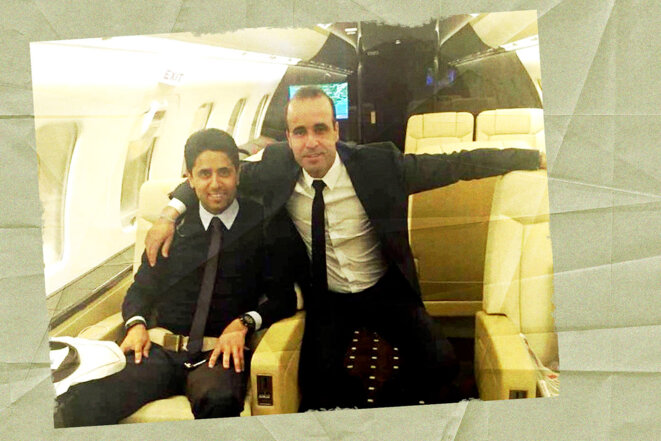
The Paris public prosecution services are investigating two formal complaints, the latest filed on March 23rd, alleging that Nasser al-Khelaifi, president of the Paris Saint-Germain football club and also chairman of Qatari broadcaster BeIN Sports, illegally employed in France his former major-domo and an advisor by paying them through fake contracts as coaches with his Smash Tennis Academy in Doha. Khelaifi, one of the most powerful figures in world football, denies the accusations. Yann Philippin reports.
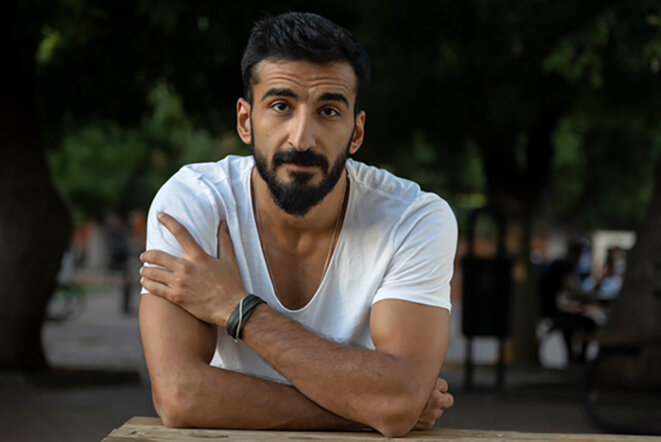
The Turkish-based Syrian journalist and Mediapart contributor Hussam Hammoud was refused a visa by the French authorities on September 5th. A month later, on Wednesday October 5th, his legal team appeared at the administrative court in Nantes to appeal against this decision. The journalist's lawyers highlighted the vague approximations and errors in the arguments used by France's Ministry of the Interior to refuse him the humanitarian visa and called for the application to be looked at again. François Bougon reports.
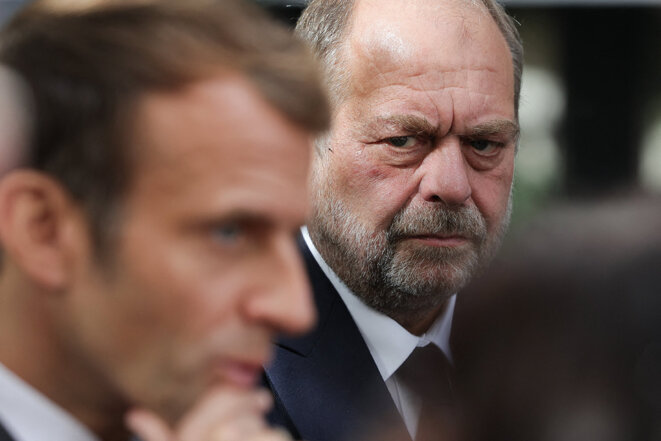
For the first time in French political and legal history, a serving justice minister has been sent for trial before the Cour de Justice de la République. Éric Dupond-Moretti will appear before the CJR – the special court that deals with the alleged offences of ministers while in office – accused of an unlawful conflict of interest. He is said to have put pressure on anti-corruption prosecutors and a judge. However, argues Fabrice Arfi in this op-ed article, President Emmanuel Macron must also accept a major share of the responsibility for the affair. It was the head of state who appointed the former high-profile and outspoken lawyer to the post - and who then chose to keep him in office after the allegations first broke.