


The exact circumstances surrounding the barbaric lynching late last Friday of a 16 year-old Roma gypsy boy by a mob of inhabitants from a housing estate in a suburb north of Paris remain unclear.
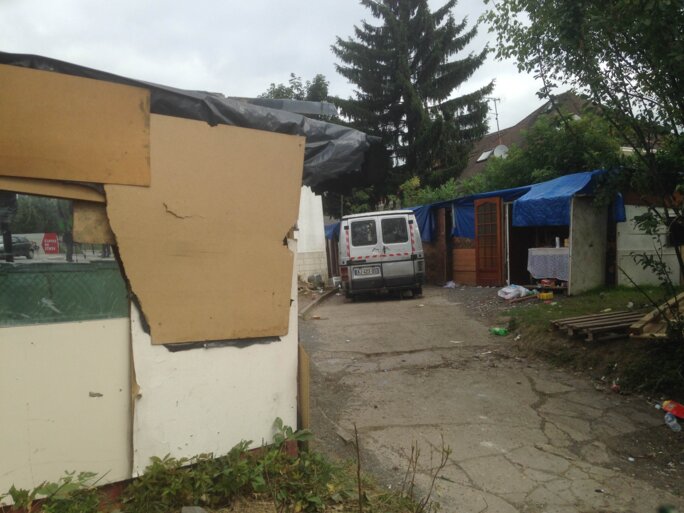
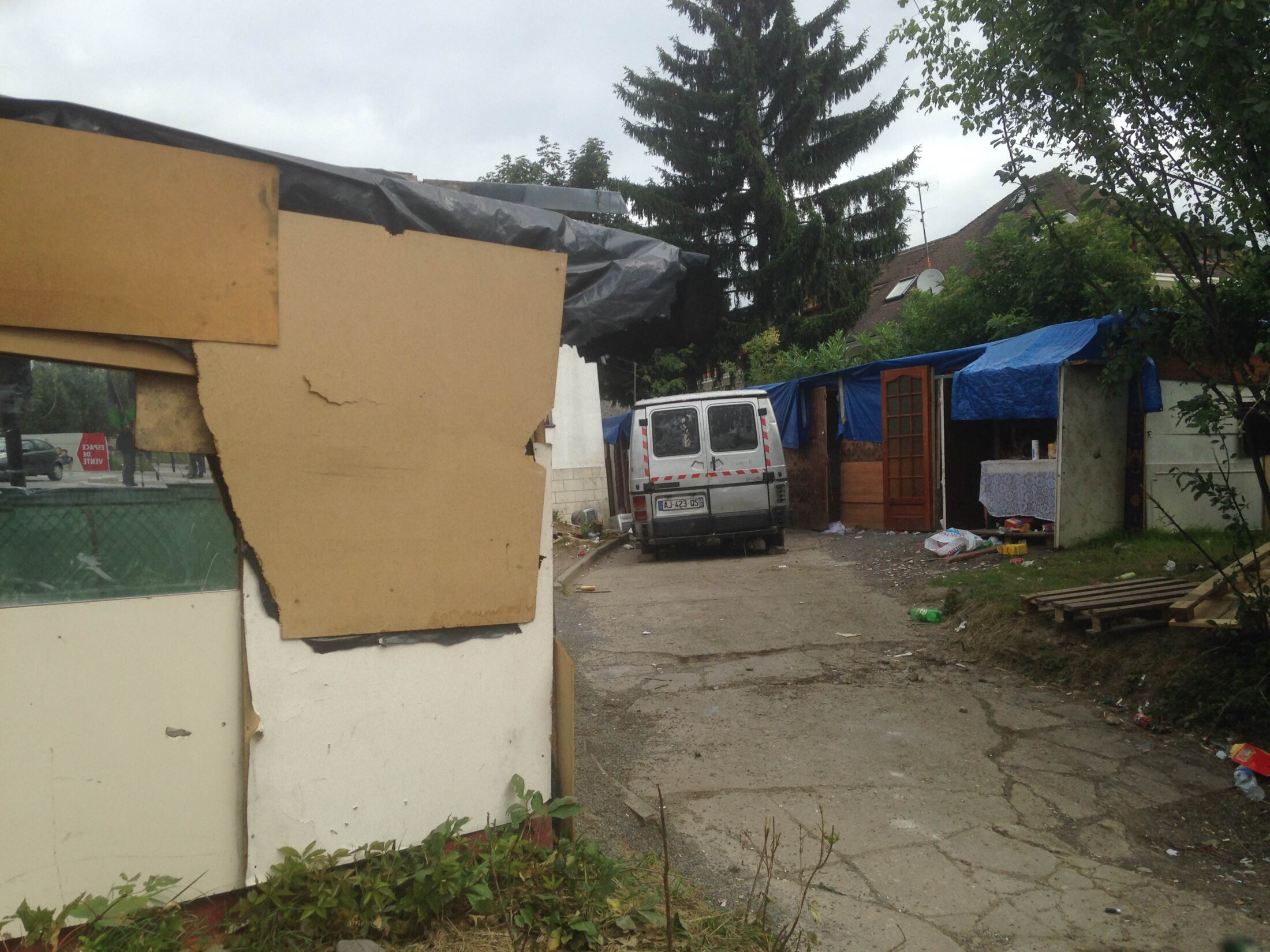
Several reports citing police sources say the teenager, who has been named only as Darius, was identified by the mob as having broken into a flat just hours earlier on the run-down estate, incongruously named The Poets’ Quarter, in Pierrefitte-sur-Seine. The boy had been living – reportedly since only a few weeks - with his family and other Roma in a squat that was illegally set up in and around a house on land close to the estate.
Enlargement : Illustration 1

“This dramatic event cannot be reduced to an antagonism between two communities,” said local public prosecutor Sylvie Moisson in a press conference on Tuesday, when she announced the opening of an investigation into attempted murder and kidnapping . “This dramatic event is above all a barbarous act attributable to a group of individuals. The mobile for this lynching is revenge.”
“There was on the one hand a burglary that took place in a flat in the Cité des Poètes [housing estate] of which the takings were just a few pieces of jewellery because the perpetrator was scared off by a young witness,” Moisson continued. “The description given by this young witness could correspond with the youth who was immediately chased after, taken away, sequestrated, beaten up and left for dead.” Moisson underlined that those found to be responsible for the attack face a term of life imprisonment.
According to the French interior ministry, it was on Friday at about 5.30 p.m. when a group of armed men entered the Roma squat and took away the teenager by force in front of his family. The kidnappers contacted the victim’s mother at about 8 p.m. when, according to French daily Le Parisien, they demanded a 15,000-euro ransom for his release, which was later reduced to 5,000 euros. The mother subsequently contacted the police at about 10.30 p.m. Darius was found one hour later, bloodied and with multiple injuries, dumped in a supermarket trolley. The horrific nature of the attack is illustrated in disturbing photos obtained by British daily The Telegraph, which purportedly show the youth when he was found, published here.
After being taken to a nearby hospital he was later transferred to the Lariboisière hospital in central Paris and placed in an artificial coma where he now remains.
Enlargement : Illustration 2
“These are unspeakable and unjustified acts,” said President François Hollande on Tuesday. “They go against all the principles upon which our republic is founded.”
In an interview with French TV news channel BFM-TV, police officer Christophe Ragondet, a representative of the police trade union Alliance, called for caution. “The investigation is very complicated,” he said. “Yes, this youth was known to the police for acts of burglary, but was he attacked in an ultra-violent manner for that reason? Was he truly targeted or was he beaten [almost] to death because he was a Roma?”

Enlargement : Illustration 3
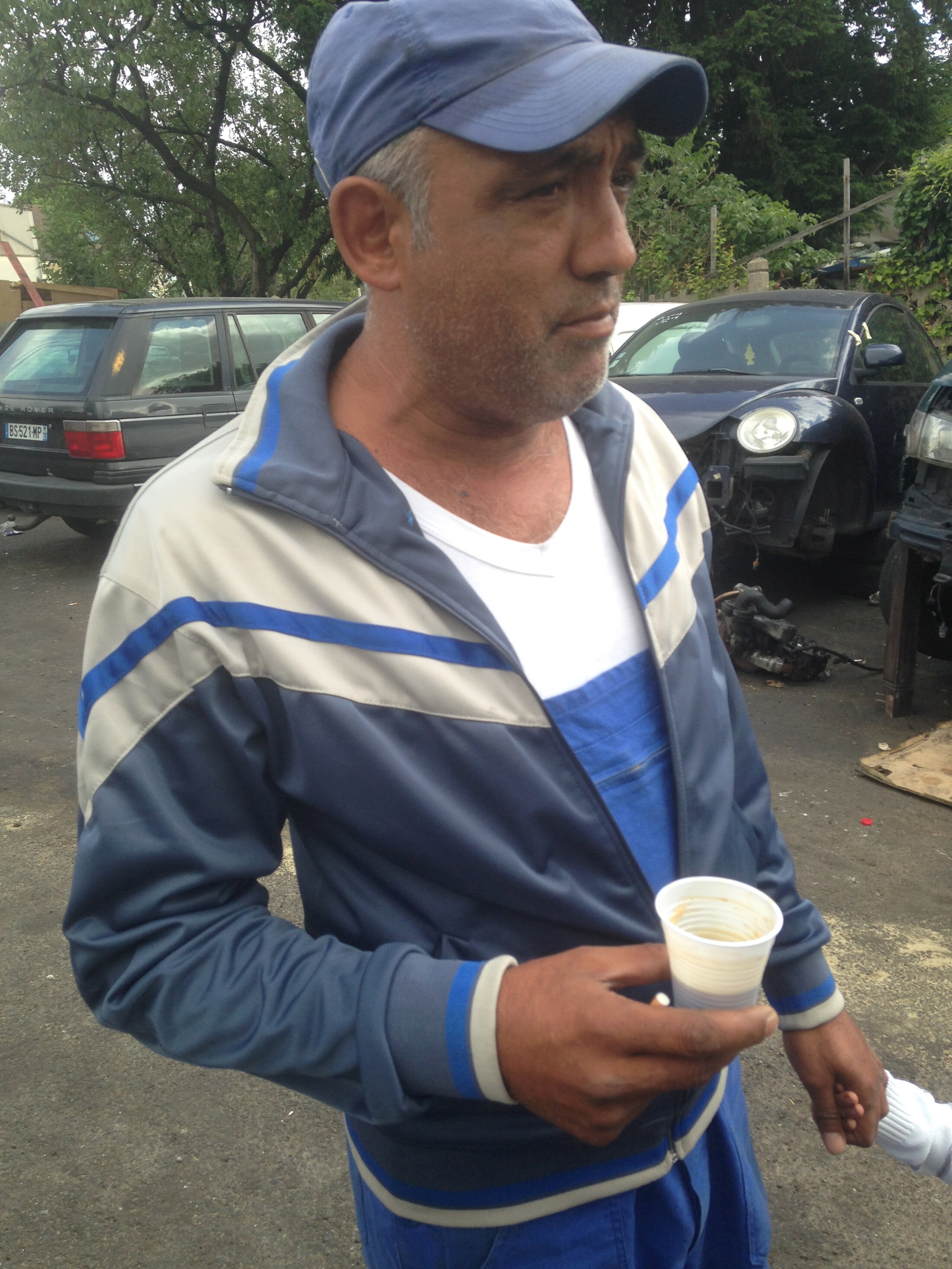
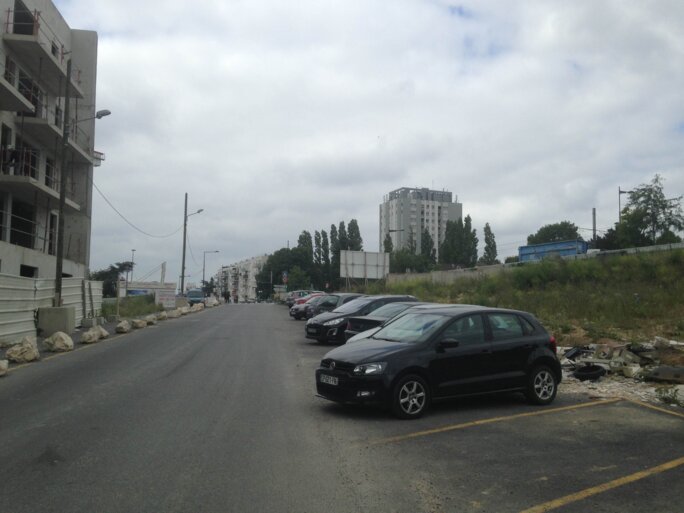
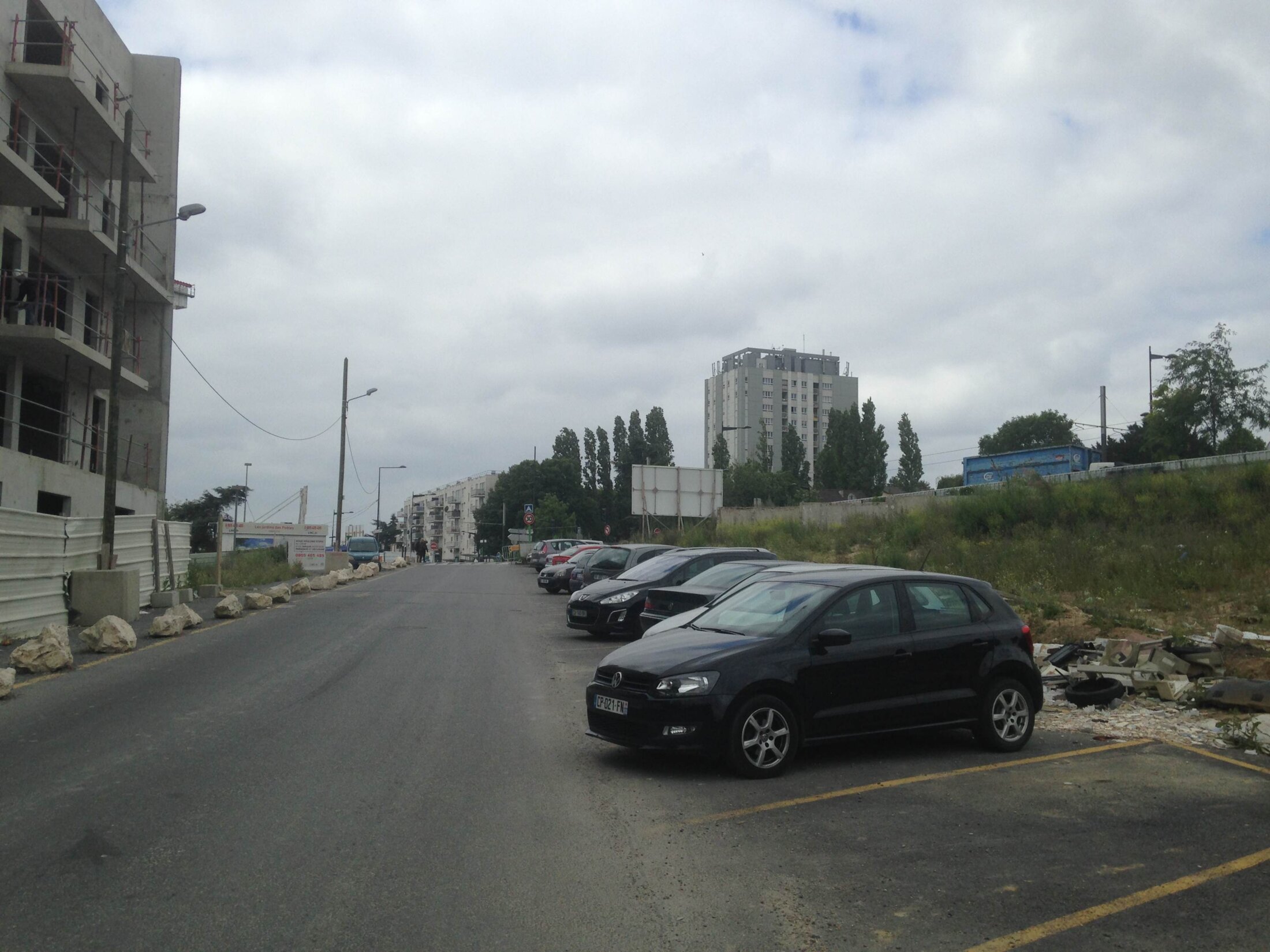
When Mediapart visited the neighbourhood on Tuesday, a man in blue overalls working in a car bodywork repair business set up next to the now-abandoned squatted house claimed it was he who found Darius agonizing in the trolley. He refused to say anymore, apparently fearful of the possible consequences. Nearby, a building worker on a section of scaffolding said he had not witnessed the events. “We stop at 5 p.m., the body [sic] was found afterwards,” he said.
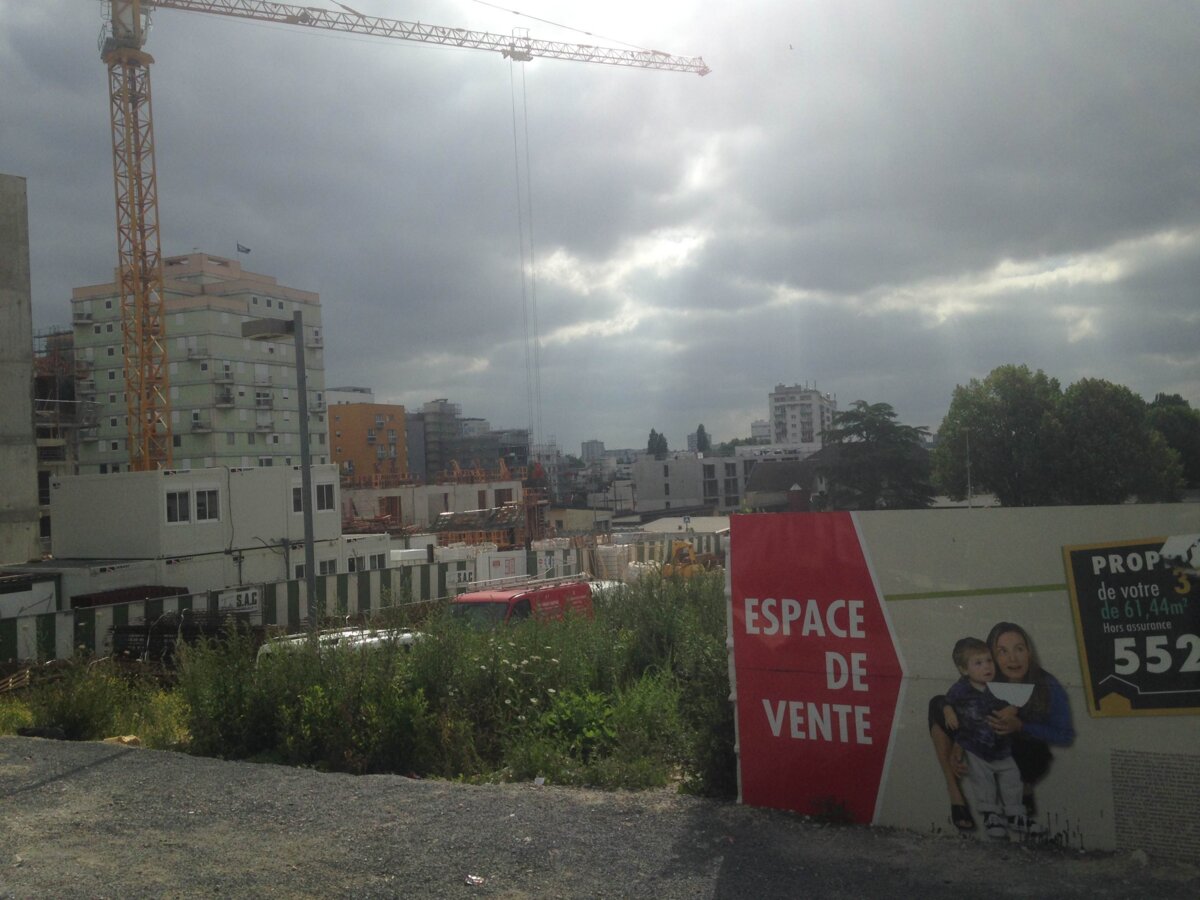
All around, there is building construction and renovation work going on. There are few shops in the area, and they are invisible to a visitor. The only public services buildings are an infants’ and primary school, and a social centre. There are two restaurants, sat on the busy Route Nationale 1 close to which Darius was found, and which cater mostly for lorry drivers.
A woman out walking her dog was more forthcoming. “According to the media, the Roma had carried out burglaries,” said the retiree. “I don’t know, I can’t say. But it’s true that they are dirty, they rummage through the dustbins and they smell bad. Go and see for yourself, they relieve themselves behind the ditch. People began to complain about it. They carried out justice themselves.”
“In general, the inhabitants [here] fight amongst themselves,” she continued. “There’s never an end to the fights between rival gangs. It’s hot. Not so long ago they even shot at each other […] The police don’t come by here anymore, though there’d be things [for them] to get on with, what with the drug trafficking and the settling of scores over cars stolen.”
White and born in Pierrefitte, she spoke of a “cosmopolitan” housing estate. According to the latest figures available from the French National institute of Statistics and Economic Studies, INSEE, based on a 2006 census, 34% of the population of the Poet’s Quarter housing estate are foreign nationals. “There is a bit of everything here, all nationalities are represented,” she said, later adding: “This business is sad, but I understand the young folk all the same, they’re angry. As for me, the Roma wanted to steal my dog.”
Her comments echo those of the socialist mayor of Pierrefitte, Michel Fourcade. “The inhabitants of the quarter told me that they were exasperated over the burglaries and the damaged cars,” he said Tuesday, implicitly linking thefts and vandalism to the lynching of Darius, who he said had been arrested for theft on several occasions since the beginning of the month.
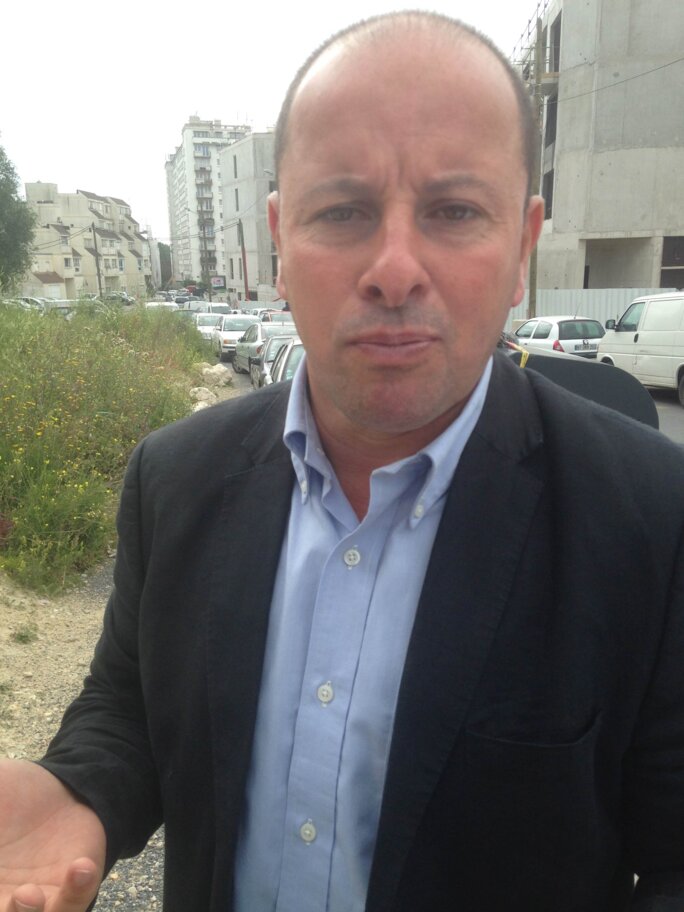
Farid Aïd is an opposition member of the local municipal council, a member of the Communist Party. Mediapart met him as he visited the housing estate on Tuesday. “The folk are left abandoned to themselves,” he said. “Some are racist, for the most part without realizing it given their [ethnic] origins, but it’s not the majority. I had to remind Algerians about the manner in which were treated the inhabitants of shanty-towns in [the Paris suburb of] Nanterre. In the 1950s and 1960s, the thieves were the Arabs. Now it’s the Roma.”
'The dialogue in this neighbourhood is bloodletting'
At the foot of one of the blocks of flats a man in his forties was tinkering with the engine of his car. He refused to give his real name. “Call me Mehdi, if you like,” he said. He didn’t ask for news about the Roma teenager’s condition. “If the guys from here did that to him, it means he must have done something serious. What he did needs to be known, but it’s certain that it’s serious.” He was just as certain that the now-departed Roma squatters were up to no good. “They stole windows, metal on the building sites,” he said, while admitting he had no proof. “That’s in any case what the workers say – it can only be the Roma.”
“One of my neighbours had his [car] diesel fuel siphoned off, while he has to get up at five in the morning to go to work,” he continued. “Another one, who has a seven-seat car, was robbed of five of his seats. For certain, it’s the Roma.”
Enlargement : Illustration 4
The man rents his apartment, and said the cost is ever increasing because of building repair work. “Our living environment is degraded. We can’t stand this building work anymore, it’s lasted for ten years. They just build and build. Who will want to settle in here?”
He pointed out two women nearby, both wearing headscarfs and long, layered skirts. “You see, they rummage the dustbins,” he said. "Because we’re here they pick up [the discarded objects], but otherwise they leave the detritus lying around behind them.” He complained that the occupants of the buildings are accused of neglecting the proper upkeep of their surroundings, adding “but it’s them, the Roma who come past and dirty everything.”
“A month ago I warned the municipal police about the setting up of the Roma, but they replied that they couldn’t do anything because the land belonged to a private individual,” he continued. “When those people encrust themselves you must expect serious inconvenience.”
One of his neighbours who had just turned up saw things differently. “You mustn’t generalise, they’re not all like that,” said the neighbour. “They lynched the guy, he’s nearly dead all the same.” The conversation led on as follows:
First man: “For sure, they could have kept it to a regular leathering.”
Neighbour: “And then we don’t know what this youngster did.”
- “But the smells, doesn’t that shock you? Have you seen where they relieve themselves? They leave excrements everywhere. Also they bring illnesses, typhoid and hepatitis B.”
- "For sure, but there’s no-one left in this neighbourhood to help anyone. Blind violence is not the right answer. Everyone is angry. Unemployment, delinquency, it’s not all their fault, all the same. Take my neighbour who slashed my arm with a machete. The dialogue in this neighbourhood is [that of] bloodletting. Here you hit out and afterwards you talk. I wan’t to take off out of here.”
- “Don’t talk like that. Afterwards the media rubbish our neighbourhood. It’s certain, there’s nothing doing here, but people are united, the youngsters show respect. When the lifts break down they help with taking up parcels.”
Enlargement : Illustration 5

Speaking to Mediapart, Communist councilor Farid Aïd pointed towards the nearby primary school. “A week ago there was a meeting in that establishment, the mayor came,” he said. “We talked about the Roma. The mayor said there was nothing he could do. People feel abandoned.” He said he would have liked to see an initiative to make contact made with those who arrived, to explain how things worked in the district and to encourage meetings between them and the inhabitants.
In the Seine-Saint-Denis département in which Pierrefitte lies, there are numerous examples of Roma camps being set up and their subsequent dismantling. There are also examples of a positive relationship established between them and local inhabitants, which was clearly never the case in the Quartier des Poètes, perhaps because there was not the time to help build one. Having recently arrived there, the Roma families were not yet given help from the social services, while voluntary associations dedicated to helping Roma migrants had not visited the site they were squatting.
“This event is the terrifying consequence of several years of ineffective public policies and comments by elected politicians, representatives of state and also numerous media organs [that] support and surf above an unhealthy climate,” said Romeurope, a collective grouping of organizations dedicated to defending the rights, and helping the integration, of Roma in France, in a statement about the lynching of Darius issued on Tuesday. “The continual and intensive destruction of shanty towns only makes the difficulties of families living in them even more complicated to deal with. This maintained misery attracts only indifference and helps prosper a racism that affects all of French society.”
-------------------------
- The French version of this article can be found here.
English version by Graham Tearse.