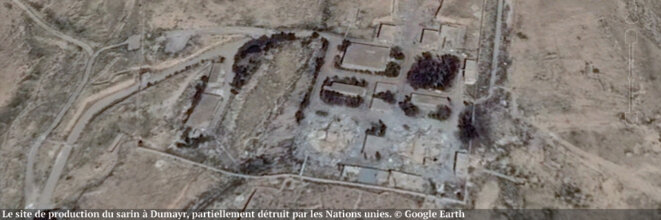
Exiled Syrian scientists have told Mediapart that the Damascus regime drew up plans to use chemical weapons against internal opposition two years before the start of the current civil war in 2011. The scientists, who were involved in the making of the weapons but who defected after misgivings about its use inside the country, say the country's president Bashar al-Assad had become unnerved by protests in Iran in 2009 and the regime had ordered seven military basses to be made ready to store chemical weapons – including sarin gas. René Backmann reports.
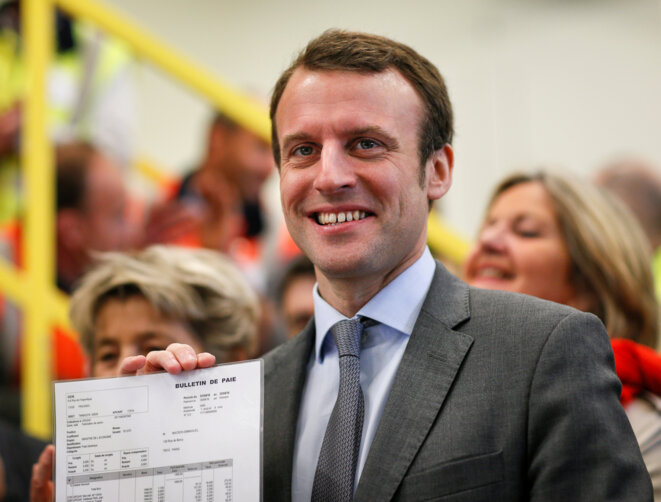
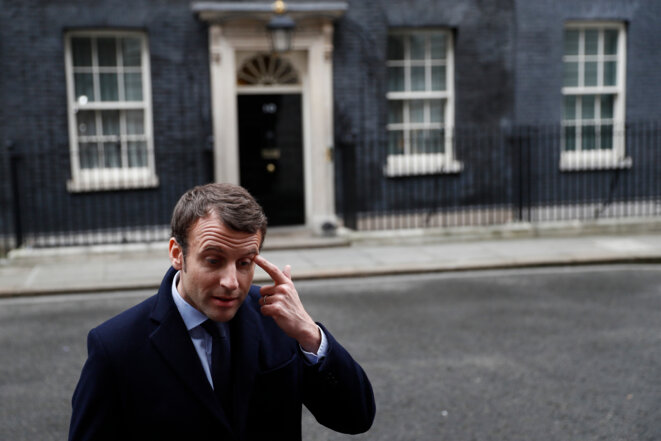
In order to finance his election campaign, Emmanuel Macron succeeded in raising almost 13 million euros in what was a remarkable achievement for his maverick centrist political movement En Marche ! created barely one year before his election as president. But contrary to the image put about by his campaign team that it was the result of a spontaneous surge of popular support, the funds were primarily sourced from a powerful network of bankers, financiers and businessmen, as information gathered from the massive leak of hacked En Marche ! internal documents and verified by Mediapart reveals.
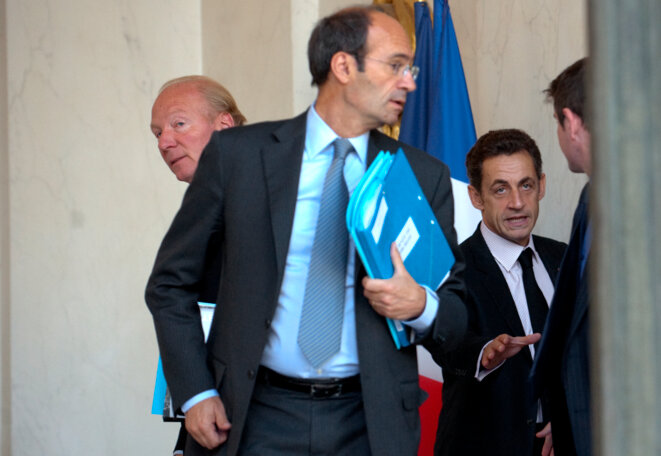
A French judicial investigation into the suspected illegal financing of Nicolas Sarkozy’s 2007 presidential election campaign by the regime of late Libyan dictator Muammar Gaddafi, opened after evidence of Tripoli’s agreement to make the payment was published by Mediapart, has in recent weeks stepped up questioning of suspects and witnesses in the case who have confirmed the abundant use of cash sums to pay campaign staff. Several former managers and secretaries of the campaign were placed in custody and questioned by police who also carried out searches of their homes. Fabrice Arfi, Karl Laske and Mathilde Mathieu report.
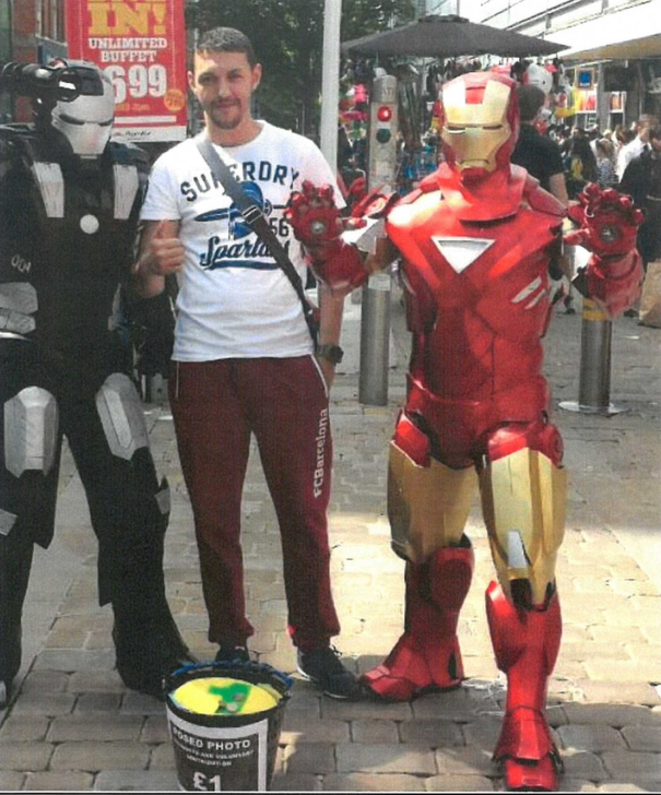
Responsibility for the suicide bombing at the Manchester Arena on Monday night, in which 22 people were killed and another 52 were injured, has been claimed by the Islamic State group. One of the Belgium-based IS cell that carried out the November 2015 attacks in Paris and the March 2016 bombings in Brussels travelled to Britain in July 2015, where he visited and photographed locations in Birmingham and Manchester, including a railway station and the Manchester United stadium Old Trafford. Matthieu Suc reports.
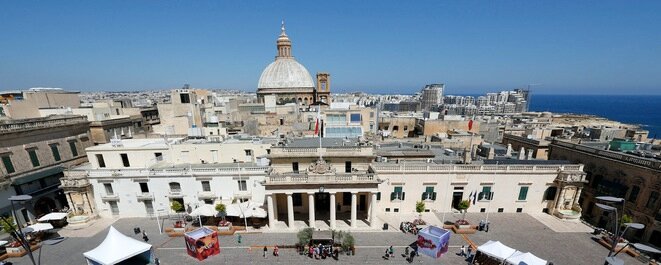
Malta, which currently heads the European Union's rotating presidency, relies on more than tourism as a source of revenue. Its secretive financial structures and generous tax schemes serve to make it one of the EUs most attractive havens for tax avoidance and money laundering by individuals and corporations and which cost other countries billions of euros in lost revenues, reveals a four-month investigation by Mediapart and its partners in the European Investigative Collaborations journalistic collective (EIC).
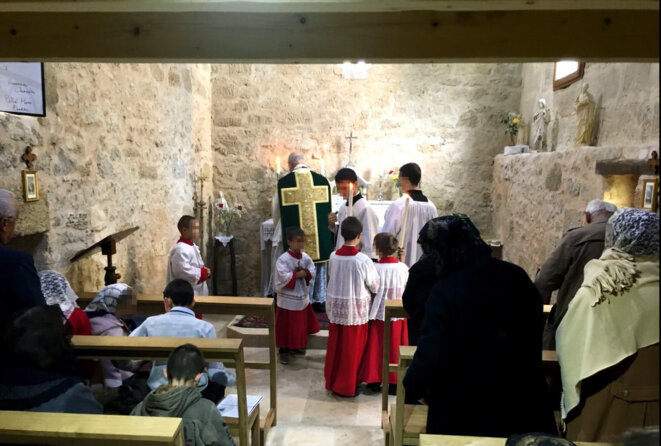
A Mediapart investigation carried out in partnership with Swedish television station SVT1 and British newspaper The Guardian reveals how a fundamentalist Catholic society covered up several cases of priests accused of sexual assaults. The Society of Saint Pius X also regularly sends offenders to a discreet 'gilded prison' tucked away in the French Alps. Mathieu Martiniere, Mathieu Périsse, Daphné Gastaldi and Ali Fegan report.
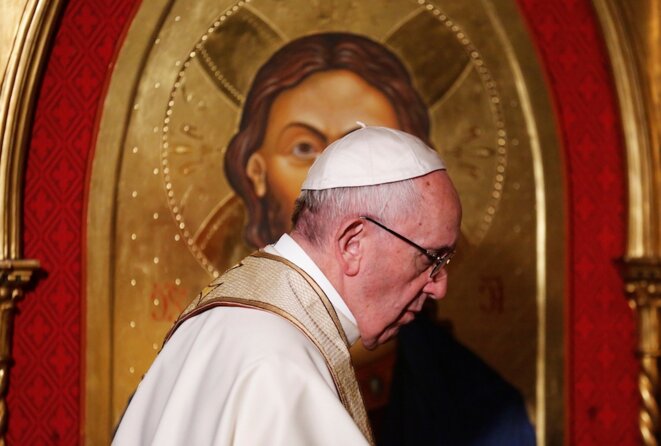
In 2010 when he was still Archbishop of Buenos Aires, Pope Francis commissioned a report that sought to exonerate a prominent priest who had been convicted of paedophilia. Now for the first time an Argentine judge has told Mediapart and TV documentary Cash Investigation that a direct attempt was made by the church to influence his views ahead of the priest's appeal hearing. Martin Boudot, Daphné Gastaldi, Mathieu Martinière, Mathieu Périsse and Antton Rouget report.
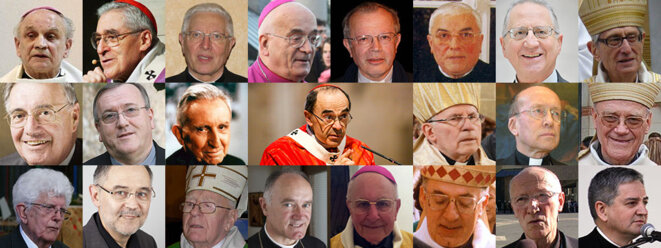
The French Catholic Church has for years protected priests and others under its authority who were accused of sexual assaults, and paedophile crimes in particular. This Mediapart investigation reveals how 25 bishops, five of who are still active, were directly involved in protecting 24 people, mostly priests, accused of sexual abuse. They were among 32 alleged perpetrators of sex crimes who are identified here as having been protected by the Church, and whose alleged victims total 339. The method employed often involved the transfer of the alleged perpetrators, a number of who have now been convicted for sex crimes, to distant geographical locations both in France and abroad. Daphné Gastaldi, Mathieu Martinière and Mathieu Périsse report (graphics by Donatien Huet).
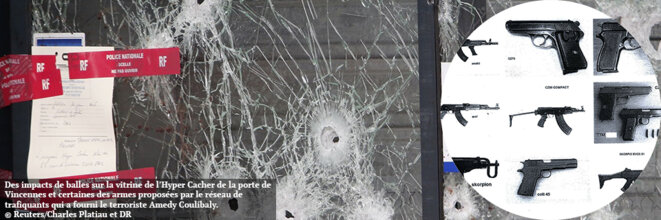
In January 2015, a series of terrorist attacks in Paris left 17 people dead, including 11 at the offices of satirical magazine Charlie Hebdo, and four Jewish men in a kosher supermarket. The attack on the kosher store was carried out by Amedy Coulibaly in the name of the so-called Islamic State group. A number of weapons later found at the scene and at his home transited via an arms trafficking network in northern France which had been the object of several lengthy police surveillance operations. So why have magistrates in charge of investigating the itinerary of the arms still not questioned those involved in the surveillance? Karl Laske reports.
The independent centrist candidate Emmanuel Macron has no public money behind him to help his presidential campaign, as he has no established political party. Instead he is relying on donations both via the internet and from private gatherings with wealthy supporters. Opponents have raised questions over the former economy minister's links with the world of money and business, as well as the declarations of his personal assets which seem to suggest he spent large amounts of money while working as a merchant banker. Those rivals seek to paint him as a candidate for “global capitalism”. His entourage are irritated by such a depiction but, given his background in the world of finance, they have little choice but to accept it, report Mathieu Magnaudeix and Mathilde Mathieu.