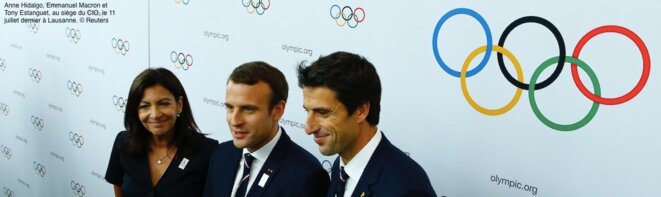
French President Emmanuel Macron on Friday held a party at the Elysée Palace to celebrate the International Olympic Committee’s announcement this week that Paris will host the 2024 summer Olympic Games for the first time in 100 years. But away from the celebrations at the Elysée, attended by former presidents François Hollande and Nicolas Sarkozy and Paris mayor Anne Hidalgo, questions are raised about the financial management of the “Paris 2024” entity that led the French campaign, and the golden bonus payments that its directors are now due to pocket. Antton Rouget reports on the business behind the bid.
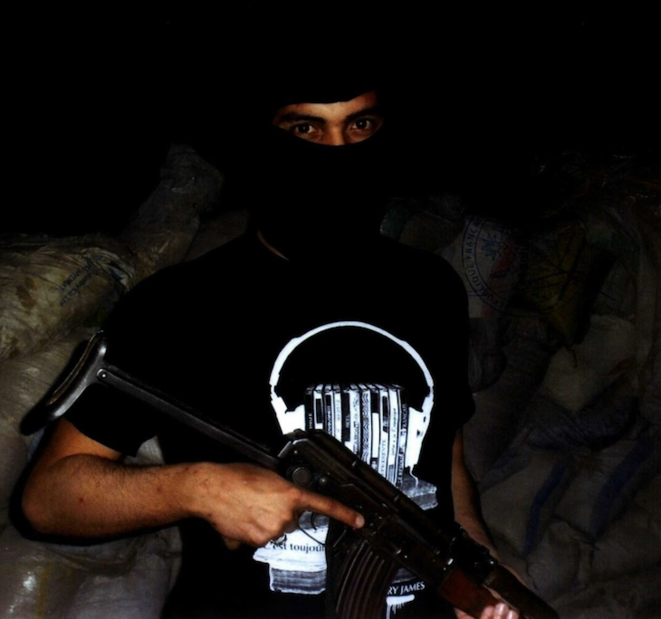
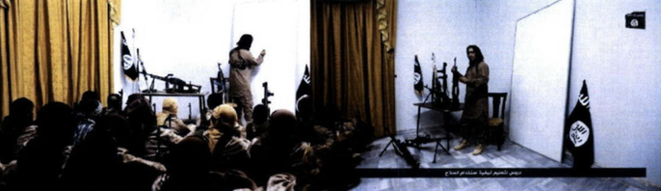
The Islamic State employs the techniques of Western secret services to track down potential informers. This includes using CIA-inspired interrogation methods and agent provocateurs, and carrying out background checks on prisoners and new recruits from Europe. But as Matthieu Suc reports in this second article on the jihadist organisation's secret services, this does not mean they are always immune from double agents.
The so-called Islamic State group (IS) last week claimed responsibility for the attacks in Spain that left 15 people dead and more than 100 injured, part of a long and murderous terror campaign it has led across Europe. Behind the terrorist operations lies a branch of the IS which acts as the jihadists’ secret services, and which has been constructed in the image of the very countries it attacks. An eight-month investigation by Mediapart reveals the history and the methods employed by this shady organization that is a pillar of the IS structure. Matthieu Suc reports.
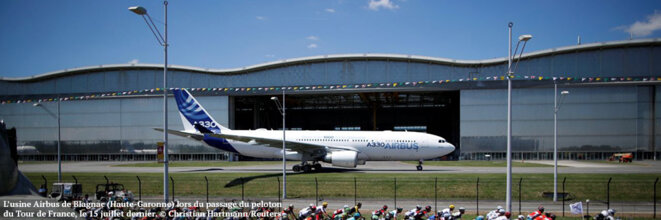
The French and British investigations into alleged corruption at the European aerospace and defence group Airbus centre on claims that hundreds of millions of euros of hidden commissions were paid out as part of massive export deals. Here Mediapart reveals details of a secretive system which flourished inside the group for 15 years and which today threatens some of its most senior figures. Martine Orange and Yann Philippin investigate.
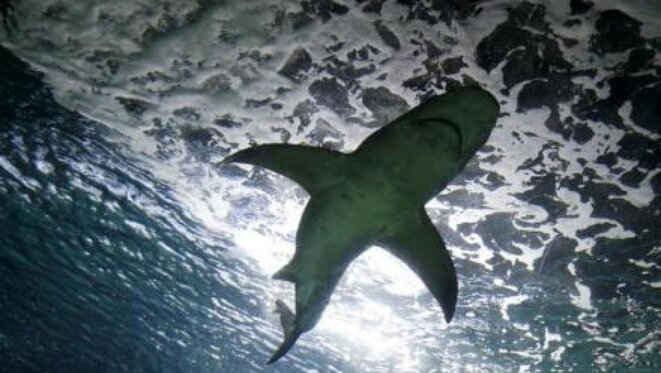
Over the past six years a spate of shark attacks have hit the French Indian Ocean island of La Réunion, leaving nine people dead and many others badly wounded. The problem, virtually unknown before 2011, has traumatised the local population, and in an effort to reduce the danger local authorities have introduced a programme of shark culling, which has outraged conservationists. In all, more than 10 million euros have been ploughed into measures including the erection of safety netting around beaches and the employment of divers to scout for predators close to resorts. But the attacks are continuing, and despite numerous scientific studies no-one knows why. Julien Sartre reports from La Réunion, where locals are anything but united on how to deal with the problem.
Last month an investigation in which Mediapart was a partner showed how three key players in the French economy, Renault, Peugeot-Citroën and Auchan, used lax laws in Malta to reduce their tax bill in France. Now, other documents in the Malta Files investigation reveal that Groupe April, an insurance firm created by entrepreneur Bruno Rousset 30 years ago, is also using the Maltese tax loophole to avoid paying French corporate tax. Rousset has previously publicly stated that he believes his company should serve the “general interest”. Mediapart's Yann Philippin and Sylvain Morvan from investigative website Mediacités report.
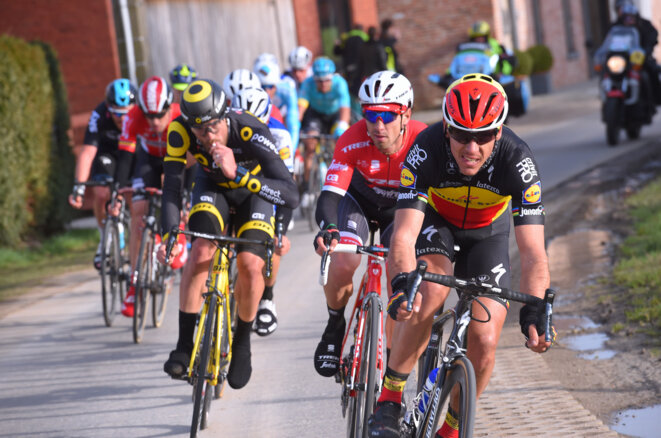
As the Tour de France gets underway, Mediapart has examined the way that key figures in the world of cycling minimise their tax payments by putting money earned from image rights into companies based in Cyprus, Switzerland or Luxembourg. Some major names such as the Belgian cyclist Philippe Gilbert and the French star Tony Gallopin have taken advantage of this tax route. Antton Rouget reports.
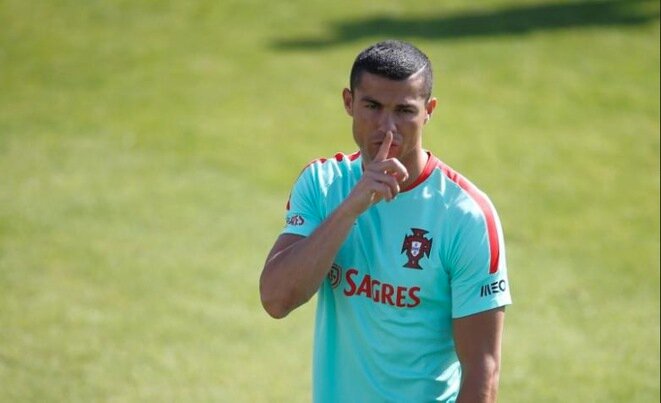
Footballer Cristiano Ronaldo is threatening to leave Spain if its justice system proves too troublesome for him over his tax affairs. The Real Madrid star, who faces an investigation into alleged tax evasion, insists that he has acted in good faith and says that all his fiscal arrangements were authorised. To back this claim, he and his advisors point to the fact that the authorities in England had no problem with his fiscal set-up when he played for Manchester United. But according to new documents from the whistle-blowing platform Football Leaks, and revealed here by Mediapart, there are now question marks over this line of defence. Michaël Hajdenberg and Yann Philippin report.
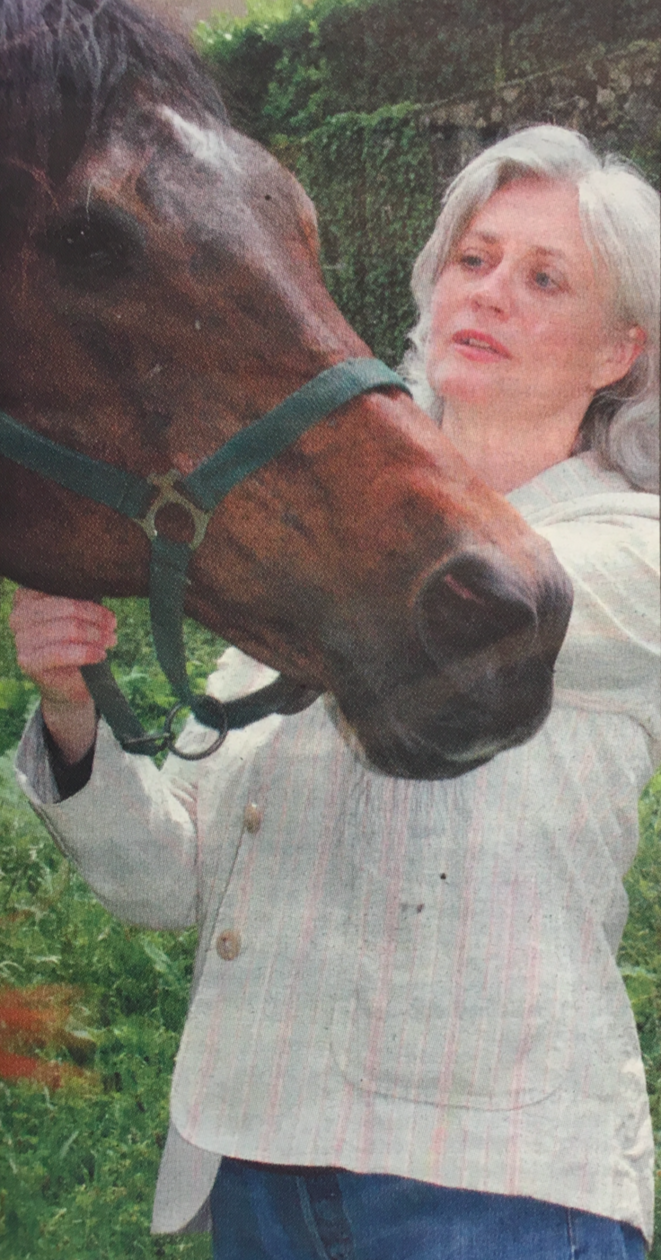
Former French prime minister François Fillon’s presidential election campaign nosedived after it was alleged that over several years he fraudulently employed his British-born wife Penelope as his parliamentary assistant for which she earned almost 700,000 euros paid out of public funds. While both Fillon, who was until then the lead candidate in the election, and his wife deny the fake job accusations they are currently placed under investigation in an ongoing judicial probe. The couple insist that if there is little evidence of Penelope Fillon’s presence in parliament it is because she was active in her husband’s constituency. Mediapart has carried out a detailed search through local newspaper archives to find trace of her work, and the result offers little support for their claim. Mathilde Mathieu and Antton Rouget report.
Three major French firms, carmakers Renault and PSA Peugeot Citroën plus retailer Auchan, have set up insurance companies in Malta to save themselves from paying tens of millions of euros in taxes in France. The revelation comes from Malta Files, a four-month investigation by Mediapart and its partners in the European Investigative Collaborations journalistic collective (EIC) into one of Europe's lesser-known tax havens. Although what the three firms are doing is legal, the two car firms are successfully avoiding paying tax to the French state even though it is a major shareholder in each of them. Yann Philippin reports.