In an interview with Mediapart, the French rapper Médine explained why he is suing Member of Parliament Aurore Bergé of the ruling La République en Marche party for defamation after she described him as an “Islamist rapper” and accused him of “incitement to murder”. He told Mediapart: “She's ascribing an ideology to me which obviously isn't mine. It's the final straw. I'm hoping for a conviction and a public apology.” Ismaël Bine reports.
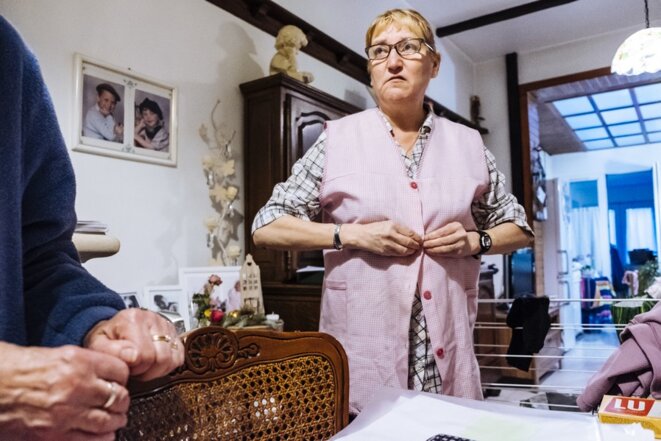
France's upper classes look upon housemaids and housekeepers from Portugal as the most honest of domestic staff and as “pearls who they must hold on to at all costs”. Yet behind the walls of these families' sumptuous properties there lurks another world; one in which class differences are very much alive. Mediapart has spoken to Portuguese maids and housekeepers working in the north of France and heard their stories of long hours, unrelenting toil and penny-pinching employers. Mickaël Correia reports.
The French pharmaceuticals firm Sanofi has been in the headlines recently because of its setbacks in producing a vaccine against Covid-19, which will not now be ready until the end of 2021 at the earliest. Yet the group has nonetheless decided to go ahead with its restructuring plans and will be trimming back on its research while also moving many of its production plants into a separate company to be sold off. France is now paying the price for having abandoned its industrial and research strategies over the last thirty years. Martine Orange investigates.
The public broadcaster television channel France Ô was created to showcase the programmes and culture of France's overseas territories to Metropolitan France and provide a link between the country's mainland and its far-flung lands. But now the government in Paris has decided to axe the channel, which has been getting very low viewing figures. It will broadcast for the last time on August 23rd. Ministers insist that the channel will be replaced by a new online portal and that programmes about the overseas territories, from the Caribbean to the Indian Ocean and the Pacific, will be shown in greater numbers on existing public broadcast channels. But as Julien Sartre reports, many fear that France's overseas territories may simply become “invisible” once more.
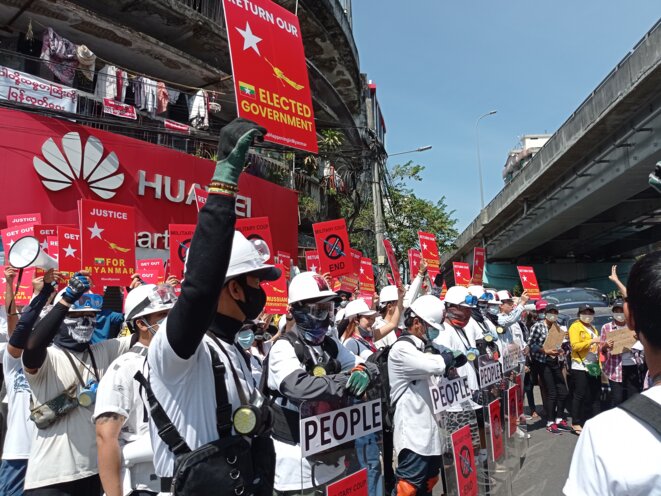
The civilian protest movement in Myanmar against the military coup of February 1st continued on Monday, when a general strike was held and hundreds of thousands again took to the streets of major towns and cities, including the capital Nay Pyi Taw, Yangon and Mandalay, despite the junta's warnings against a “confrontation path where they will suffer the loss of life”. A group of young journalists in Myanmar, a collective called The Myanmar Project, have spent the past three weeks documenting the unfolding events across the country. Here, under cover of anonymity, they tell Laure Siegel what motivated them and how they go about their reporting.
An undated photo of Aloys Ntiwiragabo from a report by NGO African Rights.
In July Mediapart revealed that Rwandan colonel Aloys Ntiwiragabo, who is suspected of playing an important role in the 1994 genocide against the Tutsis, was now living in Orléans in France. Now we can reveal that the former head of Rwandan military intelligence has been living here for at least 14 years. Yet, curiously, paperwork acknowledging his request for political asylum in France was only sent to him in February 2020. The fact that his asylum application has only been made recently raises questions about what Aloys Ntiwiragabo's status had been in the meantime - and whether he had received discreet support. Théo Englebert reports.
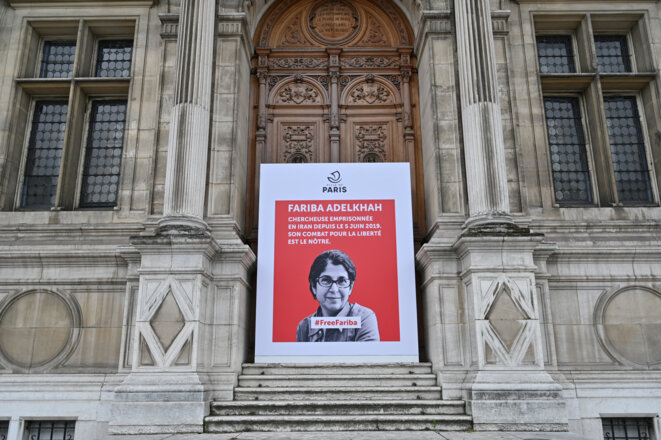
Two academics, one from the prestigious Paris Sciences Po school of political sciences, the other from Melbourne University’s Asia Institute, are currently detained in atrocious conditions in separate prisons in Iran. Anthropologist Fariba Adelkhah, who has joint French-Iranian nationality, is serving a five-year sentence at the notorious Evin prison in Tehran for allegedly violating the country’s national security, and Kylie Moore-Gilbert, a lecturer in Islamic studies with joint British-Australian nationality, is serving a ten-year sentence for alleged espionage at Iran’s harshest women’s prison located in desert land south of the capital. Both strongly proclaim their innocence, but appear trapped in what their colleagues believe is a ruthless game of hostage taking and prisoner swaps. Jean-Pierre Perrin reports.
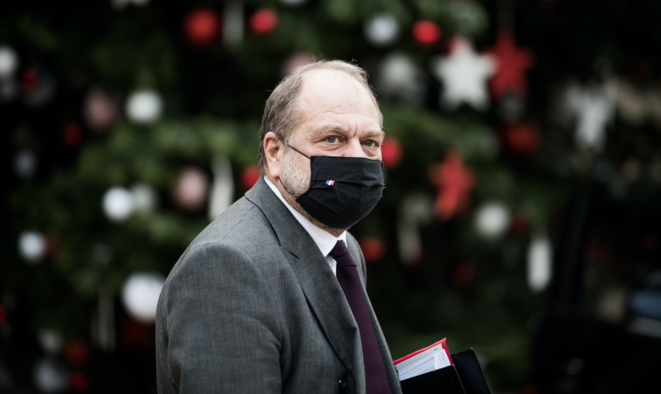
France's justice minister Éric Dupond-Moretti is planning to bring in a raft of reforms to the country's legal system. But prosecutors and many lawyers are worried at the minister's plans to create a new hybrid status for in-house or company legal staff and to grant them the same “legal privilege” as independent lawyers. The move is designed to help defend large French companies against the long arm of the American justice system. Yet critics fear the change would stop French investigators from getting hold of key company documents and become a further obstacle to tackling corruption. Pierre Januel reports.
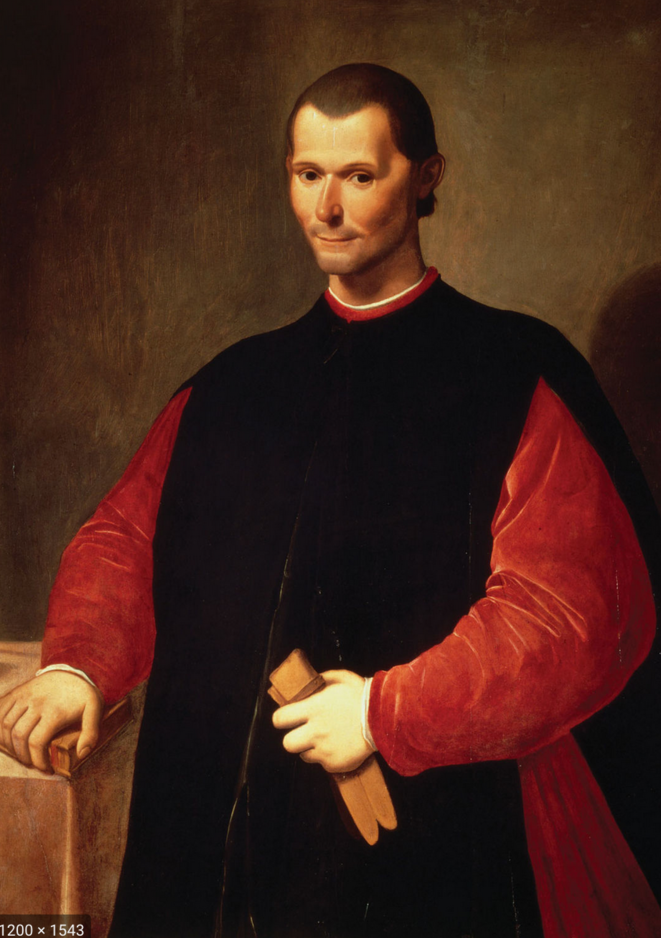
“The end justifies the means” is a well-known phrase that for many represents the height of political cynicism, a notion that justifies any crime, and is very often thought to have been first used by Italian Renaissance diplomat, political philosopher and writer Niccolò di Bernardo dei Machiavelli. Indeed, to be “Machiavellian” is to be underhand, cunning, unscrupulous and scheming. But, as Jean-Christophe Piot sets out here, the much-maligned Florentine thinker never wrote nor believed in the phrase that has been stuck to him.
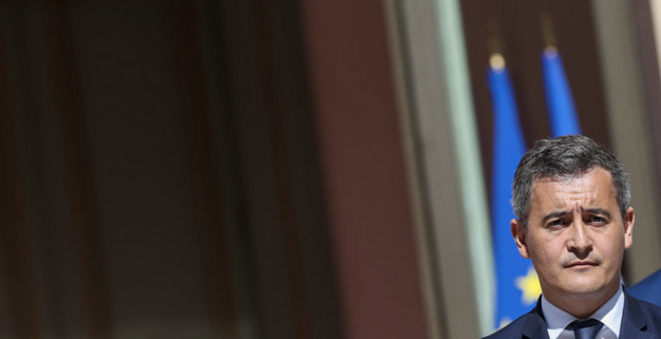
In a French government reshuffle earlier this month, former junior budget minister Gérald Darmanin, under investigation over rape allegations, was given the senior post of interior minister. Darmanin, 37, a loyal ally of former president Nicolas Sarkozy who has been sent for future trial on separate counts of corruption and illegal election campaign spending, has since caused widespread outrage with his comments on the issue of police violence and racial and religious tensions. In this op-ed article, Mediapart publishing editor Edwy Plenel argues why not only Darmanin’s appointment should never have taken place, but why he should now be dismissed in the name of the morality required of public office.