


Expulsions to war-torn Sudan with its endemic repression; refugees forced to sleep on the streets of Paris in breach of of both French and international laws; hundreds of asylum-seekers making claims under the Dublin convention dispersed to other European countries and plunged into a Kafka-esque nightmare of bureaucracy; activists arrested for helping refugees; a baby in hospital after having spent thirteen days in a holding area – these are examples of the direct effects of migration policies on the lives of refugees during the presidency of François Hollande.
Facing the biggest movement of people Europe has seen since World War II, the socialist president’s tepid response stands in stark contrast to that of German Chancellor Angela Merkel who, despite the sea-changes of local opinion, opened her country’s doors to accommodate, since 2015, over a million refugees, mainly from Afghanistan and Syria. Latest figures from Eurostat show that the number of asylum seekers in Germany in 2016 reached 722,265, up 63% from 2015, while in France the number barely reached 75,000 – an increase of just 8%. Indeed, Germany has taken in 60% of the total number of refugees to Europe while France has taken a paltry 6.3%. Even though Paris agreed in the autumn of 2015 to accept, over two years, 30,000 refugees who had arrived in Greece and Italy, only 2,758 have arrived so far, according to European Commission statistics.
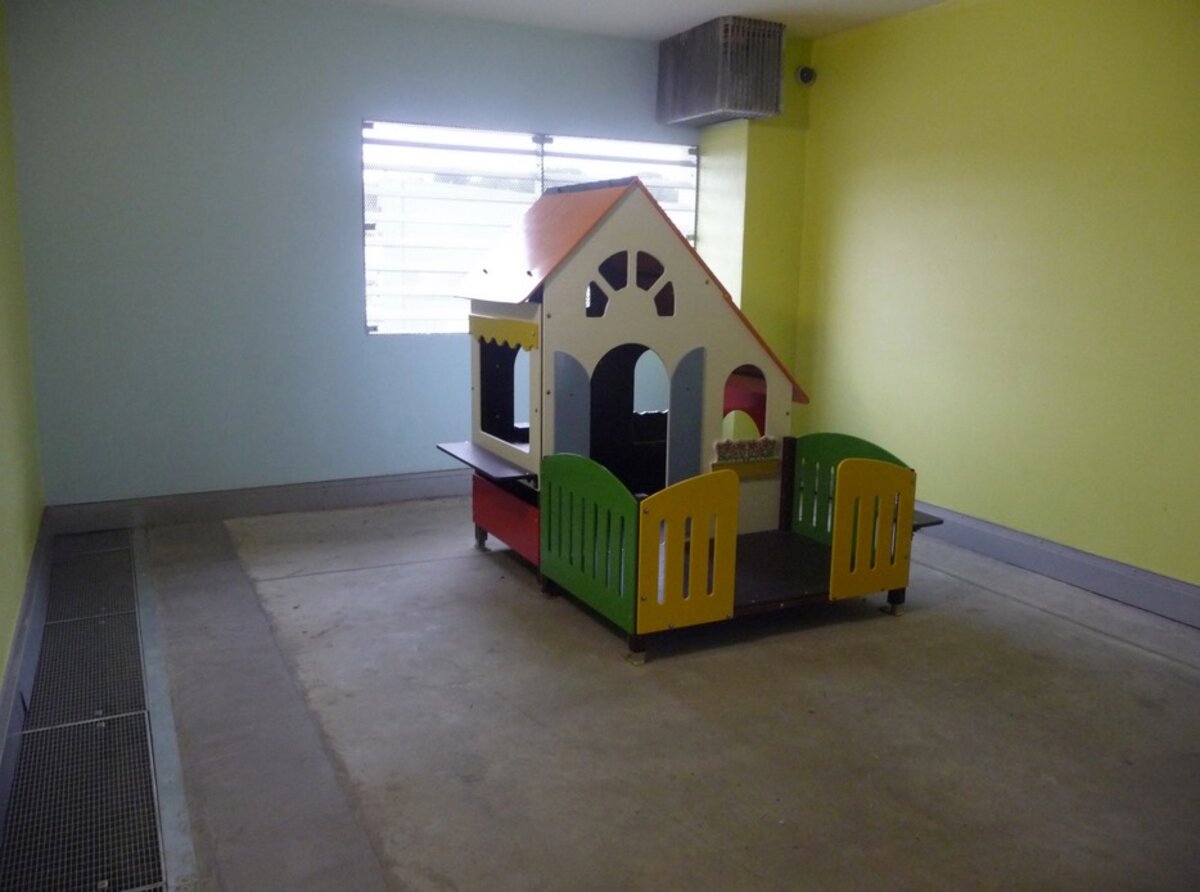
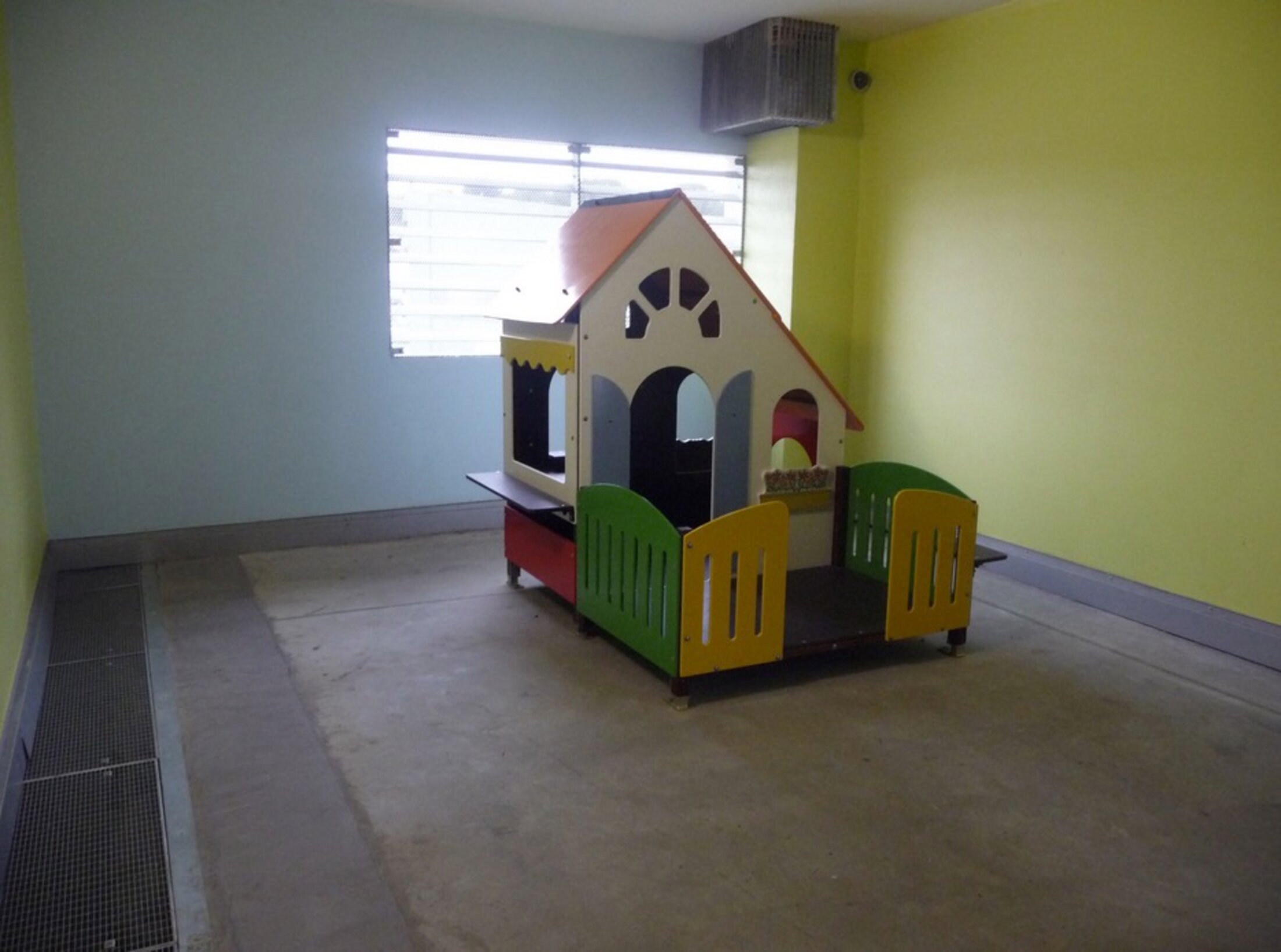
One much-touted promise of the 2012 election campaign, to stop putting children in administrative detention centres, CRAs, has completely gone by the wayside, according to refugee rights’ organisation CIMADE. Their latest report on immigration and asylum was published on 30th March, just three weeks before the presidential election, and says that progress over the past few years has been “marginal and demonstrably inadequate”. Moreover, the organisation has noted a “continuing hardening” of laws and administrative practices.
After a decade of repression under Nicolas Sarkozy, first as interior minister then head of state, François Hollande made his stance on immigration and migrants a major plank of his electoral platform. “I want to bring a new politics to the issue of migration, a politics that is responsible, transparent, stable and fair,” he wrote in reply to two refugee agencies which questioned him on the subject. “I will ensure,” he continued, “that each migrant, whatever their situation, is treated with dignity and their fundamental human rights are respected.” Specifically, the then presidential candidate professed himself shocked by children being herded with their parents behind bars to await deportation. “I absolutely understand the gravity of the situation,” he declared, citing the primacy of children’s rights before vowing to “put an end to child detentions and, in consequence, the detention of families with children”.
Five years on, there is little or nothing to show for this pledge. A circular was sent round France’s prefects or local state officials on July 6th, 2012 advising them to place minors with host families rather than in detention centres but the document had a serious failing: it didn’t apply in Mayotte, the French département or county in the Indian Ocean where migration issues have long been more acute than elsewhere in France.
Following the circular, the number of children placed in detention in mainland France did indeed fall, to 45 in 2014, down from 99 in 2012 and 312 in 2011. This drop didn’t last – the numbers were back up to 105 in 2015 and a 170 in 2016. But while a total of 460 children were detained in CRAs in mainland France between 2012 – 2016, in Mayotte, during the same period, some 20,000 suffered the same fate. Overseas territories apart, the most zealous French départements are Doubs, Moselle and Meurthe-et-Moselle in the north east of the country, which between them account for 58.8% of children detained in 2016.
Enlargement : Illustration 1
For more than ten years, and despite regular protestations by France’s independent Public Rights’ Defender, the state has been using a legal loophole to detain children. Theoretically, the law only permits the removal of adult foreigners who are not carrying the necessary paperwork. Minors do not need residency permits so they cannot be considered in breach of the law. But the authorities, under Nicolas Sarkozy’s direction, decided otherwise: a child can be deprived of their liberty if they are “accompanying” at least one of their parents, and this for their own good – so that they won’t get separated from their mother and/or father.
The current government not only abandoned François Hollande’s own election promises but has even written legislation permitting the detention of children. The loi Cazeneuve of March 7th, 2016, named after the current prime minister Bernard Cazeneuve who was interior minister at the time, allows prefectures to detain children if their parents do not have residency papers, for fleeing or refusing a deportation order, or 48 hours before a scheduled deportation in order to “protect the deportee and the accompanying minor from the inconveniences of the transfer process”.
A further decree of October 28th, 2016 goes further even than these “repressive” measures, notes CIMADE, pointing out that previously only CRAs were used rather than LRAs ('locaux de rétention administrative'), where conditions are considerably worse. “There's no association or medical presence on a daily basis. The families’ detention and eventual removal takes place out of sight of both citizens and the law.” This, stresses CIMADE, breaches the European Court of Human Rights' five rulings against France on July 12th, 2016 for the country’s inhuman and degrading treatment of detainees, attacks on their freedom, and violation of the right to a normal family life. “Families often arrive at a CRA in the evening, prior to deportation at dawn the following morning, a practice which makes it impossible for the detainee to oppose both the loss of liberty as well as the deportation, or to benefit from judicial control,” says the organisation.
'Eagerness to dismantle the camp overrode importance of protecting children'
As for unaccompanied minors, their situation has only got worse over recent years. Tens of thousands have followed the same route in Europe as their elders in a bid to escape war and misery. The risks they encounter along the way are manifold. Without parents, without friends, they are at the mercy of anyone they happen to meet and huge numbers have simply disappeared from the authorities’ radars. Between January-November 2016, just 6,400 were registered in France.
Like the adult refugees, many have no option but to sleep in the streets, particularly in Paris, before finding shelter. Thanks to a 2013 initiative by the then justice minister Christiane Taubira, confirmed in law in 2016, these unaccompanied foreign children are the responsibility of the French départements, which are charged with the protection of minors. As such, they are dispersed throughout France but there are départements which try to get out of their obligations and others which simply house the children without offering any kind of social or educational follow up. “While the state and the départements pass the buck between themselves for budgetary or sometimes also ideological reasons, children are inevitably left on the streets,” says CIMADE.
Those who were living in Calais when the camp was “dismantled” in October last year were sent to registration and information centres for unaccompanied minors (CAOMI) across France. Some 2,000 minors were involved in this mass dispersement, most of whom were hoping to join family members in the UK. At the last count, 800 managed to do this – 350 of them from Calais and 400 from CAOMI centres. The rest were refused, without always being told why. “The government’s eagerness to dismantle the Calais camp overrode the importance of protecting the children,” says CIMADE.
The October 2013 Léonarda affair illustrates to just what extent the Élysée has been tying itself in knots over the immigration issue. Léonarda, whose Kosovan parents had their asylum claim rejected, was arrested during a school trip prior to the family’s deportation. Caught between the desire to appear both “humane” and at the same time “firm”, the president took the most ludicrous decision of all – he said he would allow Léonarda back into the country, but without her family.
---------------------------------------------------------------------------------
- The French version of this article can be found here.
English version by Michael Streeter