


When Théo Grataloup was born on May 2nd 2007 he was immediately sent for surgery on his malformed digestive and respiratory systems. His oesophagus, the food pipe that runs from the pharynx, at the back of the nose and mouth, was not connected, as it should have been, with the stomach. Instead, the pipe from his stomach was connected to his lungs. The surgeon who performed the operation, Rémi Dubois, said he had “never before seen such a case”.
He was allowed to return to his family’s home, near the town of Vienne in the Isère département (county) in south-east France, when he was aged four and a half months, after also undergoing a tracheotomy which remains open today, and which requires that he never bathes for fear that water might enter his lungs.
He was aged six when he was first able to eat through the mouth, although he must observe a strict diet. He has no vocal chords and can only speak, in a base and guttural voice, through his oesophagus. Théo, now 11, has so far undergone more than 50 operations in France and abroad.
His parents, Sabine and Thomas Grataloup, believe that Théo’s condition was caused by Sabine’s exposure, when she was unknowingly several weeks pregnant, to a glyphosate-based weed killer called Glyper. She had sprayed the weed killer herself over several days, across a 700-square-metre sandy patch of land close to her home, where the couple keep horses for their business offering trekking trips. She remembers very well being overwhelmed by the vapour that left her with a headache and a chemical taste.
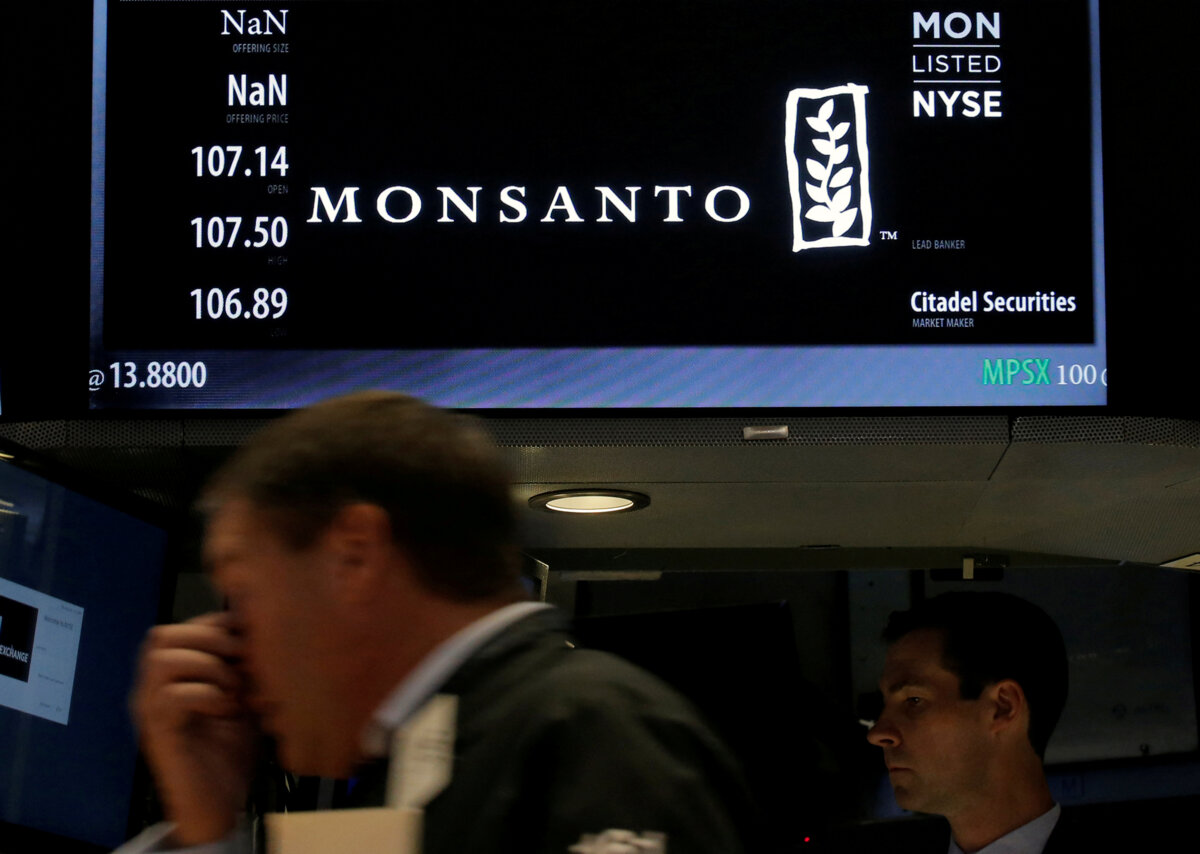
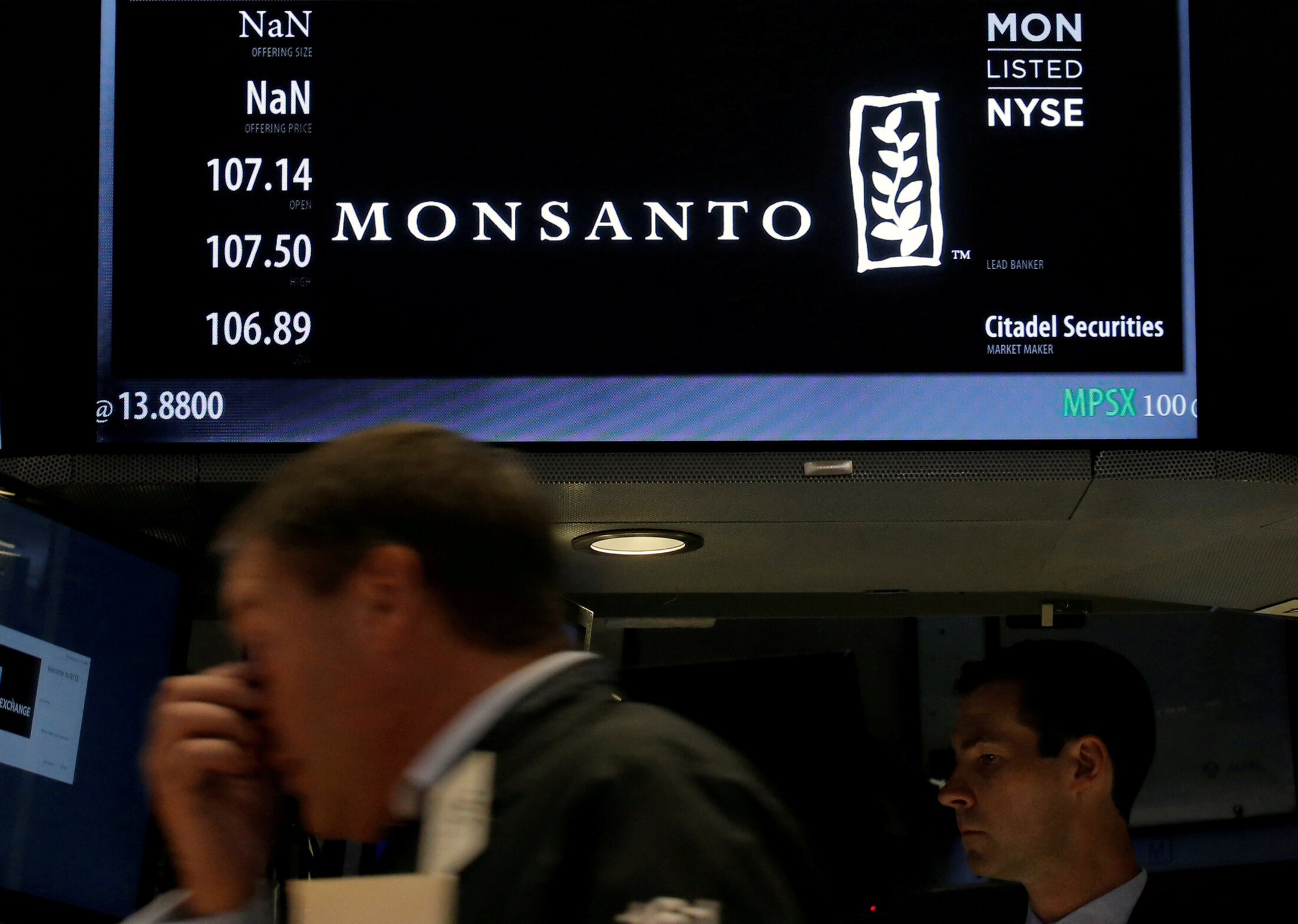
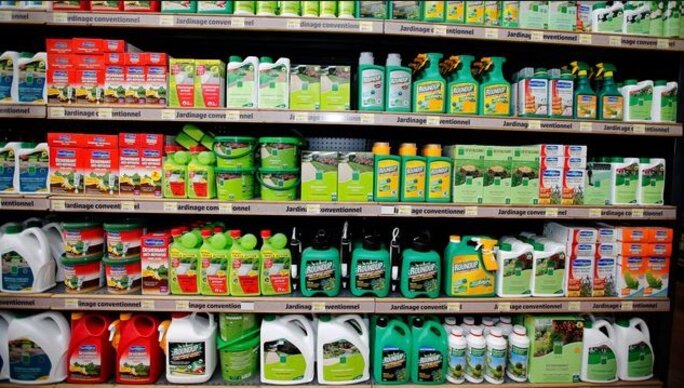
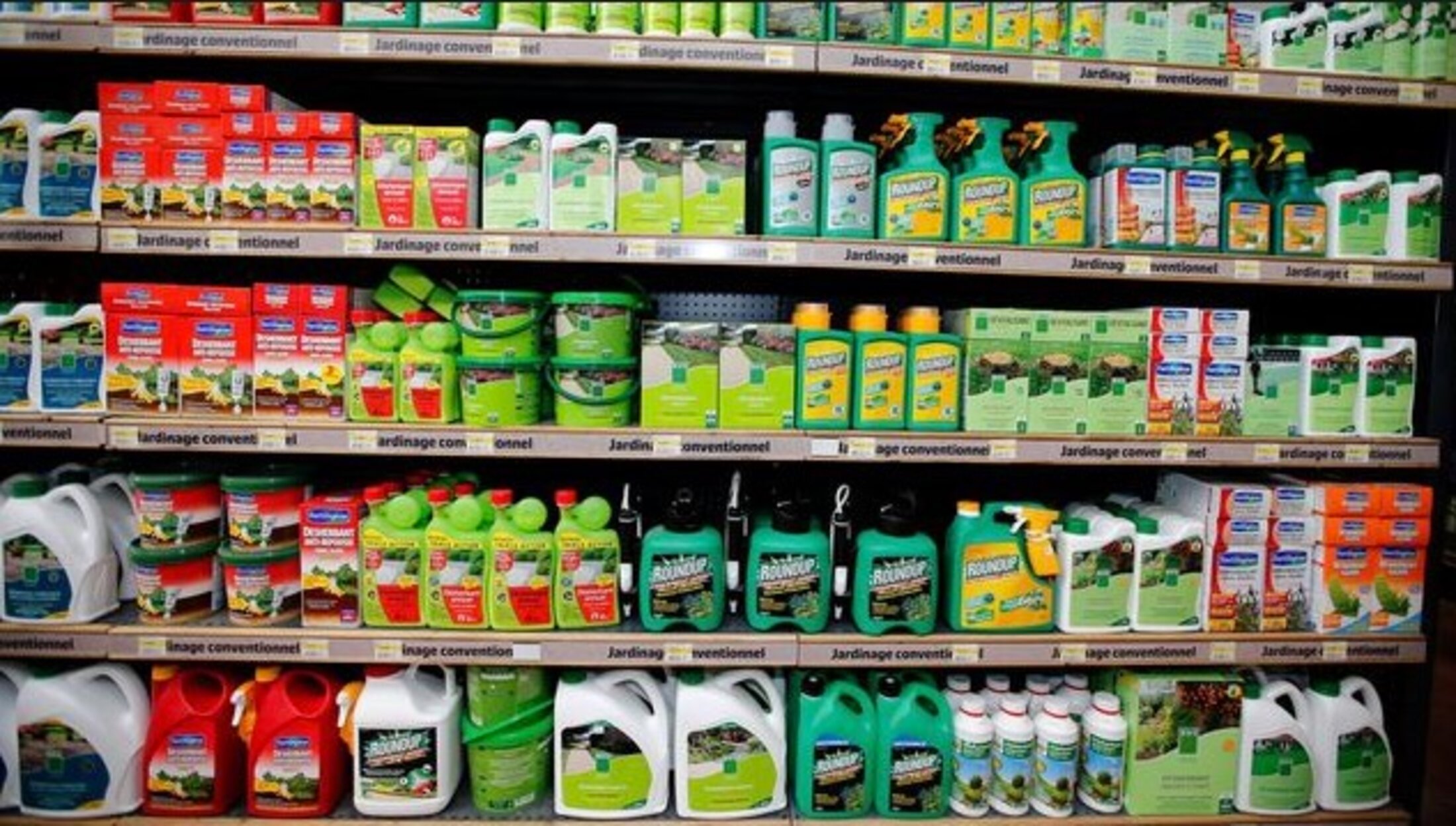
The herbicide glyphosate is a compound that was developed by US agrochemical giant Monsanto in the early 1970s and marketed from 1974 in its weed killer Roundup. Monsanto’s patent ran out in the year 2000, when the glyphosate solution became used widely in products from other brands, including the weed killer marketed as Glyper, used by Sabine Grataloup, the contents of which are supplied by Monsanto.
Enlargement : Illustration 1
Several scientific studies have found evidence that glyphosate may be carcinogenic, a claim dismissed by the agrochemical industry, while other research has thrown doubt on those findings. Monsanto, meanwhile, is accused of having lobbied and pressured some regulatory agencies into favourable reports of its compound. The World Health Organization’s International Agency for Research on Cancer (IARC) has previously reported that glyphosate was “probably carcinogenic to humans”, and found “limited evidence” that glyphosate was responsible for causing non-Hodgkin lymphoma, a form of blood cancer.
But Sabine and Thomas Grataloup are certain that the compound is also capable of causing malformations to babies in the womb. In late May, they launched a civil action suit in France against Monsanto, which earlier this month was acquired by German pharmaceuticals and chemicals giant Bayer. The suit, filed late last month with the principal court in Vienne, near their home, is against Monsanto’s French subsidiary based in the south-east city of Lyon, and also the distributor of the weed killer in France, Novajardin.
With the supporting testimony of medical professionals, including Rémi Dubois, the surgeon who first operated on Théo after his birth, their case is that glyphosate was responsible for causing their son’s malformations and that Monsanto failed to alert the public of the potential dangers of exposure to the compound. In the supporting testimony, it is underlined that there is no evidence of a genetic cause for Théo’s condition.
In October 2016, Sabine Grataloup learnt of a possible similar case in Argentina, when she travelled to The Hague in the Netherlands to take part in the hearings of what was called ‘The Monsanto Tribunal’. She was there to recount the story of Théo to the three-day, crowdfunded hearings, a sort of people’s court, involving five professional judges from different countries who listened to more than 30 witnesses – including Sabine but also scientists, doctors, a UN expert, toxicologists and beekeepers – from around the world. Modelled on the UN International Court of Justice but without any legal standing, it was organised by numerous groups and associations with the aim of holding Monsanto, who declined to take part, publicly accountable for the alleged health and environmental damage its products caused.
In April 2017, the judges delivered their conclusions, finding that Monsanto had violated human rights to food, health, a healthy environment and freedom for independent scientific research.
Enlargement : Illustration 2
It was during the October 2016 hearings that Sabine Grataloup met Maria Liz Robledo, an Argentine mother whose home near Buenos Aires is close to a stock of barrels of agrochemicals used in surrounding fields. Maria Liz Robledo’s daughter Martina also suffers from a congenital malformation of the oesophagus. “When she met the Argentine mother, it set things off,” said Émilie Gaillard, a legal expert for French environmentalist association Générations Futures which was one of the organisers of the Monsanto Tribunal. “It was one of the aims of the Monsanto Tribunal, to bring together victims and scientists from across the globe so that the extent of the damaging effects [of Monsato’s products] were realised. The participants no longer had the impression of being on their own. They were given access to a whole series of scientific data which allowed them to establish a body of serious and concordant evidence. Networks were also established.”
Established in 1901, Monsanto, which Bayer has announced is to be renamed, has long been surrounded in controversy over its products such as the chemical herbicide known as Agent Orange (used massively by US forces during the war in Vietnam where the Red Cross estimates it has left up to one million people with health problems), its synthetic bovine growth hormone to increase milk yield, rBST, (which is alleged to be carcinogenic), and genetically modified seeds (including seeds engineered to be tolerant of glyphosate, known as ‘Roundup Ready’).
In 2015, the Lyon appeal court ruled that Monsanto was responsible for the serious health consequences caused to French farmer Paul François from the inhalation of one of the firm’s pesticides, marketed in France under the name Lasso, ordering it to pay the farmer damages. Monsanto, the court found, had not properly indicated on the product’s labelling the potential health hazards – one of the arguments contained in Sabine and Thomas Grataloup suit – and it was the first time in France that the manufacturer of a pesticide had been made to pay damages in such a case. In 2004, François, a cereal farmer in south-west France, had inhaled a strong amount of vapour from the pesticide during cleaning work on the tank of a spraying machine.
The ruling was subsequently quashed for a legal technicality by France’s highest appeal court, the Cour de cassation, which has ordered the Lyon appeals court to re-hear the case but referring to a different set of articles of law.
Lasso’s alachlor-based solution was withdrawn from sale in Canada in 1985 and banned in Britain and Belgium in 1992. France outlawed the use of Lasso in 2007.
In his book Un paysan contre Monsanto (A farmer versus Monsanto) published in France last year, François dedicated his long legal battle to all those farmers “who vomit after preparing their damned mixtures, for those whose noses bleed, for those with eyes that sting and trickle, to all those farmers ill from pesticides who don’t dare to talk about it, for all those who die in their corner.”
'It’s not a fight with the local greengrocer'
French daily Le Monde last year published an investigation based on ‘The Monsanto Papers’, which were internal Monsanto documents obtained in the US as a result of part of legal action against the firm by about 4,000 American plaintiffs, mostly farmers, alleging it hid the dangers of exposure to Roundup, leading them or their close entourage to develop non-Hodgkin lymphoma. The Le Monde investigation, citing the internal documents, demonstrated how Monsanto had sought to influence in its favour scientific appraisal of the dangers of glyphosate and had deceitfully placed its own comments in scientific papers, doing so, Le Monde said, “in a systematic manner”.
In the lawsuit launched by Sabine and Thomas Grataloup, their lawyers – William Bourdon, Amélie Lefebvre and Bertrand Repolt – argue that the documents revealed in France by Le Monde make it clear that Monsanto “was knowledgeable of the dangers not only of glyphosate but also the surfactants it was associated with, and this as of the year 2000, even perhaps before, as of 1999”, adding: “Knowing the toxicity of the product, the defendant companies should not have produced and marketed the product in the condition in which it was bought in 2006 by Mrs Sabine Grataloup. At best, it should have been withdrawn from sale, or at the least they were subject to a requirement to give clear information, which they manifestly did not respect.”
Monsanto’s French lawyer Jean-Daniel Bretzner declined Mediapart’s invitation to comment on the case.
The Grataloup’s face two particular challenges. One is to establish the direct link between glyphosate and the malformations of Théo’s digestive and respiratory systems, the other to prove that in 2006 Monsanto was aware of the dangers of glyphosate. Concerning the first, their lawyers appear confident of demonstrating the link between the compound and Théo’s condition, given the support they have from medical and scientific experts. In his written testimony included in the lawsuit, surgeon Rémi Dubois, citing 15 scientific studies between 2002 and 2017, says “the involvement of glyphosate in the appearance of the poly-malformation syndrome that Théo presented at birth is highly probable”.
But the issue of establishing whether Monsanto was aware of the dangers is likely to be the main point of debate, and the details from the corporation’s internal documents revealed in the US may prove to be crucial evidence. “There is a structural difficulty,” commented Bertrand Repolt, one of the Grataloup’s three lawyers. “One has to go back ten years, within Monsanto, to find out what danger they knew of, and penetrate internal discussions in a company that has a well-known cult of secrecy. The second, more current, difficulty is that we live in a time where business secrets are more and more protected.”
The three lawyers chose to attack Monsanto in civil law, as opposed to filing a complaint for prosecution under criminal law, in part because of the notably lengthy process of the latter, which requires the investigations of an examining magistrate and the police, both of which in France are notoriously understaffed and overstretched.
But above all they chose to proceed with a civil law action because of this month’s takeover of Monsanto by Bayer. Under French criminal law, the disappearance of a legal entity – in this case Monsanto, which Bayer has announced it will rename – automatically halts the prosecution process, in exactly the same way that does the death of a defendant, whether charged or not. In the US, however, no such provision exists.
François Veillerette, head of French environmentalist group Générations futures, said he admired the Grataloup’s “courage in attacking these mammoth companies” adding, “It’s not a fight with the local greengrocer”. But while he cautioned that many such cases fail, he said “individuals have a force and a legitimacy that is less true of us, the associations.”
“The more that there are cases brought by victims, the more favourable rulings there will be, because magistrates will learn how to manage these cases,” said Veillerette. “It is important that such action is taken so that others will step into the breach.”
Sabine Grataloup, meanwhile, told Mediapart that while she and her husband are engaged in the legal battle for the sake of Théo, it is also “for the other children who already suffer malformation, and in Argentina in particular”. She said she hoped that their move would prompt politicians to “become aware of the reality of the threat which hangs over every women of the age to have children, because we are all very exposed to glyphosate”.
-------------------------
- The French version of this report can be found here.