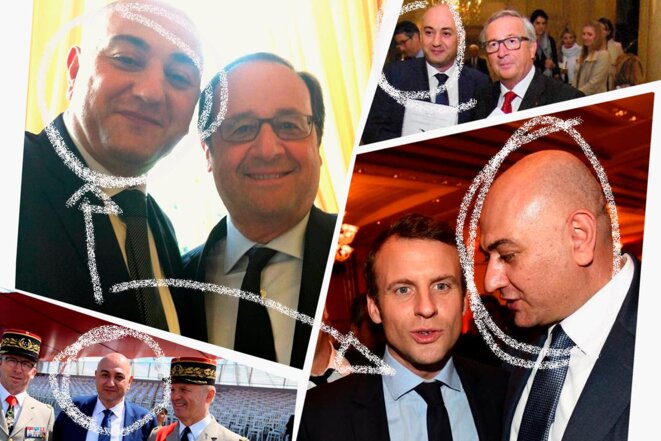
He has been variously described as a “billionaire, a “peacemaker” and a key figure in “inter-faith dialogue”. For ten years French political and religious leaders have rolled out the red carpet for Mohamad Izzat Khatab, a Syrian businessman whose past is shrouded in mystery. According to an investigation by Mediapart, this fan of selfies taken with the rich and powerful has just been placed under investigation in relation to a vast fraud case. Antton Rouget reports.
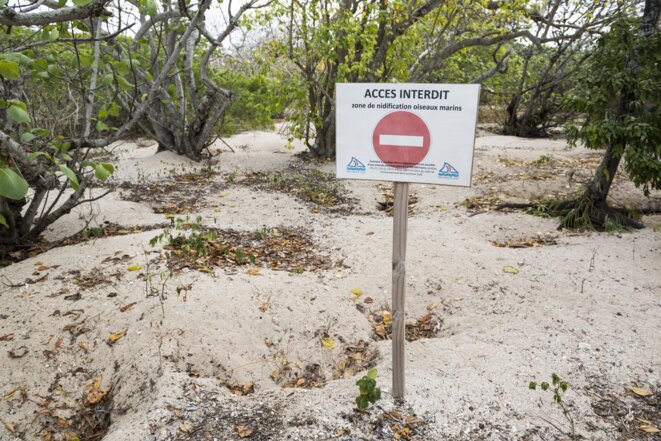
The International Union for Conservation of Nature, which is currently holding its annual conference at Marseille in the south of France, has hit the headlines for its latest update on the number of animal species which face imminent extinction on the planet. But there are some experts who query whether the NGO's conserving strategy of preserving species in designated areas such as natural parks is the right one. Mediapart spoke with French geographer Estienne Rodary who argues that this modernist and colonial approach to the environment has become outdated in an inter-connected world. He says that the issues of biodiversity and climate change are interlinked and that when it comes to conserving nature the “carbon cost” of any policies needs to be taken into account. Amélie Poinssot reports.
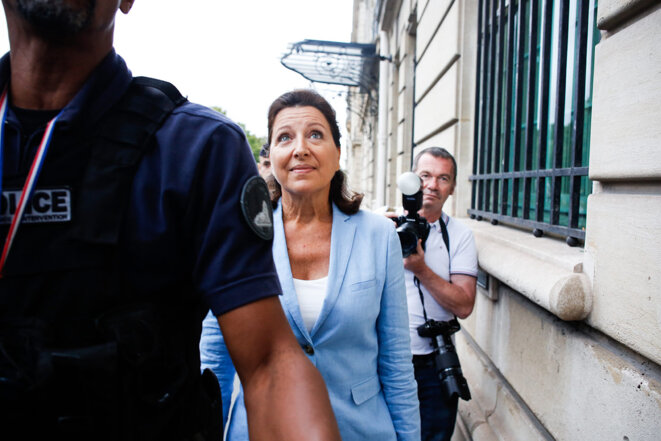
The former French health minister Agnès Buzyn was placed under formal investigation on Friday September 10th for “putting the lives of others in danger” during the Covid-19 pandemic. Prosecutors also named her as an “assisted witness” - a half-way status between that of a witness and a potential suspect - in relation to allegations of “failing to fight a disaster”. The investigation into Buzyn, who stepped down as health minister in mid-February 2020 as the epidemic was gaining speed in the country, came after numerous legal complaints lodged by private individuals and groups. The news, which will once again shine a spotlight on the French government's initial handling of the epidemic, comes just months before President Emmanuel Macron is set to seek re-election in the 2022 presidential election. Sarah Brethes, Caroline Coq-Chodorge and Antton Rouget report.
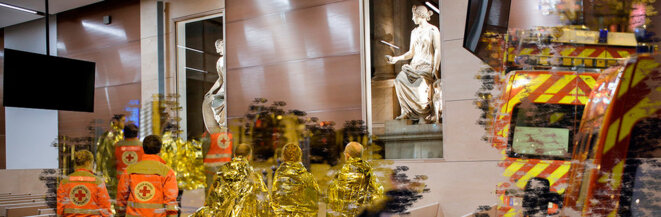
The trial relating to the deadly wave of terror attacks that struck Paris on November 13th 2015 gets under way this Wednesday September 8th. During a hearing scheduled to last nine months, the 20 defendants will be tried over their role in attacks that left 130 dead, hundreds more wounded and many grieving families. Matthieu Suc sets the scene for a trial that is exceptional both in its scale and nature.
With its signing of Argentine superstar Lionel Messi this summer, and its money-no-object refusal to agree the 180-million-euro transfer to Real Madrid of its French star forward Kylian Mbappé, football club Paris Saint-Germain’s Qatari owners, apparently immune to the financial effects of the Covid-19 crisis, once again demonstrated their unbridled ambitions in diplomacy through sport. As Jérôme Latta reports, the backdrop is the ever more deregulated structure of European football.
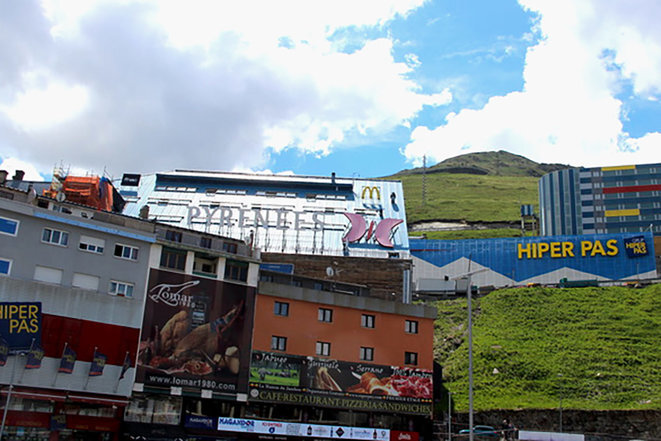
The Pyrenees mountains separating France and Spain have long been a crossing route for smugglers of all kinds of wares, which today range from cigarettes to elvers. But the 623-kilometre-long border between the two countries, definitively traced in 1866, has also never been a barrier for the centuries-old exchanges, local alliances and regulations established between the communities living on either side. Emmanuel Riondé reports.
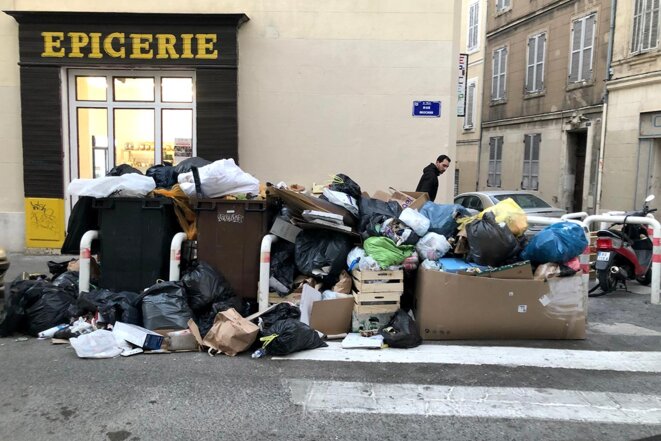
A 16-day strike by refuse collectors has just come to an end in the southern French city of Marseille. It was the third such stoppage there in three months and on the surface it was yet another routine dispute involving municipal staff in a city that is no stranger to industrial strife. But in reality the deal struck between the local authority and union officials, which came amid growing anger from local residents at the state of the Mediterranean city's streets, has ended an unwritten and cosy arrangement between City Hall and a favoured trade union that stretches back more than seven decades. Some observers have described the outcome as no less than a “revolution”. Olivier Bertrand explains.
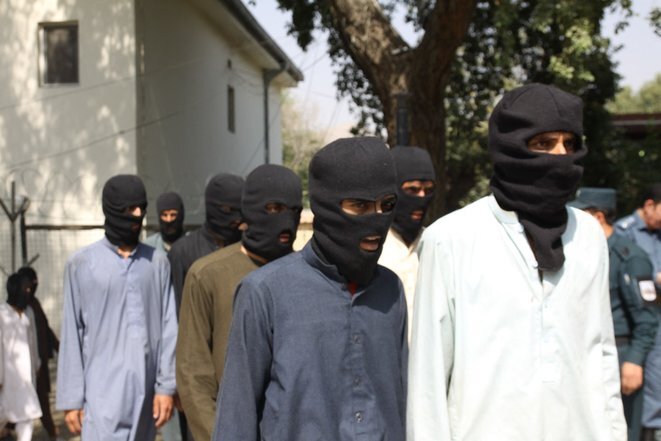
The US military has said its airstrike on Sunday on a vehicle in Kabul has prevented a new attack on the capital’s airport by the Afghan branch of the so-called Islamic State (IS) group who claimed responsibility for last Thursday’s suicide bombing there which left an estimated 170 people dead. But just who are the Afghan IS branch, known as the IS-K? Jean-Pierre Perrin details their history, beginning in 2014 when Pakistani jihadists crossed into Afghanistan and soon became a rival for the Taliban.
Most of the humanitarian aid organisations until now active in Afghanistan say they want to continue with their missions following the Taliban takeover of the country. But that prospect faces major challenges, notably due to the volatile security situation, the uncertainty over the Taliban’s future policy towards them, and the collapse of Afghanistan’s banking system. Justine Brabant reports.
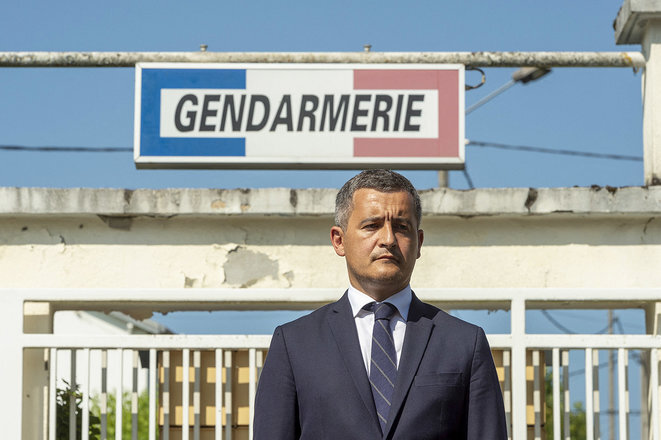
Following an investigation by Mediapart which revealed how the newly appointed head of the gendarmerie in France’s South Pacific territory of New Caledonia had been convicted of domestic violence, Colonel Éric Steiger was forced to resign his prestigious post last Friday. Despite the public outrage prompted by the case, and notably how the colonel’s hierarchy were well aware of his conviction, French interior minister Gérald Darmanin, in a radio interview on Tuesday morning, denounced a “cabal” against Steiger, who has admitted committing violence against his ex-wife, adding “I am not for witch-hunts”. Matthieu Suc, Pascale Pascariello and Antton Rouget report.