

Carine Fouteau

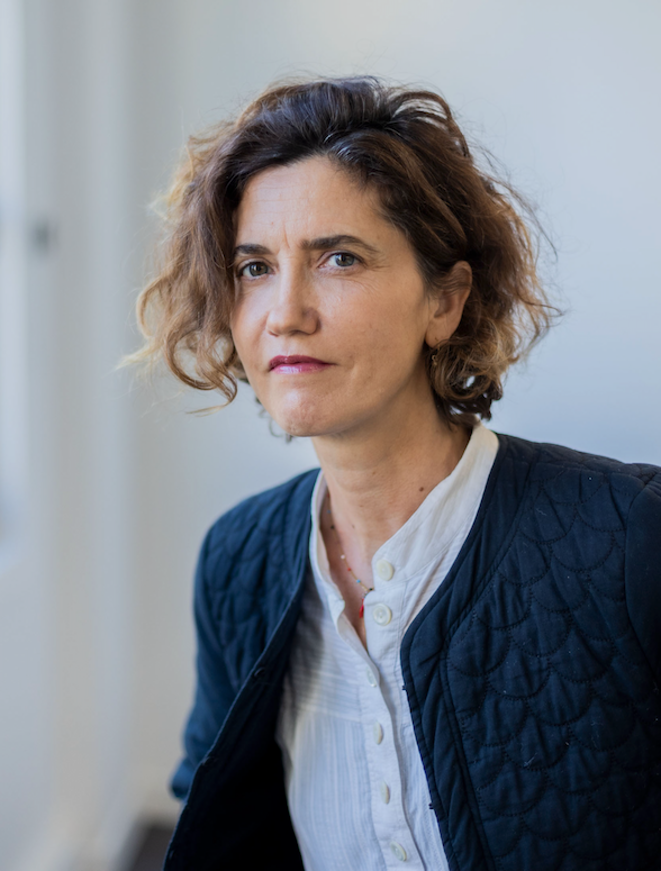
Nommée présidente et directrice de la publication de Mediapart en mars 2024.

Carine Fouteau est née en 1974. Licenciée d’histoire à l’Université Paris I, diplômée de Sciences Po Paris, titulaire d’un master de journalisme à New York University, elle est embauchée en 1999 sur le site internet des Échos et rejoint quelques mois plus tard le quotidien papier pour suivre les conditions de travail. En 2003, elle ouvre un nouveau poste consacré aux enjeux de société : laïcité, démographie et immigration. Sur son temps libre, elle écrit pour la revue culturelle, politique et sociale Vacarme.

Elle quitte les Échos à la suite du rachat du titre par le groupe LVMH et rejoint Mediapart en 2008 dès sa création pour suivre les questions migratoires. Pendant dix ans, elle enquête sur les morts aux frontières de l’Europe, les méfaits de Frontex, le durcissement continu des politiques d’accueil européenne, la torture en Libye, la fabrique de l’illégalité et les violences administratives et policières subies en France par les migrants et les demandeurs d’asile.

En mars 2018, elle succède à François Bonnet, cofondateur de Mediapart, à la direction éditoriale de Mediapart, poste qu’elle occupe aux côtés de Stéphane Alliès jusqu’à octobre 2023.

Co-auteure d'Immigrés sous contrôle (Le Cavalier bleu, 2008), avec Danièle Lochak, elle a également publié en février 2014 Roms & riverains, Une politique municipale de la race (La Fabrique), avec Éric Fassin, Serge Guichard et Aurélie Windels.

Declaration of interest

In the interest of transparency towards its readers, Mediapart’s journalists fill out and make public since 2018 a declaration of interests on the model of the one filled out by members of parliament and senior civil servants with the High Authority for Transparency and Public Life (HATVP), a body created in 2014 after Mediapart’s revelations on the Cahuzac affair.

Consult my declaration of interests

All his articles

  • The great illusion of France's 'brain drain'

    France

    London’s conservative mayor Boris Johnson boasts that the British capital has become “the sixth-biggest French city on earth”, estimating that some 250,000 French people now live there. His comments were widely picked up in the French media amid a recent series of alarming reports suggesting that a massive brain drain is emptying the country of its talented young adults and wealthier citizens, supposedly attracted by greater opportunities for employment, business creation and lower taxes abroad. But, as Carine Fouteau reports, the truth is that France counts far fewer expatriates than other developed countries (and notably Britain), while several experts on the issue argue that the relatively small rise in the numbers of those who do venture abroad is ultimately a beneficial phenomenon.         

  • Barbary and bloodshed: the horror reserved for Australia's asylum seekers

    International

    Last year, the United Nations Refugee Agency (UNHCR) and Amnesty International denounced the appalling conditions at an Australian immigration centre in Papua New Guinea, one of two offshore Pacific camps used by Australia to detain and process migrants' demands for asylum. But the alarm went unheeded, and in February this year a revolt by the detainees led to a bloody confrontation that left one 23 year-old Iranian asylum seeker dead, and 77 other people injured, some by gunshot and machete blows. Mediapart has gained access to a series of photos of the injured detainees and witness accounts of the tragic events on February 16th and 17th which received little coverage outside of Australia. Carine Fouteau reports on the inhumane and humiliating treatment Australia reserves for asylum seekers, one of whom, an Iraqi national aged 43, told Amnesty International that, given their fate, “if we had died in the ocean, that would have been better.”

  • Why being gay, a woman or from an immigrant background is still bad for your career in modern France

    France — Analysis

    Discrimination is alive and kicking in France, according to a study by the state's official statistical agency INSEE. Whether it involves education, career progression, pay or getting access to housing, there are obstacles and hurdles at all levels of society for disabled, women and gay people as well as those from immigrant backgrounds. Nor does having good qualifications always make the situation better - indeed, in some cases the inequality gets worse higher up the workplace ladder. As Carine Fouteau reports, the study suggests there is a real need for more concrete action despite the pledges and fine words from President Hollande and his government.

  • Roma 'prohibited' by drivers from travelling on Paris buses

    France — Investigation

    The French citizens’ rights watchdog, the Défenseur des droits, is investigating a complaint that a bus driver with the Paris public transport system, the RATP, refused to let three young Roma men with valid travel passes climb aboard his vehicle, allegedly saying ‘dirty Romanians, you’re like dogs’. Witnesses have come forward to confirm the incident which, as Carine Fouteau reports, is just one of a series involving allegedly discriminatory behaviour against Roma by RATP staff, and which drivers' union officials say they “cannot deny” happen.

  • The grim reality behind the 1983 'march for equality and against racism'

    France — Interview

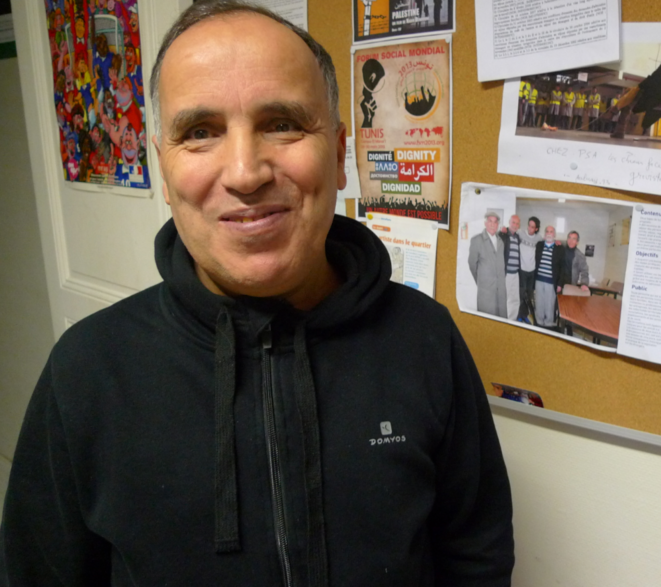
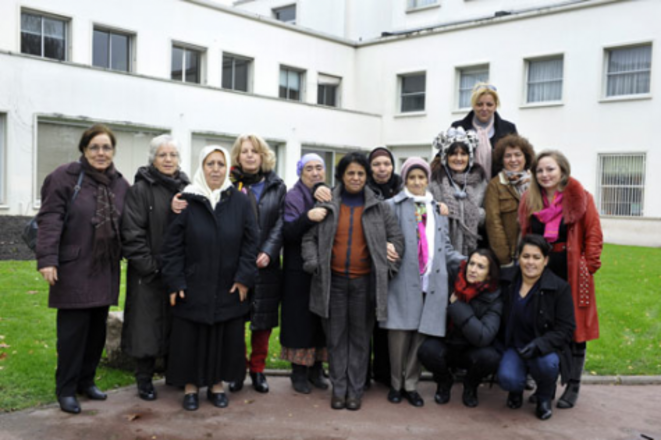
    December 3rd marks the 30th anniversary of the arrival in Paris of the March for Equality and Against Racism, a milestone in the history of anti-racist movements in France. It was the triumphant end of a 1,500-kilometre trek across the country's towns and cities, beginning in  Marseille, and which vented the anger of France’s population of North African origin at the prejudice and violence they were regularly the target of. Moroccan immigrant Abdallah Moubine (pictured) was 29 years old at the time, and remembers the marchers’ arrival in the French capital as a “magnificent” event. Moubine, a trade unionist who battled for equal rights for North African immigrants in the French car industry, tells Carine Fouteau about the explosive racist climate of the early 1980s, and reflects on what’s changed since that historic day in December 1983.   

  • Europe, a destination to die for - for African migrants

    International

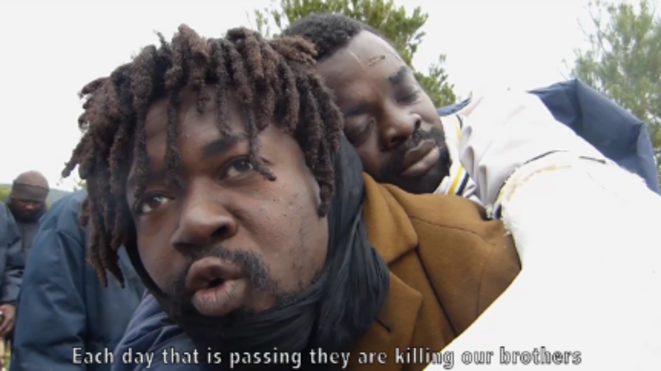
    Clément, a young man from Cameroon, was simply seeking a better life in Europe. But in March, while trying to cross from Morocco into the Spanish enclave of Melilla, witnesses say he was so badly beaten by law enforcement officers that he died of his injuries. An Italian documentary producer was there just after his ordeal and filmed his final hours. Carine Fouteau reports on the continuing scandal of the way migrants are treated at the gateway to Europe.

  • The shameful plight of France's retired immigrant population

    France

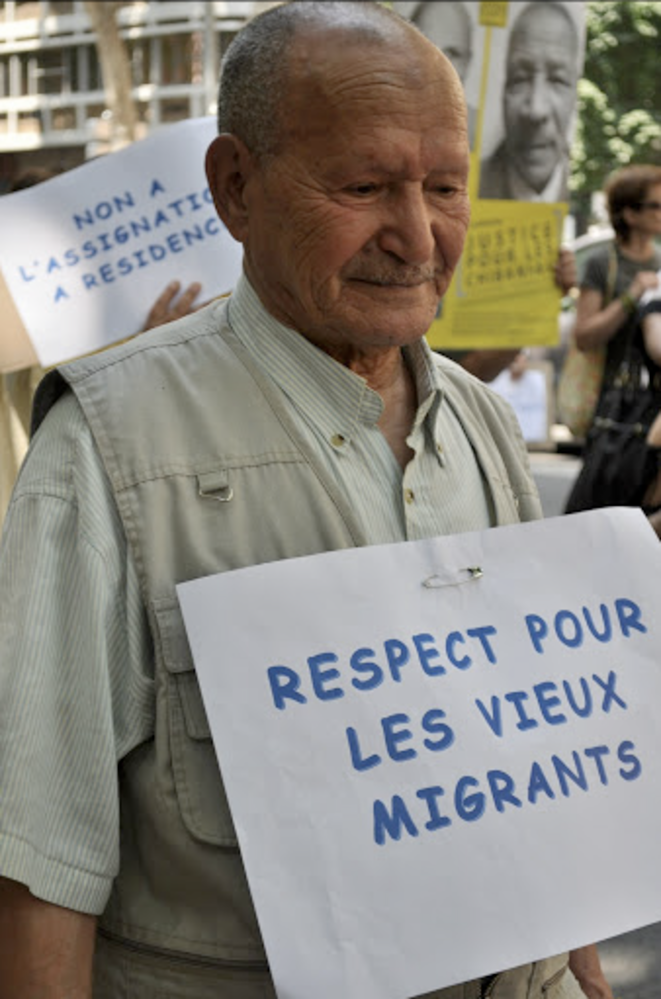
    Amidst the heated debate over the French government’s plan to further reform the French pension system, a cross-party parliamentary committee will next month deliver its recommendations on remedying what one of its members describes as the “scandalous” plight of hundreds of thousands of immigrant workers who enter retirement with little rights and in conditions of dire poverty. Carine Fouteau reports on a shameful social issue that has hitherto been swept under the carpet by successive governments, and  hears from the committee’s rapporteur, Alexis Bachelay, what reforms he and his colleagues are due to propose in June.

  • France moves to catch up lost ground in the race for foreign talent

    International

    Earlier this week the French Senate held the first of two parliamentary consultative debates to explore how to make France a more attractive destination for skilled foreign professionals and students, an issue that has long been neglected and submerged under the anti-immigration policies and political rhetoric of the government’s predecessors. In a move to catch up with initiatives launched by other countries, the government plans to present a bill of law this summer to reform its immigration legislation to attempt to facilitate and encourage professional immigration. Carine Fouteau reports on how what was once a political taboo is now the subject of an open and aggressive competition for an ever-growing and increasingly-needed pool of talent worldwide.

  • Will France introduce yet another law on the veil?

    France

    There was an outcry in France when an appeal court sided with a woman who was fired by a private crèche for wearing a headscarf at work. Interior minister Manuel Valls says he now favours a new law to extend the ban on wearing religious symbols, while opponents argue that new measures simply risk stigmatising French Muslims still further. As Carine Fouteau reports, it looks as if the government has come on the side of the interior minister and is preparing new legislation.

  • The reality of France's troubled 'banlieues', as told by those who live there

    France

    The Paris suburb of Le Blanc-Mesnil is typical of dozens of socially-deprived agglomerations that surround the capital’s northern perimeter, characterized by zones of high-rise public housing estates, higher than average unemployment, especially among the young, and a significant population of North and West African origin who complain of being stigmatized and discriminated against. While the stereotypes of those who live in what are commonly called les banlieues are reinforced by regular incidents of violence, drug dealing and social unrest, local inhabitants are rarely offered a public stage to challenge the narrow perceptions that ignore the broader realities of their community. But now, in a rare and insightful book published last month, a group of women residents of Le Blanc-Mesnil recount with frankness and simplicity their everyday experiences, both positive and negative, of life amid the troubled suburbs. Carine Fouteau reports.

  • Revealed: The real story about French Muslims, immigration and radicalisation

    France — Analysis

    Islam is the second religion in France yet Muslims often feel discriminated against and misunderstood. And because the French state outlaws the gathering of data on religious or ethnic grounds it is difficult to know exactly how Muslims view their faith, how many are being radicalised – or even how many Muslims there are in the country. Here Mediapart publishes the results of a major new study attempting to overcome this lack of data. It confirms that a small proportion of Muslim youths are being radicalised. But it also shows how the way in which they are depicted in society has led to an increased religious sentiment among Muslims anxious to assert their identity. Carine Fouteau reports.

  • Election turnout: who votes (and who doesn't) in France

    France

    An in-depth study of voter registration and turnout has thrown up some fascinating data on the categories of people who turn out in force to vote in France – and those who are less inclined to do so. The figures show that while fewer foreign-born French citizens register to vote than native-born compatriots, once on the electoral roll they are just as likely to turn up on polling day. The study also reveals that attempts to get more young people on the electoral roll have not been wholly successful, and that frequency of voting registration is still linked to a person's educational and work status. Carine Fouteau examines the statistics.

All his blog posts

Mediapart’s journalists also use their blogs, and participate in their own name to this space of debates, by confiding behind the scenes of investigations or reports, doubts or personal reactions to the news.

Carine Fouteau (avatar)

Carine Fouteau

Mediapart Journalist

33 Posts

5 Editions