Carine Fouteau

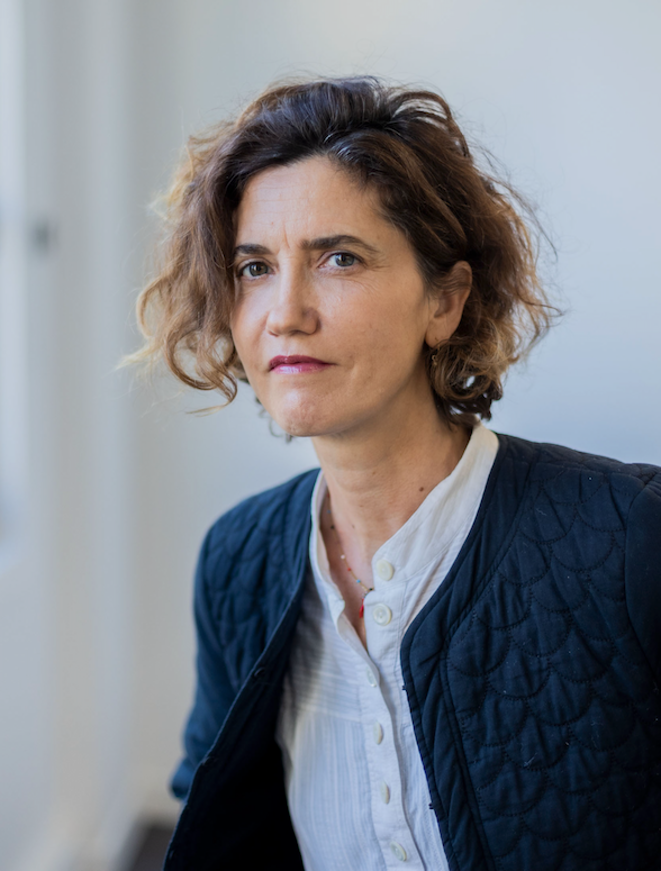
Nommée présidente et directrice de la publication de Mediapart en mars 2024.

Carine Fouteau est née en 1974. Licenciée d’histoire à l’Université Paris I, diplômée de Sciences Po Paris, titulaire d’un master de journalisme à New York University, elle est embauchée en 1999 sur le site internet des Échos et rejoint quelques mois plus tard le quotidien papier pour suivre les conditions de travail. En 2003, elle ouvre un nouveau poste consacré aux enjeux de société : laïcité, démographie et immigration. Sur son temps libre, elle écrit pour la revue culturelle, politique et sociale Vacarme.

Elle quitte les Échos à la suite du rachat du titre par le groupe LVMH et rejoint Mediapart en 2008 dès sa création pour suivre les questions migratoires. Pendant dix ans, elle enquête sur les morts aux frontières de l’Europe, les méfaits de Frontex, le durcissement continu des politiques d’accueil européenne, la torture en Libye, la fabrique de l’illégalité et les violences administratives et policières subies en France par les migrants et les demandeurs d’asile.

En mars 2018, elle succède à François Bonnet, cofondateur de Mediapart, à la direction éditoriale de Mediapart, poste qu’elle occupe aux côtés de Stéphane Alliès jusqu’à octobre 2023.

Co-auteure d'Immigrés sous contrôle (Le Cavalier bleu, 2008), avec Danièle Lochak, elle a également publié en février 2014 Roms & riverains, Une politique municipale de la race (La Fabrique), avec Éric Fassin, Serge Guichard et Aurélie Windels.

Declaration of interest

In the interest of transparency towards its readers, Mediapart’s journalists fill out and make public since 2018 a declaration of interests on the model of the one filled out by members of parliament and senior civil servants with the High Authority for Transparency and Public Life (HATVP), a body created in 2014 after Mediapart’s revelations on the Cahuzac affair.

Consult my declaration of interests

All his articles

  • French mayor behind gutted migrant camp vows it will return

    International

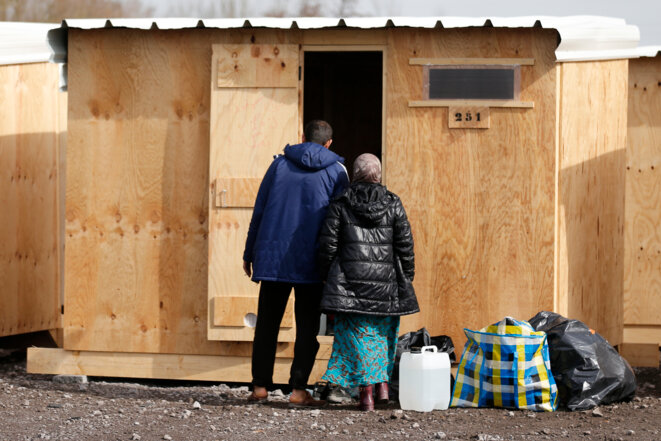
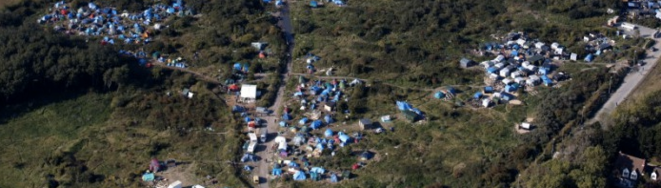
    A migrant camp close to the Channel port of Dunkirk, in north-east France, which housed about 1,500 people in wooden sheltered accommodation, was razed to the ground in a huge blaze on Monday that was started during fighting between groups of Iraqi Kurds and Afghans. The events have further fuelled anti-immigrant rhetoric from candidates campaigning in the French presidential elections, and placed in question the outgoing socialist government’s already reluctant support for the site. But, as Carine Fouteau reports, the local mayor behind the creation of the camp, which opened only last year, has pledged to rebuild it.

  • How Hollande broke election promise over child detentions

    France

    Despite his much-vaunted election promises, President François Hollande’s commitment to end the detention of child refugees and migrants has failed to materialise. In mainland France, 460 minors were detained between 2012-2016 and in the overseas département of Mayotte, in the Indian Ocean, some 20,000 were locked up. The Léonarda scandal – when a Kosovan child on a school trip in France was arrested pending deportation – is just one example of the hardships faced by immigrant minors under the current presidency. Carine Fouteau reports.

  • French immigration figures show 25,000 granted refugee status in 2016

    International

    The issue of immigration control sits high on the agenda of campaigning by candidates in France’s presidential elections to be held this spring, a subject that is increasingly manipulated for political gain. The latest annual immigration statistics released this week by the French interior ministry sober a sometimes hysterical debate. They show that a total of 227,500 non-EU foreign nationals were granted residence in France in 2016, a year-on-year increase of 4.6%, while the number of migrants refused entry at border crossings rose by 302% compared to 2015. Just more than 25,000 people were last year granted refugee status. Carine Fouteau reports.

  • Police accused of 'inhumane' treatment to Paris migrants

    France

    As winter bites in the French capital, three humanitarian associations allege the police have been harassing migrants on the streets of Paris and in some cases tear-gassing them as they queue at the refugee centre. And following the destruction of the so-called Jungle migrant camp in Calais, a local association says remaining migrants there are also suffering harassment. Carine Fouteau interviewed Corinne Torre of Médecins Sans Frontières to find out more.

  • NGOs drop support for 'ill-prepared' Calais Jungle evacuation

    France — Interview

    The notorious makeshift migrant camp in the French Channel port of Calais, which NGOs estimate houses between 8,000 and 10,000 people, including 1,300 minors without parents, is to be evacuated and razed in the coming weeks. But 11 humanitarian associations involved in providing assistance for the migrants living in a shantytown of huts and tents known as “the Jungle”, many of which initially supported the move, have now applied for a court order to halt the operation, arguing that it is “a violation of the fundamental rights of the exiled”. Carine Fouteau hears from the head of one of the most active NGOs, L’Auberge des Migrants, why it has now come out against the evacuation and his fears over the consequences.

  • French court rules Burkini ban is 'illegal violation of fundamental rights'

    France

    France's Council of State has overturned a so-called “burkini ban” in the Riviera town of Villeneuve-Loubet, close to Nice, ruling it to be a “grave and manifestly illegal violation of fundamental rights”. The ruling now appears set to annul similar controversial bans imposed by about 30 other mostly conservative municipalities, including Cannes and Nice, where the vague wording of the terms of the prohibitions have even allowed for beach police to evict Muslim women wearing headscarves. Carine Fouteau details the ruling on Friday which several mayors have said they will ignore.

  • The hurt and anger caused by French mayors' burkini bans

    France — Analysis

    France’s Council of State will on Friday announce its judgment on whether the ban of the burkini, recently applied by a number of mayors of coastal towns in France, is legal. The bans, imposed mostly in south-east France and amid the backdrop of recent Islamist terrorist attacks, supposedly target the full-body swimwear worn by some Muslim women. But the prohibitions also exclude dress that might threaten “public order”, and there was uproar this week after several reported incidents of police patrols intercepting Muslim women wearing headscarves on the beach. Carine Fouteau analyses a controversy that not only encroaches basic human rights, but which also has played into the hands of the Islamic State group which was behind this summer's terrorist attacks in France.

  • Calais and Grande-Synthe, a tale of two radically different migrant camps

    International

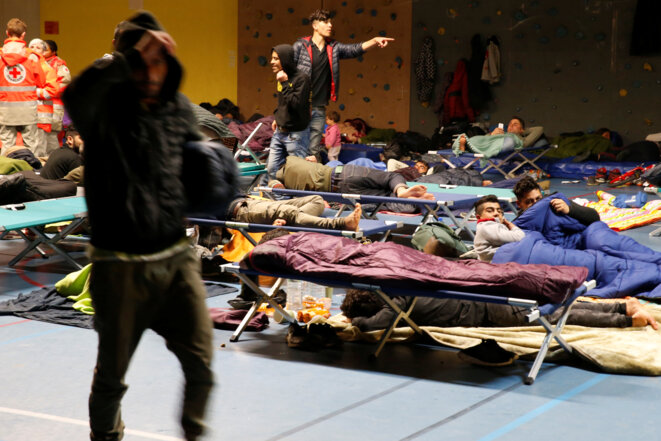
    In its latest attempt to reduce the enduring migrant crisis in the Channel port of Calais, where thousands of people live in insalubrious conditions while hoping to find a passage to Britain, the authrities have built an austere residential camp made out of converted shipping containers. Just several kilometres along the coast, near Dunkirk, where a similar crisis is developing, the Doctors Without Borders NGO has built, in cooperation with the local mayor, an unofficial camp of wooden huts that could not be more different, where it says the aim was to make migrants “feel at home”. But the concept is clearly not shared by the government. Carine Fouteau reports.

  • The controversial new strategy to draw migrants out of Calais 'jungle'

    International

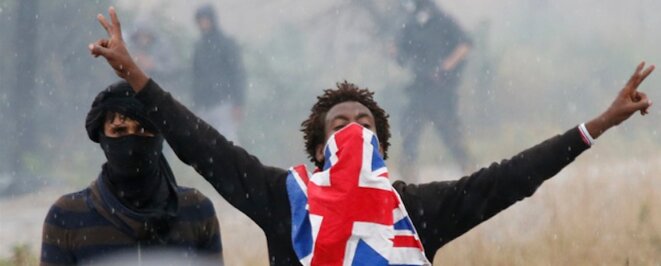
    The northern French port of Calais was this week the scene of violent clashes between police and migrants who continue to gather in their thousands in the hope of crossing illegally into Britain. While a recent security clampdown at the port and Channel Tunnel entrance has succeeded in reducing incursions, migrants continue to arrive in Calais and the numbers living in the infamous makeshift ‘jungle’ camp have swollen significantly. As winter approaches, the authorities are attempting to disperse the migrants, some to holding centres, others into temporary accommodation, while actively inciting them to apply for asylum in France. Carine Fouteau reports.

  • The myth of France as 'the land of asylum'

    International — Analysis

    While massive numbers of refugees continue to arrive in Europe, there is a perception among many in France that the country is something of a ‘promised land’ for asylum seekers, a dream destination about to be overwhelmed by the influx. But in reality, the self-proclaimed “land of human rights” figures way down the wish-list of those currently seeking to settle in Europe, even among francophone refugees. In this analysis of the crisis, which on Sunday saw Germany closing its southern borders, Mediapart's specialist writer on migratory issues, Carine Fouteau, examines why the majority of refugees are now spurning France.

  • From Calais to Italy: how France has become Europe's new border guard

    France — Analysis

    In return for help in making the Channel Tunnel and the port at Calais more “secure”, France has agreed to monitor Britain's borders on its behalf. On the Italian frontier, meanwhile, French police are searching for migrants who have crossed the Mediterranean. As Carine Fouteau reports, interior minister Bernard Cazeneuve has taken on the mantle of Europe's new gatekeeper, at the risk of breaching European law.

  • The lonely plight of Syrian migrants in Paris

    France — Report

    As the bloody civil war in their country continues, families fleeing Syria have set up a makeshift camp at Saint-Ouen in the north of Paris. Many of them feel trapped, unsure how to complete their arduous journey towards a safe haven, uncertain about whether to claim asylum in France or move on to another European country. The authorities, meanwhile, do the bare minimum to help this small group of Syrians, apparently hoping that they will simply move on elsewhere. Mediapart's Carine Fouteau went to meet the inhabitants of this mini-camp who are living next to the French capital's main ring road.

All his blog posts

Mediapart’s journalists also use their blogs, and participate in their own name to this space of debates, by confiding behind the scenes of investigations or reports, doubts or personal reactions to the news.

Carine Fouteau (avatar)

Carine Fouteau

Mediapart Journalist

33 Posts

5 Editions